





 Português
  Inglês
  Espanhol
  4 min de leitura
  0 comentários


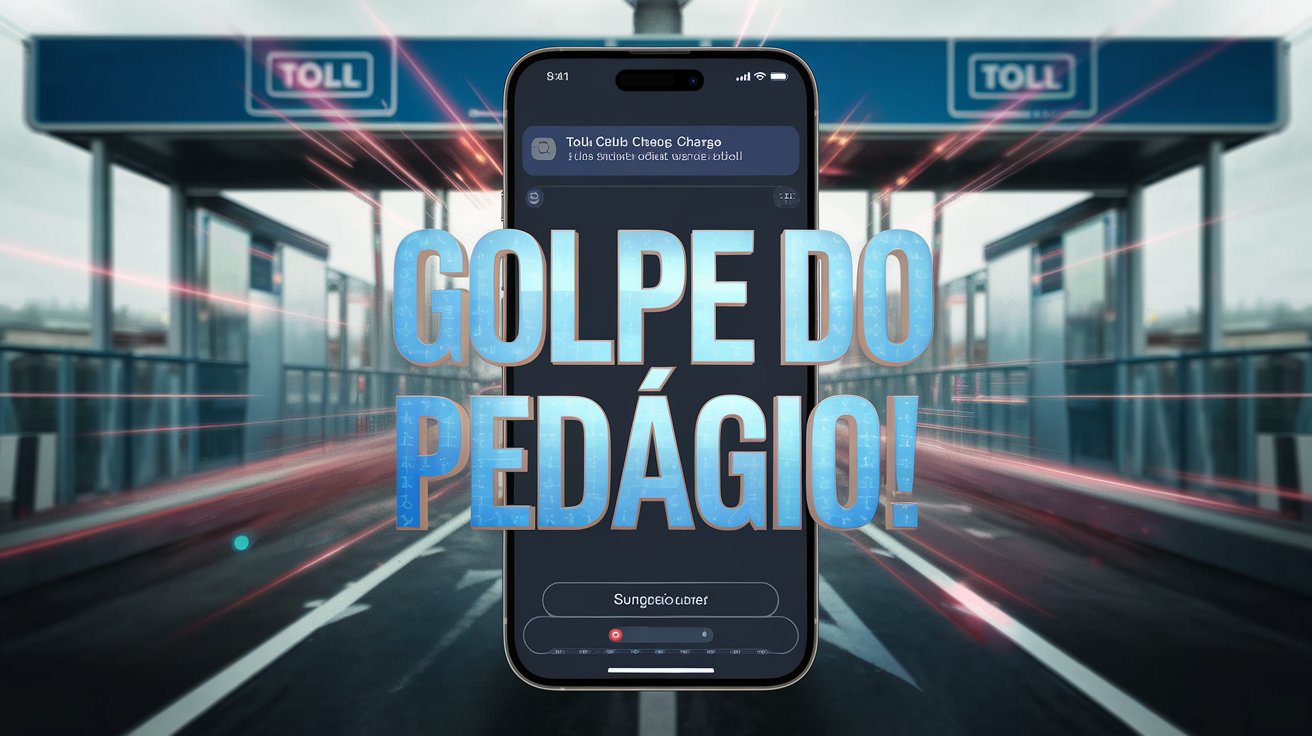
Toll Scam Explodes! Scammers Send Fake SMS Demanding Fees and Steal Sensitive Data from Victims. With a 900% Growth in Searches, the Scheme is Already Affecting Large Cities.
A scam that has made thousands of victims in the United States is becoming one of the most concerning digital fraud schemes at the moment.
Known as the “toll scam “, the scheme involves fake messages that induce drivers to pay non-existent fees, leading to the theft of personal and financial data.
The situation has worsened so much that even the FBI and the Federal Trade Commission (FTC) have issued alerts about the increase in attempts of this type of scam.
-
With an unusual prize, Japan transforms office chairs into a resistance race on the streets, ISU-1 Grand Prix grows, fills stages, and pays 90 kilograms of rice.

-
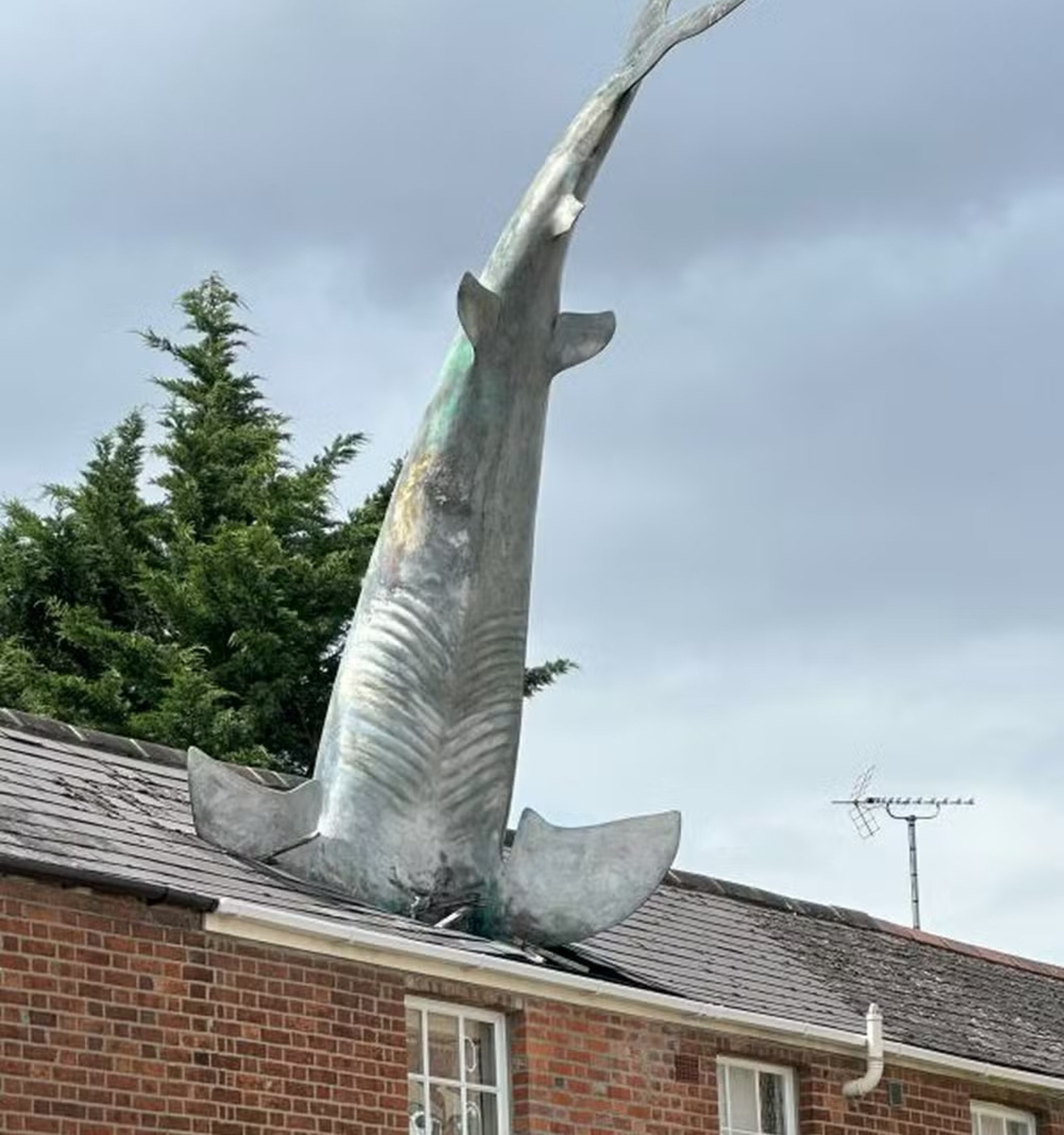
House in England with a 7.6-meter shark embedded in the roof attracts attention worldwide and becomes a curious attraction in Oxford.
-
With awards in various countries, the Jaecoo 7 is establishing itself globally and accelerating the expansion of Omoda & Jaecoo in the hybrid SUV market.

-
In a silent race, Shopee signs a mega contract in Guarulhos and accelerates the e-commerce war with faster deliveries, pressured shipping, and a new threat to rivals in Brazil.


According to a report from security company McAfee, the volume of notifications about this scam quadrupled between January and February of this year.
The growing sophistication of digital criminals was also highlighted in a Trend Micro study, which pointed to a 900% increase in internet searches about the scam in the last three months.
How Does the Toll Scam Work?
The scam is clever and takes advantage of psychological pressure to force the victim to act quickly. It occurs as follows:
Victims receive a text message informing them of an alleged unpaid toll fee, demanding immediate payment;
The text message contains a fake link that directs to a phishing site, where information such as driver’s license number, banking details, and even Social Security number are requested;
With this data in hand, criminals can commit identity fraud, make purchases in the victim’s name, or illegally access bank accounts.
The major cities affected by the scam include Dallas, Atlanta, Los Angeles, Chicago, and Orlando. Scammers use names of real companies, such as Peach Pass (Georgia), Sun Pass (Florida), and Texas Tag (Texas), to make the scheme more convincing.
Scammers’ Strategies: Fake Websites and Forged Documents
The success of this scam lies in the criminals’ ability to replicate the visual identity of toll companies.
They create fake websites with a professional layout and include digital documents with official logos, simulating a trustworthy environment.
In this way, unsuspecting drivers end up providing information without suspecting fraud.
How to Protect Yourself from the Toll Scam?
In light of the growing wave of fraud, digital security experts recommend some actions to avoid becoming a victim of the scam:
Never click on suspicious links received via SMS or email. If in doubt, contact the toll company directly through its official website;
Verify the authenticity of charges by accessing your account directly on the toll operator’s website, without using links sent by third parties;
Report fraudulent messages through the official channels of your phone operator or through the “report spam” option in messaging apps;
Enable two-factor authentication to protect your personal information and make unauthorized access to your accounts more difficult;
Beware of grammatical errors and websites with suspicious addresses, as scammers often make mistakes that reveal the fraud.
Similar Frauds in Brazil
Although the toll scam is more common in the United States, similar schemes have already been reported in Brazil. Brazilian scammers often send fake invoices via email or text messages claiming outstanding issues in services such as automatic tolls, traffic fines, and even municipal taxes.
Cases of digital fraud in Brazil have grown significantly in recent years, according to reports from financial and digital security institutions. Companies such as Sem Parar and ConectCar have already issued alerts about attempts of similar scams in the country.
Authorities Intensify Investigation
McAfee warns that attempts of this type of scam are likely to increase in the coming months. Therefore, it is essential for drivers to stay informed and be alert to any suspicious approaches.
In the United States, investigations are being conducted by the FBI and the FTC, which recommend reporting any scam attempts on official platforms, such as the IdentityTheft.gov website.
In Brazil, institutions such as Procon and the Civil Police receive reports of digital scams and provide support to victims.
With the advancement of technology, digital frauds are becoming increasingly sophisticated and harder to detect. The best way to protect yourself is to stay informed and adopt digital security practices in your daily life.








Seja o primeiro a reagir!