





 Portuguese
  English
  Spanish
  4 min of reading
  0 comments


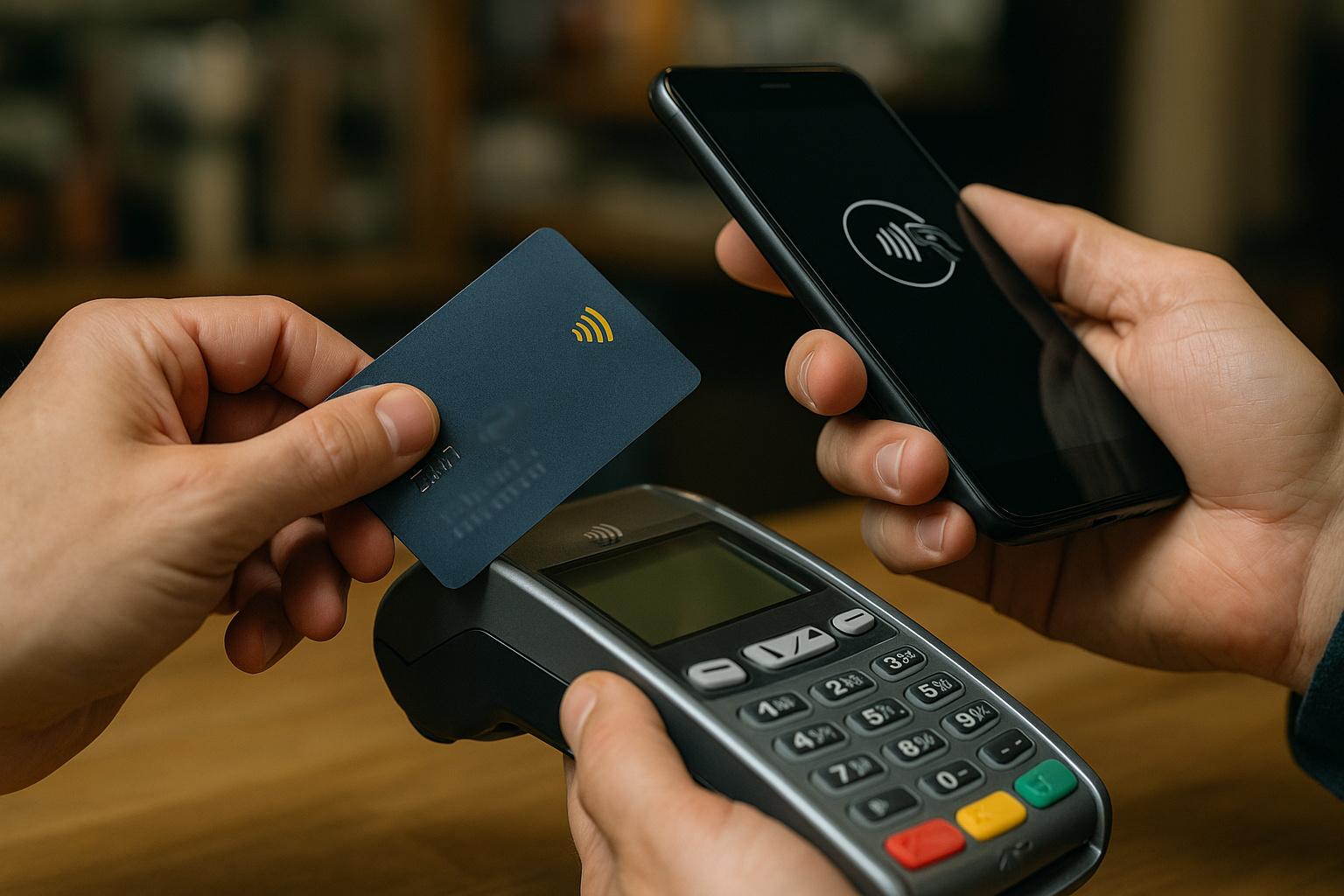
Silent Digital Fraud Grows in 2024 and Puts Brazil at the Global Forefront of NFC Technology Scam Attempts, According to Kaspersky Report.
An unsettling phenomenon has begun to spread across Brazil, transforming what was once synonymous with convenience into an invisible threat. The so-called “ghost touch”, a sophisticated digital fraud, has frightened consumers and experts since the beginning of 2024, when it became one of the most reported scams in the country. The term, which sounds like it came out of a horror story, defines a real attack capable of diverting funds in seconds, without the victim noticing any suspicious movement.
As revealed by Kaspersky in its 2024 Global Cybersecurity Report, Brazil accounts for 47% of blocked scam attempts worldwide. This impressive number highlights how the expansion of contactless payments (NFC) — now present in cards and smartphones — has also opened the door for new forms of digital crime.
Technological Scam Spreads with Alarming Speed
Kaspersky’s investigation details that the “ghost touch” uses malicious applications to intercept the NFC token, a temporary code used in contactless transactions. Afterwards, the code is retransmitted in real time to another device, allowing criminals to finalize fraudulent purchases as if they were the cardholder.
-
Giant structures 14 meters beneath Egypt are revealed by satellites and expose a millennia-old secret buried in Buto.

-
Children have been making clay pieces for 15,000 years in Southwest Asia, and fingerprints preserved on 142 ornaments helped archaeologists prove this.

-
New semi-autonomous legged robot technology challenges the limitations of space exploration by operating almost without human intervention on the Moon.

-
Super toxic red mineral found in the double burial of two women aged 1,900 years near the banks of the Dnieper River in Ukraine.


According to the survey, this advanced digital cloning technique has been refined since 2023, a year in which the use of contactless payments grew by over 60%, according to data from the Brazilian Association of Credit Card Companies and Services (ABECS). This technological advancement, while practical, has become fertile ground for increasingly creative cybercriminals.
Two Modalities, One Same Invisible Danger
The scam operates on two distinct fronts, equally clever.
In the in-person version, the scene is commonplace: a café, a store line, or a public event. In a simple lapse, the criminal approaches the victim with the phone and captures the NFC token. Shortly after, the data is sent to an accomplice, who uses it in a regular card reader to conclude a legitimate yet illicit purchase. Everything happens so quickly that the victim rarely notices the touch that stole their balance.
On the other hand, the virtual version adopts a more subtle strategy. In this case, the scam begins with social engineering. The criminal impersonates a bank attendant and instructs the user to install a fake card verification application. Once the victim brings their card close to the phone, the malware captures the token and instantly retransmits it to the scammer’s device. The criminal then completes the purchase remotely.
According to GlobalSign specialists, security solutions with digital code signing could significantly reduce the risk. This type of technology ensures that only legitimate applications are installed on devices, increasing user protection.
Brazil at the Top of the Global Digital Fraud Ranking
Kaspersky warns that Brazil has led the global ranking of blocked “ghost touch” attempts since January 2024. The country has surpassed India and the United States, demonstrating that, despite the advancement of financial digitalization, the protection of personal data remains a central challenge.
According to data from ABECS, contactless transactions totaled R$ 700 billion in 2023, reflecting a significant increase compared to 2022. However, this growth has brought proportional vulnerabilities. This underscores the importance of digital education and constant vigilance among consumers.
Cybersecurity experts assert that user awareness is the primary defense. It is essential to avoid downloads from outside official stores, keep a distance from strangers in crowded places, and be suspicious of unsolicited contacts asking for app installations or card validations.
Attention, Prevention, and Technology as Allies
The so-called “ghost touch” is a powerful reminder that digital security goes beyond strong passwords and modern devices. It requires continuous vigilance, use of reliable technology, and knowledge of safe practices.
Kaspersky recommends constant system updates, while GlobalSign emphasizes the use of digital authentications and code certificates. These measures help ensure the integrity of applications and the protection of personal data.
Today, the real fear is no longer in doors that open on their own, but in touches that seem harmless and conceal invisible threats. When fraud masquerades as convenience, the antidote lies in information, caution, and robust technological solutions.
In the end, the biggest enemy is distraction, and combating it requires constant attention and conscious digital habits.
What do you think should be prioritized in combating the “ghost touch”: reinforcing the technological security of applications or investing in digital education for consumers?









-

Uma pessoa reagiu a isso.