





 Portuguese
  English
  Spanish
  4 min of reading
  0 comments


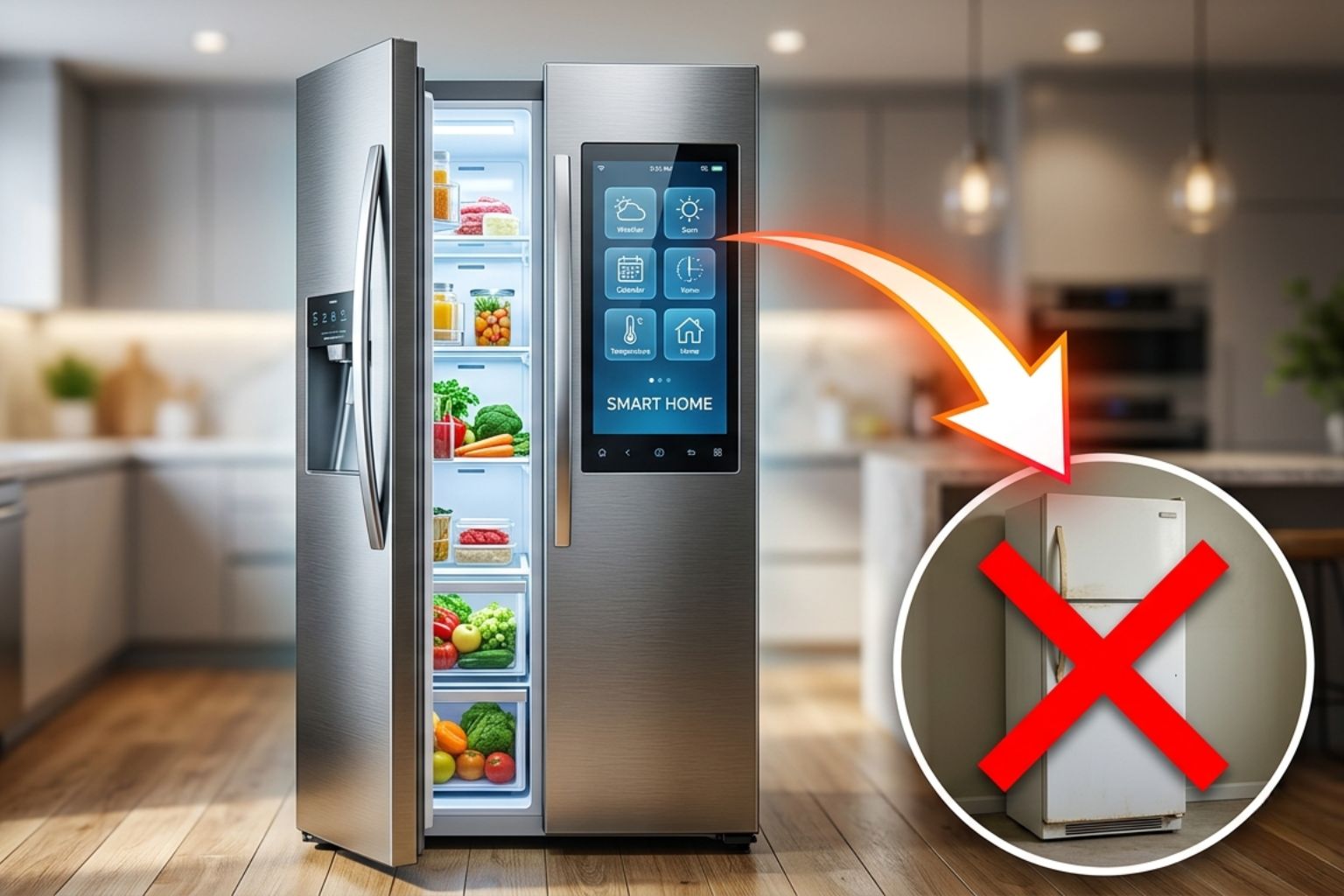
Smart refrigerators gain space in Brazil with temperature control, sensors, and waste reduction, changing the food preservation pattern.
In 2025 and 2026, the evolution of connected appliances began to directly impact one of the most common items in Brazilian homes: the refrigerator. Market data and analyses from companies like Statista and Euromonitor International indicate consistent growth in the adoption of models with sensors, intelligent temperature control, and connectivity.
The traditional refrigerator, based on constant refrigeration and manual adjustments, is starting to share space with equipment that monitors the internal environment in real-time, automatically adjusts storage conditions, and reduces food waste. The movement is not just technological but functional: to preserve better, for longer, and with less waste.
The limit of conventional refrigerators: uniform refrigeration for different foods
The operation of a traditional refrigerator is simple: a compression system cools the internal air and maintains a relatively stable temperature throughout the compartment. The problem is that different foods require specific conditions.
-
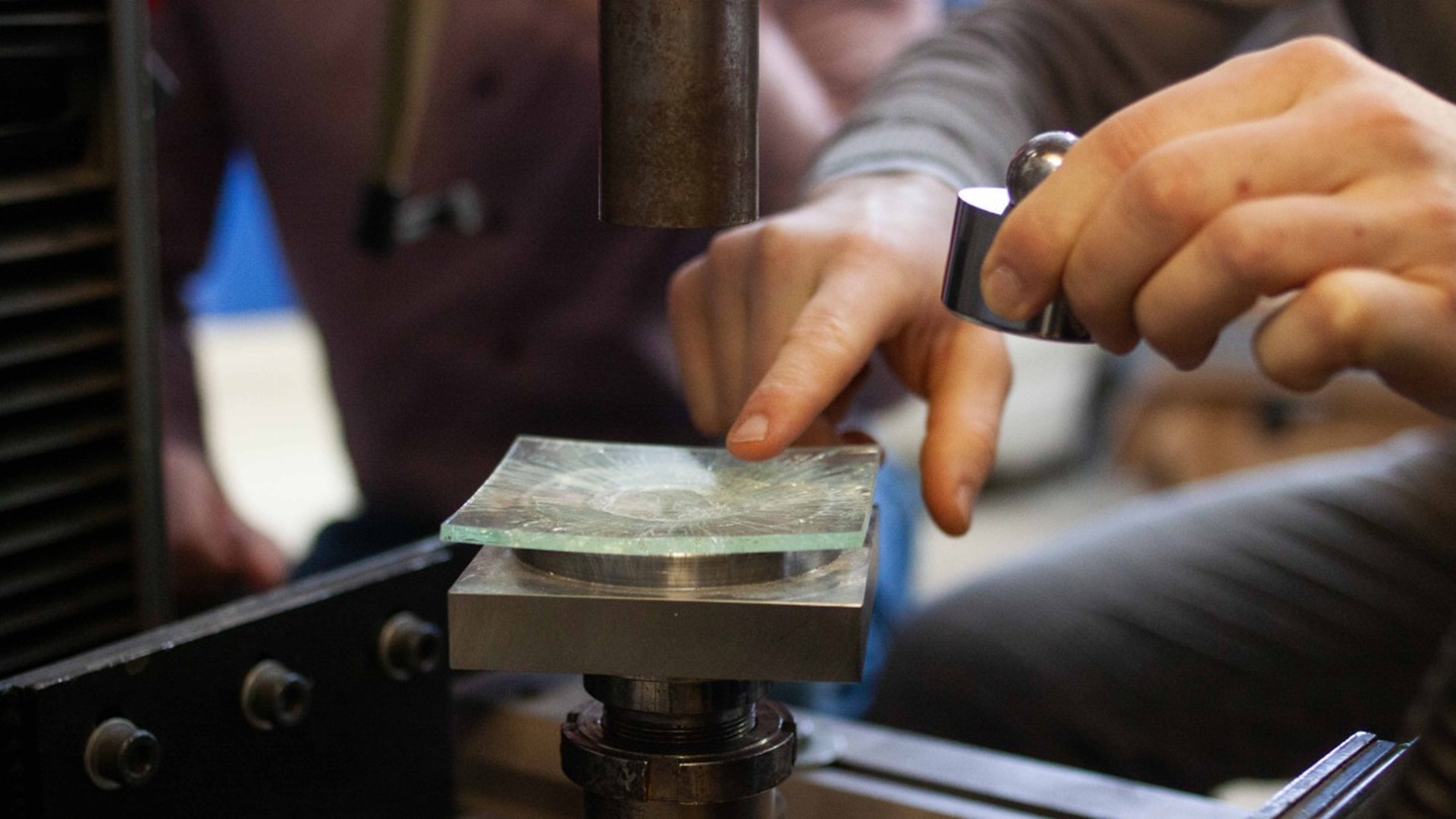
Germany discovers how to reuse old window glass without melting anything and can transform 220,000 tons per year into new high-performance panels, using material from nearly 150 million old windows that would be discarded.
-
China creates hypersonic engine that can make planes and missiles fly more than 6 times the speed of sound with less weight, more range, and without system change.

-
Mysterious object on Mars divides NASA and Harvard after Curiosity image reignites suspicions about what was really found on the planet.

-
Giant structures 14 meters beneath Egypt are revealed by satellites and expose a millennia-old secret buried in Buto.


- Fruits and vegetables need high humidity;
- Meats require lower and stable temperatures;
- Dairy products are sensitive to thermal variations;
- Prepared foods suffer from inadequate air circulation.
By operating with a single standard, the common refrigerator creates a suboptimal environment for various types of food at the same time. This results in loss of quality, reduced shelf life, and increased waste.

Smart refrigerators: sensors, thermal zones, and real-time control
The latest models introduce a completely different approach. Instead of a single thermal environment, smart refrigerators use distributed temperature sensors, independent compartment control, automatic humidity adjustment, and continuous usage monitoring.
These systems allow for the creation of internal zones with specific conditions, tailored to each type of food. In practice, the refrigerator stops being a “single cold space” and starts functioning as multiple controlled environments within a single unit.
Waste reduction: direct impact on domestic consumption
One of the main benefits of this technology is the reduction of food waste. According to estimates from FAO, a significant portion of food is lost between domestic storage and consumption. A large part of this loss is associated with:
- Early deterioration;
- Inadequate storage;
- Temperature variations;
- Excess moisture or drying out.
Smart refrigerators directly address these points by automatically adjusting internal conditions. The result is a measurable increase in the shelf life of fresh foods, especially fruits, vegetables, and meats.
More precise temperature control: a difference that does not show, but impacts
Conventional refrigerators operate with internal temperature variations that can reach several degrees between different regions. Opening the door, for example, quickly alters the internal temperature and requires time to stabilize.
Smart models use more advanced control systems, with multiple internal sensors, automatic adjustment algorithms, and rapid response to variations. This thermal stability reduces food degradation, even with frequent use.
Connectivity and monitoring: the refrigerator as part of the digital home
Another relevant differentiator is the integration with connected systems. Smart refrigerators can be controlled via apps and integrated with platforms like Google Home and Amazon Alexa.
These features allow for remote temperature adjustments, alerts for open doors, monitoring energy consumption, and tracking food expiration in more advanced models. The refrigerator stops being a passive appliance and becomes part of a digital home ecosystem.

Energy efficiency: less consumption with greater control
Technological evolution also impacts energy consumption. Modern models use inverter compressors, adaptive operation control, and sensors that prevent unnecessary cycles.
This allows for more efficient operation, reducing consumption over time. In many cases, energy savings partially offset the higher cost of the equipment.
Internal design and organization: more than aesthetic
Smart refrigerators also feature structural changes in internal design. Among the main advances are:
- Adjustable modular compartments;
- Drawers with humidity control;
- Better air circulation;
- Optimized LED lighting.
These changes are not just aesthetic. They directly influence food preservation, reducing areas of inadequate temperature and improving cold distribution.
Limitations: cost and access are still barriers
Despite the advantages, the replacement of the conventional refrigerator still faces limitations. The main factor is cost. Smart models are significantly more expensive than traditional ones, which limits large-scale adoption in the short term.
Moreover, many advanced features are still underutilized by consumers, especially those related to connectivity. The transition, therefore, occurs gradually and is concentrated in specific market segments.
Long-term trend: more automation, less intervention
The evolution of refrigerators follows a clear trend: reducing the need for human intervention. In the future, it is expected that these systems will advance to:
- Automatic identification of foods;
- Consumption suggestions based on expiration;
- Integration with shopping systems;
- Predictive adjustment of internal conditions.
The ultimate goal is to transform the refrigerator into an active food management system.
The turning point: from storage to intelligent management
The refrigerator has always been a storage appliance. With the introduction of sensors, automation, and connectivity, it begins to take on a new role: that of active food management.


This change redefines the function of the appliance within the home. It is not just about keeping food cold, but about preserving quality, reducing losses, and optimizing domestic consumption.
A new standard begins to emerge
The common refrigerator has not disappeared — but it has ceased to be the only reference. The entry of smart models into the market creates a new standard, where efficient preservation and technology go hand in hand.
With the advancement of technology and the gradual reduction of costs, the trend is for these systems to become increasingly present in Brazilian homes. And, just as with other appliances, the change will not be abrupt — but continuous, silent, and inevitable.







Seja o primeiro a reagir!