





 Portuguese
  English
  Spanish
 3 min of reading


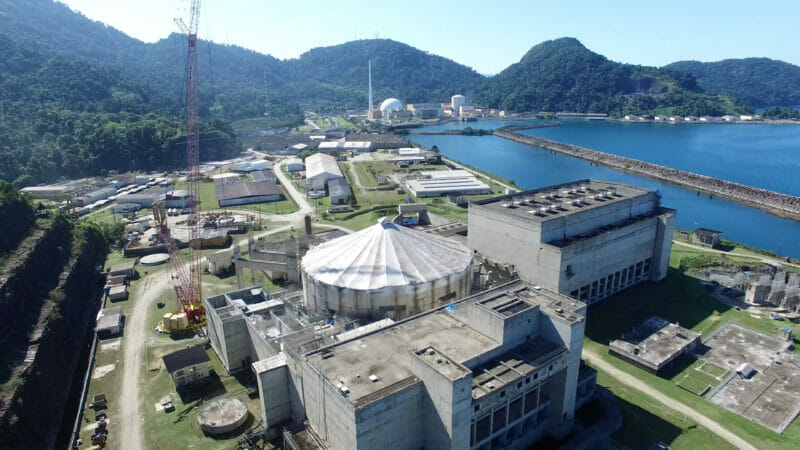
The Conclusion of the Angra 3 Nuclear Power Plant Project Still Awaits the BNDES Opinion. The Government Awaits the Bank’s Decision to Include the Project in the PAC.
This Thursday, (31/08), the Brazilian government awaits the opinion of the National Bank for Economic and Social Development (BNDES) to decide on the inclusion of the nuclear plant Angra 3 in the Growth Acceleration Program (PAC). The project, which faces uncertainties regarding private investment and completion of the works, was commissioned in 2019 and its analysis is expected to be delivered to the National Energy Policy Council (CNPE) by the end of 2023. With a history of interruptions, Angra 3 represents an estimated investment of R$ 20 billion for its completion.
BNDES Opinion Will Outline the Future of the Angra 3 Nuclear Power Plant in Rio de Janeiro
The fate of the Angra 3 nuclear power plant, located in Angra dos Reis (RJ), remains under discussion in the Brazilian electric sector.
The Government eagerly awaits the BNDES evaluation to determine the possible inclusion of the plant in the PAC.
-
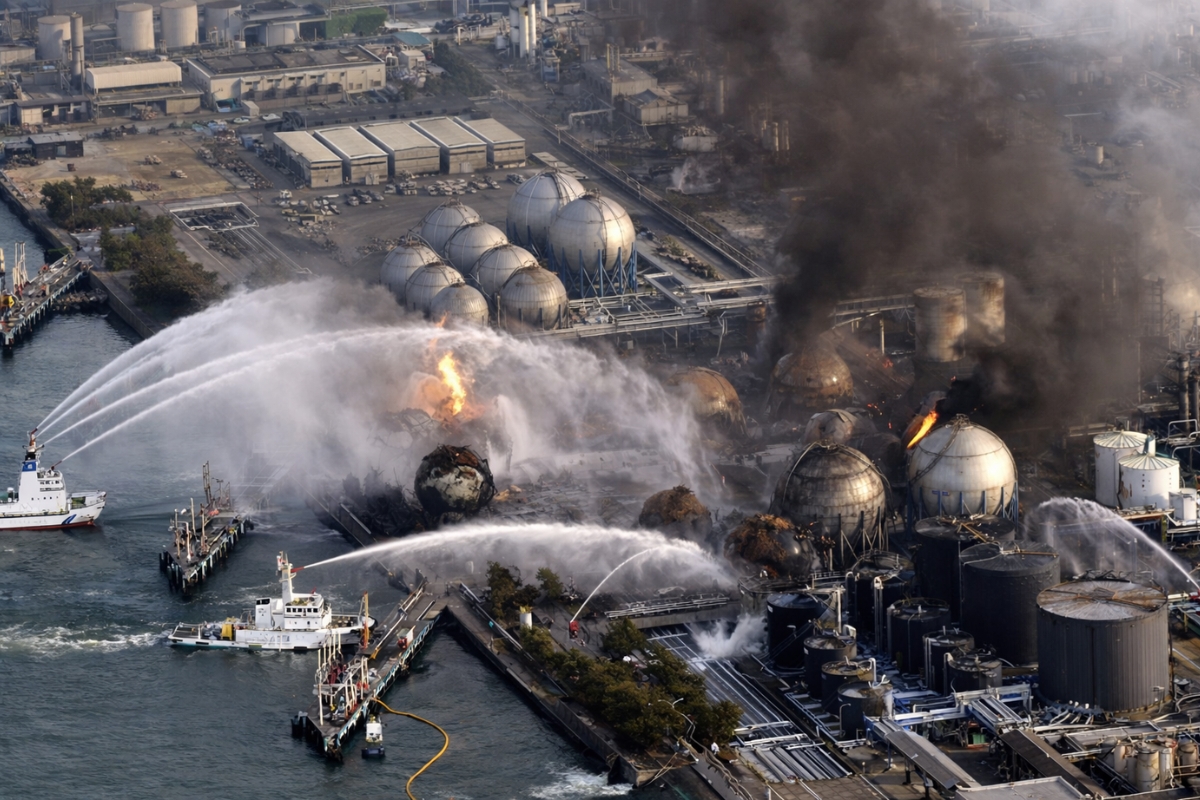
Fukushima Marks A Turning Point In Japan’s Energy Policy: After The Disaster, The Country Shut Down Its 54 Nuclear Reactors And, 15 Years Later, Only A Small Portion Have Returned To Operation
-
How Japan Overcame The Nuclear Bomb And Now Houses Millions In Hiroshima, While Ukraine Lost Chernobyl?

-
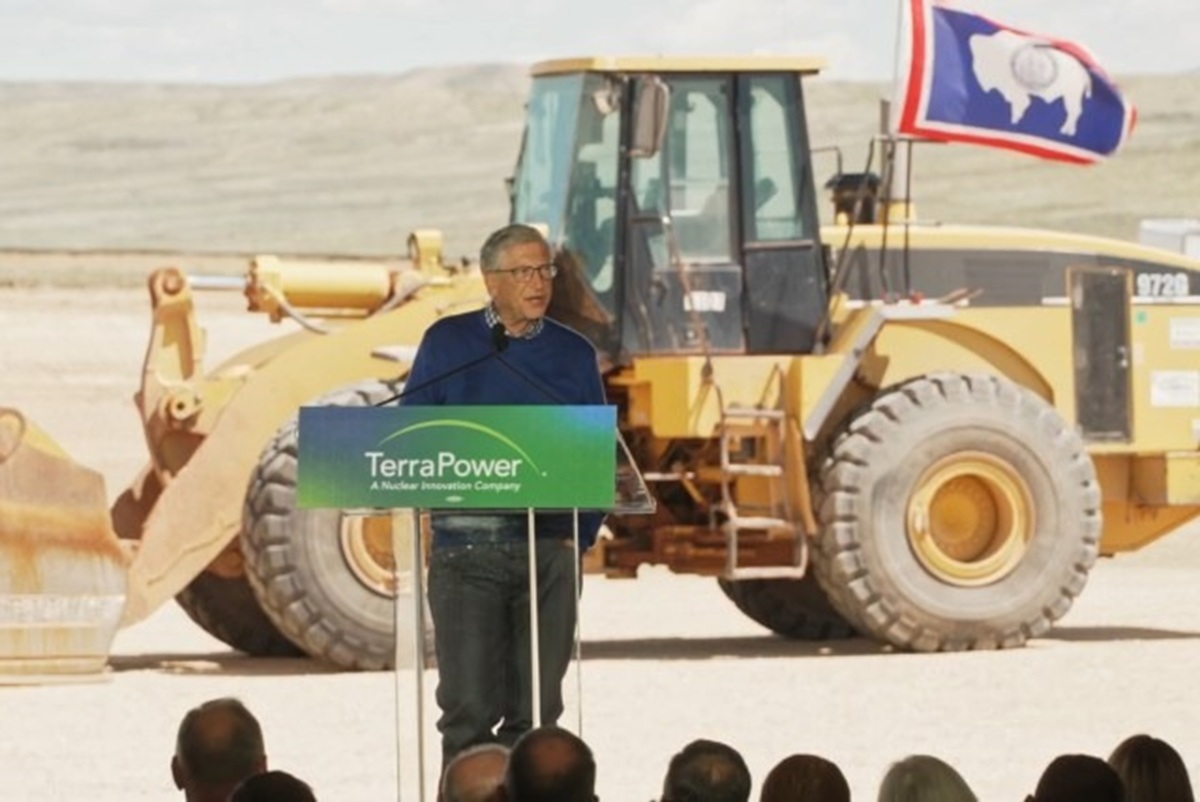
Bill Gates Receives Historic Approval to Build Giant 345 MW Nuclear Plant in the U.S. and Promises to Generate Up to 500 MW of Energy with Innovative Technology
-
India Opens Nuclear Energy to Private Capital to Accelerate Projects and Attract Billions, While Brazil Remains Stalled at Angra 3 and Discusses Who Will Foot the Bill for Completion
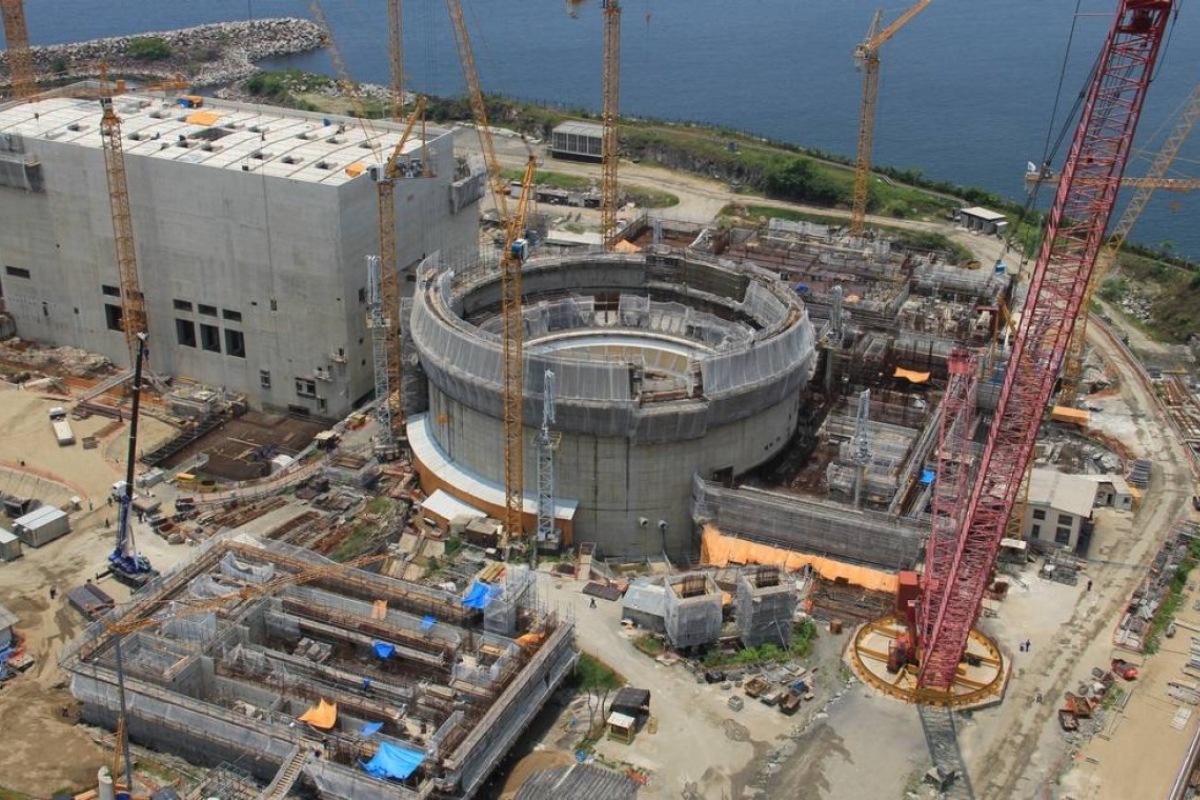
The initial announcement made in August did not address the completion of this highly relevant project.
The final decision regarding Angra 3 is linked to the review of the studies conducted by the BNDES.
The analysis addresses the necessary investments and the format for contracting the company responsible for completing the plant.
The evaluation phase is expected to occur after the studies are delivered to the CNPE, a crucial contribution for decision-making. The BNDES plans to finalize these updates by the end of 2023.
The studies in question were commissioned in 2019, during former President Jair Bolsonaro’s administration, when Angra 3 was included in the Investment Partnership Program (PPI).
In November 2022, a first version of the studies was completed by the BNDES and delivered to Eletronuclear and the Federal Audit Court (TCU).
However, this delivery occurred before the government change, adding an element of uncertainty to the process.
One of the barriers to including Angra 3 in the PAC, according to sources, is the uncertainty regarding private investment in the project.
So far, it is unclear what portion of the necessary resources to complete the plant would be provided by the private or public sector.
Moreover, the possibility that the works may extend until 2029, surpassing the current government term, may also have impacted the decision.
Angra 3 Nuclear Power Plant Completion Project Still Faces Controversies in the Market
Energy market experts have expressed their views on the conclusion of the Angra 3 project.
The director of the Ilumina Institute, Olga Simbalista, emphasizes the possibility of delays in the works, influencing the inclusion decision.
The Brazilian Association for the Development of Nuclear Activities (Abdan) has been holding meetings with various ministries, articulating discussions about the project.
Abdan highlights the importance of waiting for the results of the BNDES studies before issuing new guidelines.
Angra 3, with 65% progress on its project, is a nuclear plant with a capacity of 1.4 gigawatts (GW), a milestone in the country’s energy.
With a history spanning four decades, the project has faced interruptions, including those resulting from Operation Car Wash.
Completing the project would require an estimated investment of R$ 20 billion, in addition to the R$ 7.8 billion already allocated. Abandoning the project, on the other hand, would incur an estimated cost of R$ 13.6 billion.
In a scenario where the future of energy is central, the conclusion of Angra 3 represents a complex challenge but also a promise of significant energy capacity for Brazil.









Seja o primeiro a reagir!