





 Portuguese
  English
  Spanish
 4 min of reading


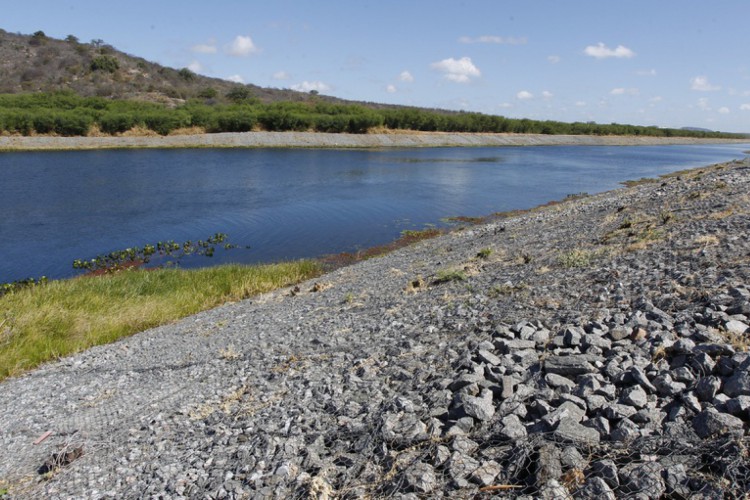
The Construction of the Salgado Branch Is Expected to Benefit 4.7 Million People in 54 Cities in the State of Ceará
During President Jair Bolsonaro’s agenda in the municipality of Russas, in the Vale do Jaguaribe, the Ministry of Regional Development (MDR) officially launched the bidding notice for the construction of the Salgado Branch, the last stretch needed to complete the works of the North Canal of the São Francisco Basin Integration Project. With a total investment of R$ 600 million, the infrastructure is expected to benefit 4.7 million people in 54 cities in the state of Ceará. Check out this news: Aeris Energy Will Invest in the Construction of a New Distribution Center in the State of Ceará
- Universities in Canada, the United Kingdom, and the U.S. Have Scholarships Available for Brazilians Who Wish to Study Abroad and Enhance Their Resumes
- On the Eve of Truck Drivers’ Strike, Federal Government Announces “Diesel Aid” Aimed at Benefiting 750,000 Truck Drivers, but It Doesn’t Please the Category
- Gasoline and Diesel Prices May Rise Further Due to Petrobras Supply Cuts
- Global Semiconductor Chip Crisis Raises Prices of Entry-Level Cars and Leaves Used Cars in Short Supply in the Brazilian Market
- RS Gains R$ 60 Million Plant with Capacity to Produce 10 Million Liters of Ethanol per Year
The Construction of the Salgado Branch
The announcement of the construction of the waterworks is part of the Jornada das Águas project, an itinerant event that started at the historic source of the São Francisco River in northern Minas Gerais and will travel across the nine states of the Northeast. With Bolsonaro’s participation, the event also includes infrastructure work deliveries, preservation and recovery of springs and waterways, sanitation, irrigation, support for the productive sector and municipalities, as well as regulatory changes that, according to the MDR, will revolutionize how Brazilians interact with water.
The head of the ministry, Rogério Marinho, who accompanied the president during the visit to Ceará, also signed a service order to begin the recovery and adaptation of the Banabuiú Dam, located in the municipality of the same name. With a federal investment of R$ 15.4 million, the construction will be carried out by the National Department of Works Against Droughts (DNOCS) and is expected to directly benefit around 20,000 people.
-
R$ 7 billion forgotten in the FGTS may finally be released after failures in the 2025 measures, while millions of workers find out they may have unclaimed money.
-
Brazil’s oil exports soar with record purchases from China, potentially generating a new cycle of economic growth, increasing external revenues, and consolidating the country as a global strategic supplier.

-
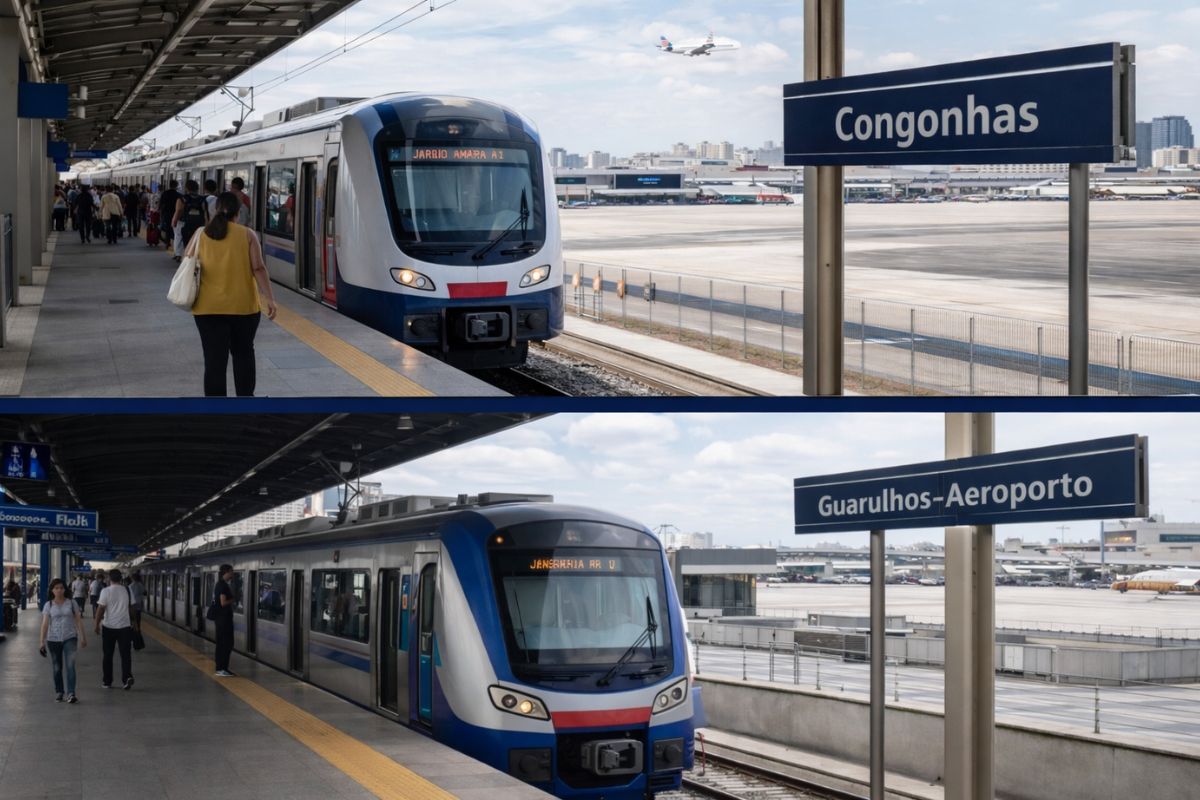
São Paulo has connected its two airports by rail for the first time in history, and now you can travel by train from Congonhas to Guarulhos for just R$ 5.40. However, the journey requires four transfers, takes about two hours, and only operates during a narrow time window that almost no one can use.
-
The savings of Brazilians are depleting: savings accounts recorded the third consecutive month of withdrawals, with over R$ 41 billion taken out in the first quarter of 2026, the largest outflow in an entire year.

More Details About the Project
With federal investments of R$ 600 million, the construction of the Salgado Branch will benefit 4.7 million people in 54 cities in Ceará. Crucial for the region’s water security, the infrastructure has a length of 34.3 kilometers and will be responsible for transporting water from the Apodi Branch in Paraíba to the Salgado Riverbed, increasing the water delivery capacity to Ceará. A control structure, 13 segments of canal, three aqueducts, one siphon, eight rapids, and one tunnel will be constructed.
The waters of the Salgado Branch will supply the cities of Ceará: Acarape, Aquiraz, Aracati, Aracoiaba, Aratuba, Baixio, Barreira, Baturité, Beberibe, Capistrano, Cascavel, Caucaia, Cedro, Chorozinho, Eusébio, Fortaleza, Fortim, Granjeiro, Guaiúba, Guaramiranga, Horizonte, Ibaretama, Ibicuitinga, Jaguaribe, Icó, Ipaumirim, Itaiçaba, Itaitinga, Itapiúna, Jaguaretama, Jaguaribara, Jaguaribe, Jaguaruana, Lavras da Mangabeira, Limoeiro do Norte, Maracanaú, Maranguape, Morada Nova, Mulungu, Ocara, Pacajus, Pacatuba, Pacoti, Palhano, Palmácia, Pereiro, Pindoretama, Quixeré, Redenção, Russas, São Gonçalo do Amarante, São João do Jaguaribe, Tabuleiro do Norte, Umari, and Várzea Alegre.
Also See: The State of Ceará Maintains Negotiations for the Construction of 16 Green Hydrogen Plants
Ceará is advancing in attracting investments to explore the energy potential of green hydrogen in the state. During the International Green Hydrogen Seminar on the morning of Thursday, October 14, it was revealed that the negotiations involve the construction of 16 green hydrogen plants in the state.
In addition to the nine with signed protocols, the Ceará government expects to close contracts with two more companies by the end of October and is negotiating the implementation of another four plants. The information was revealed by Maia Jr., head of the Secretariat for Economic Development and Labor in Ceará.
The government representative further highlighted that the governor, Camilo Santana, will sign today, October 15, the tenth memorandum of understanding between the state and the private sector for the construction of green hydrogen plants in Ceará. “The governor will sign two more by the end of the month during a planned trip abroad, and there are four more projects under negotiation,” he added.








Seja o primeiro a reagir!