





 Portuguese
  English
  Spanish
  4 min of reading
  163 comments


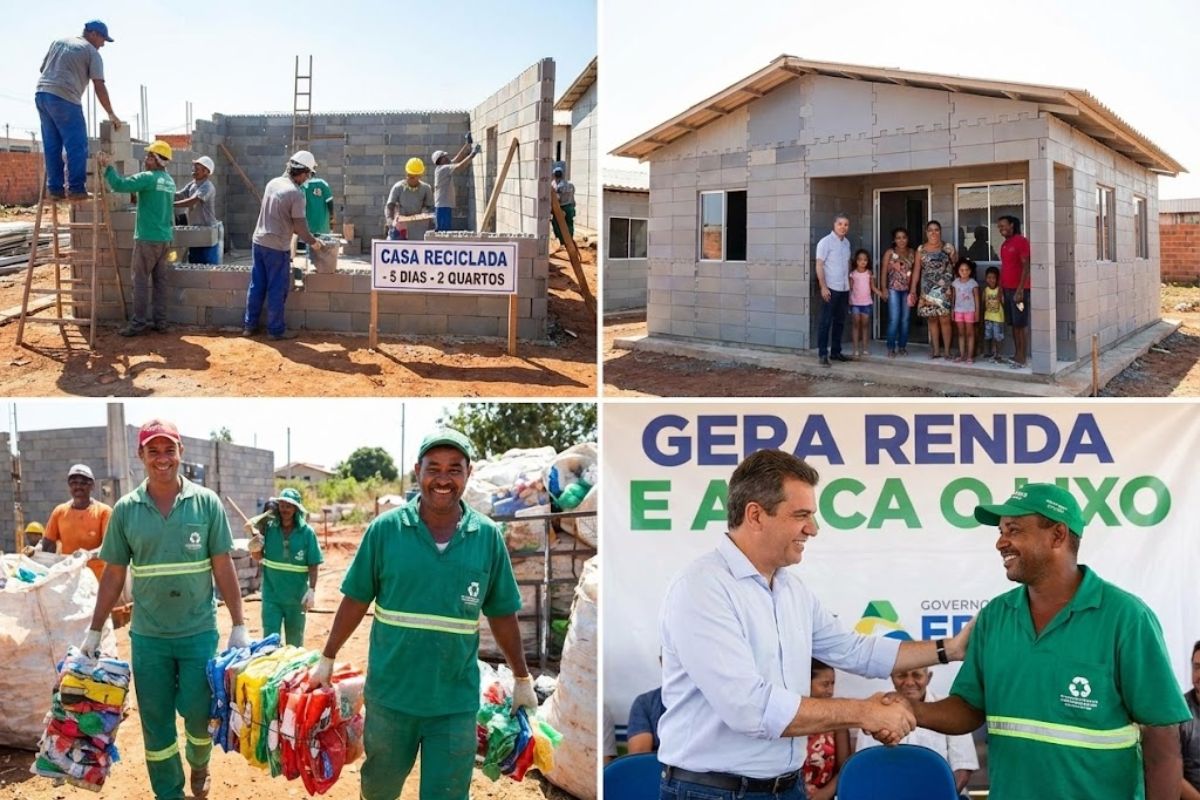


The Government of Amazonas Bets on Recycled Plastic Houses of 50 Square Meters, with Two Bedrooms, Living Room, Kitchen, and Bathroom, Assembled with Interlocking Blocks in Up to Five Days, Tackling Urban Waste, Housing Deficit, and Generating Income for Local Recyclers through Recycling Cooperatives Linked to the New State Environmental Center.
The Government of Amazonas launched a housing project in Manaus that uses recycled plastic as raw material to build 50-square-meter houses in up to five days, with two bedrooms, living room, kitchen, and bathroom assembled from interlocking blocks. The proposal is to combine construction speed, waste reduction, and thermal comfort adapted to the hot and humid climate of the Amazon region.
Presented during the inauguration of the Civil Defense Recycling Center, the initiative is part of the Amazonas Ecolar Project, which connects housing policies and the circular economy. According to the Government, the model aims to simultaneously tackle the housing deficit and the irregular disposal of plastic, taking advantage of better utilizing a waste that often needed to be sent to other states for recycling.
Recycled Plastic Houses in Up to Five Days

The homes will have 50 square meters and follow a simple layout aimed at low-income families: two bedrooms, living room, kitchen, and bathroom.
-
Video: Retiree builds 26-meter Roman castle in his backyard with pieces from dozens of countries, ornamental grates from Libya, and a dragon made of recycled metal.

-
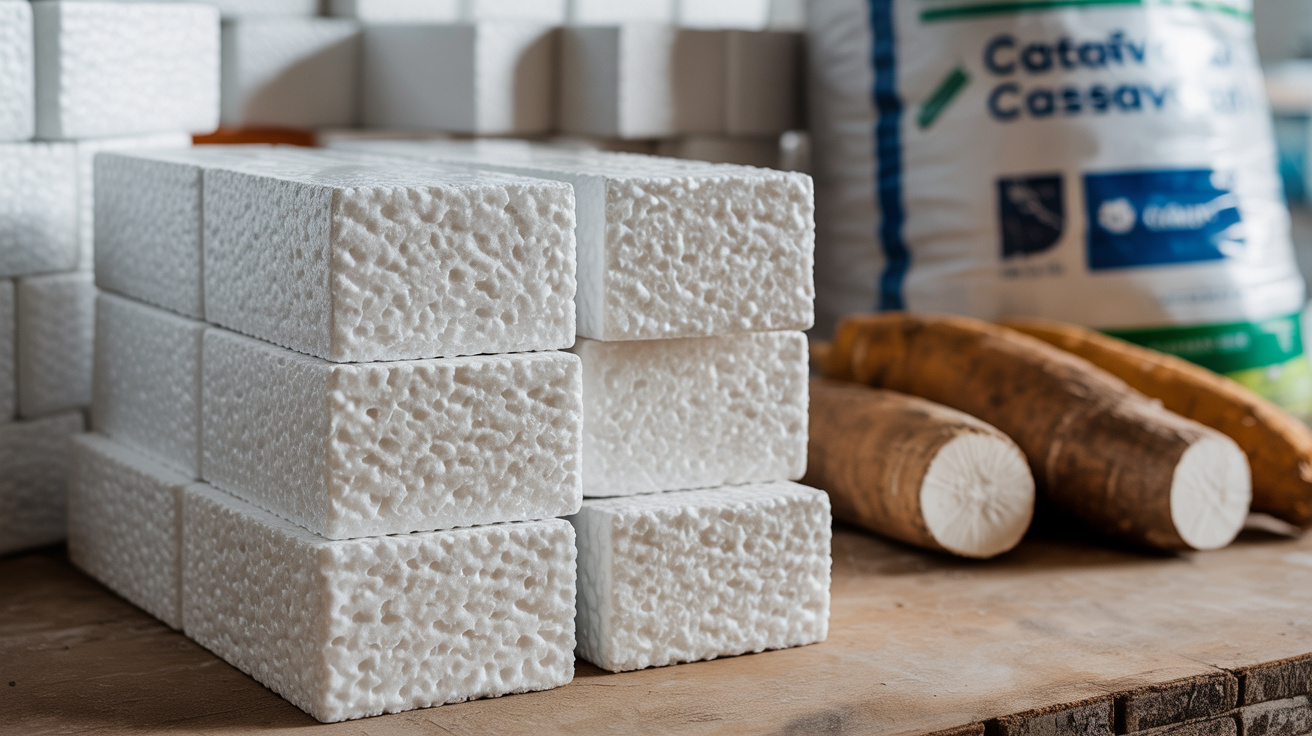
Bricks made with recycled Styrofoam and cassava glue cost R$ 0.40 and insulate walls, reducing internal temperature by 6°C using a technique that produces 50 units with just one 50 kg bag of cement.
-
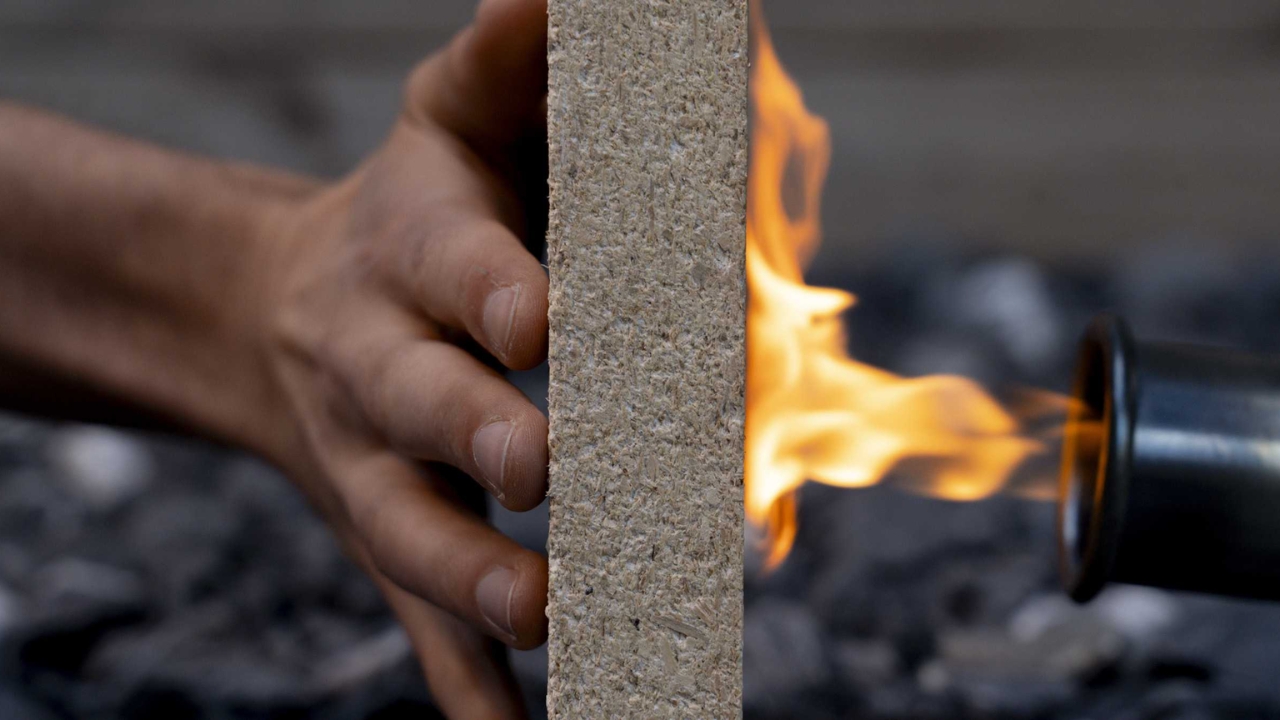
Scientists transform sawdust into fire-resistant panels, stabilize the compound with an enzyme extracted from watermelon seeds, and turn waste into promising material for construction.
-
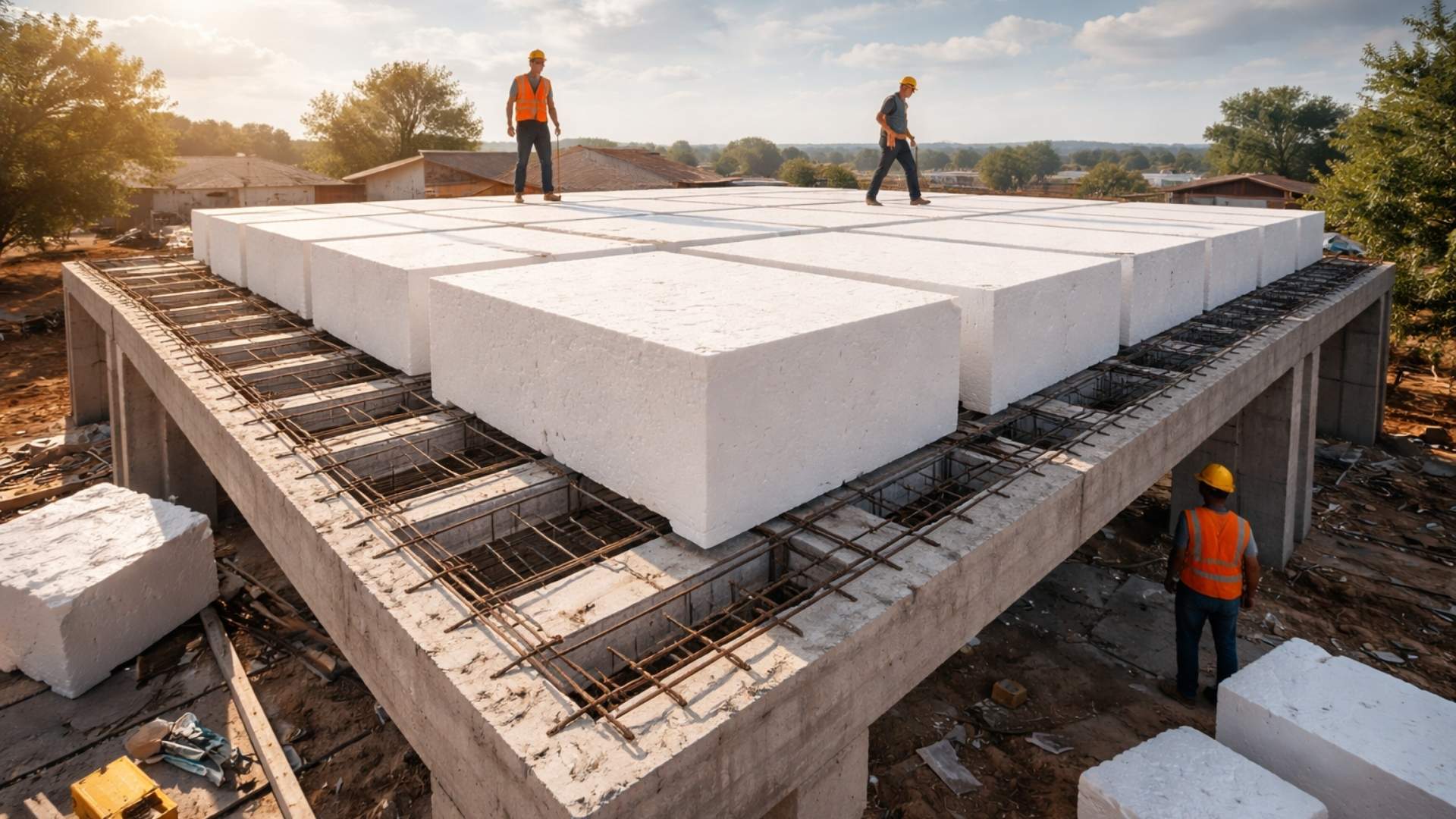
Forget concrete: architects are replacing tons of concrete with giant blocks of expanded polystyrene to build the roofs of houses and reduce structural weight by up to 50%, cut costs, improve thermal insulation, and speed up construction.

The entire structure will be assembled with interlocking blocks made from recycled plastic, eliminating several traditional stages of civil construction and shortening the construction time to up to five days.
The Government highlights that the recycled plastic blocks were developed to offer resistance, durability, and thermal comfort compatible with the climate of the Amazon.
In addition to reducing the use of bricks, cement, and other conventional materials, the modular system facilitates future adaptations of the houses, should families wish to invest in new rooms or adjustments to the original layout.
Recycling Center Boosts Circular Economy
The plastic that will be used to produce the blocks will be processed at the Civil Defense Recycling Center, recently inaugurated in Manaus.
With an initial capacity to process up to 80 tons of waste per month, the space will focus on reusing part of the plastic waste that was previously sent to other states.
By concentrating recycling in Amazonas itself, the Government aims to reduce logistical costs, stimulate the local waste treatment chain, and provide a more efficient destination for urban plastic.
It is expected that the processed volume will grow as more cooperatives and associations of recyclers begin to supply raw material to the center, creating a continuous flow of plastic for the production of new houses.
Income Generation for Recyclers and Social Inclusion
One of the pillars of the project is the partnership with cooperatives and associations of recyclers, responsible for supplying the plastic that will be transformed into building blocks.
By creating a continuous demand for this material, the Government seeks to strengthen the income of recyclers and expand social inclusion for those who depend on the collection of recyclables.
Before the creation of the Recycling Center, a significant portion of the plastic waste collected in the state had to be sent to other regions of the country, which increased costs and hindered local reuse.
Now, the goal is for this material to return to society in the form of affordable houses, schools, and other public facilities, driving a productive chain that goes from waste collection to the construction site.
Technology Also for Schools and Public Buildings
In addition to the homes, the Government informed that the same construction system using recycled plastic blocks could be applied in schools, community centers, and other public buildings.
The idea is for sustainable technology to be incorporated into different areas of administration, reducing environmental impacts and operational costs over the years.
If scaled, the model could become a showcase of sustainable construction for other states, demonstrating how housing policies can be combined with waste recycling and income generation.
The challenge will be to ensure scalability, maintenance of the structures and quality monitoring of construction in municipalities far from the capital, without losing focus on the most vulnerable population.
And you, would you support the Government bringing houses and schools made of recycled plastic to your city as an alternative to reduce waste and housing deficit?







Quando preciso pedir delivery e sou avisada que a entrega é pelo ifood, aviso que uso muletas e fica difícil descer pois moro sozinha, houve ocasiões que concordaram da entrega vir até meu ap, aí, dou gorjeta, caso recusem a entrega na minha porta ( geralmente de mau humor), cancelo o pedido!
Sensacional!!
Claro que sim. Seria ótimo. Gostaria de ter a oportunidade de ter uma na minha região.