





 Portuguese
  English
  Spanish
  2 min of reading
  0 comments


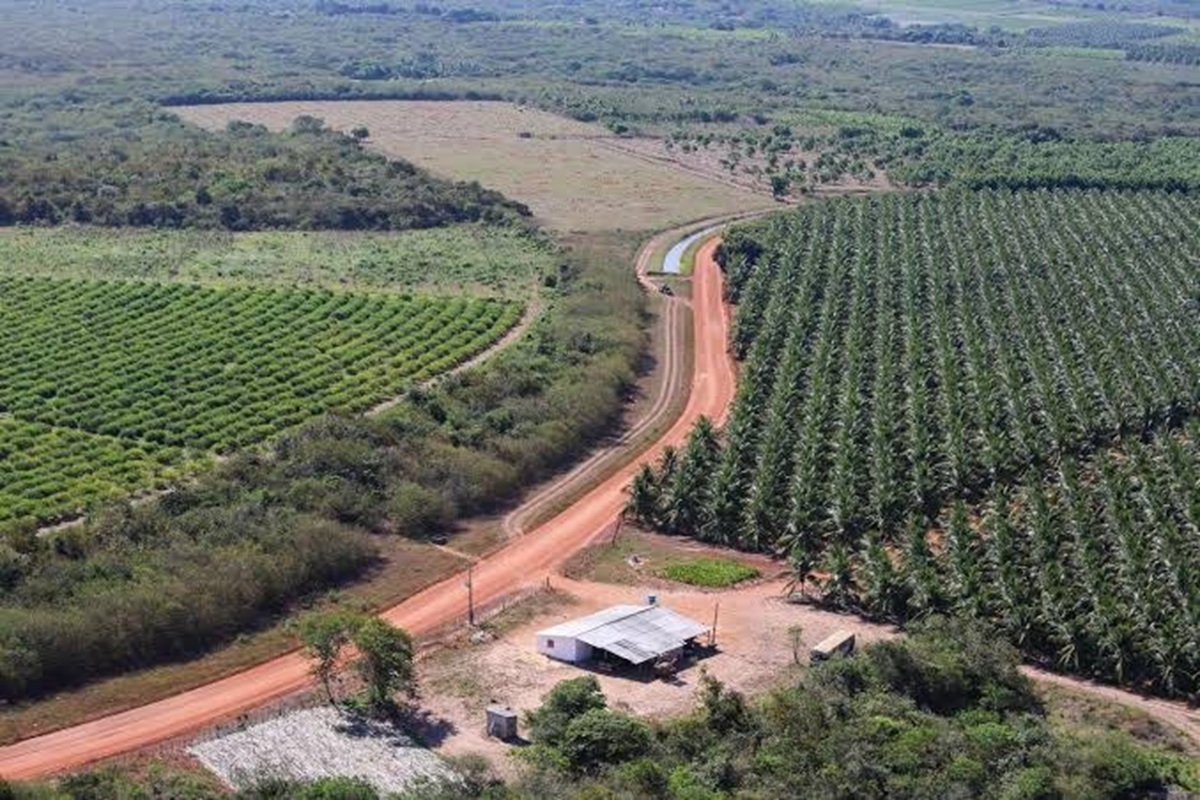
Ordinance Establishes the National Sustainable Irrigation Program for Family Agriculture, Focused on Efficient Technologies, Renewable Energy, and Actions to Increase Productivity and Environmental Preservation
An ordinance published this Wednesday (11/19) established the National Sustainable Irrigation Program for Family Agriculture, known as Pronisaf. The objective is to promote the efficient use of water resources and improve the living conditions of family farmers.
The measure was signed by the ministries of Agrarian Development, Integration and Regional Development, Mines and Energy, and Development and Social Assistance, Family, and Fight Against Hunger.
Proposals of Pronisaf
The program aims to encourage low environmental impact and high efficiency irrigation technologies, associated with the use of renewable energy and agroecological management methods.
-
BNDES releases R$ 129 million for CNH Industrial Brazil to create more modern agricultural machines, with eight projects that include harvesters, accessible tractors, and a planter capable of applying seeds, fertilizers, and inoculants all at once in the Brazilian field.

-
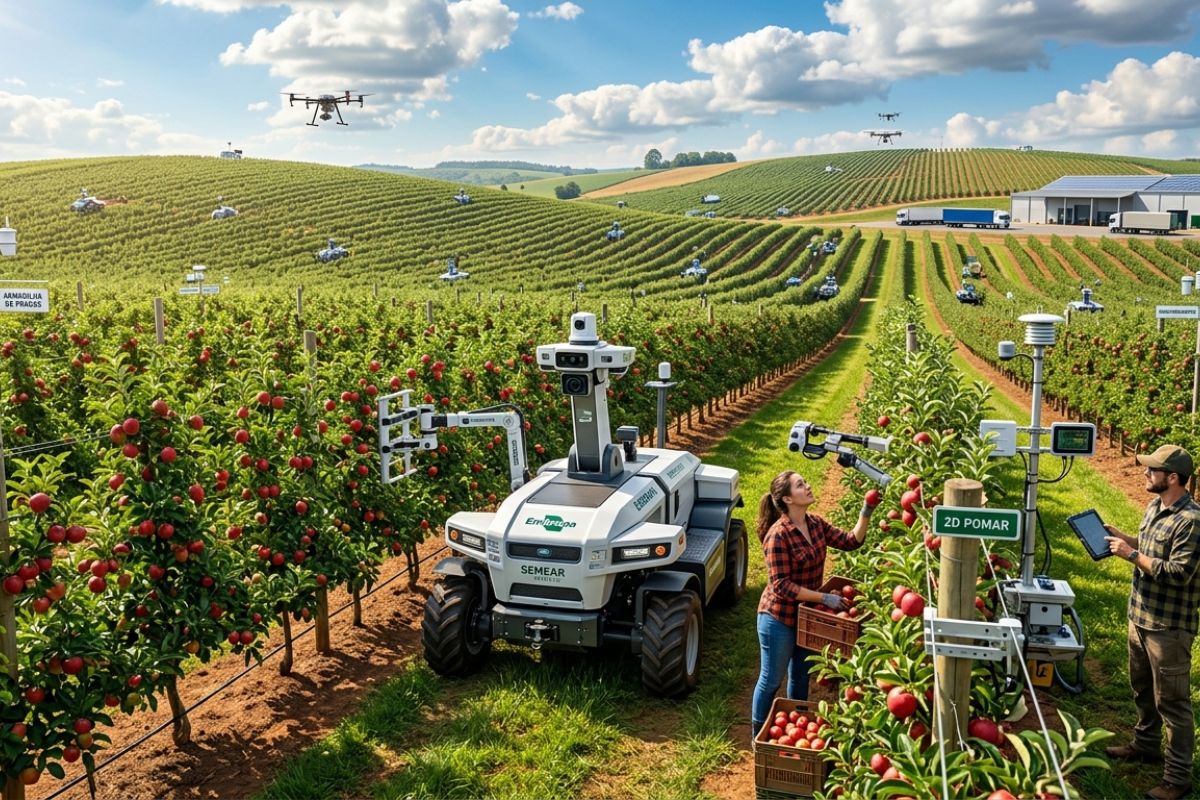
From manual harvesting to robotics: Vacaria, the apple capital, becomes an Embrapa laboratory in Semear Digital, with point-to-point mapping, pest traps, traceability, and 2D orchards to combat labor shortages.
-
In 2026, Brazilian soy becomes airplane fuel: Corsia mandates SAF, oil gains a premium of 40% to 80%, biorefineries alongside crushing plants and long-term contracts remove the producer from the commodity discount.

-
Brazilian agribusiness advances in four countries at the same time, gains space to sell fruits to Cuba, and opens shipments of meat, seeds, and feed to new markets.

The initiative seeks to strengthen the rational use of water and empower family agriculture for conscious management practices of water resources. The intention is to contribute to the production of healthy food, environmental preservation, and increased agricultural productivity, in addition to involving traditional peoples and communities and land reform beneficiaries.
Guidelines and Priorities
According to the federal government, the program intends to integrate soil and water conservation practices with the diversification of water collection sources. One of the guidelines is to provide tools for access to credit and financing for the acquisition of technologies aimed at sustainable irrigation, in addition to promoting the use of renewable energy, such as solar, to power irrigation systems.
Pronisaf will prioritize family farmers with inefficient or non-existent irrigation systems, who produce on agroecological bases or are in agroecological transition, who are in areas with water scarcity, or who are organized in associations.
Implementation and Expected Impacts
Implementation will occur through agreements and partnership instruments signed by the involved ministries, states, municipalities, and civil society entities.
The expectation is that the program will contribute to increasing the productivity of family agriculture, generating income in rural areas, and reducing regional inequalities, as stated by the government.










Seja o primeiro a reagir!