






 Portuguese
  Spanish


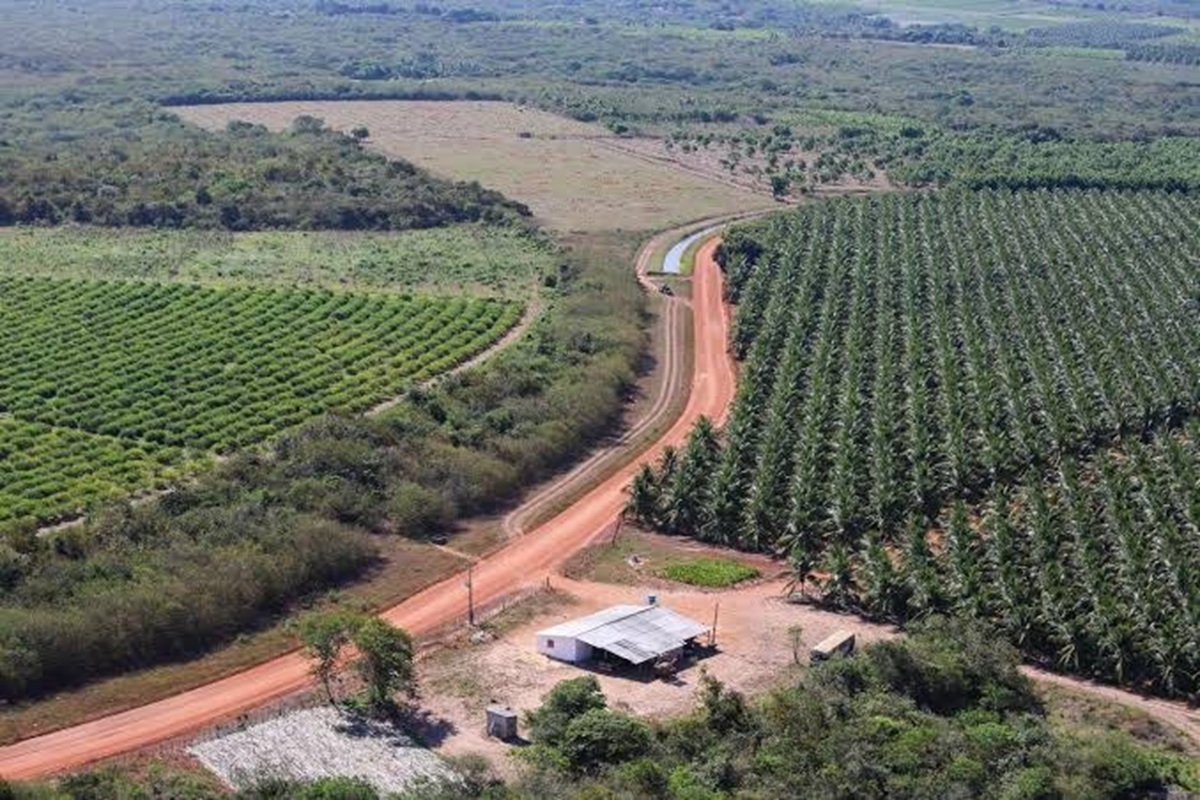
Ordinance Establishes the National Sustainable Irrigation Program for Family Agriculture, Focused on Efficient Technologies, Renewable Energy, and Actions to Increase Productivity and Environmental Preservation
An ordinance published this Wednesday (11/19) established the National Sustainable Irrigation Program for Family Agriculture, known as Pronisaf. The objective is to promote the efficient use of water resources and improve the living conditions of family farmers.
The measure was signed by the ministries of Agrarian Development, Integration and Regional Development, Mines and Energy, and Development and Social Assistance, Family, and Fight Against Hunger.
Proposals of Pronisaf
The program aims to encourage low environmental impact and high efficiency irrigation technologies, associated with the use of renewable energy and agroecological management methods.
-
India’s Sugar Export Cuts and Ethanol Shift Amid El Niño Threat Could Impact Global Prices and Stocks

-
Quarantine Pest Threatening Palm Trees Puts Brazilian Authorities on Alert, Prompts Monitoring at University of Taubaté and Potential Control Measures Across São Paulo
-
Global Alert: Report Finds 159 Pesticides in Coffee Beans Sold in Europe, Posing Serious Risks to Millions of Farm Workers
-
Low-Demand Brazilian Beef Offal Gains Popularity Abroad: Indonesia Purchases $19.5 Million, Boosting Revenue and Reducing Waste



The initiative seeks to strengthen the rational use of water and empower family agriculture for conscious management practices of water resources. The intention is to contribute to the production of healthy food, environmental preservation, and increased agricultural productivity, in addition to involving traditional peoples and communities and land reform beneficiaries.
Guidelines and Priorities
According to the federal government, the program intends to integrate soil and water conservation practices with the diversification of water collection sources. One of the guidelines is to provide tools for access to credit and financing for the acquisition of technologies aimed at sustainable irrigation, in addition to promoting the use of renewable energy, such as solar, to power irrigation systems.
Pronisaf will prioritize family farmers with inefficient or non-existent irrigation systems, who produce on agroecological bases or are in agroecological transition, who are in areas with water scarcity, or who are organized in associations.
Implementation and Expected Impacts
Implementation will occur through agreements and partnership instruments signed by the involved ministries, states, municipalities, and civil society entities.
The expectation is that the program will contribute to increasing the productivity of family agriculture, generating income in rural areas, and reducing regional inequalities, as stated by the government.








Be the first to react!