





 Portuguese
  English
  Spanish
  4 min of reading
  0 comments


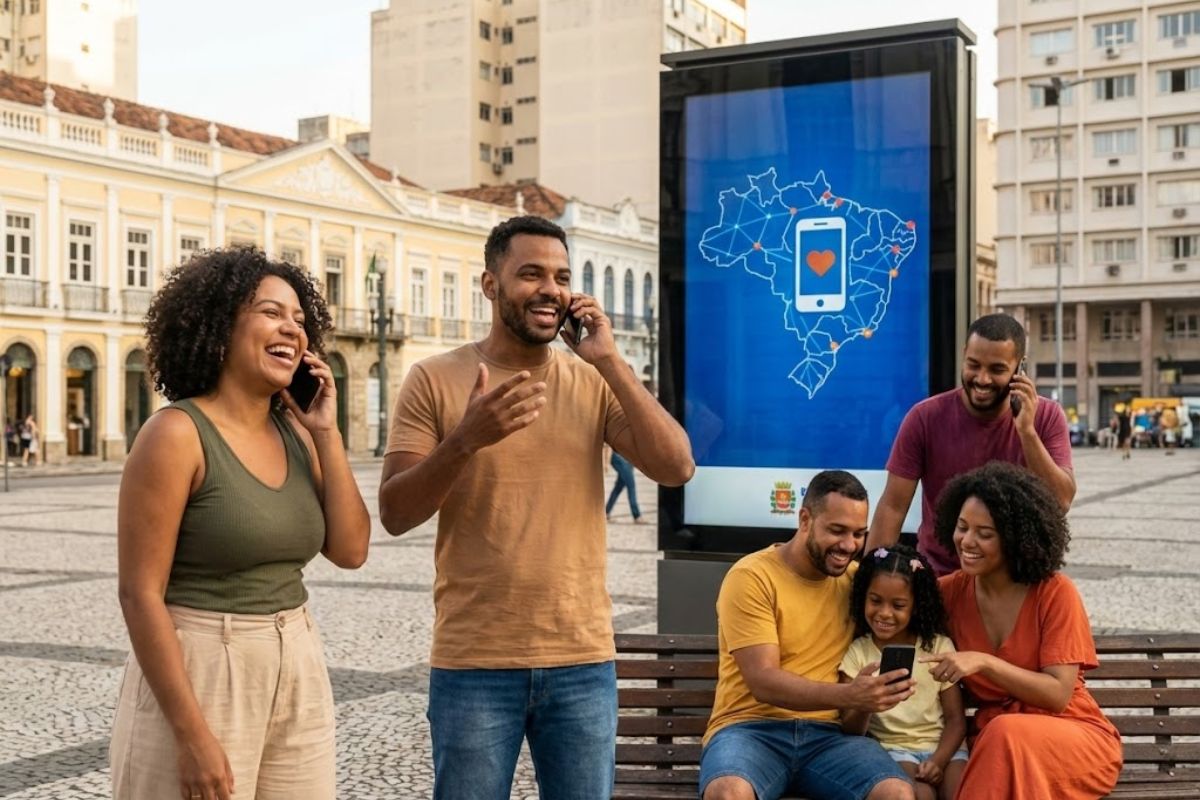
With Fixed Telephony Under New Standardization, Anatel Decided That Calls Between Municipalities With The Same Area Code Will Be Charged As Local Calls, Eliminating Long-Distance Calls Within The Same State. Resolution 768 Of 2024 Reduces Tariff Areas From 4,118 To 67 And Initiates Implementation On January 11, 2026 Gradually.
Brazilian citizens who still use fixed telephony will feel the change in their wallets starting in 2026: Anatel has determined that calls between cities with the same area code will no longer be long-distance and will have a local call rate, reducing the charging that used to affect even neighboring municipalities.
In practice, fixed telephony will function like mobile telephony in this regard. If the origin and destination have the same area code, there will be no need to dial the carrier code or the area code; just enter the phone number. The cited example is Bahia: Catu and Saubara will be able to call Salvador, all with area code 71, paying as a local call.
What Changes In The Charging Between Cities With The Same Area Code
The central rule of fixed telephony is straightforward: calls between municipalities that share the same area code will be classified as local calls.
-
IPTU exemption for seniors in 2026: see how to secure the benefit.

-
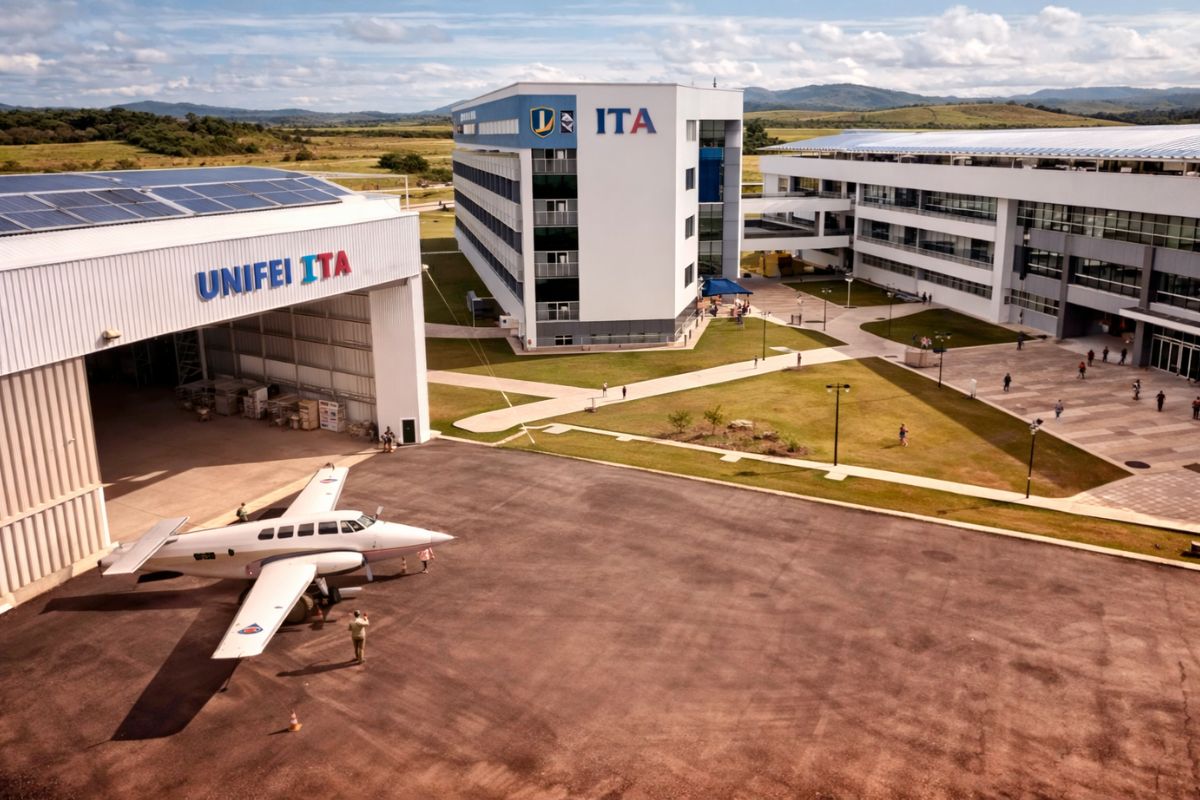
The institute that trained the greatest aerospace engineers in Brazil has just opened its first campus outside São Paulo after 75 years: ITA Ceará will have R$ 445 million, new courses in energy and systems, and classes are expected to start in 2027.
-
Luciano Hang, owner of Havan, goes to Juiz de Fora after the tragedy in February, brings R$ 1 million, hands out R$ 2,000 cards, and donates up to R$ 15,000 to victims in the region.

-
The Brazilian passport allows legal residence in dozens of countries without the need for a prior visa, and most Brazilians are unaware that they can apply for residency directly upon arriving in nations in South America, Africa, and even Europe.


Today, the charge may be long-distance even within the same state, because neighboring municipalities may be in different tariff areas.
With Anatel’s decision, the logic of tariff areas ceases to be the main filter to define pricing in these situations. The area code becomes the distinction: same area code, local call.
Simpler Dialing For Those Who Use Fixed Telephony
In addition to price, Anatel points out a change in usage.
In fixed telephony, if the originating phone and the destination phone have the same area code, the user will not need to dial a carrier code or area code, only the phone number, as is already done in mobile telephony.
This adjustment reduces one of the historical confusions of fixed telephony, as the mix of tariff areas and dialing rules generated surprises on bills.
The stated goal is more transparency for the consumer.
Resolution 768 Of 2024 And The Cut Of Tariff Areas In The Country
The reformulation was established by Resolution 768 of 2024.
The most visible effect is the reduction in the number of tariff areas in fixed telephony: Brazil has 4,118 tariff areas, and with the new rule, the total drops to 67, coinciding exactly with the area code numbers.
These tariff areas were defined at the time of the analog system, when calls depended on the physical reach of the telephone exchanges.
Even after the digitization and privatization of the sector, the tariff areas were maintained primarily for tariff reasons.
Bahia As An Example Of The Impact On Fixed Telephony
Bahia illustrates the change. Today, the state has 384 distinct local areas within fixed telephony.
Starting in 2026, it will have only five areas corresponding to area codes 71, 73, 74, 75, and 77.
This means that cities sharing the same area code will be able to communicate as if they were in the same local area, paying a local call rate.
The cited example includes Catu, Saubara, and Salvador, all in area code 71, within the same fixed telephony scope.
Gradual Implementation Schedule Throughout 2026
Anatel has defined a gradual implementation schedule in nine phases, between January and June 2026. The change starts on January 11 with Bahia and Sergipe and ends on June 21 with São Paulo.
January 11: Bahia and Sergipe
February 1: Amazonas, Amapá, Maranhão, Pará, and Roraima
February 22: Alagoas, Ceará, Paraíba, Pernambuco, Piauí, and Rio Grande do Norte
March 15: Rio Grande do Sul
March 29: Paraná and Santa Catarina
April 19: Minas Gerais
May 10: Rio de Janeiro and Espírito Santo
May 31: Acre, Federal District, Goiás, Mato Grosso do Sul, Mato Grosso, Rondônia, and Tocantins
June 21: São Paulo
What To Observe In The Bill And Dialing Method
For those who rely on fixed telephony, the practical guidance is to monitor the transition of the schedule in your state and check if calls within the same area code start to appear as local calls.
If there is a discrepancy, it’s worth noting dates, dialed numbers, and the form of charging for contestation.
Test a call between cities in your area code after the expected date for your state and compare the bill.
Have you checked which cities in your area code will become local calls on your fixed telephony bill?









-

Uma pessoa reagiu a isso.