





 English
  Francês
  Alemão
  Italiano
  Japonês
  Norueguês
  Portuguese
  Spanish
  4 min of reading


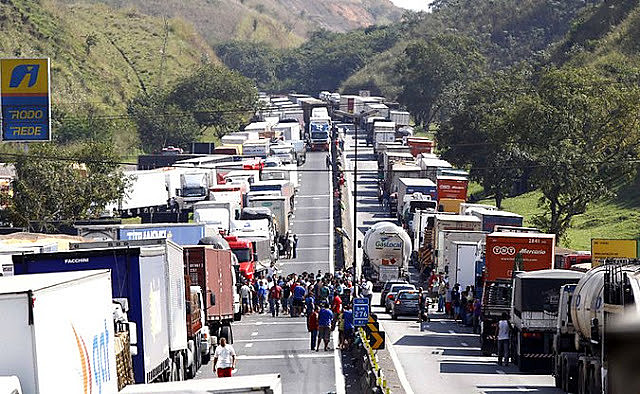
Truck Drivers Prepare Strike Against The Constant Surge in Gasoline and Diesel Prices at Fuel Stations Practiced by Petrobras
As we anticipated, next Sunday (25), Driver’s Day, a strike by truck drivers is expected. The category claims to be dissatisfied with unfulfilled promises by President Jair Bolsonaro, and the rising diesel prices have also caused discontent.
Read Also
- Diesel Prices Surge and Register Over R$ 5 This Semester, The Highest Value of The Year!
- Rise in Gasoline, Diesel, Ethanol, and Rubber Prices Hits Consumers Hard, Whether at Fuel Stations or Shelves, Prompting Warnings Among Transport Companies
- Diesel, Gasoline, and LPG Prices Surge Again, Affecting Truck Drivers and Millions of Brazilians Suffering Due to Disproportionate Increases Relative to Current Income
- Brand Loyalty at Fuel Stations Will End and Fuel Delivery Sales Will Be Allowed; Measure Promises to Lower Gasoline Prices by Stimulating Competition
- Gasoline Price Shoots Up Again, Ethanol Confirms Significant Increase at the Mill, GNV Hits Record R$ 5 at Fuel Stations, and Consumers Have Nowhere to Turn
- Former Renault Chief Demanded His Team to Copy Volkswagen’s Diesel Engine Fraud, the World’s Largest Vehicle Manufacturer, to Bypass Emission Results
- Oil, Uranium, Copper, and Aluminum Prices Could Experience Global Surge Due to The ‘Green Economy’
- Ethanol Prices Surge and Reach Almost R$ 7 at Fuel Stations; Reduction Promises to Arrive in The Coming Weeks to Alleviate Consumers’ Burden
- Gasoline, Ethanol, and Diesel Prices Continue to Rise, Deputies Refuse to Change ICMS Amid Surges in Fuel Prices, and Petrobras ‘Bears the Brunt’
The President of the National Council for Road Cargo Transport (CNTRC), Plínio Dias, stated that the mobilization begins on the 25th and that participation may grow on Monday and the following days. In total, he claims to have sent 387 letters to the government with the category’s demands.
One of them is the request for the end of Petrobras’ International Pricing Policy, which regulates the price of fuel according to the global market. Another is the end of the exemption of PIS/Cofins on diesel.
-
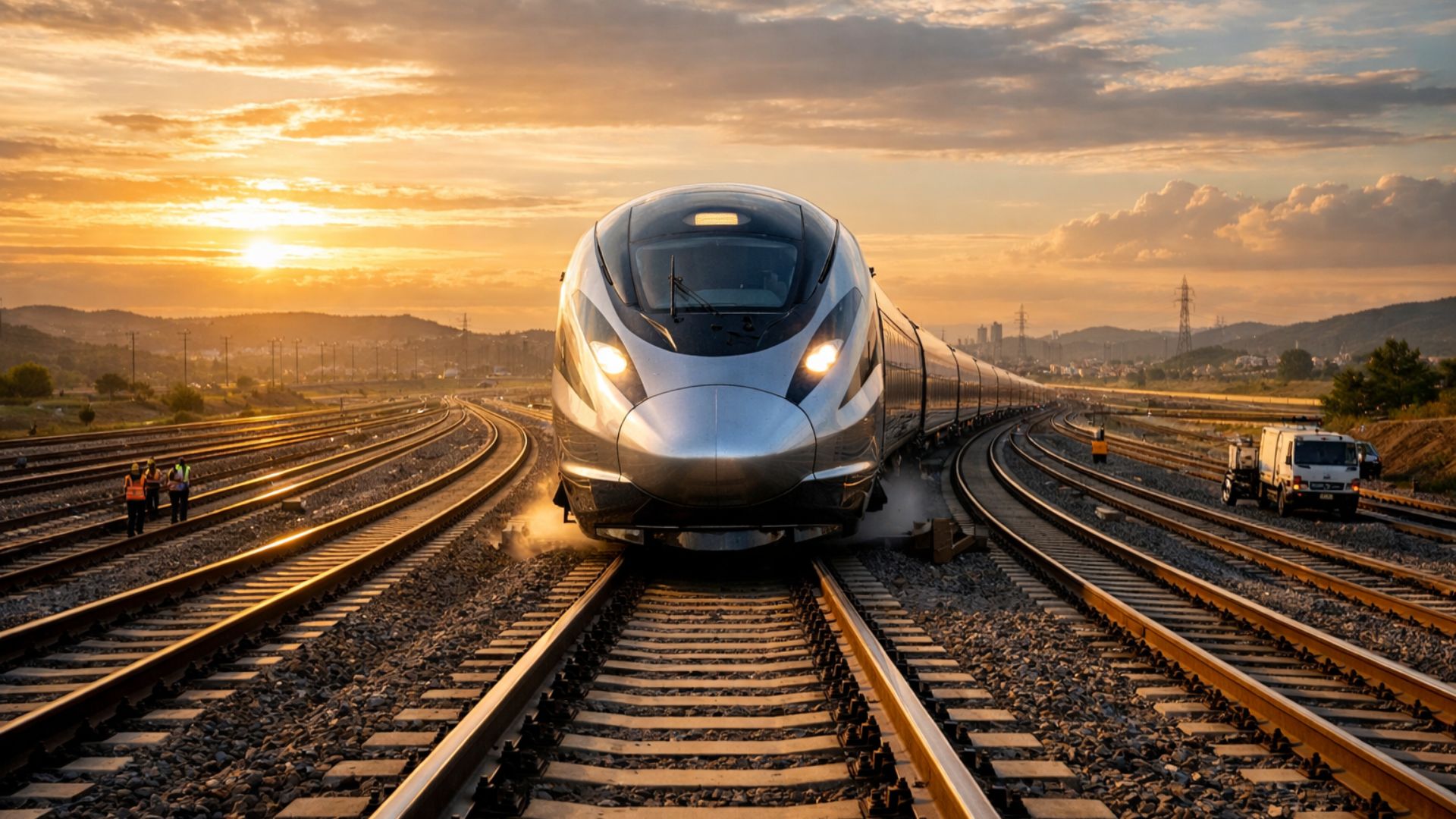
São Paulo surprises the world with a colossal railway network project that promises over 1,000 km of tracks, R$ 194 billion in investments, and 40 projects connecting the capital to the interior with fast and sustainable trains.
-
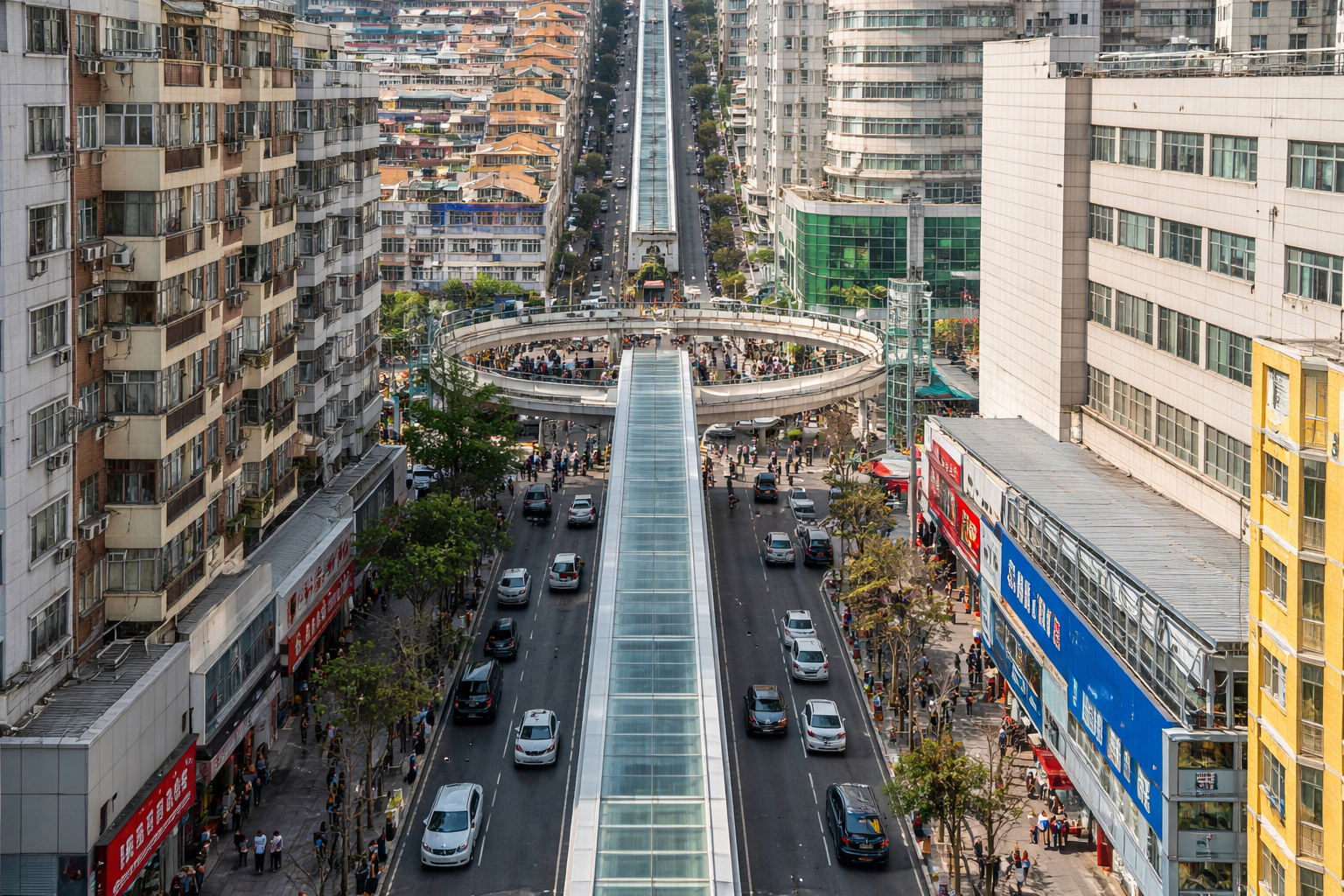
The world’s largest escalator, measuring 905 meters in China, reduces urban travel time from 1 hour to about 20 minutes and transforms mobility in mountainous regions with an engineering solution adapted to the terrain.
-
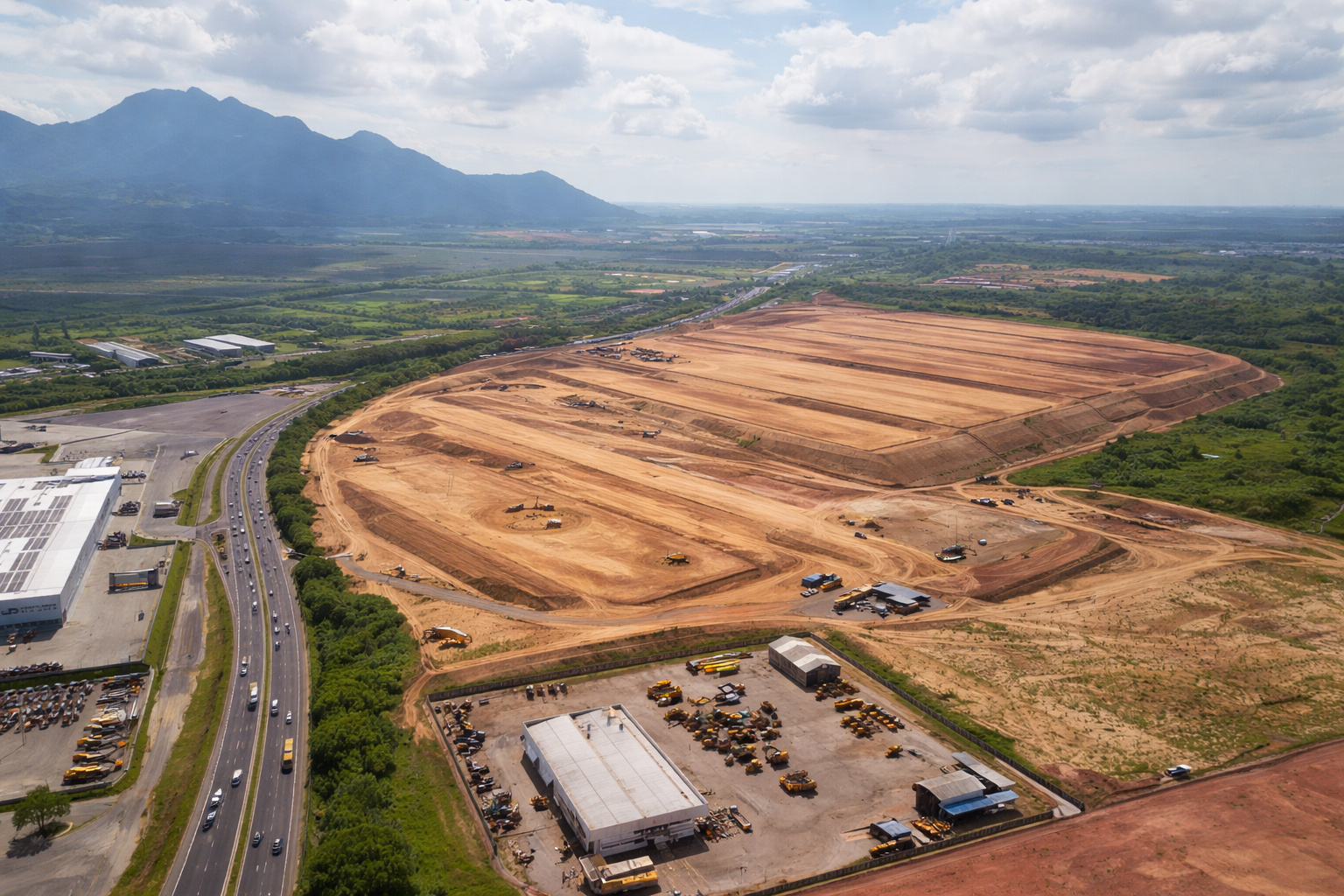
A R$ 300 million logistics giant is taking shape in Serra with over 100,000 m² and raises a question: how can this transform e-commerce and distribution in the state?
-
Could Uber Rides Lose Minimum Fare? Understand What’s Happening!


The Brazilian Association of Motor Vehicle Drivers (Abrava) will decide on joining the movement in a meeting with its members tomorrow (22). The National Road Transport Association of Brazil (ANTB) stated it supports the decision.
Click here to read the full note released.
Ministry of Infrastructure Believes The Movement Will Not Gain Support from The Category and Thinks It’s a Political Movement
Truck drivers’ strike scheduled for next Sunday (25) is not among the main concerns of the Palácio do Planalto at this moment. On the contrary, President Jair Bolsonaro’s team believes there will be no support from the large majority of the category and does not recognize the protest.
Behind the scenes, there are reports that the Ministry of Infrastructure has linked truck drivers’ calls to opposition parties of President Jair Bolsonaro. In a statement to UOL, the ministry headed by Tarcísio de Freitas informed that the National Council for Road Cargo Transport (CNTRC), one of the organizers of the strike, “is not a representative class entity to speak on behalf of the road cargo transport sector.”
In 2018, Truck Drivers Held A Historic Strike Against Diesel Prices
The demands of truck drivers, who once held a historic strike against diesel prices in 2018, continue amidst ongoing complaints from President Bolsonaro himself regarding fuel costs.
In the letter sent to President Bolsonaro, the CNTRC calls for the government to adopt a tax on crude oil exports “as an immediate measure,” while other requests should be reviewed, such as ending the pursuit of import parity.
“The revenue from the tax on crude oil exports could be used to compensate States and the Union in reducing fuel taxes,” suggested the group of truck drivers.
Surge in Gasoline, Ethanol, Diesel, and GNV Prices Forces Drivers to Turn to Biometano Fuel; The Fuel Came to ‘Save’ and Alleviate The Burden on Consumers
Every day that passes, gasoline, ethanol, and diesel prices increase, and, with this, Brazilians working in passenger transport, such as taxi drivers and app drivers, who used to rely on Compressed Natural Gas (GNV), are now switching to biometano, as GNV prices are also beginning to strain their budgets. Biogas can be used without issues in vehicles equipped with gas kits.
Petrobras made a new adjustment to the price of GNV, increasing it by 39% for distributors. According to a survey conducted by the National Agency of Petroleum, Natural Gas, and Biofuels (ANP), in the last week of May, the price of vehicular gas for the final consumer reached R$ 4.199 in some locations in the city of Rio de Janeiro. Consequently, despite not being a new solution, biogas has been gaining popularity for offering more efficiency and being cheaper.
Currently, only ten fuel stations in Rio de Janeiro offer GNC biometano (biogas), but according to Jorge Mathuiy, commercial director of the MAT cylinder industry, this number is expected to increase significantly by the end of the year, as biometano has a lower acquisition cost and is completely safe.
The major advantage of using biometano is that, besides greater autonomy, the fuel provides more safety since it is lighter than air, and in the event of a leak, the gas dissipates quickly, reducing the risk of explosions and fires. While alcohol ignites at 200ºC and gasoline at 300ºC, biogas requires a temperature exceeding 620ºC to ignite.
Drivers still find it challenging to identify biometano at fuel stations. The tip is to ask the attendant if the option is available or to observe if the supplier is one of the companies that distribute the fuel, for example, Neogás.








Seja o primeiro a reagir!