





 Portuguese
  English
  Spanish
  3 min of reading


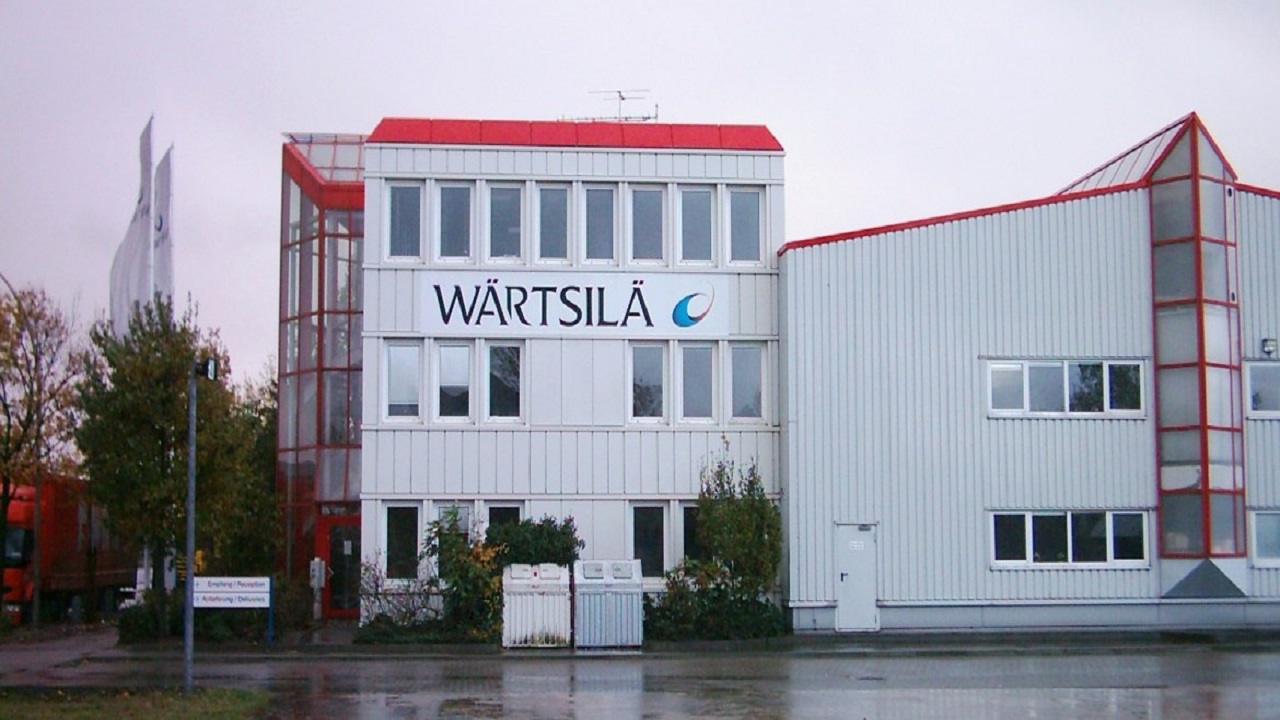
Wärtsilä, Finnish Technology Group, Will Build Three Thermoelectric Plants in Brazil That Will Use Natural Gas, Biogas, and Synthetic Fuels
The Finnish technology group Wärtsilä will provide the country with three thermoelectric plants powered by natural gas, totaling 150 MW of installed capacity. The signing of the contract came as a result of a Capacity Reserve Auction held by the Ministry of Mines and Energy last month. The thermoelectric plants will be delivered on an accelerated schedule and are scheduled to begin operations in the second quarter of next year.
Read Other Related News
Learn More About Wärtsilä’s Thermoelectric Plants
The energy generated by the thermoelectric plants will be supplied to the country’s interconnected grid to ensure system reliability during adverse weather conditions. Wärtsilä’s contracts also include a total of 16 flexible and fast-start natural gas generator sets.
The projects will be supplied on an Engineering, Procurement, and Construction (EPC) basis for the existing UTE Viana 1 and UTE Luiz Oscar Rodrigues de Melo plants, as well as a new UTE 1 plant, all located in Espírito Santo.
-
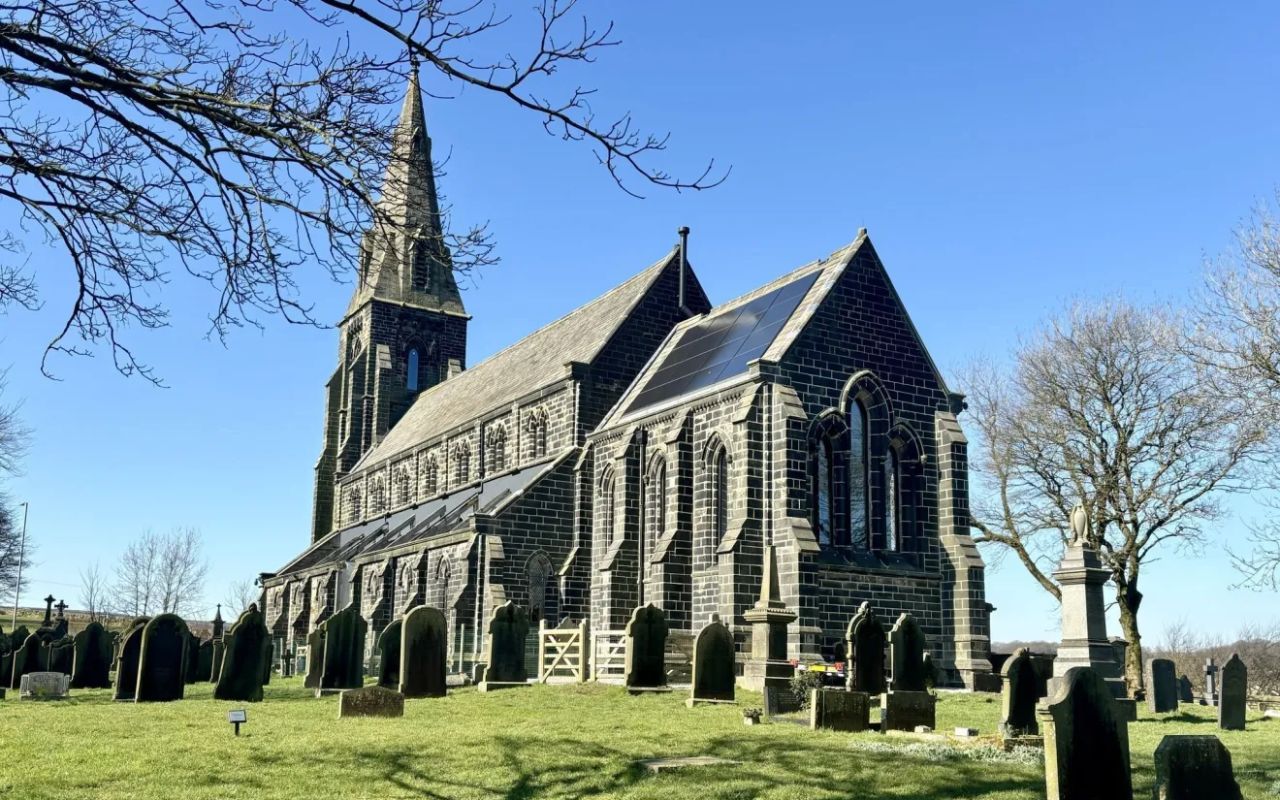
Couple invests around R$ 3.2 million to transform abandoned church from 1846 into a luxury mansion surrounded by over 300 tombs — property is now valued at R$ 11.6 million.
-
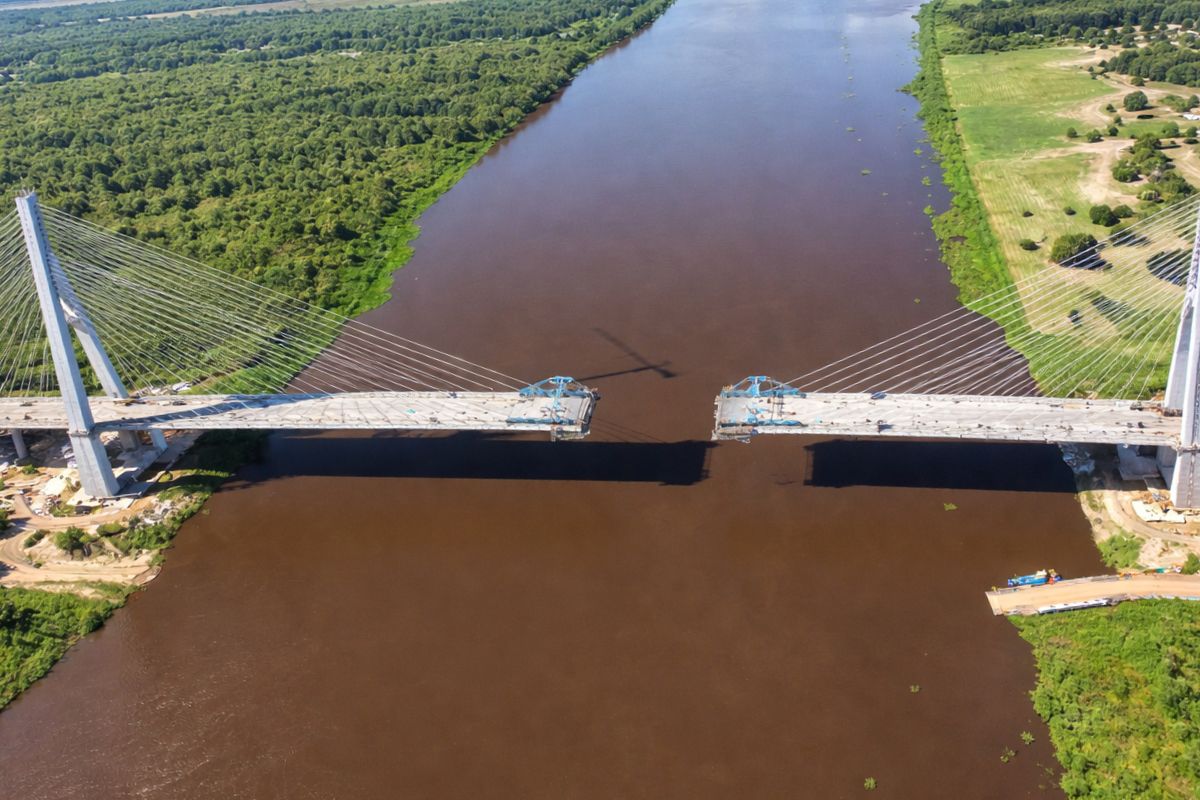
Only 37 meters remain for Brazil and Paraguay to “close” the bioceanic bridge on the Bioceanic Route: the project worth R$ 575 million is at 89% completion, uses 14,000 tons of steel, and aims to finish the connection by the end of April.
-
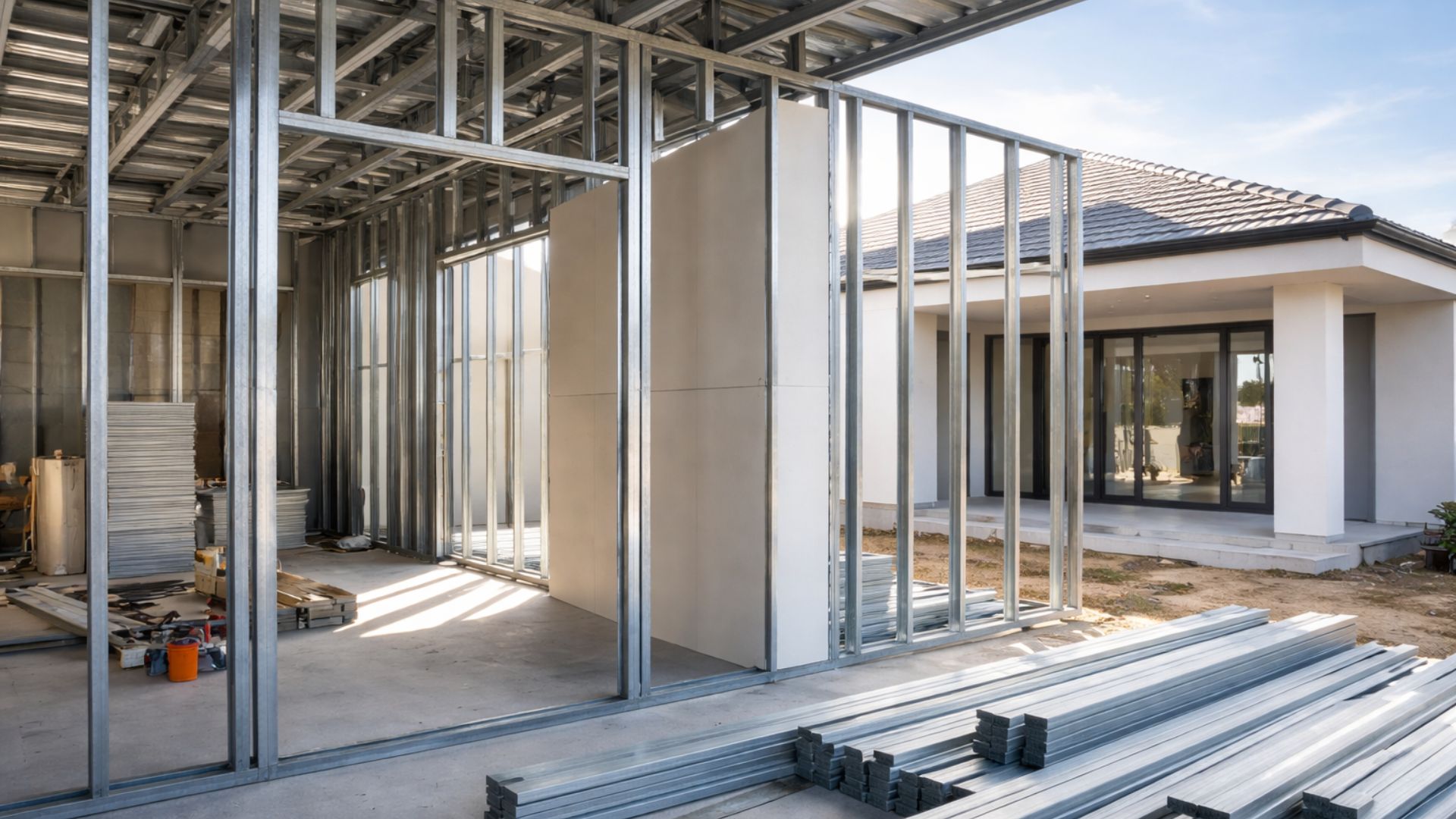
The new era of civil construction features “dry construction” and boosts a company that accelerates expansion with 48 stores and steel frame.
-
Woman enters abandoned houses for 16 years that no one dared to visit: beautiful project and logical layout, interior mold-free, possible resort; after exploring, decides to buy everything for €32,000 and surprises the entire village.

Wärtsilä’s thermoelectric plants operate on natural gas and offer high efficiency at any load, providing unit efficiency levels of up to 50% in simple cycle and up to 54% in combined cycle. Their flexibility is highlighted by the fact that they can reach full power within minutes of the start signal, which becomes an important advantage in systems that seek to utilize higher levels of sustainable energy.
Thermoelectric Plants Can Also Use Biogas and Synthetic Fuels
The flexible gas engines from Wärtsilä can use, in addition to natural gas, LPG, biogas, and synthetic fuels. The power plants, which initially operate on natural gas, can switch to decarbonized and clean fuels as these sources become available.
This feature will alleviate the risk that investments made today will become obsolete projects in the future. According to Wärtsilä Corporation President and CEO Håkan Agnevall, the company’s presence in Brazil is solid and longstanding. With the plants, Wärtsilä approaches the mark of 3 GW of installed capacity in the country and continues to meet its customers’ needs.
The company offers the best technology in the industry for electricity optimization. The high efficiency of Wärtsilä’s engines, with their rapid power increases, occurring in minutes instead of days or hours, ensures the reliability and flexibility needed in today’s energy market, which is increasingly moving toward clean energies.
Get to Know Wärtsilä
Wärtsilä arrived in Brazil in the 1990s and operates its headquarters office in Rio de Janeiro and service centers in Manaus, Niterói, and Pernambuco, employing around 400 workers.
In total, the company has more than 31 thermoelectric plants spread across Brazil, reaching an installed capacity of 2.6 GW. In the Naval sector, the company has an installed base with capacity across more than 570 ships and offshore facilities, totaling approximately 3,400 MW. The company provides auxiliary and main engines, complete solutions for power plants, and propulsion services for vessels.








Seja o primeiro a reagir!