





 Portuguese
  English
  Spanish
  4 min of reading
  1 comment


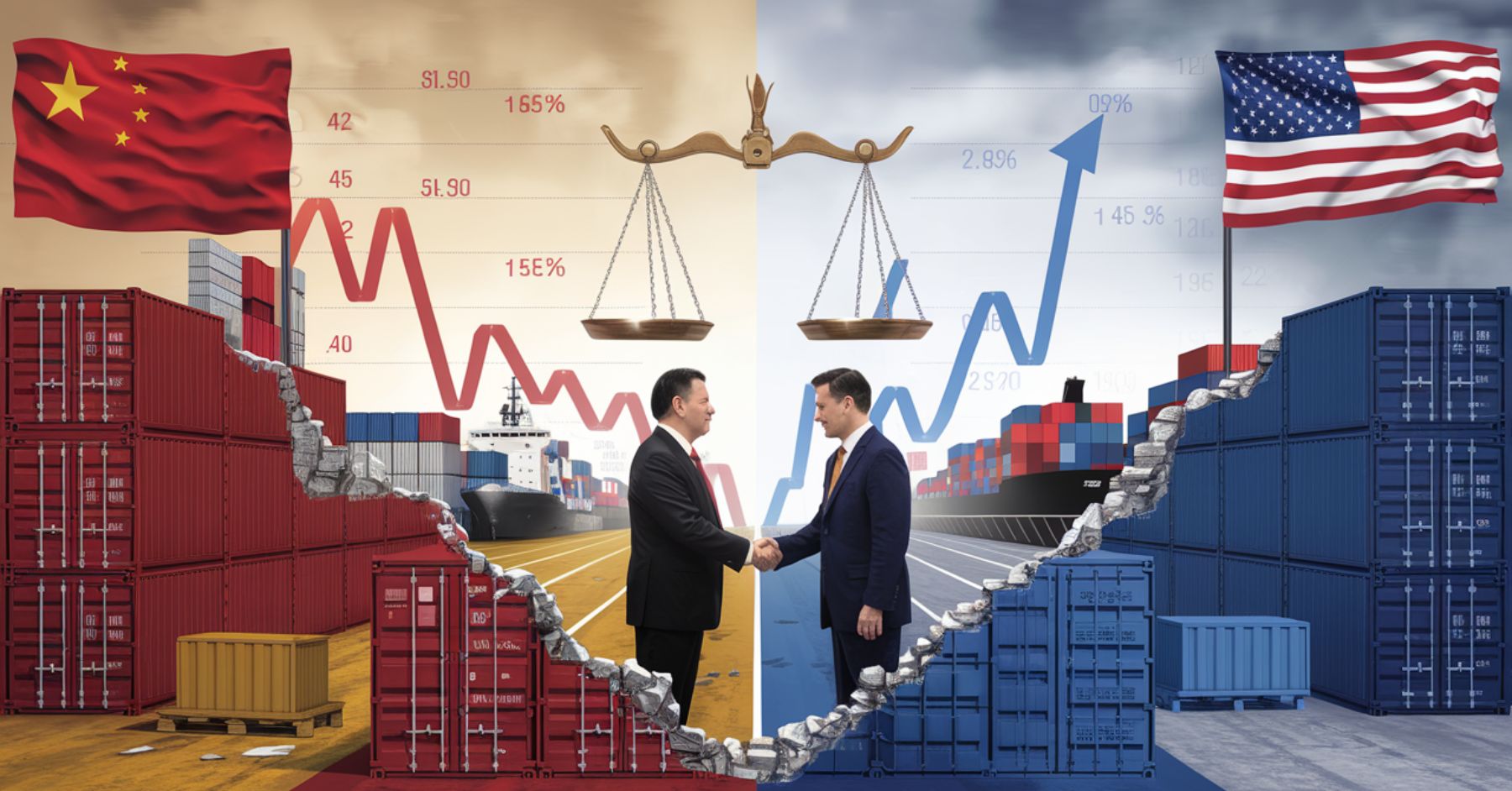

The Decision Marks Possible Advancement in Negotiations Between the Two Largest Economies in the World and May Reduce Global Economic Impacts.
Amid the tensions of the trade war, China has begun to evaluate the possibility of exempting some U.S. imports from tariffs of up to 125%. The measure, which has not yet been publicly announced by the Chinese government, represents one of the clearest signs that Beijing is concerned about the prolonged economic effects of the tariff conflict. The initiative comes shortly after statements from the U.S. government indicating interest in easing tensions with the Asian country.
According to sources linked to China’s Ministry of Commerce, a task force is gathering information from local and foreign companies to identify essential products that may be exempted from tariffs imposed since the beginning of the trade war with the United States. The expectation is that the measure will help reduce costs for the Chinese industrial sector and, at the same time, alleviate pressure on U.S. exporters.
Companies Are Invited to Indicate Critical Items for Exemption
According to industry executives, the Chinese government has asked companies to indicate imported products from the United States that cannot be easily replaced by suppliers from other countries. The idea is to avoid damages to the local supply chain and minimize impacts on areas of the Chinese economy.
-
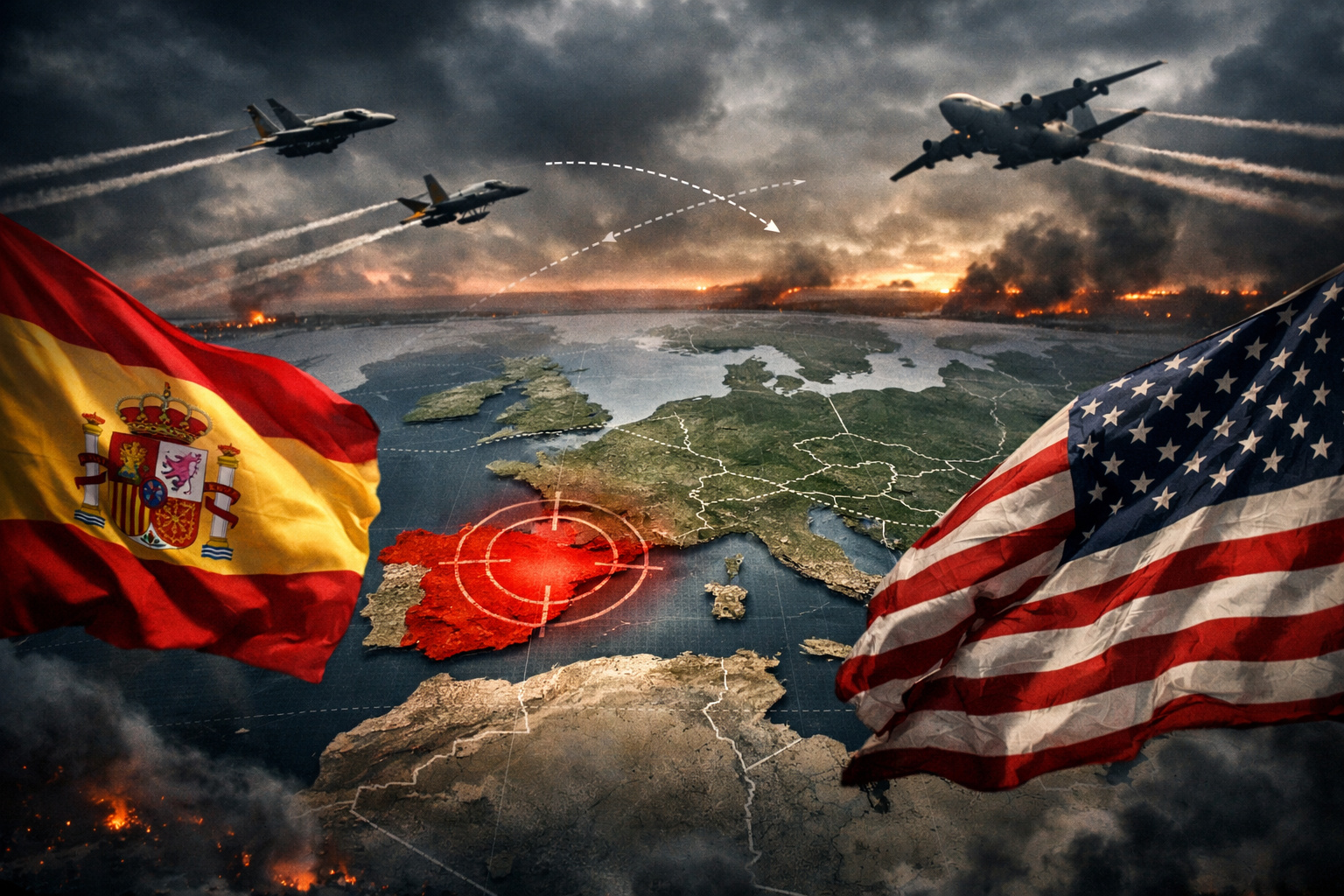
Spain challenges the USA and closes its airspace for operations against Iran, raising global tension and provoking the threat of a trade rupture.
-
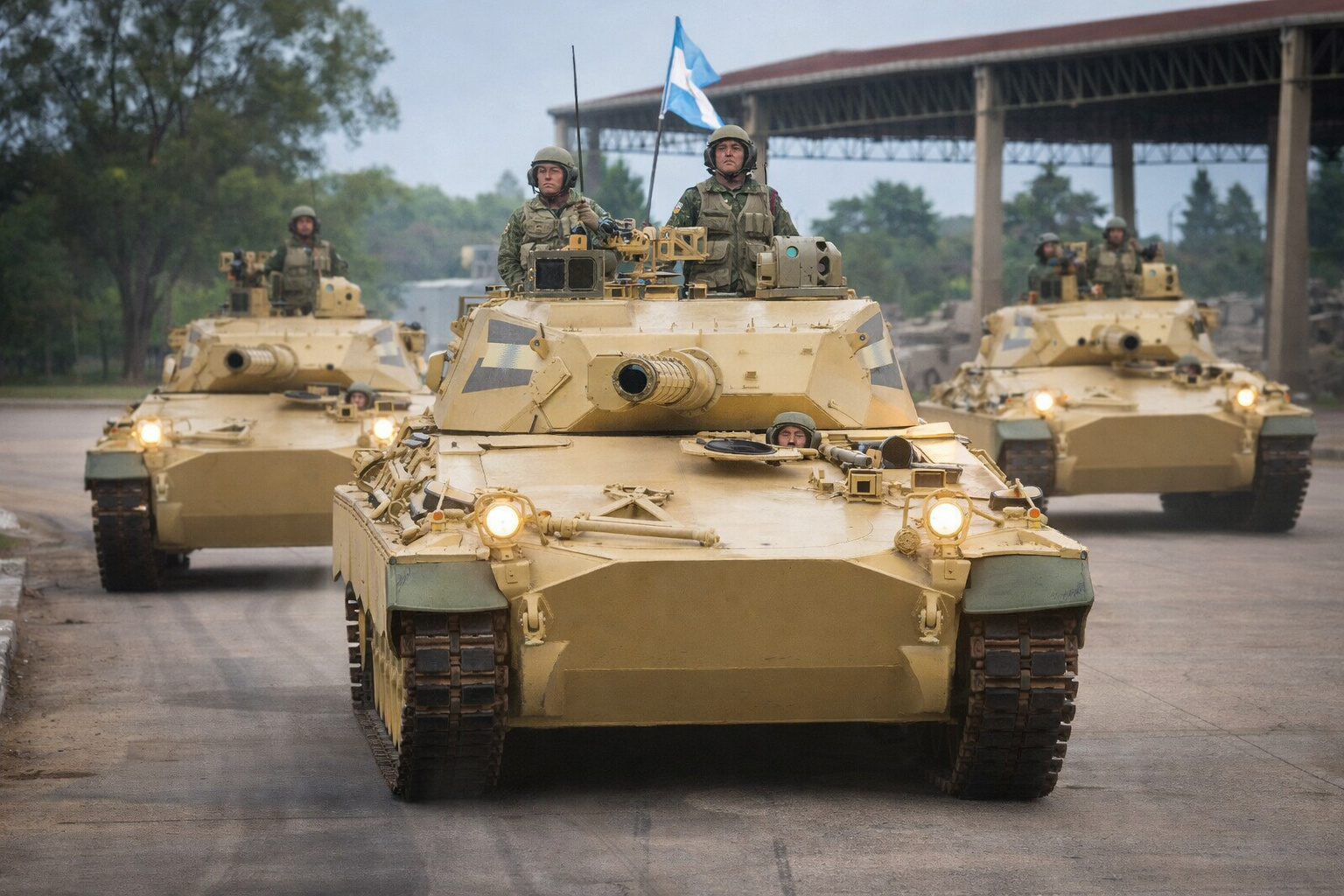
While no other country manufactures tanks in Latin America, Argentina activates the TAM 2C-A2 and raises a curiosity about the technological lag in the region.
-
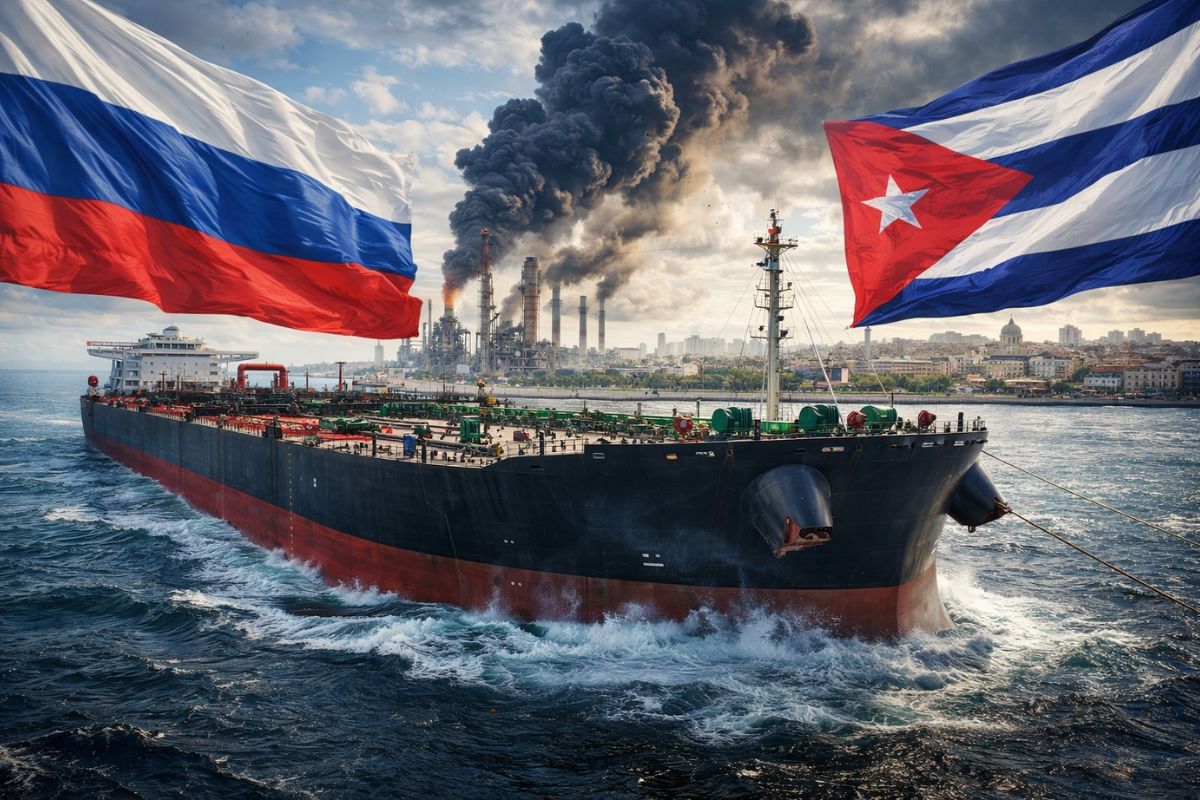
A Russian ship with 730,000 barrels of oil has just arrived in Cuba while Mexico negotiates fuel sales through private companies: the communist island is desperately seeking alternatives after losing its supply from Venezuela due to American military action.
-
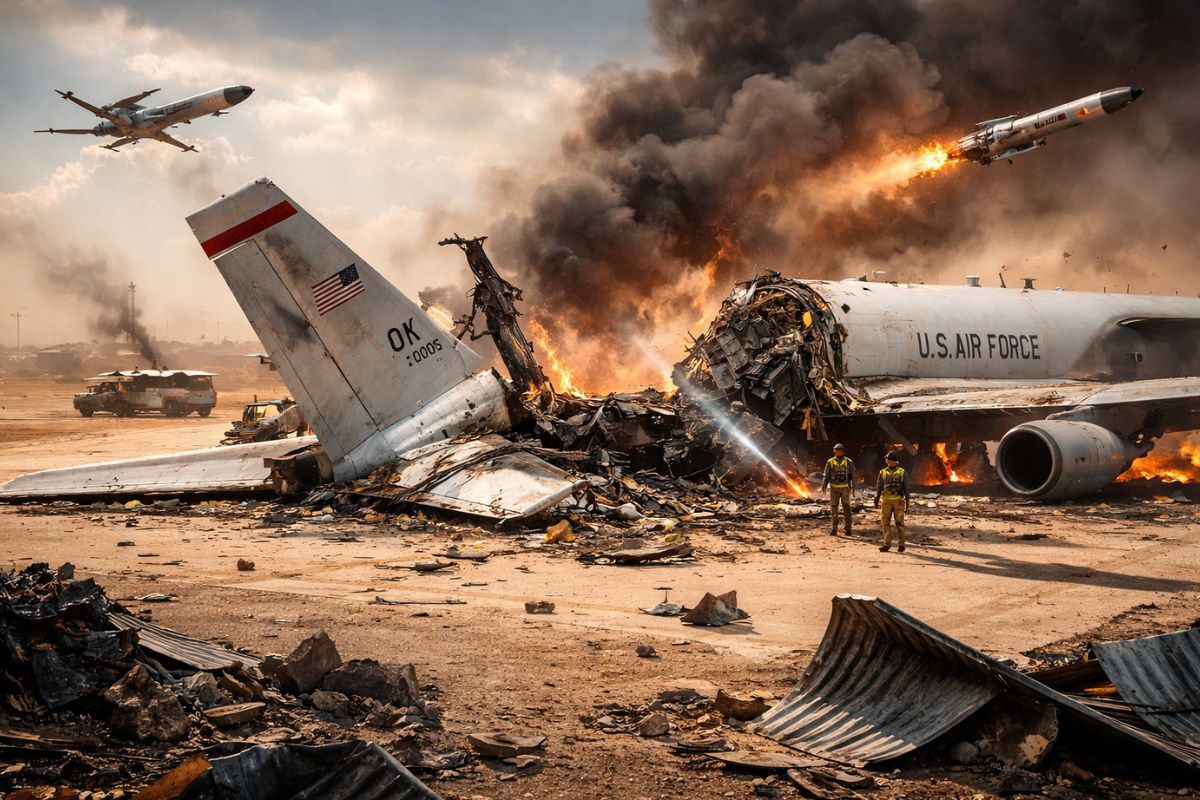
Iranian drones and missiles destroyed a 270 million dollar American spy plane in Saudi Arabia, splitting the E-3 Sentry aircraft in half and injuring 12 military personnel in an attack that exposes the vulnerability of U.S. bases in the Persian Gulf.



Michael Hart, president of the U.S. Chamber of Commerce in China, stated that Chinese authorities are already engaging with business representatives to identify essential items. “The Chinese government has been asking our companies what they are importing from the U.S. that cannot be found anywhere else,” Hart said. According to him, some companies in the pharmaceutical sector reported that they have already managed to import drugs without additional tariffs.
The CEO of the French company Safran, a manufacturer of aerospace engines, stated that parts such as engines and landing gear have also been included in the list of possible tariff exemptions by China. These equipment are considered vital for the aerospace sector and the maintenance of aircraft in the country.
Pressure from European Companies Also Influences Discussion
The decision by China to consider tariff exemptions also comes after meetings with more than 80 foreign companies and representatives of chambers of commerce. Among them is the European Union Chamber of Commerce in China, which reported that it has formally requested the Ministry of Commerce to exempt tariffs on critical components coming from the United States.
Jens Eskelund, president of the entity, stated that many associated companies are being directly impacted by the tariffs. “We are awaiting an official response regarding the requests,” he said.
Meanwhile, a list of 131 product categories that are under review has begun to circulate on social media and among businesspeople in China. Among the mentioned items are vaccines, chemicals, and jet engines. The authenticity of the list has not yet been confirmed by official sources.
Diplomatic Efforts and Signs of Relief
The possible easing of tariffs occurs at a time when the U.S. shows willingness to reach an understanding with China. The U.S. government has already announced some exemptions for electronic products imported from the Asian country and signaled that maintaining the trade impasse for longer is economically unfeasible.
Still, the trade war remains a point of tension between the two powers. The tariffs imposed by Washington reach up to 145% on certain Chinese products. China, in turn, maintains high tariffs in retaliation but seems willing to negotiate specific exemptions as a way to preserve strategic sectors.
Despite the advancements, there is no official confirmation from China about which products will benefit nor when the exemptions will take effect. In a statement, the Ministry of Foreign Affairs said it was unaware of the measures and redirected questions to “competent authorities.”
Internal Stability Is a Priority for the Chinese Government
A recent statement from the Politburo, the main decision-making body of the Chinese Communist Party, highlighted the need to maintain the country’s economic stability. The document also stated that China is prepared to defend its interests should the trade war escalate. At the same time, it signaled support for companies and workers affected by the tariffs imposed by the U.S.
The movement from Beijing, even without official confirmation, points to an attempt to reduce the damages caused by the trade war, which has affected various sectors and contributed to the slowdown of global trade in recent years.
Recent Actions by China and the United States Indicate a Possible Opening for Negotiations
The recent actions by China and the United States indicate a possible opening for broader negotiations in the coming months. The trade war, which has intensified in recent years, has been a concern for economies around the world due to its influence on supply chains, commodity prices, and global financial stability.
If tariff exemptions are formalized, they could represent an important step toward the resumption of bilateral trade and the reduction of tensions between the two main economies on the planet. The continuation of the trade war, on the other hand, could bring new challenges for companies and governments in different regions.
Source: Infomoney








Ótima análise sobre as recentes movimentações no contexto da guerra comercial entre EUA e China. A possibilidade de isenções tarifárias em setores estratégicos realmente abre espaço para reflexões importantes sobre os impactos globais e as oportunidades que podem surgir em economias locais. Inclusive, explorei um pouco mais sobre como tensões comerciais como essa podem influenciar investimentos regionais em meu artigo ‘Tensões Comerciais Globais e Oportunidades Locais de Investimento: osmosefinanceira.com.br/2025/04/tensoes-comerciais-globais-e.html. Acredito que a perspectiva possa complementar essa discussão.