





 Portuguese
  English
  Spanish
  4 min of reading
  0 comments



Buying a High-Mileage Used Car Can Be Advantageous, But Requires Care. See Essential Tips to Ensure a Good Choice
The used car market in Brazil continues to expand, consolidating itself as a solid alternative in light of rising prices for new vehicles. According to data released by Fenabrave, only in the first half of 2024, 5.4 million used cars were sold, a record number for the period.
This scenario reflects significant changes in consumer behavior, driven in part by the high prices of new vehicles and the growing preference for semi-new or high-mileage models.
Currently, a brand-new car starts at around R$ 70 thousand, making used models an attractive option for those looking for savings and often more benefits in terms of space and performance.
-
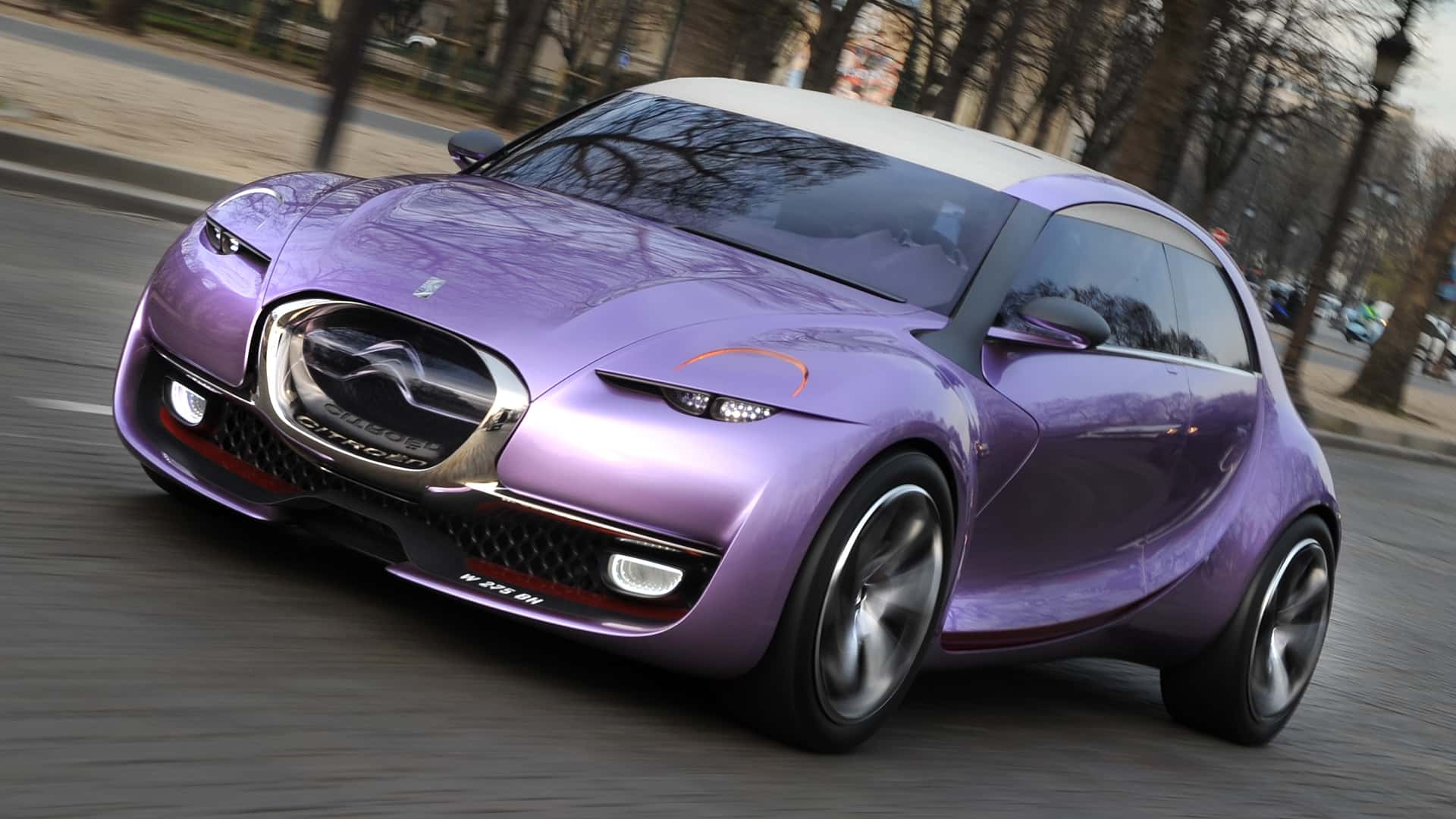
After decades out of the spotlight, Citroën is preparing to bring back the legendary 2CV as a low-cost electric vehicle, betting on the revival of one of the most popular cars in history and aiming to enter the race for affordable compact cars.
-
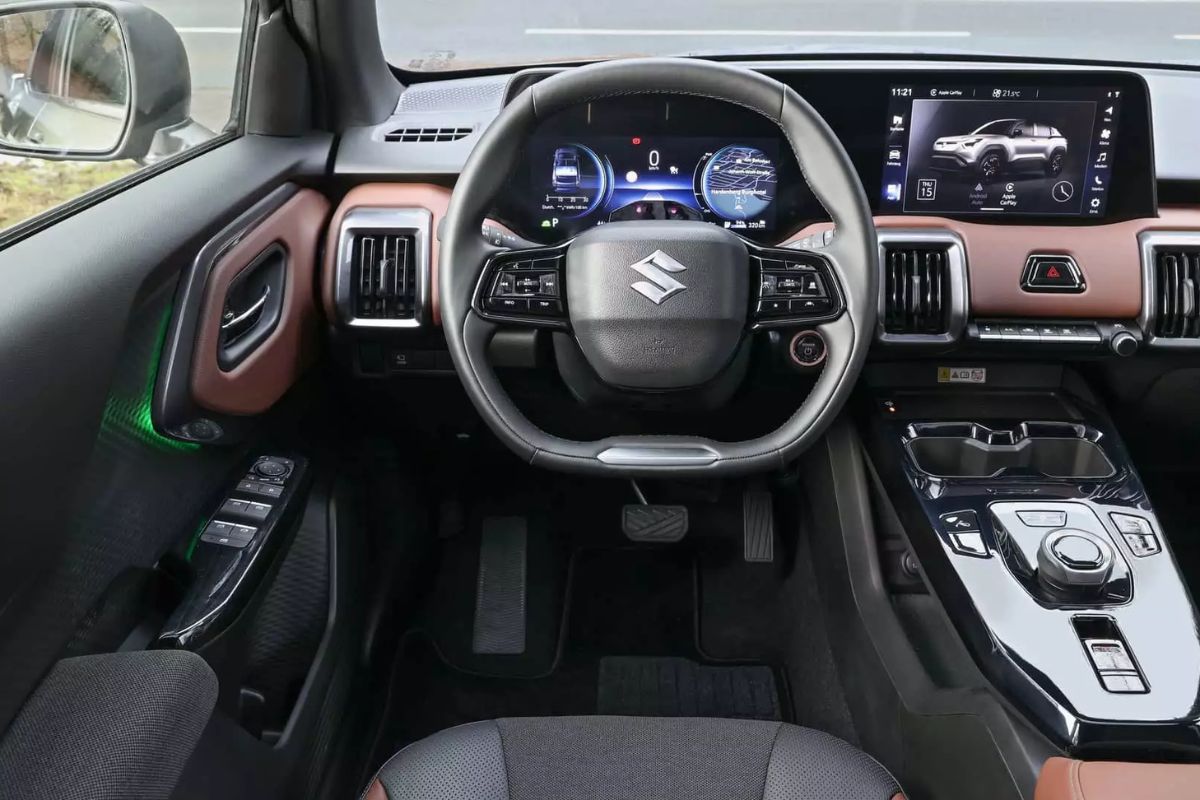
The 2026 electric Vitara arrives in Brazil and proves that Suzuki is not leaving: 4×4 traction, 184 hp, 61 kWh LFP battery, 293 km range, R$ 259,000, and a trunk capacity of 224 L.
-
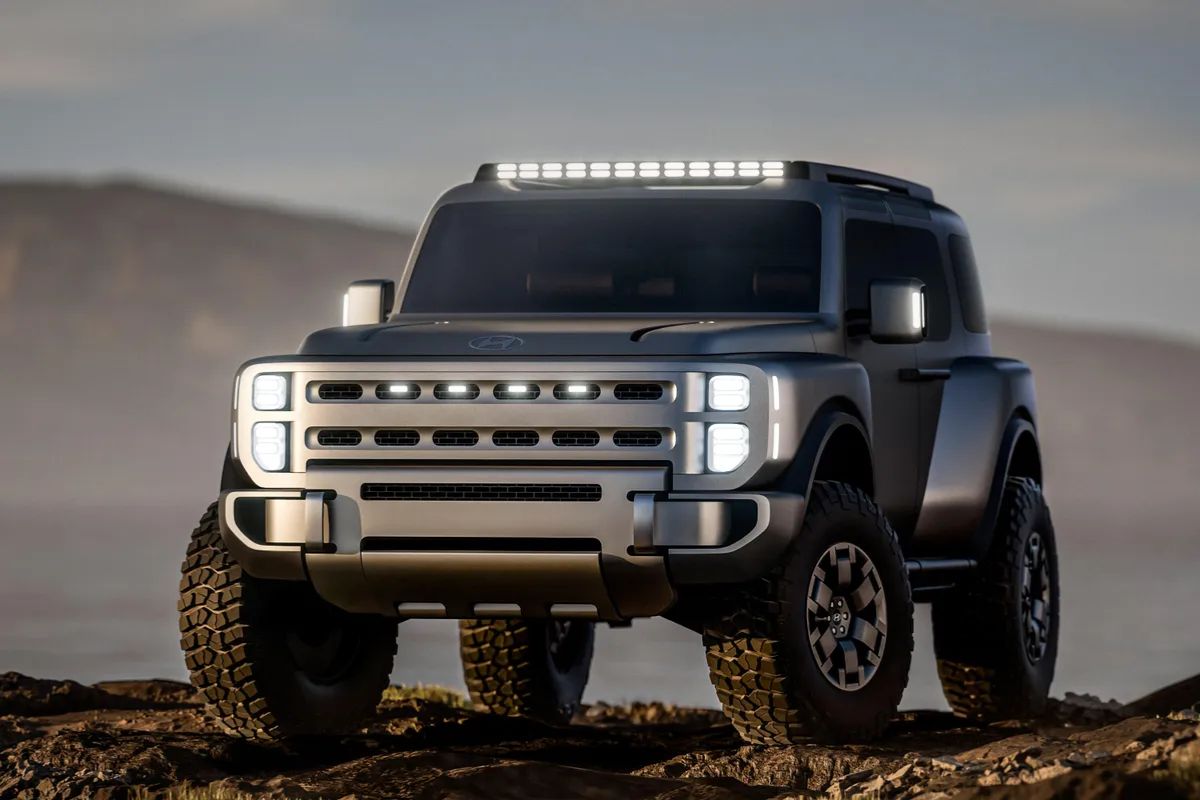
Hyundai has unveiled the Boulder, a square SUV with a body-on-frame design, 37-inch mud tires, and carriage-style doors that seems to be made to take on the Ford Bronco and the Scout Traveller in the United States.
-
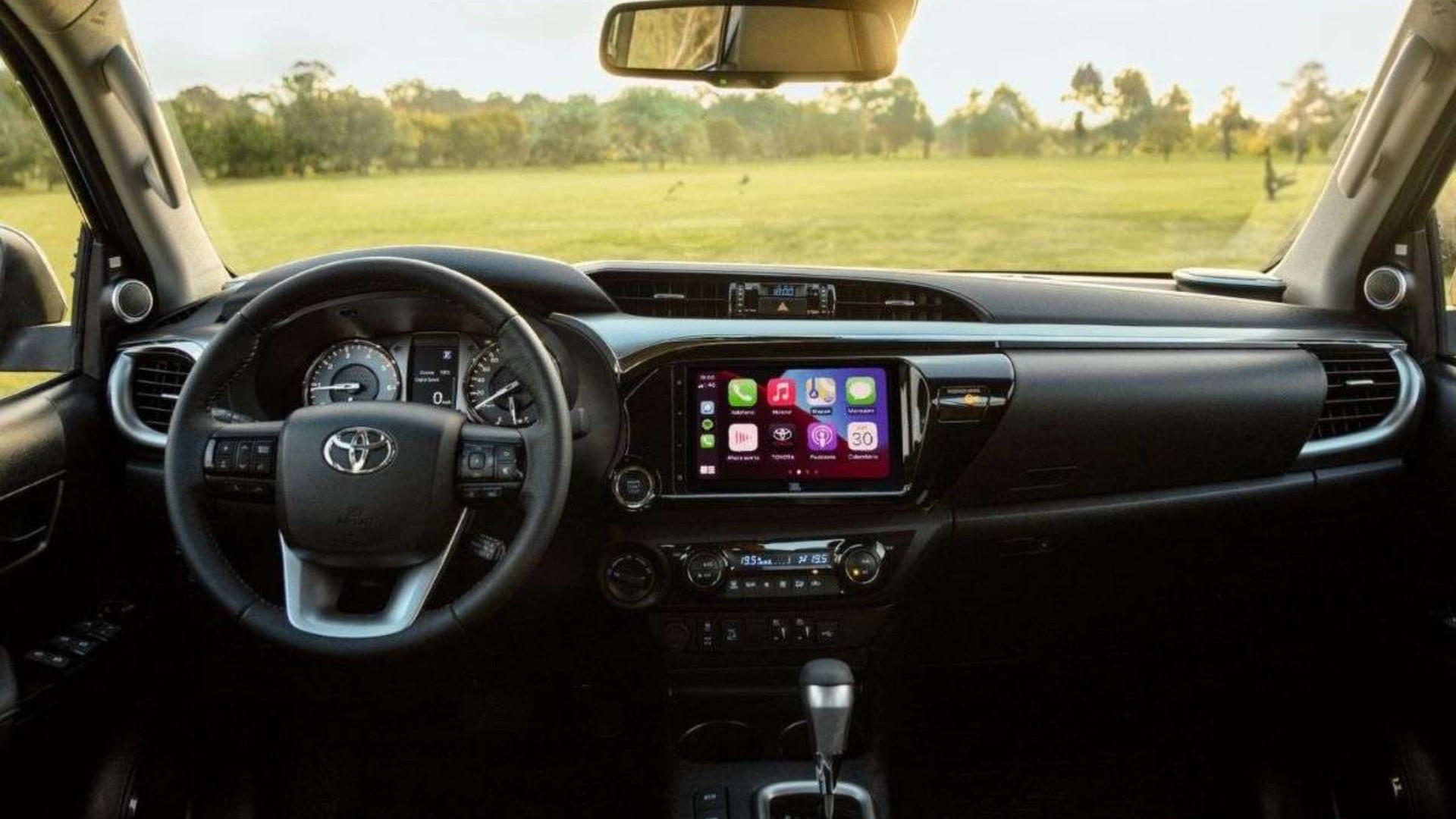
The Toyota Hilux is R$ 75.5 thousand cheaper and bets on the 2.8 turbodiesel engine with up to 204 hp and 50.9 kgfm to catch up with the VW Saveiro, which leads with 4,472 sales.

For example, for the price of a Renault Kwid Zen 2024 (R$ 74,590), it’s possible to find vehicles like the Nissan Kicks, Volkswagen Golf, or Toyota Corolla, which offer greater comfort and power.
However, buying a used car—especially those with high mileage—requires extra attention. To help consumers make safe and informed choices, we have prepared a comprehensive guide with essential tips for evaluating high-mileage vehicles.
What Is Considered High Mileage?
Understanding what characterizes “high mileage” is the first step to avoiding problems when buying a used car. The average annual use in Brazil varies between 13,000 and 15,000 kilometers.
Thus, a car with 10 years of use and around 150,000 km driven can be considered within a normal range. Beyond that, careful consideration is necessary, as this number indicates that the vehicle has already covered half of the expected lifespan for passenger car engines.
According to Clayton Barcelos Zabeu, an automotive propulsion specialist, “well-maintained vehicles can retain their characteristics up to 150,000 km. However, after this mark, corrective maintenance and costs become more frequent.” Zabeu warns, however, that low-mileage vehicles can also present problems if not well cared for or if they have a history of accidents.
Components to Observe in High-Mileage Cars
When evaluating a used car, the maintenance history should be a priority. A vehicle without detailed records of regular maintenance poses a high risk. Additionally, it is essential to physically evaluate key components of the vehicle.
Fluids
The condition of the engine, transmission, and brake fluids is a clear indicator of the care the car has received over time. “Preventive maintenance with regular fluid changes is essential to avoid premature wear,” explains Diego Riquero Tournier, a Bosch specialist.
What to Check:
- Engine Oil: Regular change every 10,000 km, along with the filter.
- Transmission Oil: For automatic transmissions, change between 50,000 and 80,000 km.
- Brake Fluid: Periodic change, as it absorbs moisture.
- Cooling Fluid: Follow the manufacturer’s recommendations.
Timing Belts and Chains
These components ensure the engine’s timing, and if disregarded, can cause irreversible damage. Belts should be replaced between 60,000 and 100,000 km, whereas chains, being more durable, can be inspected after 200,000 km.
Brakes and Suspension
Items such as pads, discs, and shock absorbers show natural wear in high-mileage cars. Problems in this system can be identified by noises, misalignments, or difficulties with braking.
Electrical Components
The electrical system of modern vehicles requires special attention. “Batteries, alternators, and starters should be evaluated, as well as the electronic system through automotive scanners,” explains Zabeu. Diagnostic tools help identify failures and possible alterations.
The Importance of the Cautionary Report
Before closing a deal, a cautionary report is essential. This document evaluates the car’s structure, checking points such as subframes, columns, and chassis to identify collisions or poorly done repairs. Additionally, the report checks the vehicle’s history, including administrative pendencies or restrictions.
Seek a Specialist
Even following all these recommendations, it is prudent to seek the help of a professional. Specialized workshops offer planned inspections before purchase, evaluating not only the car’s condition but also potential future maintenance costs.
Acquiring a used vehicle with high mileage can be an excellent choice, provided it is done with caution and planning. As Zabeu highlighted: “Mileage, in isolation, should not be the only assessment criteria. The overall condition of the vehicle is what truly matters.”
Although the market is heated, trust and the search for reliable information remain the consumer’s best allies. Buying a used car requires careful analysis and, of course, a bit of luck to find the ideal combination of price and quality. After all, with the right tools and a careful approach, excellent deals can be made.








Seja o primeiro a reagir!