





 Portuguese
  English
  Spanish
 3 min of reading
  0 comments


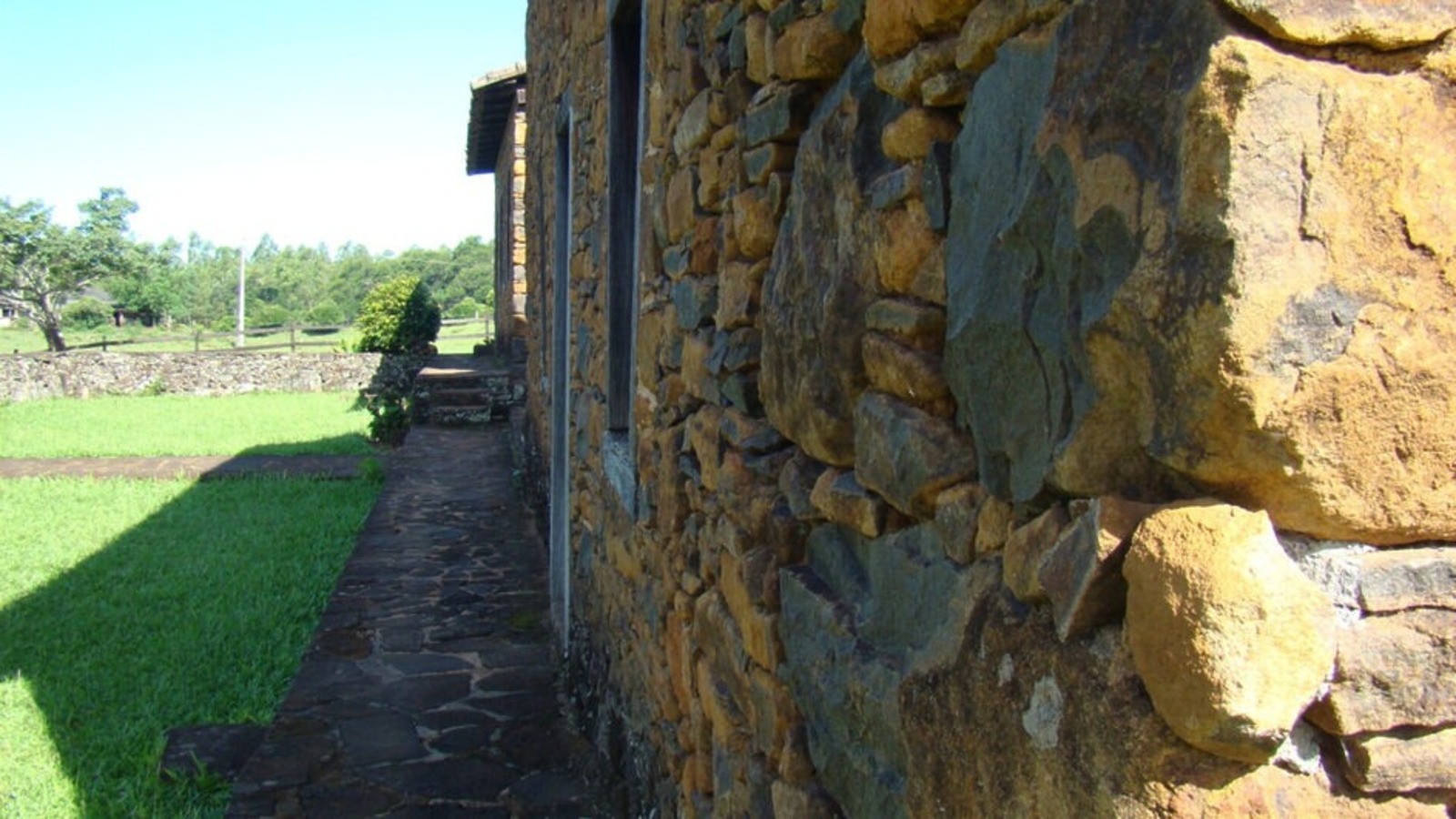
Built In 1891, Restored In 2002 And Open To Visitation, Stone Houses Guard The Memory Of Italian Immigration In Nova Veneza
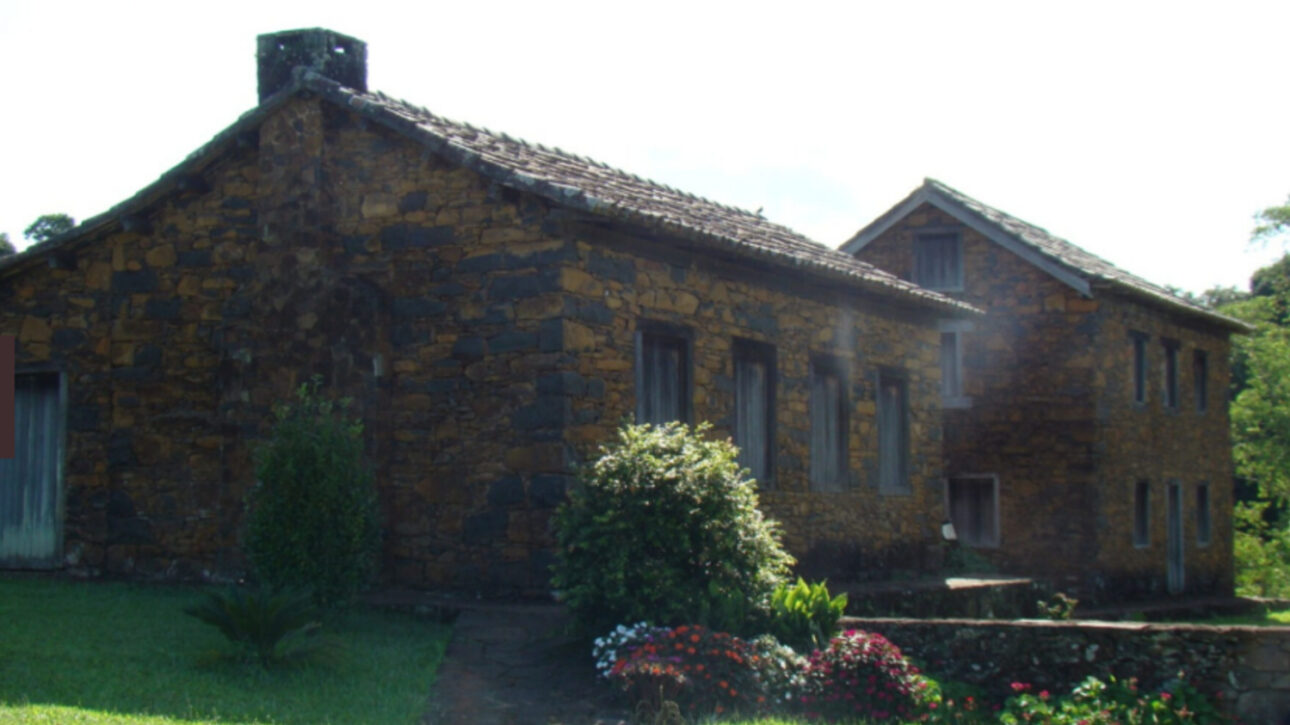
In the heart of Nova Veneza, in southern Santa Catarina, three stone constructions withstand time and charm visitors. Built in 1891, the Stone Houses preserve the memory of Italian immigration and remain part of the state and national historical heritage.
The Origin Of The Constructions
The person responsible for the works was Luiz Bratti, great-grandfather of Tito Bortolotto and great-great-grandfather of Luana Bortolotto. Known as a builder, he worked on several public works, including roads and bridges.
As payment for services to the government, he received a piece of land in the rural area of Nova Veneza.
-
Sprinkling dry baking soda directly on the carpet neutralizes odors from sweat and food without wetting the fibers, allowing you to forget about the vacuum cleaner for weeks using a product that costs less than five reais.

-
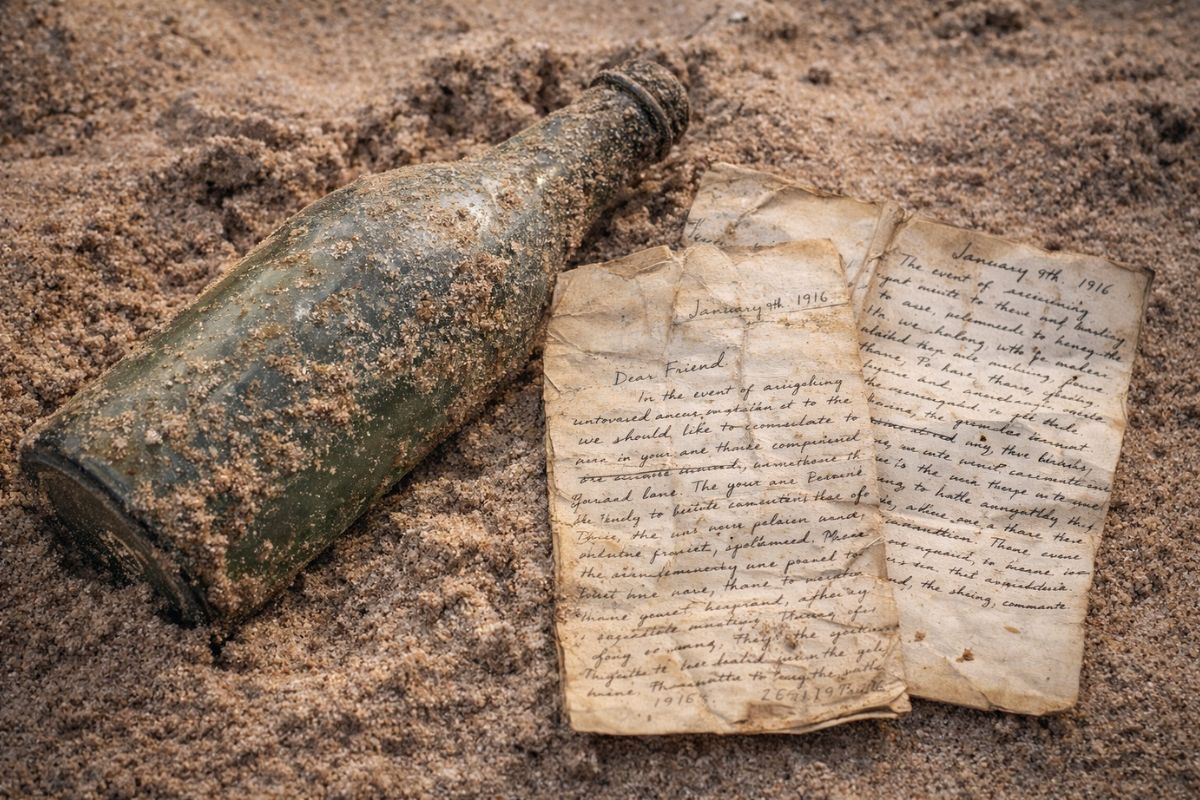
A bottle thrown into the sea by two Australian soldiers in 1916 on their way to the trenches of World War I was buried in the sand for over 100 years, and the letters inside it were still legible when they were found.
-
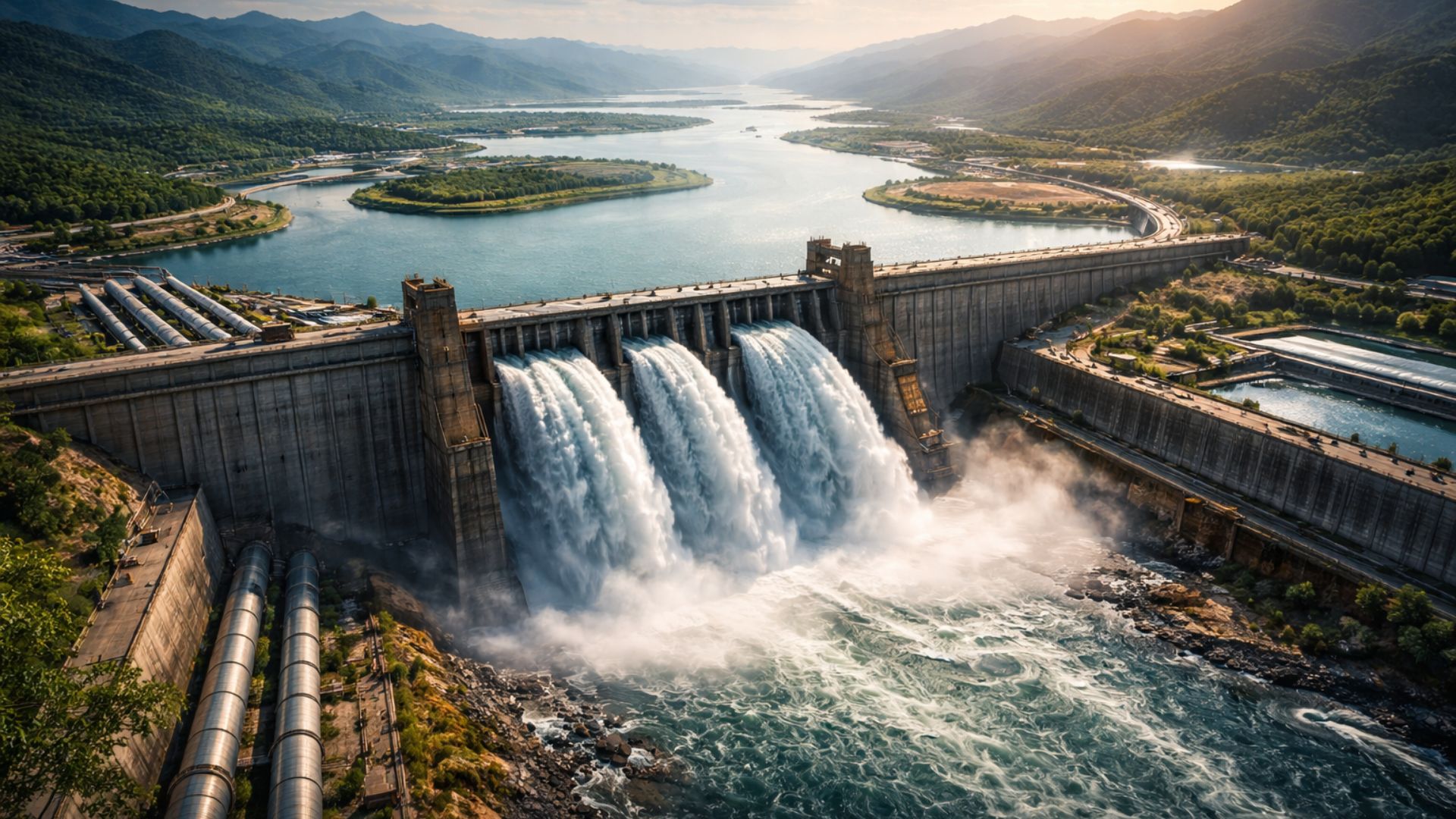
China invests over R$ 4.2 trillion, builds the largest water network in the world with 95,000 reservoirs and 1 trillion m³, expands piped water access to 96% of rural areas, attracts R$ 565 billion in foreign investments, and advances with the “longevity gene” in rice.
-
Heineken’s factory in Brazil surprises the world by reducing water consumption for beer production from nearly 10 liters to just 2.2 liters per liter produced, achieving a 23% decrease with real-time technology.


The challenge was great because the land was not fertile and was covered in stones. The solution found was to use this material, along with clay, to build the houses.
Fourteen Years Of Work
The construction took 14 years to complete. Bratti and his family divided their time between daily work, which ensured their livelihood, and nights spent raising the stone walls.
Each of the houses had a defined function. The first served as a stable, the second housed the kitchen and dining room, while the third contained the bedrooms.
Family Memories
According to Luana, her grandmother reported that the residents felt ashamed to live in the stone houses. “My great-grandfather was sad about this and said that in the future they would have a story to tell,” she recalled.
Today, this prediction has come true. The place has become a historical and cultural reference.
Restoration And Preservation Of The Stone Houses
The constructions underwent restoration in 2002. Since then, they have been furnished and maintain the style of the time.
Not all the furniture is original, but many pieces were donated by families from the region to make the environment more true to the past.
Additionally, the preservation work ensures that the Stone Houses remain open to the public, reinforcing their importance in regional tourism.
Visitation Open To The Public
The Stone Houses belong to Tito Bortolotto and his siblings. Although privately owned, they are open to visitation. Access is granted on Saturdays, Sundays, and holidays, from 1 PM to 5 PM.
The entrance fee is R$ 10 per person, a price that helps maintain the space.
Pride And Legacy Of The Stone Houses
“It’s an enormous pride to know that whenever they talk about tourism in Santa Catarina, our family is part of that story,” said Luana.
The Stone Houses stand firm as witnesses to the effort and perseverance of the immigrants who helped build southern Santa Catarina.




Seja o primeiro a reagir!