Portuguese
  Spanish


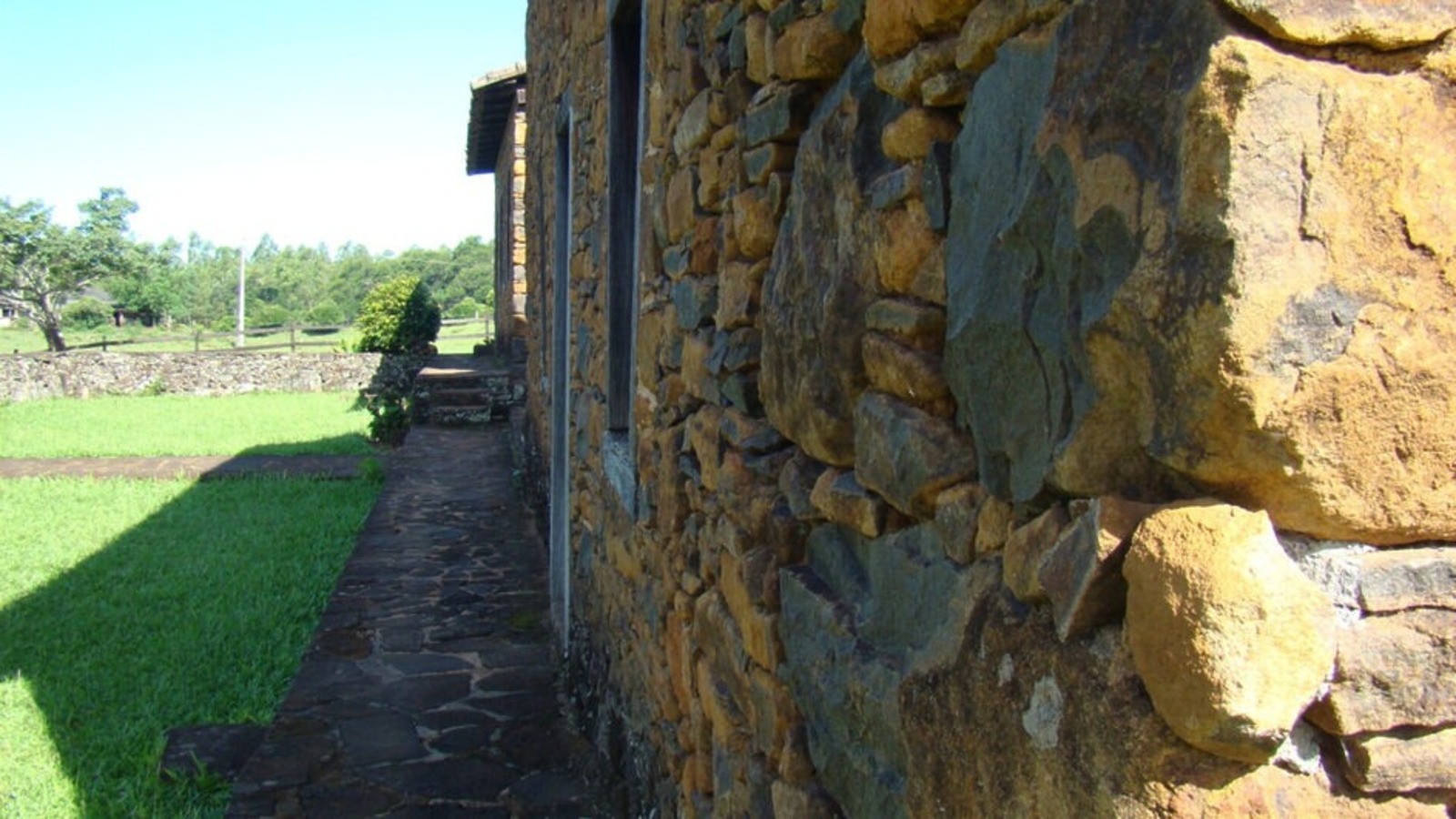

Built In 1891, Restored In 2002 And Open To Visitation, Stone Houses Guard The Memory Of Italian Immigration In Nova Veneza
In the heart of Nova Veneza, in southern Santa Catarina, three stone constructions withstand time and charm visitors. Built in 1891, the Stone Houses preserve the memory of Italian immigration and remain part of the state and national historical heritage.
The Origin Of The Constructions
The person responsible for the works was Luiz Bratti, great-grandfather of Tito Bortolotto and great-great-grandfather of Luana Bortolotto. Known as a builder, he worked on several public works, including roads and bridges.
As payment for services to the government, he received a piece of land in the rural area of Nova Veneza.
-
Award-Winning Korean Electric Scooter Concept Folds to Briefcase Size, Eases Transport Challenges

-
YouTuber Discovers Surreal Collection in 400-Year-Old Italian Fortress Near Florence: 419 Anvils, Giant Walruses, Ancient Church, and WWII Tunnels

-
Creative Uses for Toilet Paper Rolls That Will Change Your Perspective
-
Crab Trapped in Plastic Bottle for 62 Days Near Okinawa Highlights Little-Known Impact of Marine Pollution on Small Animals


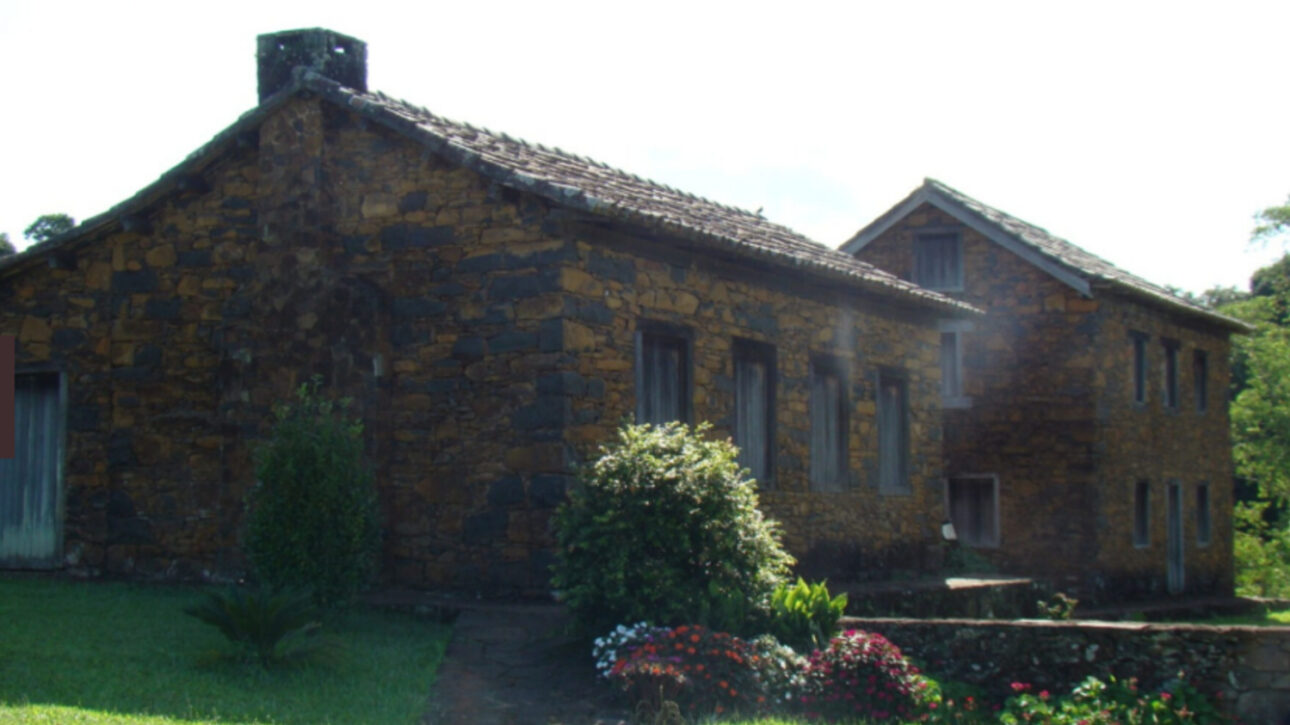
The challenge was great because the land was not fertile and was covered in stones. The solution found was to use this material, along with clay, to build the houses.
Fourteen Years Of Work
The construction took 14 years to complete. Bratti and his family divided their time between daily work, which ensured their livelihood, and nights spent raising the stone walls.
Each of the houses had a defined function. The first served as a stable, the second housed the kitchen and dining room, while the third contained the bedrooms.
Family Memories
According to Luana, her grandmother reported that the residents felt ashamed to live in the stone houses. “My great-grandfather was sad about this and said that in the future they would have a story to tell,” she recalled.
Today, this prediction has come true. The place has become a historical and cultural reference.
Restoration And Preservation Of The Stone Houses
The constructions underwent restoration in 2002. Since then, they have been furnished and maintain the style of the time.
Not all the furniture is original, but many pieces were donated by families from the region to make the environment more true to the past.
Additionally, the preservation work ensures that the Stone Houses remain open to the public, reinforcing their importance in regional tourism.
Visitation Open To The Public
The Stone Houses belong to Tito Bortolotto and his siblings. Although privately owned, they are open to visitation. Access is granted on Saturdays, Sundays, and holidays, from 1 PM to 5 PM.
The entrance fee is R$ 10 per person, a price that helps maintain the space.
Pride And Legacy Of The Stone Houses
“It’s an enormous pride to know that whenever they talk about tourism in Santa Catarina, our family is part of that story,” said Luana.
The Stone Houses stand firm as witnesses to the effort and perseverance of the immigrants who helped build southern Santa Catarina.