





 Portuguese
  English
  Spanish
  4 min of reading
  0 comments


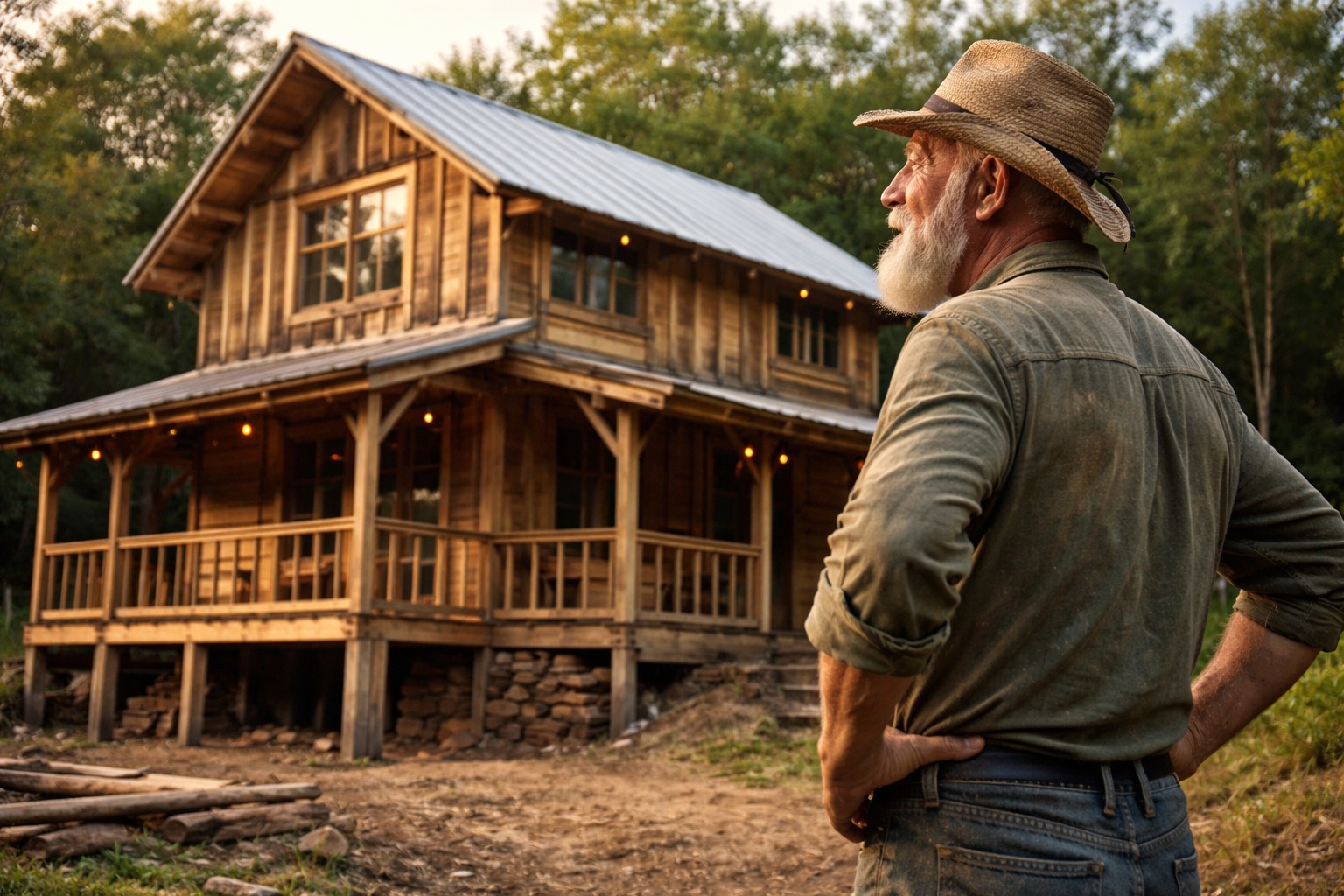
Elderly Man Builds Giant Wooden House Alone in 180 Days Using Scrap, Simple Tools, and Individual Labor from Start to Roof
An elderly man drew attention by building a giant wooden house alone in 180 days, using reclaimed wood and scrap, without a team or heavy machinery. The project was documented in video and reveals how experience and persistence transformed daily work into a complete construction.
Individual Construction of the Giant Wooden House Started as a Personal Project
Now in his senior years, the builder decided to erect a giant wooden house primarily using wooden materials and reclaimed parts.
The decision marked the beginning of a project entirely led by him, without team support or modern technology.
-
The Brazilian colonial city that stopped in time and shares territory with a rocket launch base.

-
79-year-old woman challenges limits, visits 193 countries in the world after 56 years of planning and reveals the behind-the-scenes of a global journey that few have managed to accomplish.

-
These are the drivers who may stop paying tolls on highways in a project that promises to reduce costs for those who live from transportation in Brazil.

-
(Video): Italian pilot lands plane on moving train at 120 km/h and achieves unprecedented feat in aviation, even with a narrow runway and without direct visual contact.


Over the course of 180 days, the work was carried out continuously. The daily routine included construction phases, in which every advance, no matter how small, contributed to transforming the initial idea into a complete structure.
Without heavy machinery, the entire process was conducted manually. The elderly man executed everything from the preparation of the foundation to the completion of the roof, maintaining direct control over all phases of the work.
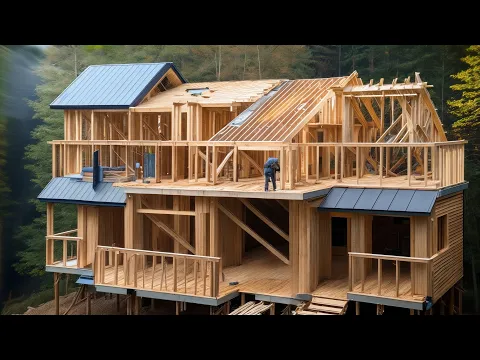

Use of Wood and Scrap Marked the Construction of the Giant Wooden House
What makes the giant wooden house particularly interesting is the method used. Instead of modern equipment, the builder utilized simple tools and knowledge accumulated over many years.
Most of the materials used came from scrap collected around the construction site. The reuse allowed for improvised solutions for different parts of the structure.
This artisanal method resulted in a work marked by constant adaptations. Each component used required careful evaluation to ensure proper fittings and structural stability.
The combination of the size of the construction, limited resources, and individual execution made this project an unusual example of artisanal work applied to residential construction.
Structural Challenges Accompanied the 180 Days of Construction
Building a structure of this size alone required physical effort and constant planning. Throughout the six months of work, the elderly man had to deal with climate changes, adjustments to the structure, and inevitable corrections in the process.
Without external support, all decisions were made by him. Each stage of the construction required direct attention and immediate correction when problems arose during execution.
Among the points that required the most care during construction were the foundation, the main structure, and the roof of the house.
In preparing the foundation, it was necessary to ensure a firm base capable of supporting the weight of the wood used. This process determined the initial stability of the work.
The main structure included the assembly of walls, pillars, and beams with stable fittings. This stage demanded precision to maintain the balance of the construction.
The roof was mounted later with the goal of protecting the structure from rain. After that came the finishing touches, including adjustments to doors, windows, and final details.
Another important factor was time management. To maintain progress on the project, the elderly man needed to keep a nearly daily work rhythm throughout the six months.
Accumulated Experience Guided Decisions Throughout the Work
Throughout the process of the giant wooden house, practical knowledge played a decisive role. Every fitting and every choice of material reflected experience gained over a lifetime.
Without resorting to manuals or design software, the builder based his decisions on direct observation and practical tests. This method allowed him to define measurements, adapt pieces, and adjust structures as needed.
The use of scrap also required constant evaluation of the quality and possible use of each material found.
This set of skills contributed to correctly distribute the weight of the structure and maintain the stability of the work.
Construction Video Highlights Patient and Continuous Work
In 2025, the story drew attention again through video recordings showing the complete construction process.
The footage reveals the gradual advancement of the giant wooden house, highlighting the repetitive and patient work carried out over 180 days.
Each recorded stage shows how the work evolved slowly until it became a finished structure.
More than just a construction, the project demonstrates a process based on daily discipline, persistence, and constant adaptation.
Even with limited resources, the result shows how continuous work and accumulated knowledge can transform an initial idea into a concrete and functional structure, even when carried out by just one person.
With information from O Antagonista.







-

-

2 pessoas reagiram a isso.