





 Portuguese
  English
  Spanish
  5 min of reading
  0 comments


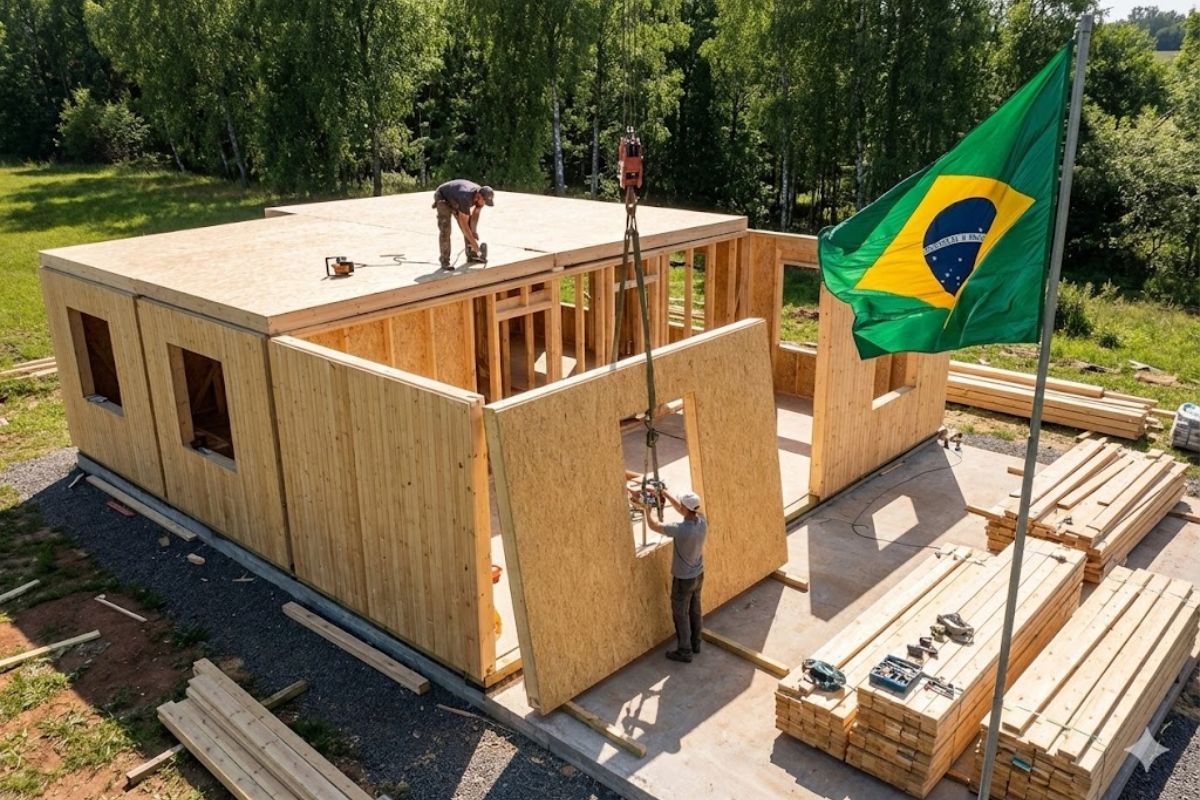
Video Story Shows How One Man Builds Entire House in Just 10 Days by Treating Construction as Assembly Line, Reducing Waste, Organizing Schedule in Stages, and Proving That Planning Replaces Surplus Money on Affordable Residential Work, Without Chronic Delays, Costly Rework, and Last-Minute Improvisation.
On December 19, 2025, the story of how a man builds an entire house in just ten days, spending little and following a strict work schedule, gained prominence on the internet. The construction, presented as the “cheapest house in 10 days,” was documented in a video that shows each phase in fast motion, from land preparation to final finishes.
The case became a topic of debate because the quick house does not rely on haste, but on method. Instead of improvising decisions during the work, the owner organized a sequential schedule, treated time as a costly resource, and made the construction function almost like an assembly line, with interlinked tasks and few breaks.
How Planning Allows One Man to Build a House in Just 10 Days

The starting point is simple and decisive: before starting any work, everything is planned on paper.
-
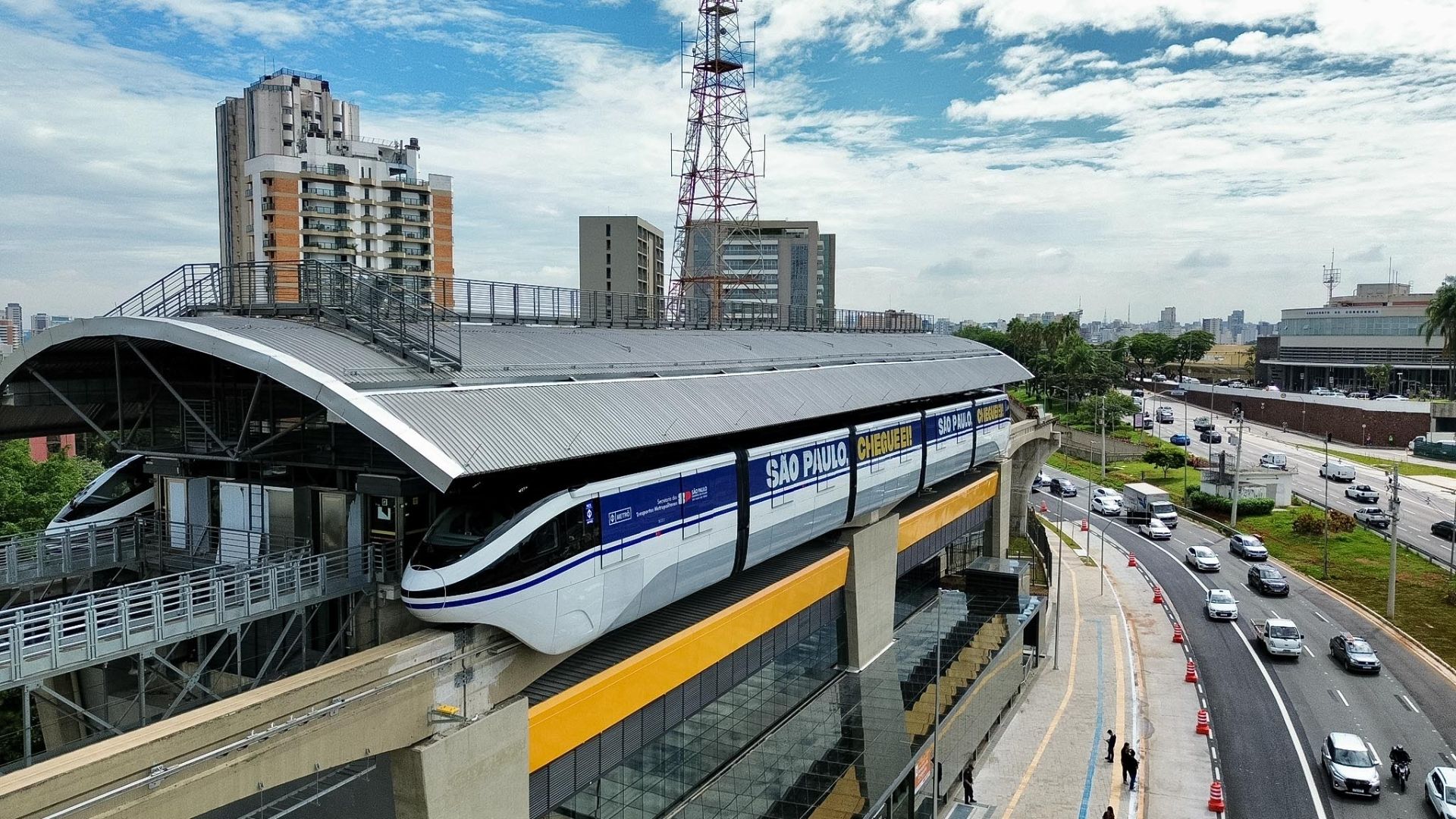
Congonhas receives the monorail promised for the 2014 World Cup after more than a decade of delays and becomes the first airport in Brazil with integrated subway.
-
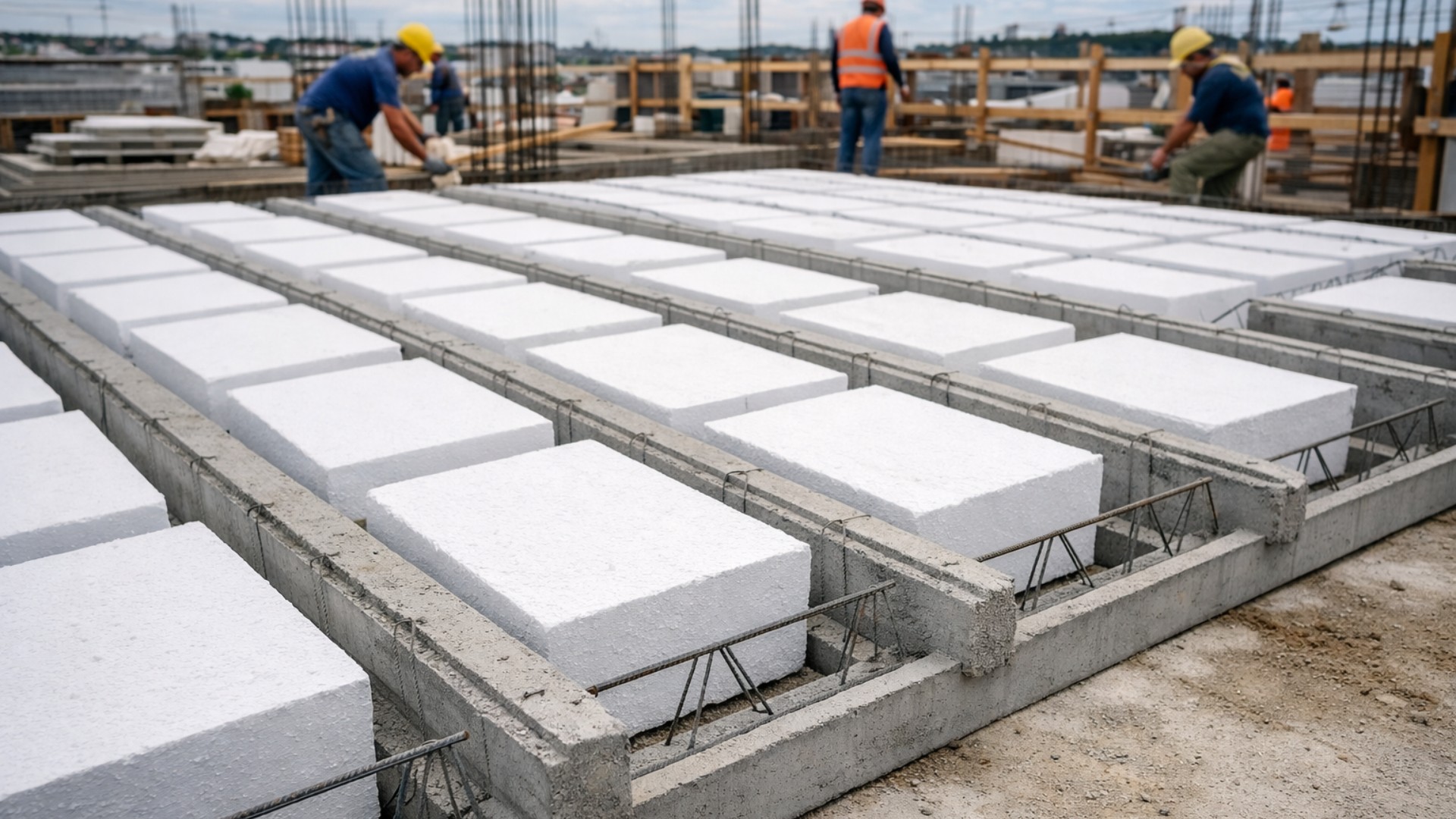
Goodbye, concrete: a new trend in civil construction reduces the weight of the structure by up to 30%, accelerates projects by up to 40%, cuts costs on steel and labor, and improves thermal insulation with EPS.
-
Russian engineers create an innovative propeller blade for aircraft that could completely change the way airplanes and helicopters operate.

-
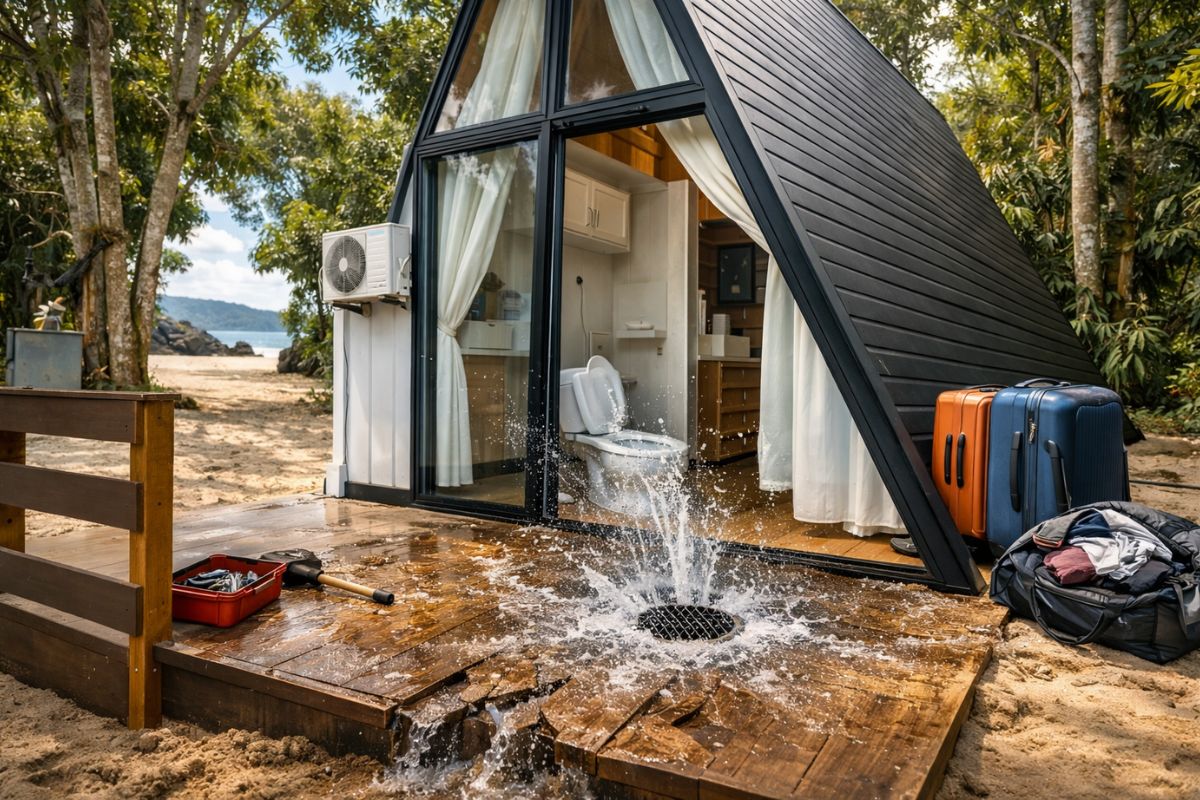
Couple finishes building PVC chalet on the beach on the last day, with air conditioning and curtains, but discovers the bathroom drain is inverted: water escapes from the drain, risking breaking the floor, and the rush continues before the trip.

Instead of buying materials gradually and adjusting measurements during execution, the project leader defines dimensions, stages, and execution order before raising the first wall.
Thus, when the work begins, the pace is continuous.
In this model, one man builds a house in 10 days because each day has a clear function.
There are days dedicated solely to foundation, others reserved for walls, roof structure, installations, and basic finishes.
The schedule reduces the risk of stops, rework, and waiting for supplies, which typically stretch residential projects for weeks or months.
Stages of Accelerated Construction, from Vacant Land to Habitable House
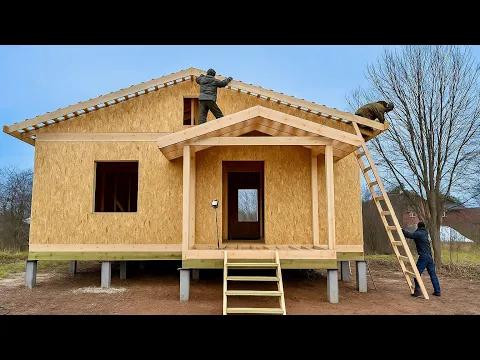

The sequence follows a strict logic from the vacant land.
First comes the cleaning and preparation of the area, with leveling and markings indicating where the walls will be raised and where accesses and wet areas will be located.
A well-marked base prevents measurement errors that lead to extra cuts, material loss, and lengthy corrections.
In the foundation and initial structure phase, the project uses simple systems suitable for the soil, like slabs or footings, always sized to support the weight of the house without waste.
Next, walls, columns, beams, or structural panels are added, quickly assembling the body of the construction, but without sacrificing the necessary resistance.
When the main structure is ready, the work advances to closure.
Light roofing, door and window frames, and internal partitions are installed in sequence, protecting the house’s interior and allowing subsequent stages to occur even on rainy days.
Only then do the basic finishes come in, with simple flooring, plastering, painting, and final adjustments that make the property ready for use.
Techniques to Spend Little Without Stalling the Work Halfway
The house built in just 10 days is inexpensive not because it cuts stages, but because it reduces waste and chooses solutions compatible with the budget.
The project uses structural blocks, lightweight roofs, and prefabricated elements whenever possible, decreasing execution time and the need for highly specialized labor.
Another central point is standardization.
Repeated measurements, compact design, and few cuts in walls and slabs reduce material leftovers and cutting errors.
Instead of improvising different shapes in each environment, the method prioritizes spans, heights, and widths that fit the commercial dimensions of blocks, tiles, and frames, keeping the project financially controlled.
Assembly Line in Practice: Interlinked Tasks and Less Waiting
In practice, the construction site operates like an assembly line applied to civil engineering.
While one team raises walls, another is already preparing installations and the next step, avoiding idle periods.
The organization of the workspace is also calculated: materials are kept close to where they will be used, and the movement path is designed to minimize unnecessary displacements.
The planning also considers drying times, such as for concrete and mortars, and fits these waiting windows with other parallel services, such as electrical, plumbing installations, or assembly of frames.
This integration allows one man to build a house in a short time without forcing critical stages and compromising structural safety.
Role of the Team and Discipline in the Lean Schedule
Although the example shows that one man builds a house with a focus on planning, execution requires a disciplined team aligned with the schedule.
Each professional needs to know what to do each day and which tasks depend on the completion of another.
There is no room for “to see later” or “to decide later” when the total deadline is 10 days.
Constant communication reduces failures.
If a material delivery is delayed, the plan includes alternative activities for that day, preventing the work from stopping.
If a stage takes longer than expected, subsequent phases are rearranged without losing control of the final deadline.
Thus, discipline in execution ensures that the affordable house in 10 days does not become an empty promise.
Replicable Model for Those Who Want to Build Quickly and with a Controlled Budget
The experience of the house completed in 10 days serves as a showcase for other projects seeking to combine speed and low cost.
It shows that, with a method, it is possible to go from the dream of homeownership to having the keys in hand in a short time, without relying on improvisations or inflated budgets.
Videos that follow the step-by-step process reinforce the idea that any economically planned project can follow a similar logic, adapting dimensions, materials, and layout to the conditions of each family.
The central point is that, before buying the first bag of cement, there should already be a complete execution plan, with deadlines, stages, materials, and responsible parties defined.
In the end, the central message is that a man builds a house in just 10 days not because he works faster, but because he decides fewer things at the last minute.
Instead of relying on “workarounds” or constant last-minute changes, the model proves that solid planning is worth more than surplus money when it comes to construction.
Would you be willing to follow a method where one man builds a house in just 10 days to cut costs, even if it meant giving up some project customization?









-

-

-

-

-

-

33 pessoas reagiram a isso.