





 Portuguese
  English
  Spanish
  4 min of reading
  0 comments


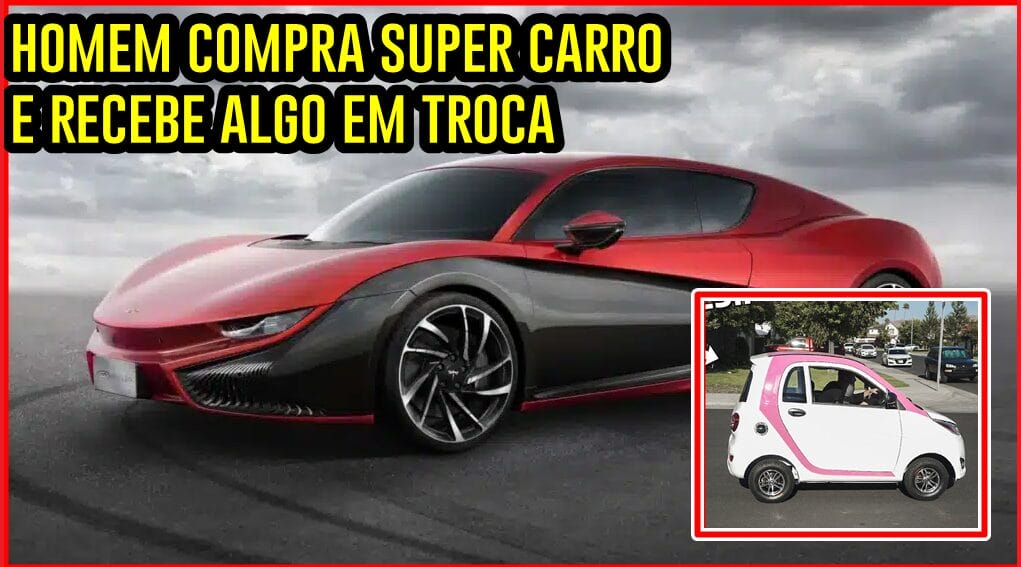
Spent Big and Got a Shock! Man Who Bought Electric Sports Car from China Receives Unexpected Vehicle Instead of the Chosen Model
The phenomenon of online shopping brings convenience, but it also comes with surprises that are not always pleasant. What happened to the YouTuber known as “The Inja” illustrates this dilemma well. He decided to buy a sports car for US$ 31,000 through Alibaba, one of the largest e-commerce sites in China.
Expecting an impressive model for his automotive adventures, he was disappointed. What arrived at his home was a “vehicle” that hardly resembled what he imagined — and the story spread.
-
Less than a Tera TSI, up to 710 km of range and charging in 9 minutes: the new BYD Song Ultra expands the Chinese brand’s bet on increasingly faster, more technological, and competitively priced electric SUVs.

-
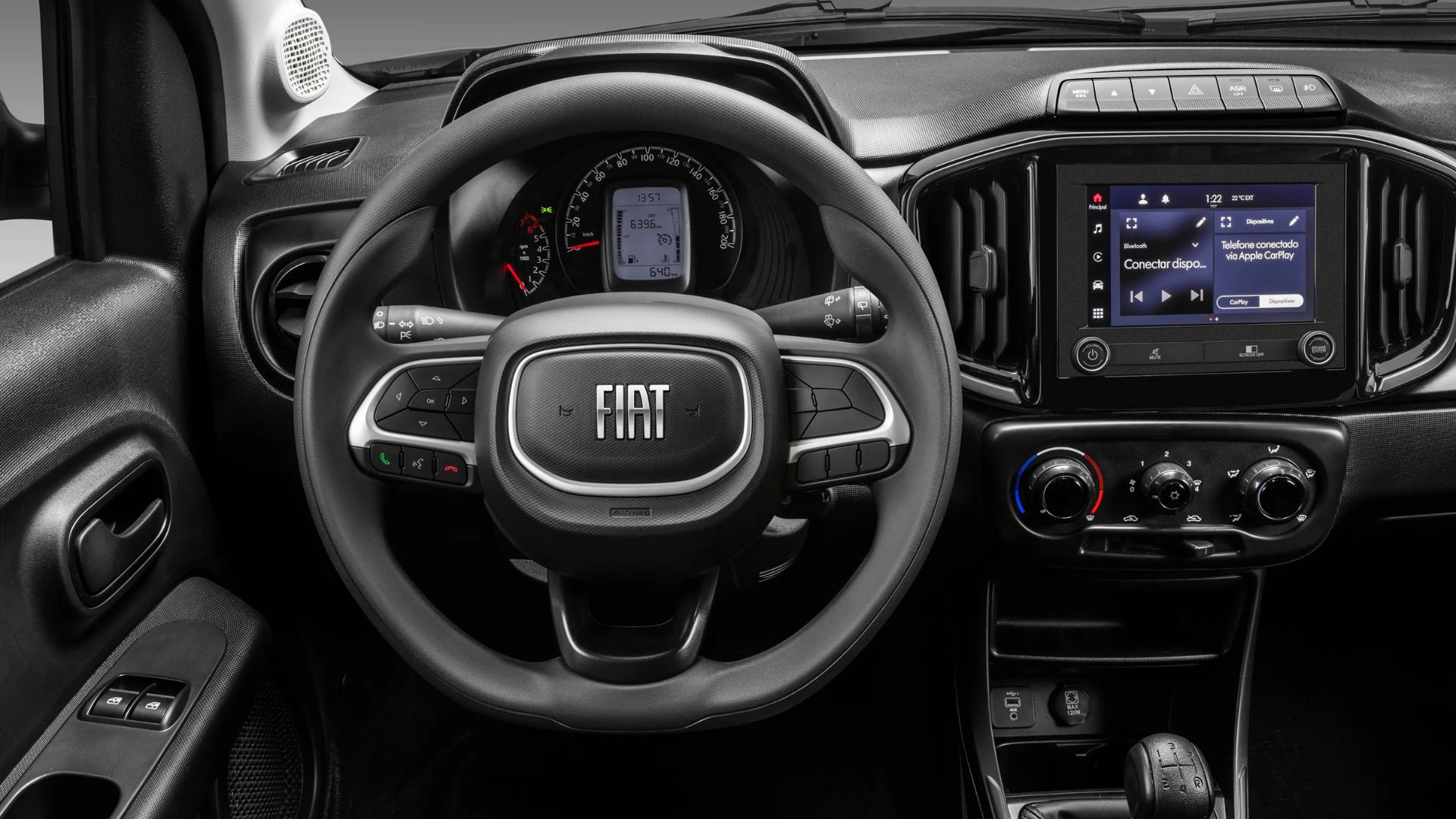
With a 1.0 engine producing 75 hp and costing less than R$ 70,000, Fiat’s car returns to the podium as the cheapest in the country; a temporary promotion for the 2026 Like version reduces the price of the Fiat Mobi.
-
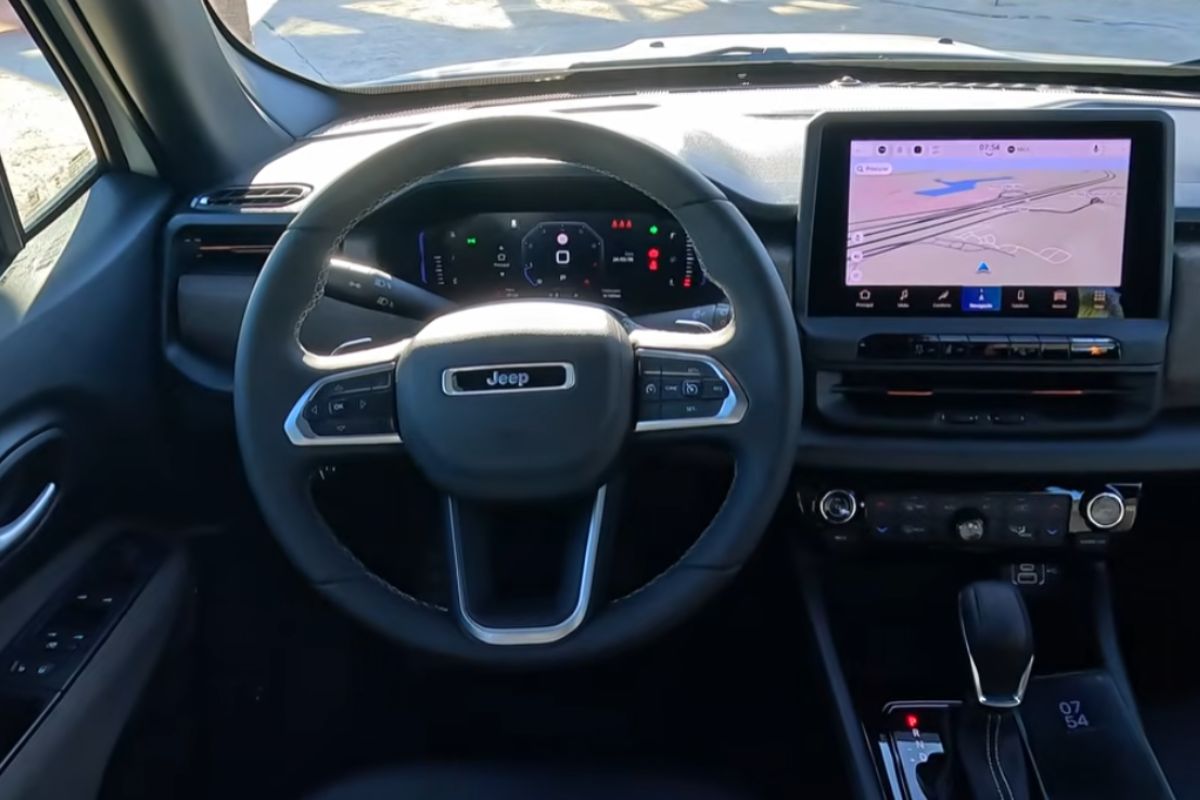
With a mild hybrid system of 48 V, 176 hp and a price of R$ 175,990 in the Sahara version, the new Jeep Renegade changes mostly on the inside, improves slightly in fuel consumption, and remains almost the same car.
-
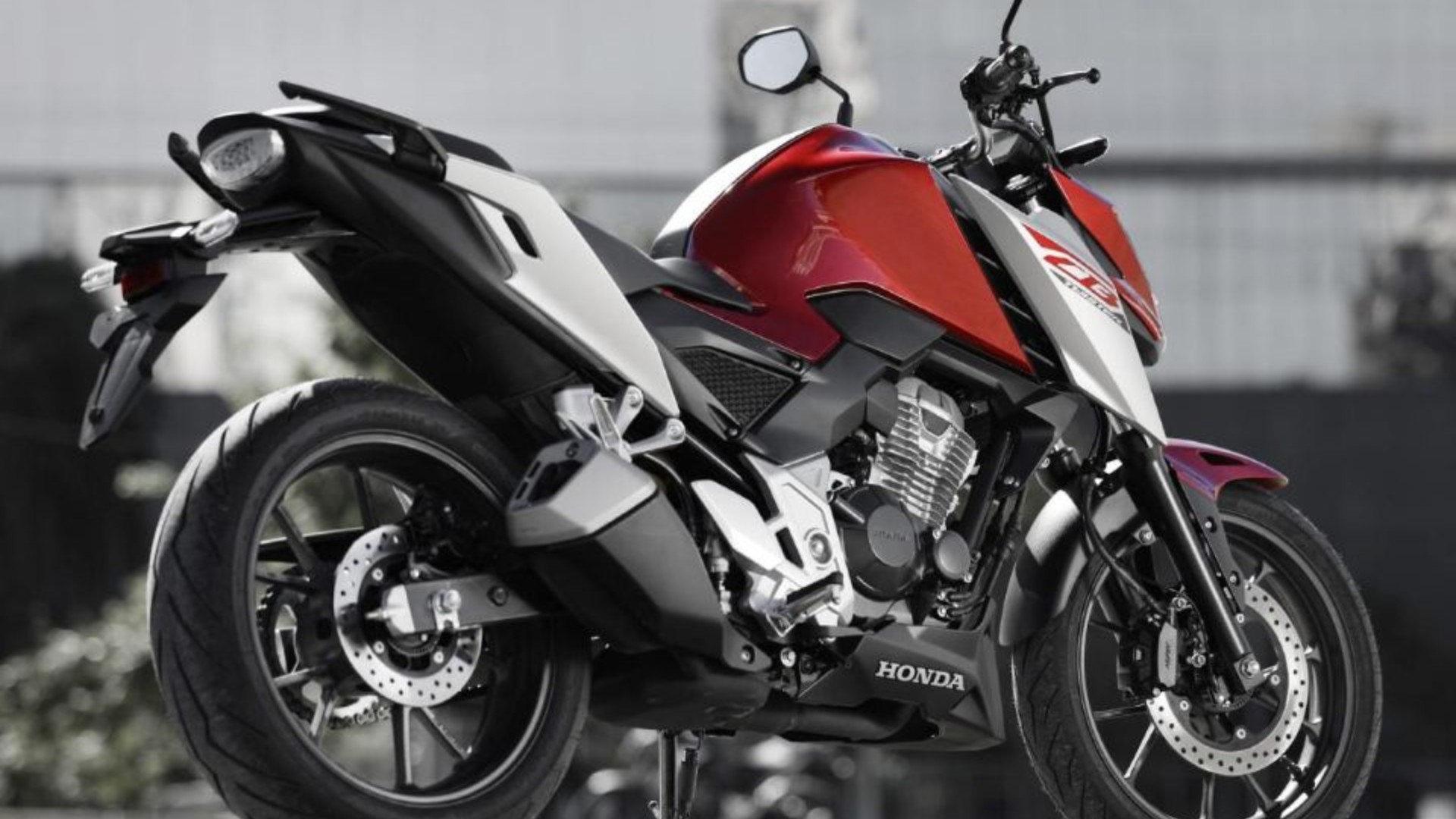
With a 293.5 cm³ engine and a range of up to 400 km with a 14.1-liter tank, the Honda CB 300F Twister 2026 has up to 24.7 hp, an initial price of R$ 25,150, and already exceeds R$ 29,000 in the Fipe Table.
The Dream of an Electric Sports Car
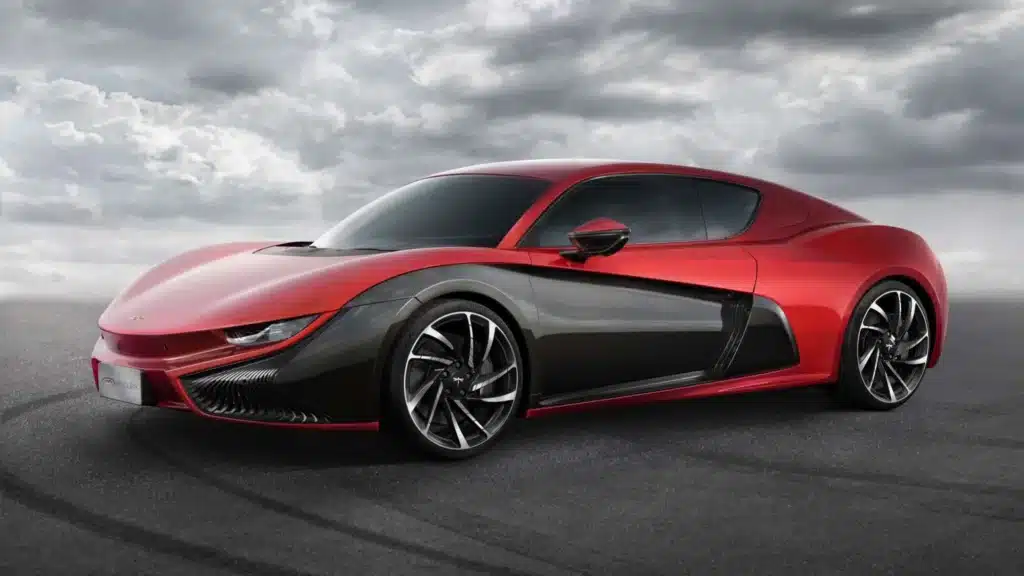
With the growing interest in electric cars, sports models like the Qiantu K50 stand out. This Chinese electric car has gained attention for its bold design and performance promises.
The Inja, fascinated by the model, found a listing that seemed to offer this exclusive sports car. The listing on Alibaba, however, did not provide details such as the exact name or official logos, yet he decided to take the risk.
Moreover, it is common for exclusive car models not to be widely available outside their home countries. In the case of the Qiantu K50, it was scheduled to be assembled in the United States in the future, but the “available” version in China remained officially inaccessible, which should have sounded an alert.
The Big Disappointment
After the investment of US$ 31,000, what arrived at The Inja’s address was very different from what he expected. Upon opening the shipment, he found a makeshift car that looked more like a vehicle assembled in someone’s garage than a high-performance sports car.
Instead of a sleek electric car, he received something resembling a mini Japanese car of the “Kei Car” type, but which hardly passed as a real car.
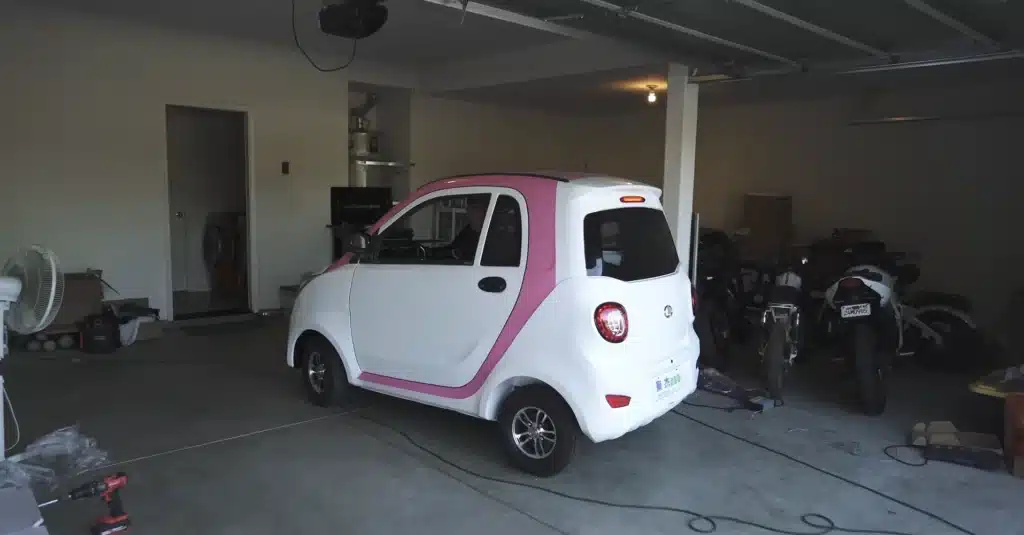
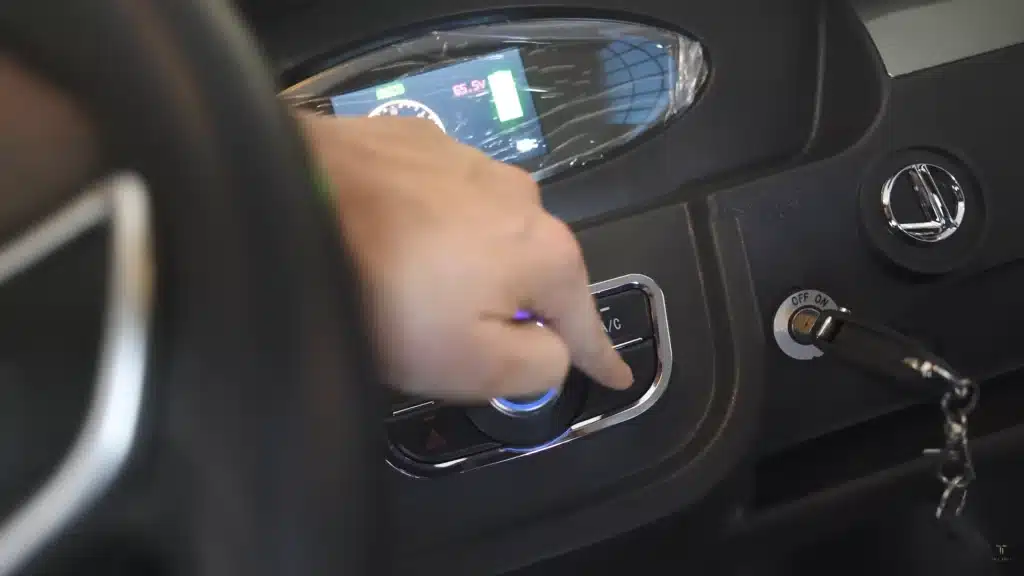
The vehicle was small and awkward, painted pink and white, and with an extremely low speed, something any buyer would be puzzled to see after such a high investment. To make matters worse, the car had a fake Lexus logo on the steering wheel, reinforcing the feeling that this was all a big scam.
A Warning for Online Shoppers
This case highlights the dangers of making high-value purchases on dubious websites, especially when the product in question is a complex good like an electric sports car.
Large items, such as vehicles, require certification, approval, and a series of guarantees that simply cannot be offered by all sellers.
The Inja, despite the initial frustration, turned his experience into a warning for followers and those dreaming of the latest innovations in the automotive world.
He emphasized that while Alibaba is a reliable platform, it is essential to verify the seller’s credentials and, above all, the details of the listing before deciding to make such a significant purchase.


Sports Cars in Brazil
The Brazilian automobile market has been gaining new features, and among them is the entry of Chinese sports cars, which promise to transform the segment in the country. These Chinese brands, known for innovating in technology and offering more competitive prices, are now betting on sports models with bold designs, high performance, and even options with electric and hybrid engines.
With this, they seek to challenge more traditional brands and win over a discerning audience that values both cost-effectiveness and quality. Models from Chery and Great Wall, for example, are already in Brazilian territory, offering sports cars with standard items that are usually optional in other brands, increasing accessibility for those dreaming of a high-performance car.
In addition to more attractive prices, Chinese sports cars come with advanced technology, including driver assistance systems, advanced connectivity, and increasingly refined finishes.
These vehicles also stand out for their environmental appeal, as many models are electric or hybrid, aligning with the sustainability trends and fuel economy sought by modern consumers.
For the Brazilian market, the arrival of these models represents an expansion of options, boosting competitiveness among manufacturers and offering consumers a new alternative of high performance and sophistication, paving an interesting path for the future of sports mobility in the country.








Seja o primeiro a reagir!