





 Portuguese
  English
  Spanish
  4 min of reading
  0 comments



The Surprising Case Of A French Public Employee Who Sought Hospital Treatment For A Simple Headache And Discovered He Had Lived Decades With Nearly The Entire Brain Compressed By Fluid Challenges Neuroscience And Reveals The Power Of Human Neuroplasticity.
A 44-year-old French man sought medical attention after experiencing headache and weakness in his left leg. What seemed like a routine examination turned into one of the most intriguing cases in modern medicine: doctors discovered that he had lived his entire life with 90% of his brain compressed and replaced by fluid, a condition caused by untreated hydrocephalus in childhood.
Despite the impressive diagnosis, the patient led a normal life. He was married, a father of two, and a public employee, with an IQ of 75 below average, but sufficient to maintain a functional and independent routine. The case, reported in the scientific journal The Lancet, challenges the limits of what is understood about consciousness and the brain’s adaptive capacity.
The Discovery That Intrigued French Doctors
The episode occurred at La Timone Hospital in Marseille after the patient reported intermittent weakness in his left leg.
-
With a façade that resembles a giant zipper, the building in Milan creates a sense of strangeness, featuring lighting that transforms engineering and attracts the attention of residents and tourists.

-
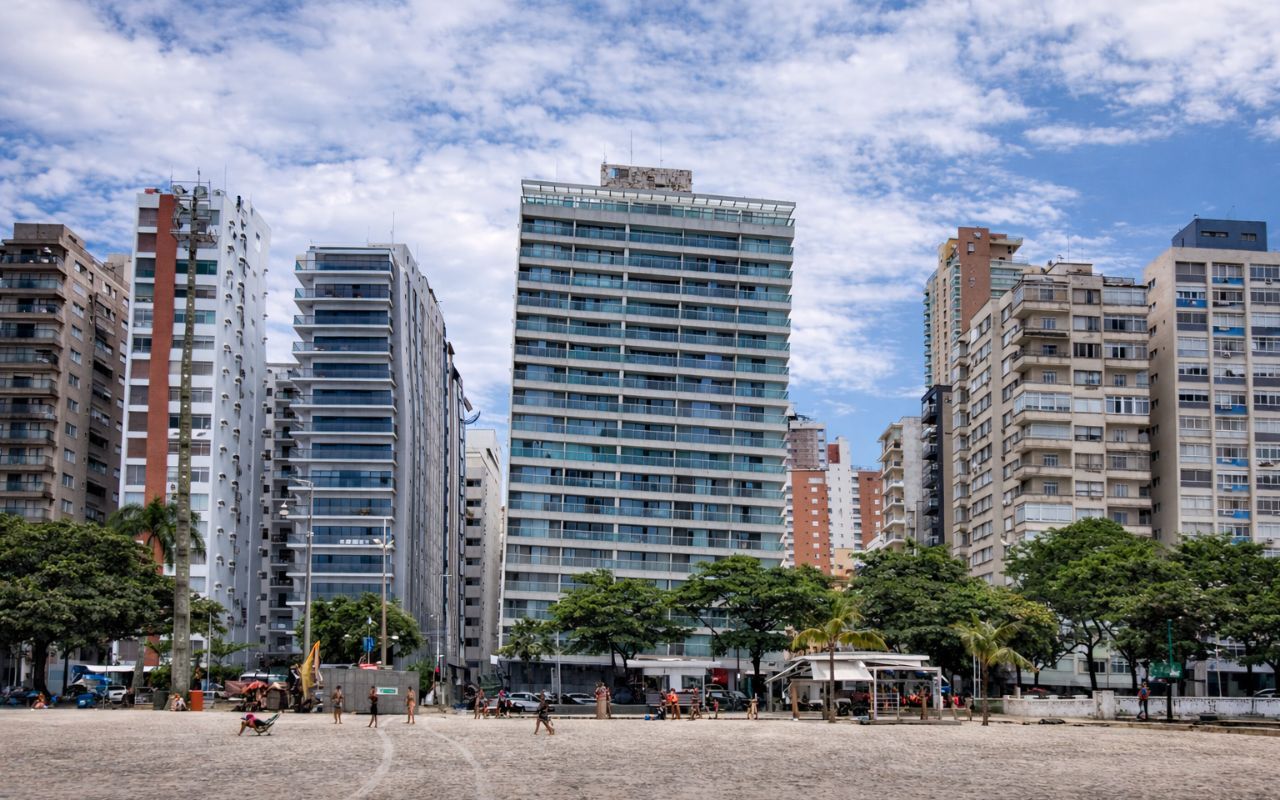
The Brazilian city has 319 crooked buildings built on sandy soil without proper deep foundations, houses the largest beach garden in the world, with over 5 km, and is still considered the birthplace of surfing — meet Santos, in São Paulo.
-
New Zealand builds a shimmering building that vibrates, featuring a 62-seat cinema, moving sculptures, and an environment where sound, light, and energy are felt in the body.

-
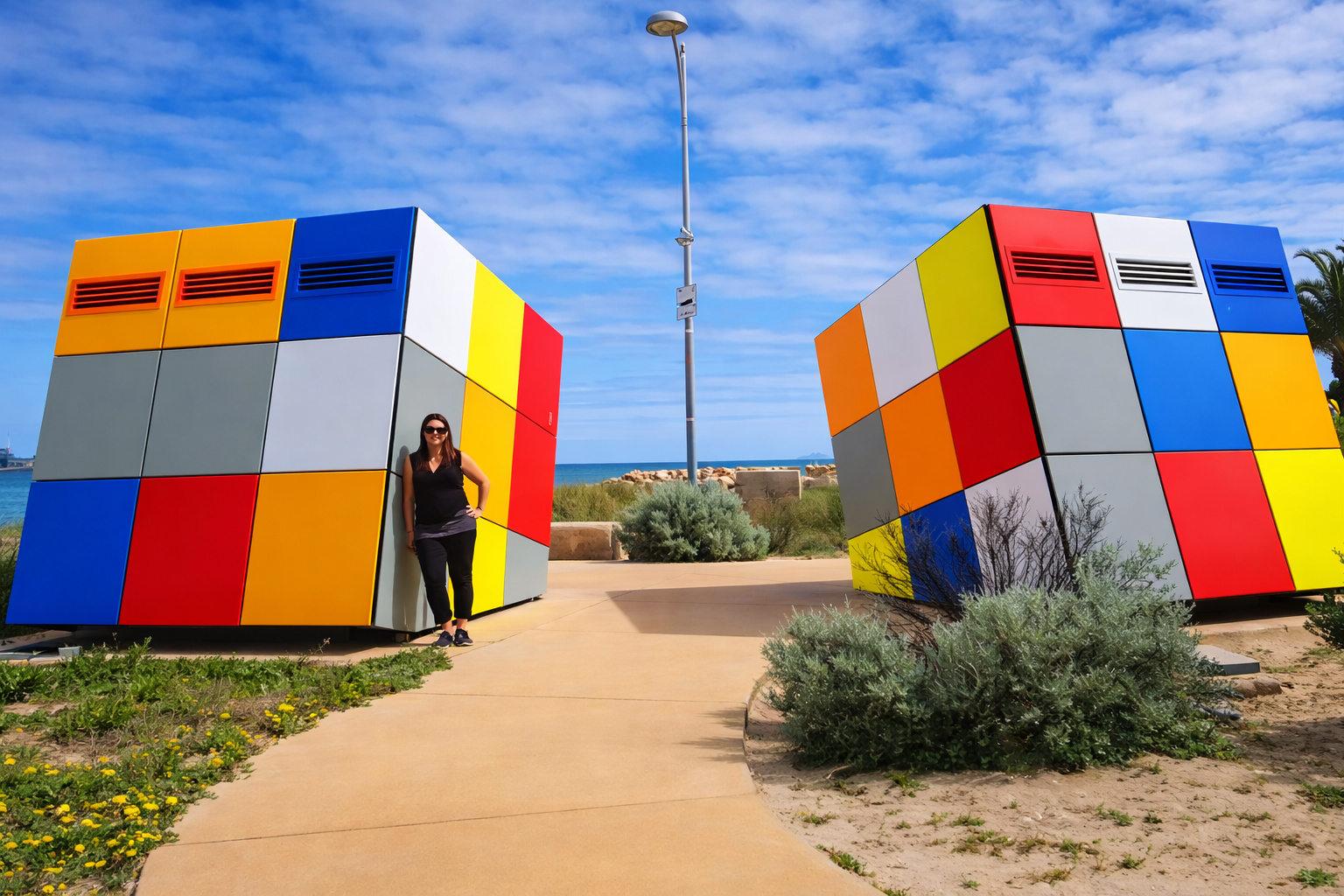
Two colored cubes of 2.5 m transform a public bathroom into a selfie spot in Western Australia, costing up to 75% less than traditional construction and helping to reduce vandalism in public spaces.

The medical team decided to conduct a CT scan and an MRI, which revealed an extraordinary finding: most of the interior of the skull was hollow, filled with cerebrospinal fluid.
The remaining layer of brain tissue was so thin that it was pressed against the inner walls of the skull.
Still, all of the man’s vital and cognitive functions remained preserved.
Neurologist Lionel Feuillet, who was responsible for the study, classified the case as “an impressive demonstration of the human brain’s adaptive capacity.”
The Origin: An Untreated Hydrocephalus In Childhood
Medical records showed that the patient had been diagnosed with hydrocephalus as a child, a condition in which cerebrospinal fluid accumulates in the brain’s ventricles, causing internal pressure and skull expansion.
In childhood, he had undergone the implantation of a shunt to drain excess fluid, but the drainage system became clogged over the years, allowing fluid to accumulate again.
The process was slow and progressive, giving the brain time to gradually reorganize itself and adapt its functions to a shrinking space.
Neuroplasticity: How The Brain Adapted To Live With Almost “No Brain”
The most impressive aspect of this case is the neuroplasticity, the brain’s ability to remodel and redistribute functions in response to damage or structural limitations.
As the accumulation of fluid occurred over decades, the brain had time to reallocate its essential functions to the remaining areas.
Examinations showed that, even with only 10% of the brain volume preserved, the regions responsible for language, motor skills, and reasoning remained active.
This gradual reorganization allowed the man to maintain a normal social, family, and professional life, without showing signs of severe intellectual impairment.
What The Case Teaches Science And The Philosophy Of Mind
The case raised profound debates among neuroscientists and philosophers about the nature of consciousness and human intelligence.
After all, how can someone maintain perception, memory, and self-awareness with such a reduced brain structure?
Researchers point out that the episode reinforces the idea that consciousness does not strictly depend on the size or integrity of the brain, but rather on how neural networks are organized and interact.
This case is now cited in studies on neural resilience and extreme functional reorganization.
An Almost Absent Brain, But A Fulfilling Life
After the diagnosis, the patient underwent a new drainage procedure to relieve intracranial pressure.
Within weeks, the weakness in the leg disappeared, and he could return to his normal routine.
For the doctors, the most remarkable aspect was not just survival, but the fact that the man never showed relevant cognitive symptoms until adulthood.
He drove, worked, raised his children, and maintained social relationships—all with a brain that, technically, should be incapable of sustaining such functions.
Do you believe that the human mind can go beyond the physical limits of the brain? Or do cases like this challenge what we know about consciousness and intelligence? Leave your opinion in the comments—we want to know what you think about this boundary between body and mind.









-

-

-

-

13 pessoas reagiram a isso.