





 Portuguese
  English
  Spanish
  4 min of reading
  0 comments


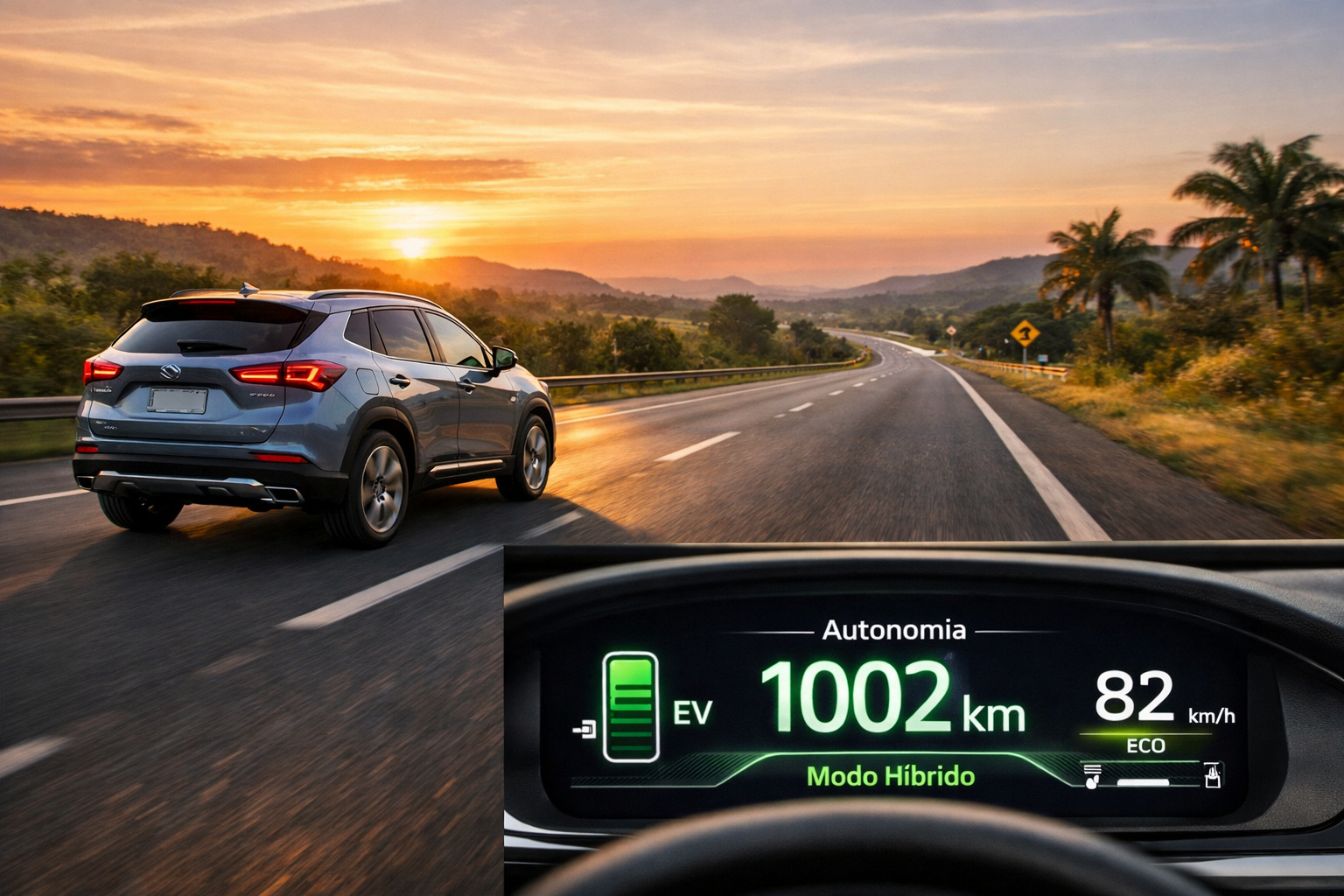
Larger Batteries, More Efficient Engines, and Advanced Hybrid Systems Allow Models Sold in the Country to Run up to 1,200 km Without Refueling, Changing the Consumption and Mobility Pattern in the National Market

The evolution of hybrid cars in Brazil has reached a new level in recent years. Thanks to larger capacity batteries, more efficient combustion engines, and increasingly sophisticated electronic systems, some models sold in the country can already travel long distances without frequent stops. In certain cases, the combination of a fully charged battery and a full tank allows for nearly 1,000 km—or even more.
This information was disclosed through technical data from the manufacturers themselves, official homologations, and specifications presented for the Brazilian market. Furthermore, according to institutional materials and commercial presentations, the combined range has become one of the main selling points for plug-in hybrids and electric vehicles with range extenders.
Next, see the five hybrid cars with the highest combined range in Brazil, considering official data and estimated average use.
-
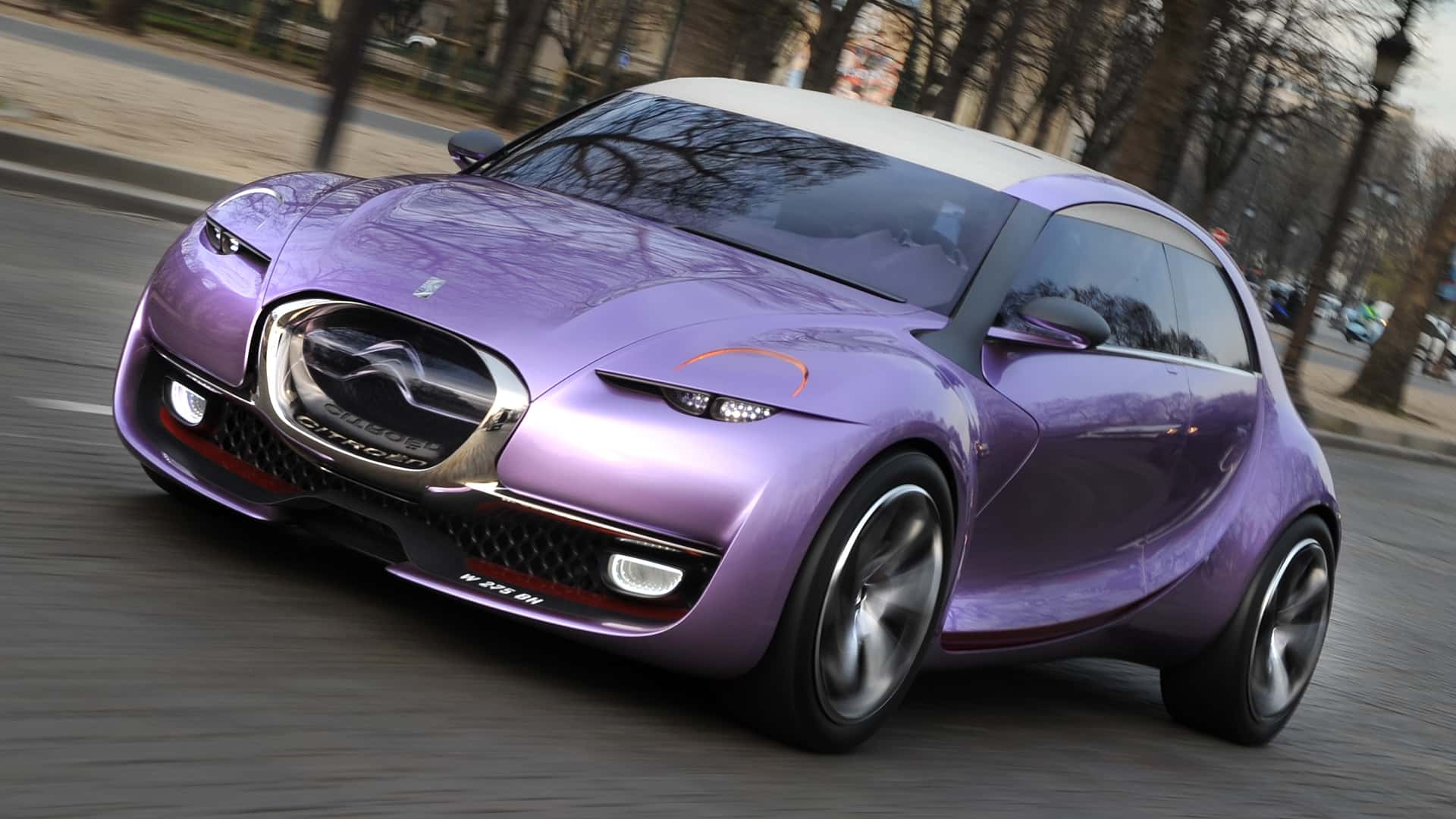
After decades out of the spotlight, Citroën is preparing to bring back the legendary 2CV as a low-cost electric vehicle, betting on the revival of one of the most popular cars in history and aiming to enter the race for affordable compact cars.
-
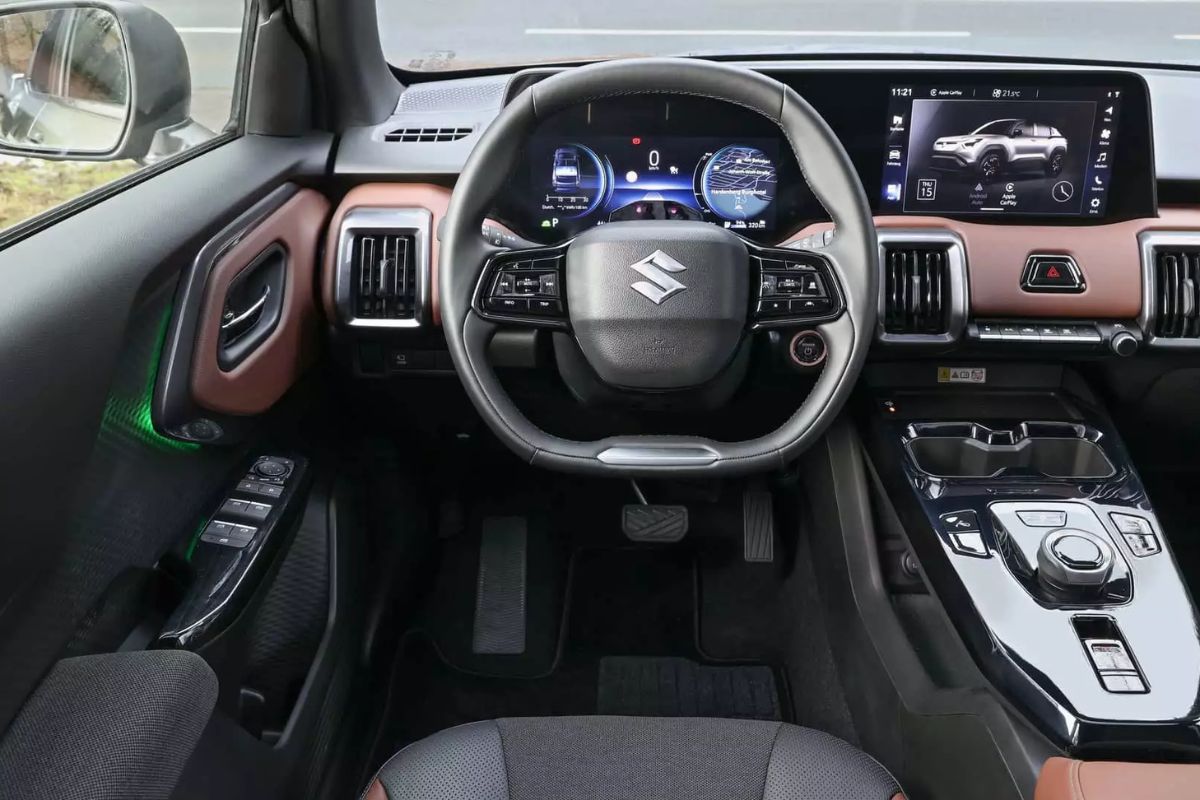
The 2026 electric Vitara arrives in Brazil and proves that Suzuki is not leaving: 4×4 traction, 184 hp, 61 kWh LFP battery, 293 km range, R$ 259,000, and a trunk capacity of 224 L.
-
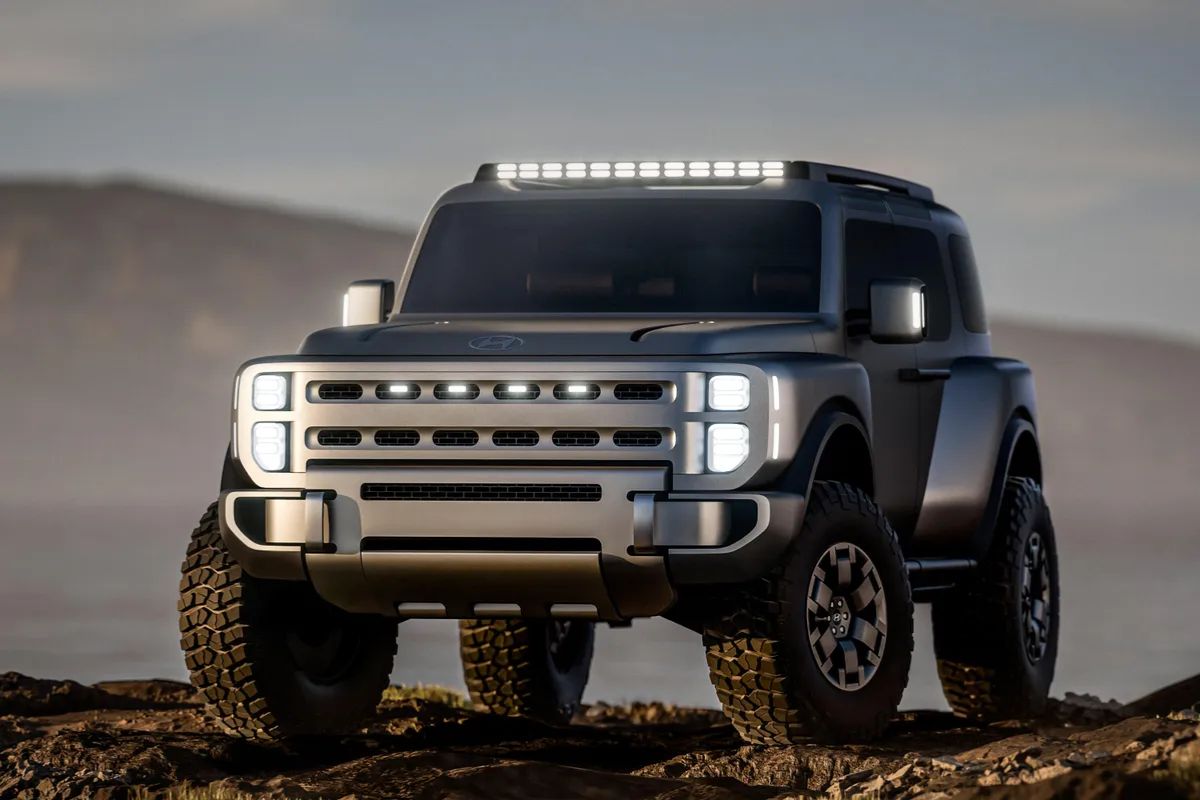
Hyundai has unveiled the Boulder, a square SUV with a body-on-frame design, 37-inch mud tires, and carriage-style doors that seems to be made to take on the Ford Bronco and the Scout Traveller in the United States.
-
The Toyota Hilux is R$ 75.5 thousand cheaper and bets on the 2.8 turbodiesel engine with up to 204 hp and 50.9 kgfm to catch up with the VW Saveiro, which leads with 4,472 sales.

BYD Leads in Range with Song Plus DM-i and King GS DM-i
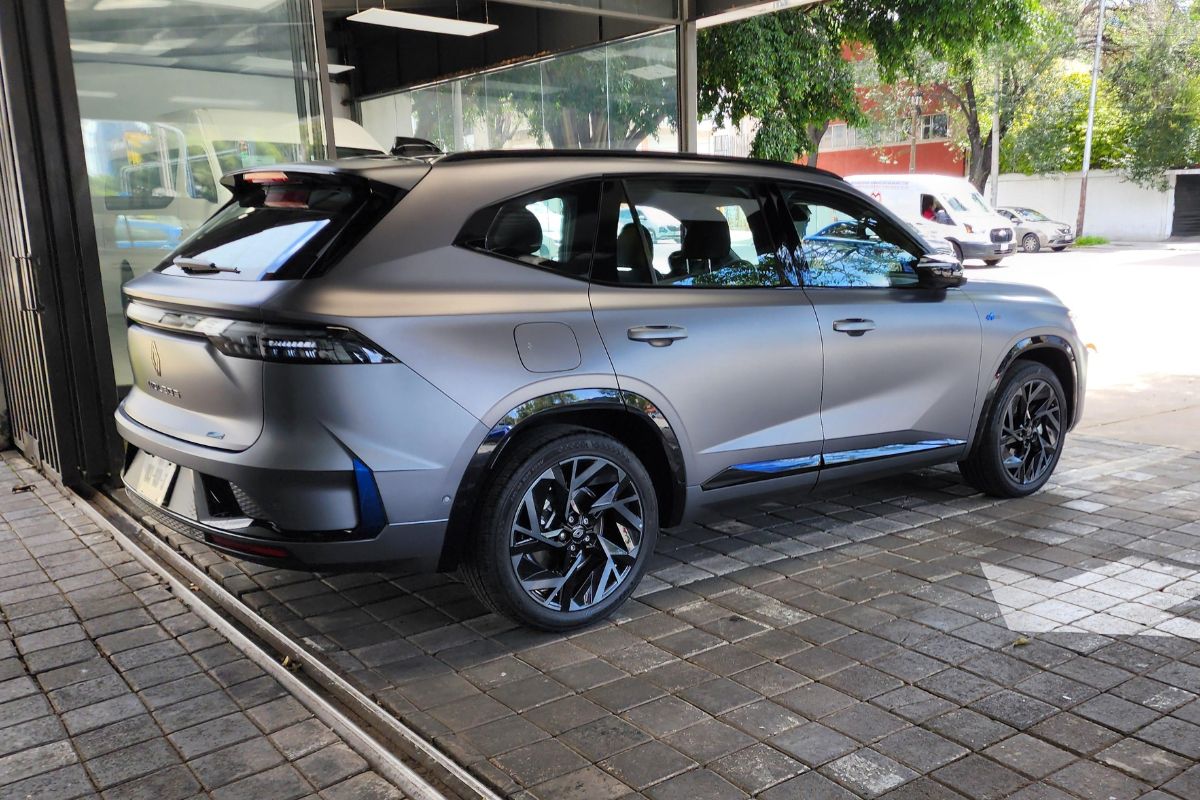
Currently, BYD tops the list when it comes to total range. The BYD Song Plus DM-i stands out as one of the most efficient plug-in hybrids for sale in the country. The SUV utilizes DM-i technology, which prioritizes the use of the electric motor and only activates the combustion engine when necessary.
The mechanical set combines a 1.5 gasoline engine with an electric motor, delivering a combined power of around 235 hp. The Blade battery of 18.3 kWh allows for approximately 100 km in 100% electric mode, depending on the usage cycle. Additionally, the 52-liter tank ensures a total combined range close to 1,200 km, one of the highest figures in the national market.
In the same vein, the BYD King GS DM-i, the sedan version of the technology, delivers similar performance. With the same plug-in hybrid setup, 18.3 kWh battery, and 235 hp combined power, the model also reaches a total range close to 1,200 km, according to data released by the manufacturer.
Electric Vehicle with Range Extender Gains Space in Brazil
The Leapmotor C10 REEV adopts a different approach. It functions as an electric vehicle with a range extender, also known as REEV or E-REV. In this system, the combustion engine does not drive the wheels. Instead, it acts solely as a generator of energy.
The SUV is powered by a 215 hp electric motor, fueled by a battery of about 28 kWh, which provides approximately 110 km of pure electric range. When the charge runs out, a 1.5 gasoline engine starts up solely to generate electricity.
With a full tank, the total range varies between 950 km and just over 1,000 km, depending on the homologation cycle and actual use. Thus, the model combines the experience of an electric car with the comfort of extended range.
Power and Efficiency Meet in GWM Haval H6 PHEV34
The GWM Haval H6 PHEV34 is among the most powerful plug-in hybrids sold in Brazil. The model combines a 1.5 turbo gasoline engine with two electric motors, delivering a combined power of approximately 393 hp and torque exceeding 77 kgfm.
The 34 kWh battery, one of the largest in the segment, allows for an electric range of up to 120 km, according to GWM data. Additionally, the tank of about 55 liters contributes to a total range that exceeds 800 km, even with a greater focus on performance than extreme efficiency.
Toyota Bets on Balance with RAV4 Plug-in Hybrid
The Toyota RAV4 Plug-in Hybrid follows the philosophy of the Japanese brand, which prioritizes reliability, robustness, and balance. The setup combines a 2.5 gasoline engine with two electric motors, resulting in a combined power close to 306 hp.
The battery of approximately 18 kWh allows for a range of between 50 and 60 km in electric mode, while the 55-liter tank ensures good range on road trips. In combined use, the range varies between 700 km and nearly 900 km, depending on driving conditions.
Although it falls short of BYD’s leaders in absolute numbers, the RAV4 stands out for the robustness of its hybrid system and the brand’s tradition in the segment.
With these technologies, hybrid cars are no longer just an intermediate alternative and begin to play a central role in the energy transition. Furthermore, the elevated range reduces charging anxiety and increases the appeal for those seeking efficiency without sacrificing practicality.
With ranges reaching 1,200 km, do you believe that hybrid cars have become more practical than pure electric vehicles for the Brazilian reality?








Seja o primeiro a reagir!