





 Portuguese
  English
  Spanish
  4 min of reading
  0 comments


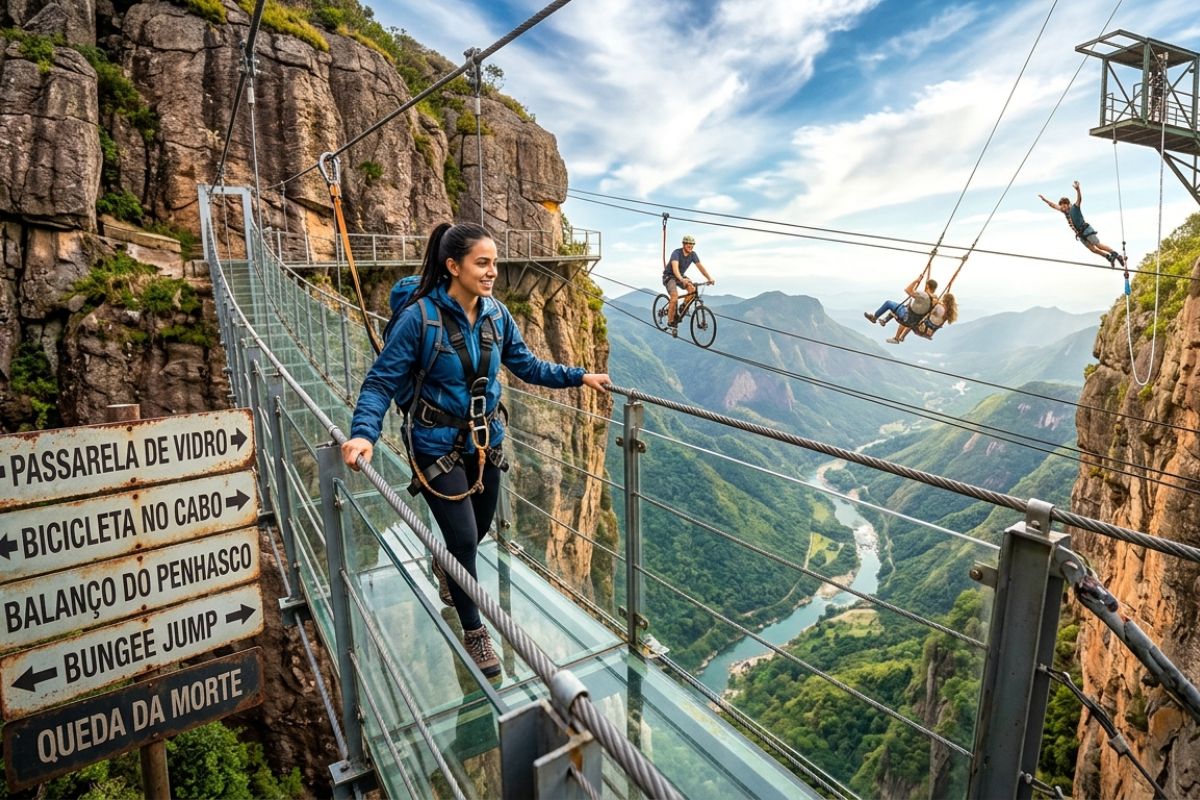
With eight challenges in sequence, the amusement park transforms the fear of heights into a test with a glass walkway, zip line, and the Plunge of Death up to the final jump
I entered the amusement park that is called the most dangerous in the world with a clear goal: to overcome the fear of heights in practice, challenge by challenge. The idea was to face discomfort head-on, like in exposure therapy, even knowing that I would shake, freeze, and think about giving up several times.
The itinerary was simple and brutal: eight increasingly difficult levels, starting with the largest glass walkway in the world and ending with the Plunge of Death. No turning back, no shortcuts, and with the constant feeling that the body wants to retreat before the mind accepts.
Why this amusement park becomes a psychological test
What scares is not just the height. It’s the combo of transparency, swaying, wind, and the perception of emptiness beneath your feet. The brain interprets it as risk, even when there is equipment and staff nearby.
-
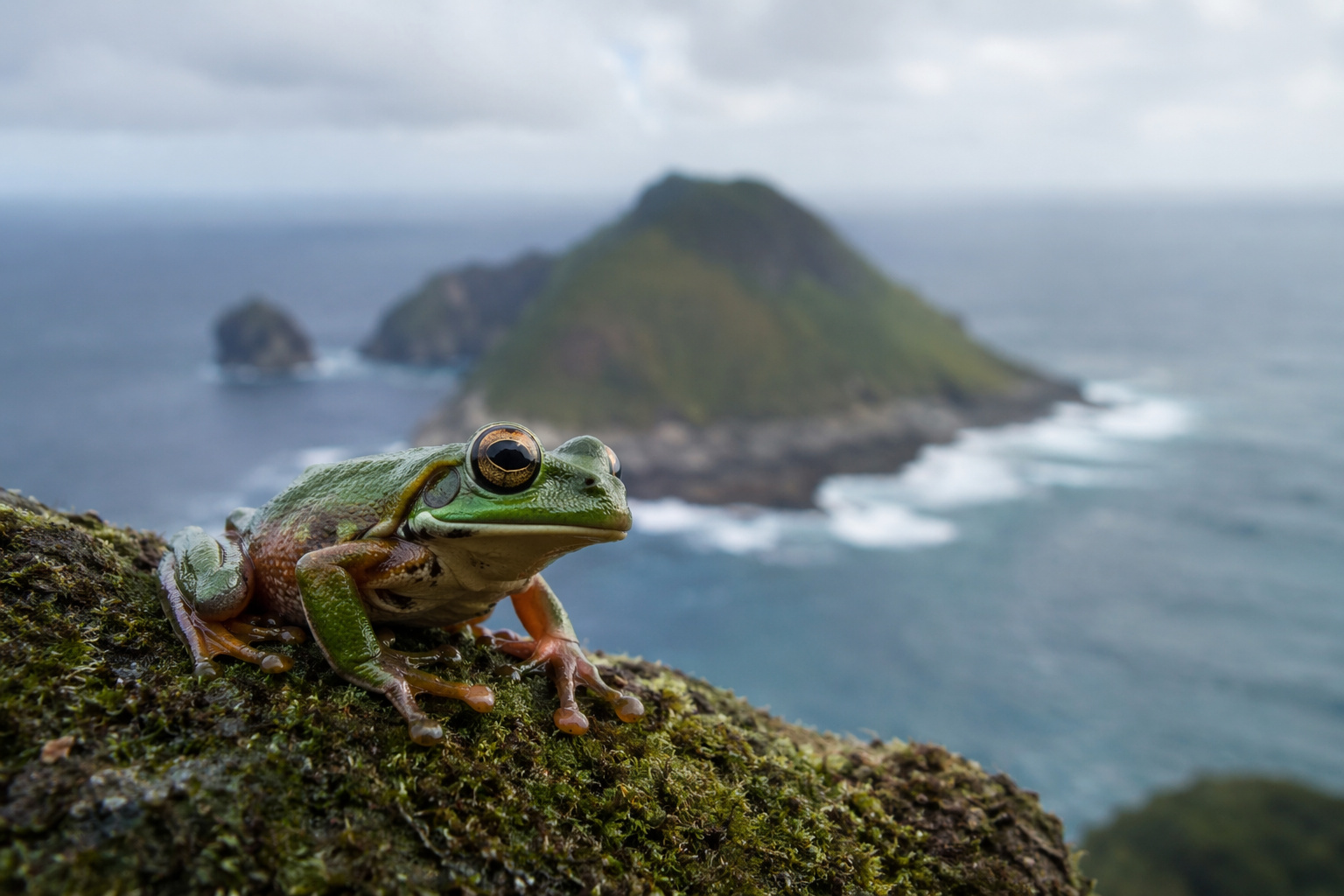
How do frogs and toads manage to cross oceans without swimming and appear on isolated islands? A study involving over 3,800 islands reveals rare events, “invisible journeys,” and the secret role of climate and distance from the continent.
-
The Federal Revenue updates rules for access to digital services and imposes a new standard with a gov account: more security, control of authorizations, and changes in the use of the electronic portal.

-
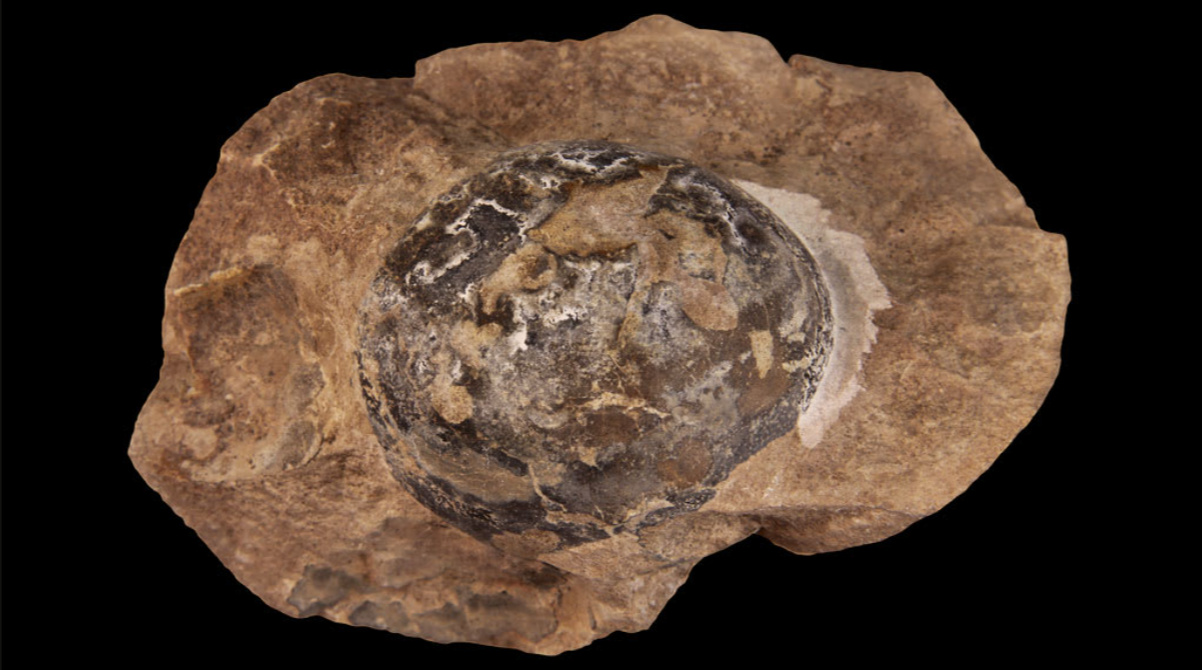
All mammals on the planet were born from eggs 250 million years ago, and scientists have just found the first evidence of this hidden inside a skull smaller than a coin in South Africa.
-
A 68-year-old pizza delivery driver went off route to buy a soda that was missing from a visually impaired customer’s order, refused an extra tip, and now Dan Simpson has over R$ 546,000 in donations from people around the world who want to ensure he can retire peacefully on April 30.
The logic of the experience is exposure: repeat the stimulus, feel the fear, and continue anyway. Inside the amusement park, the “treatment” happens in the form of attractions, with an implicit rule: each victory opens the way for the next step, and the next step always seems worse.
Level 1: the glass walkway that puts the emptiness in your face

The first impact comes when you step on the glass and see cars, the road, and everything below. The height stops being a concept and becomes an image, right in front of you. The body reacts: stiff legs, short breaths, hands searching for support.
And there’s another psychological detail: the swaying. When the structure moves, the mind interprets it as a loss of control. That’s how fear gained volume right at the beginning, inside the amusement park, even before any jump.
Level 2: bicycle on the tightrope, hanging in the air

The second stage swaps “walking” for “balancing.” The bicycle is on a very thin cable, with nothing underneath. It’s the kind of situation where you feel your heart take control. And there’s also the trust factor, because it’s a challenge for two.
In this part, fear changes shape. It’s not just height; it’s the feeling that you are not in control of the pace. Inside the amusement park, this creates continuous stress because the brain seeks safety and finds no pause.
Swinging on the cliff: when the playground becomes an abyss

The swing seems ordinary until the moment you understand that you are going over the cliff. What was childish becomes radical in a second. The impression is of being pulled and pushed in a place where any movement seems definitive.
The feeling here is different from the other challenges, almost like a roller coaster, but with the abyss open. In the amusement park, this stage has a clear effect: it forces you to accept discomfort without negotiating with it.
Glass suspension bridge, giant zip line, and the climb of fear
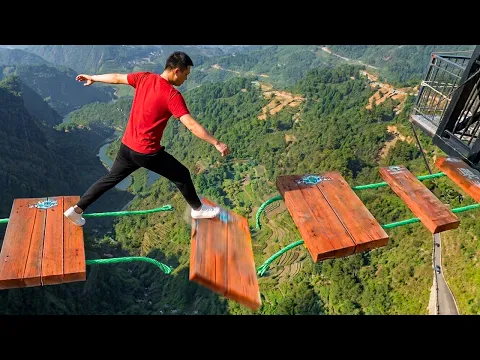

After the walkway, comes an even more transparent glass suspension bridge. Each step brings micro movements, and you feel the sway in your body. The scenery may be beautiful, but the mind insists on calculating the risk.
Next, the giant zip line appears as a long, fast, and emotional descent. The curious thing is that, after the initial scare, the feeling can turn into relief.
Still, the narrator makes it clear: the worst was not the zip line. The worst was saved for the end, in the amusement park.
The Bridge of Death and the bungee jump that locks the legs

The Bridge of Death comes as a test of persistence. You need to go back and forth, with gaps that seem to widen and force the body to slow down. It’s the moment when fear turns into trembling and the desire to stop becomes an argument.
Then comes the bungee jump from the cliff. The tension rises because it’s a conscious decision: you reach the edge, feel the cord, hesitate.
Inside the amusement park, this phase serves as the final warm-up for what truly haunts: the Plunge of Death.
Plunge of Death: the last step to overcome the fear of heights

The Plunge of Death is treated as the final challenge. The narrator mentions that there were reports of someone who died there before, and that weighs on the atmosphere. Even with safety checks, the mind creates scenarios and adrenaline takes over.
In the end, what changes is not that fear disappears. What changes is the relationship with it. Upon completing the Plunge of Death, the narrator says he felt free and that overcoming a big fear once makes the next step easier. And the amusement park becomes, paradoxically, a place where panic turns into learning.
Quick question: would you face an amusement park like this to cure your fear of heights, or would just seeing the glass walkway be enough to make you give up?






Seja o primeiro a reagir!