





 Portuguese
  English
  Spanish
  5 min of reading
  0 comments


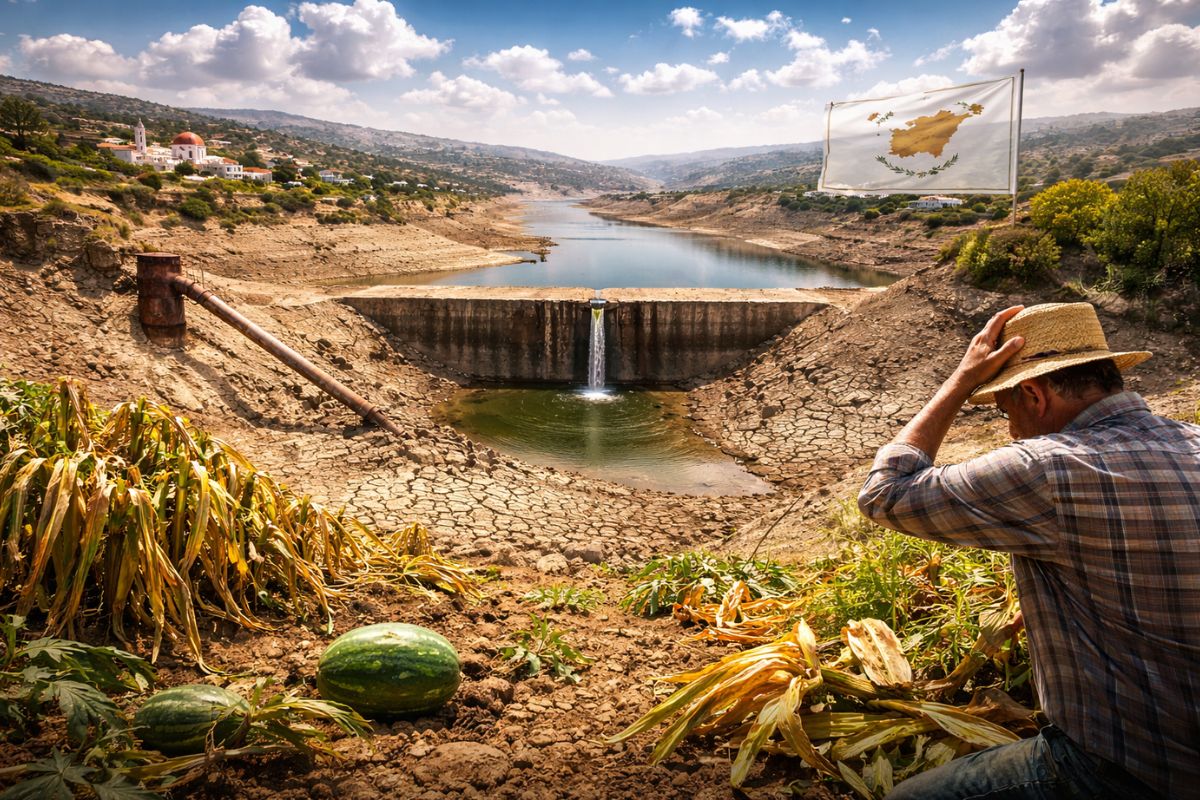
In The Midst Of Historic Drought, The Island Of Cyprus Asks Residents To Reduce Daily Water Use, Faces Reservoirs At Around 13.7% Capacity And Races Against Time To Avoid A Water Collapse On The Eve Of The High Tourism Season.
The Island Of Cyprus, in the Eastern Mediterranean, is experiencing the worst drought in over a century, with water inflows in dams at their lowest levels since 1901. While forests dry up, reservoirs nearly empty, and farmers see irrigation cut, the government announces emergency packages, campaigns to reduce consumption by 10%, and an accelerated desalination plan to try to mitigate the crisis.
Century Drought On The Island Of Cyprus: Every Drop Counts Now
Authorities explain that this is the worst drought ever recorded on the Island Of Cyprus in recent memory, with reservoirs receiving less water than at any other time since the start of hydrological records in 1901.
Large areas of the country are literally “burned”: cracked soils, dried vegetation, and even areas of forest collapsing.
-
Goodbye iron: new technology from Xiaomi promises to revolutionize the way we iron clothes with 500 kPa steam, continuous flow of 120 g/min, heating in 65 seconds, and six smart modes for different fabrics.

-
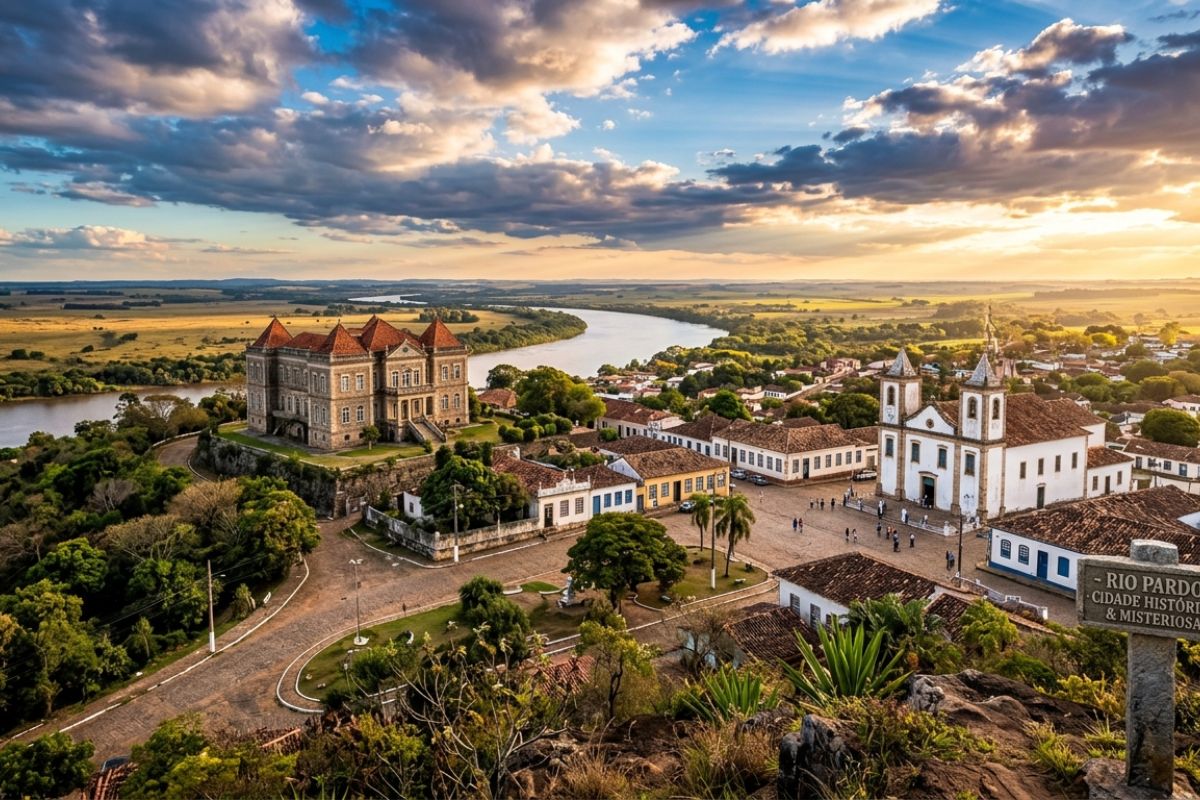
Rio Pardo, the most mysterious city in Rio Grande do Sul: untouched Pampas castle, the missing treasure of the Devil Boy, bride’s saint, invisible tunnels, and a 200-year curse today.
-
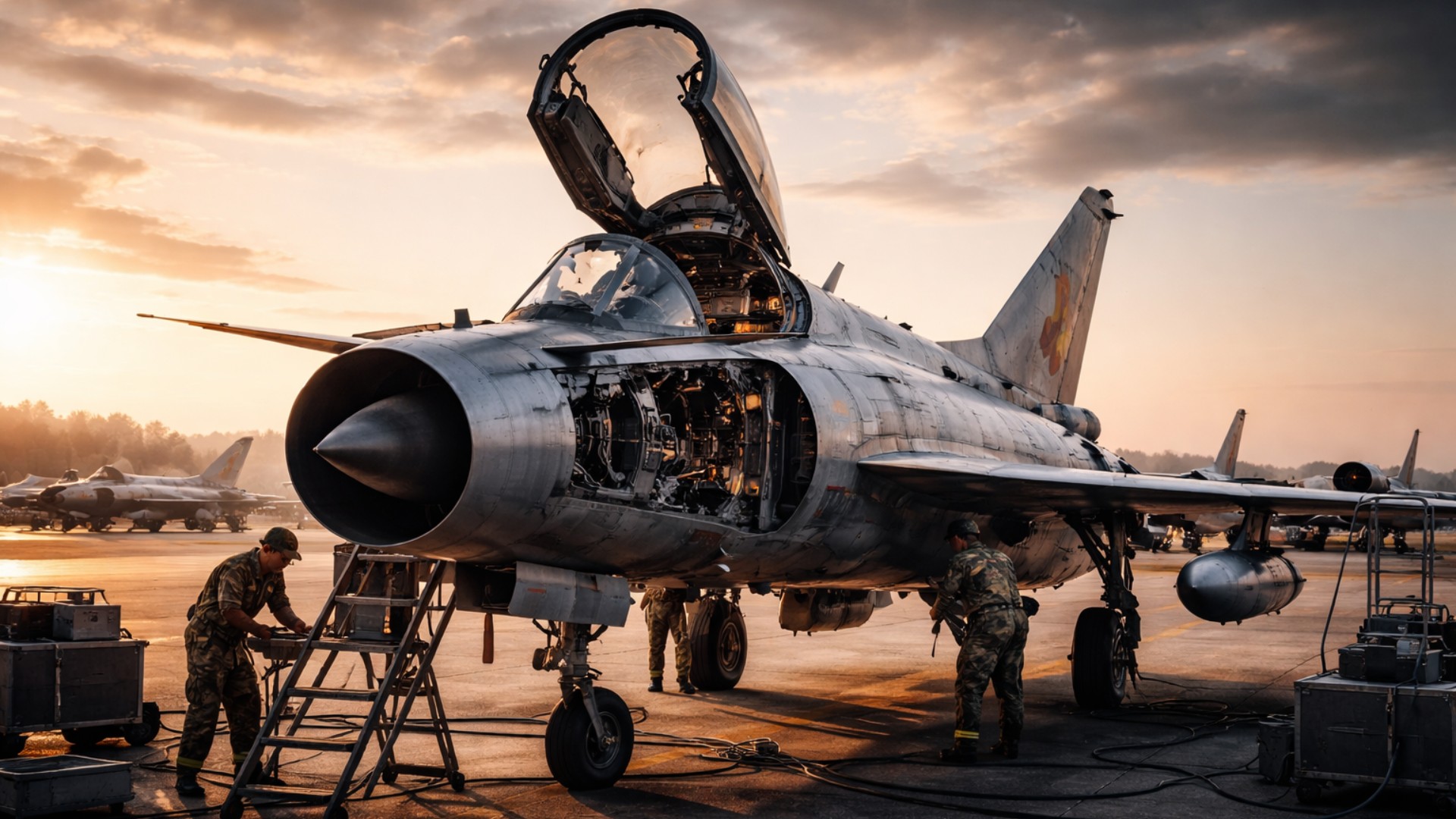
China retires the J-7 fighter after years of military protection and can now transform military items into drones, following more than 60 years of operation of the J-7, derived from the MiG-21, with thousands of units produced and strategic use in the PLAAF and PLANAF.
-
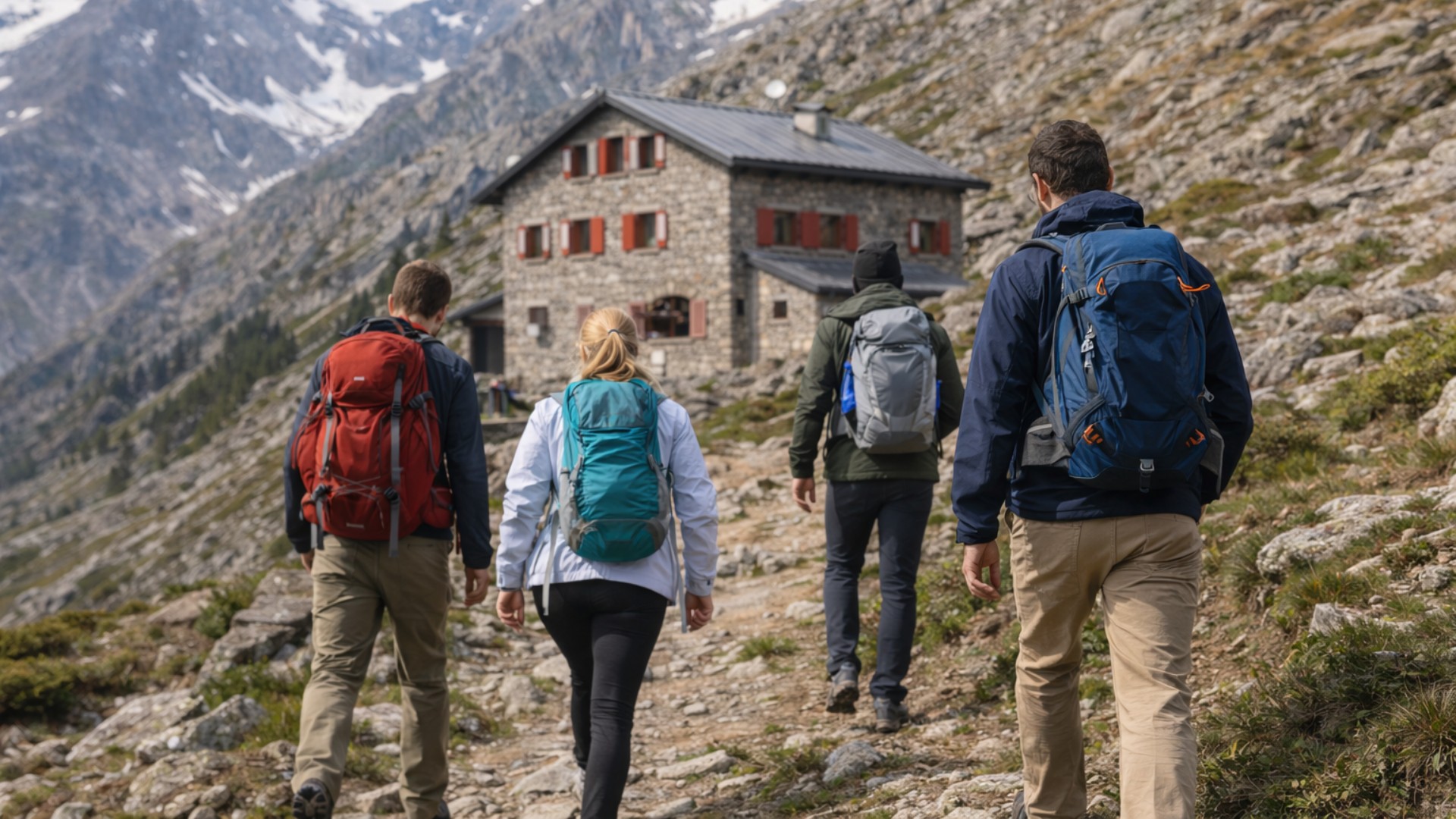
Volunteers are sought to live in the mountains for a month: a study pays people to stay at 2,500 meters, with 24-hour monitoring of sleep, metabolism, and blood pressure.

To buy time, the government launched a direct appeal: every resident must reduce their water consumption by about 10%, which practically amounts to something like two minutes less of the tap being open each day.
“Times are critical, and now every drop counts,” warn the authorities responsible for water development. The message applies to everything: showering, brushing teeth, doing laundry, or washing dishes.
Reservoirs At 13.7% And A Church That Should Not Appear
The clearest symbol of the gravity of the situation is the Kouris reservoir, the largest in the network of over 100 dams in the country.
With the level at around 12.2% of capacity, one image stands out: the church of Saint Nicholas, which should be submerged when the reservoir is full, has appeared completely in the dry landscape.
Overall, the water reserves of the Island Of Cyprus are at around 13.7% of total capacity, well below the 26% recorded in the same period the previous year when the situation was already considered serious.
And all this happens even before the start of the tourist season, when the arrival of millions of visitors further pressures the water system.
Faster Heat, Declining Rainfall, And Rising Demand
The drought is not an isolated event. Local data indicates that temperatures in the region of the Island Of Cyprus are rising about 20% faster than the global average, which severely strains freshwater resources. At the same time, annual rainfall is estimated to have dropped by around 15% since the beginning of the 20th century.
On the flip side, demand has skyrocketed. Water needs have increased by about 300%, driven by population growth and tourism, which brings in about 3 million visitors a year, nearly three times the number of residents.
In some of the hotter areas of the Island Of Cyprus, the average consumption reaches 500 liters of water per person per day, compared to an average of 120 liters in Europe.
Campaigns, Leaks, And Daily Consumption Targets
In light of this situation, the government is preparing a large awareness campaign to explain in detail how much water should be used for each domestic activity and what the savings target is.
The goal is to reduce consumption to around 140 liters per person per day, a significant cut in areas that currently consume well above this.
In addition to changing behavior, the Island Of Cyprus is betting on technical measures: reuse of treated wastewater, fixing leaks that can reach up to 40% of local networks, and financial support for families to install water-saving devices, such as aerators and flow control devices on taps and showers.
Every liter wasted in old pipelines is now seen as a luxury that the country can no longer afford.
Desalination In Progress And The Cost Of Catching Up With The Damage
The package announced now is the sixth set of emergency measures launched by the government. The Island Of Cyprus has already made water scarcity a priority in its actions in the European Union and allocated about 200 million euros for infrastructure works, with a special focus on installing new desalination units to ensure potable water.
Recently, two portable desalination systems were donated by a Gulf country, and the plan is to reach 14 units in operation, most of them by the end of 2026, working practically 24 hours a day. These plants convert seawater into freshwater and help alleviate dependence on increasingly uncertain reservoirs and rainfall.
Criticism: “The Right Measures Were Not Taken At The Right Time”
Despite the current mobilization, criticism is growing that the Island Of Cyprus is reacting late to a foreseen problem.
Experts and parliamentarians recall that about 20 years ago, scientists were already projecting that around 2030, temperatures in Nicosia would approach those of Cairo, and, some decades later, of even hotter countries.
These alerts indicated since then that early action would be needed to reduce water demand, adapt cities and networks, and rethink the use of highly irrigated landscapes, such as ornamental lawns, swimming pools, and golf courses.
Critics argue that the country relied for too long on a consumption model that does not align with the new climate, and is now paying the price for that delay.
Farmers On The Frontline Of The Water Crisis
Among the most affected are farmers, who have been instructed to cut irrigation in their fields by about 30%.
Industry representatives describe a scenario of anguish, discouragement, and “silent despair” in the countryside, where middle-aged producers, with families to support, are pressured to switch traditional crops for less water-intensive ones.
For many, this change is not simple: changing crops means learning everything anew, investing, taking risks, and facing an unknown market, precisely when water is becoming more expensive and scarcer.
Rural leaders warn of the possibility of a major social problem if the transition is not well planned, with loss of income and rural exodus.
When Local Drought Becomes Global Alert
Researchers in applied hydrology warn that the worst climate scenario cannot be ruled out. Models indicate that, at the extreme, warming could reach 4.5 degrees by 2100, which would mean collapse of agriculture in several regions, prolonged droughts, mass migration, and real difficulty in ensuring food supply for the population.
In this context, the current crisis in the Island Of Cyprus serves as an early warning of what could happen in other areas of the Mediterranean and the world.
If a relatively small and organized country is already facing reservoirs at 13.7% capacity, mandatory cuts, and desperate farmers, it becomes clear that the combination of accelerated warming, declining rainfall, and rising demand is explosive.
In light of this scenario, do you think the Island Of Cyprus should tighten consumption restrictions even further and radically change the use of water in lawns, swimming pools, and agriculture, or prioritize investment in more desalination to try to mitigate the century’s drought?






Seja o primeiro a reagir!