





 Portuguese
  English
  Spanish
  5 min of reading
  1 comment





Norm 13.116 Prevents Municipalities from Legislating on Electrical Wiring, Creating a Vacuum of Responsibility That Perpetuates Visual Pollution and Risks to the Population.
The tangled mess of cables that dominates the landscape of most Brazilian cities starkly contrasts with the organization of metropolises like Paris, Madrid, and New York, which have invested for decades in burying their networks. In Brazil, visual pollution is just the most apparent symptom of a deep problem: the complex and dangerous infrastructure of overhead electrical wiring. This model, besides being aesthetically displeasing, exposes the population to constant accident risks and leaves the system vulnerable to blackouts, as highlighted by a detailed analysis from the Global Knowledge channel.
The heart of the problem lies in a legal impasse that paralyzes any significant progress. While municipalities attempt to create laws to force the modernization and burial of cables, federal legislation centralizes this decision at the Union. The result is a scenario of inertia, where energy and telecommunications companies rely on federal law to avoid the billion-dollar costs of change, and the population continues to coexist with overloaded poles and wires that pose a daily threat.
The Billion-Dollar Cost of Modernization
One of the main arguments used to justify the maintenance of the overhead model is financial cost. The difference in values between the two systems is striking. According to market estimates, while constructing 1 kilometer of overhead network costs on average R$ 100 thousand, the same stretch with underground cables can jump to over R$ 840 thousand. In some cases, this disparity is even greater, as demonstrated by Celesc, the energy distributor in Santa Catarina, which reported that the cost of the underground network could exceed R$ 1.7 million per kilometer.
-
With the arrival of Law 11.788, internships are now recognized as professional experience.

-
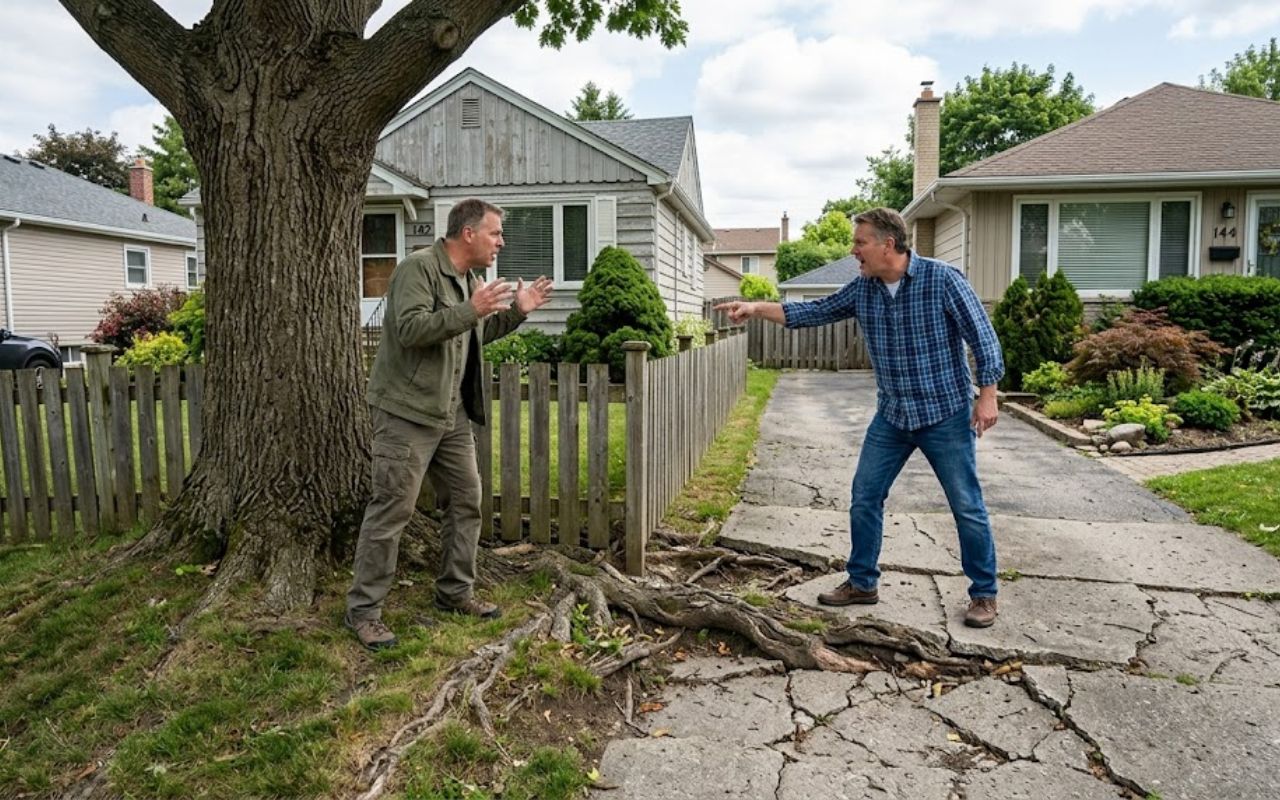
The Brazilian Civil Code states that a property owner has the right to cut the roots of a neighbor’s tree that invade their land, as long as it does not harm the tree itself. The owner must notify the neighbor before taking such action.
-
Engineer is sentenced to repay R$ 148 thousand after holding public positions in three municipalities in Rondônia with incompatible schedules, and the decision is upheld by the Court of Justice.

-
Chamber approves project that creates mandatory Life Insurance for police officers, firefighters, guards, and traffic agents.

This price difference is explained by the complexity and materials involved. Overhead cables are simpler, using the air itself as a natural insulator. In contrast, underground cables require multiple layers of protection against moisture, soil pressure, and heat. Furthermore, underground infrastructure demands encapsulated transformers, high-density polyethylene conduits, concrete junction boxes, and underground chambers, equipment that is much more expensive and durable, designed to operate in enclosed environments with little ventilation.
The Legal Labyrinth That Paralyzes Progress
Despite high costs, the greatest obstacle to modernizing electrical wiring in Brazil is bureaucracy. The most emblematic case, as highlighted by the Global Knowledge channel, occurs in São Paulo. In 2005, the city government approved Law No. 14.023, which required utility companies to bury 250 km of cables per year, without passing on the costs to consumers. If fulfilled, the law would have ensured over 2,000 km of underground networks in the city today. However, the Energy Industry Union in the State of São Paulo challenged the law in court, arguing that the municipality lacked the authority to legislate on federal concessions.
The legal battle dragged on for a decade until, in 2015, the Federal Court suspended the municipal law. The decision created a precedent that spread throughout the country, overturning similar laws in other capitals. In the same year, the situation was solidified with the sanctioning of Federal Law No. 13.116, which made it explicit that it is exclusively up to the Union to regulate the technical aspects of energy and telecommunications networks. In practice, the law made any municipal initiative unconstitutional, creating a definitive impasse: municipalities cannot impose requirements, and utilities have no incentive to invest.
Operational Challenges and Lack of Planning
Even if the legal impasse were resolved, the technical complexity of the works would be a massive challenge. An Enel project in São Paulo, in Vila Olímpia, took years to bury just 4.2 km of wires, at a cost of R$ 5 million per kilometer. The works are slow, as excavations can only occur during the early morning to avoid impacting traffic, generating complaints from residents due to noise. Additionally, the underground in large Brazilian cities is disorganized, with maps of water, gas, and sewage galleries often inaccurate, causing delays and interruptions.
Behind this, there is a chronic lack of long-term planning. Politicians avoid starting “buried works” that do not generate immediate visibility or electoral returns, preferring projects that ensure inaugurations within their mandates. On the utilities’ side, which operate with 30-year contracts, the pressure for quarterly results for shareholders disincentivizes billion-dollar investments that do not increase revenue in the short term. According to specialists consulted by the Global Knowledge channel, the national materials industry itself might not be prepared to meet large-scale demand if a national burial project were initiated.
The Cost of Inertia: Risks, Blackouts, and Deaths
Maintaining exposed electrical wiring carries a high human and social cost. The overhead system is extremely vulnerable to weather events. The storm that hit São Paulo in November 2023, with winds over 100 km/h, left more than 2 million people without power and caused billion-dollar damages. Entire regions were left in the dark for days, demonstrating how the fall of a single tree can paralyze entire neighborhoods.
The accident numbers are even more alarming. A survey by the Institute for Consumer Defense (Idec) revealed that between 2009 and 2024, approximately 36,000 incidents involving wiring were registered, resulting in over 4,000 deaths. Only between 2022 and 2024, there were 660 fatalities. One of these tragic cases was that of doorman Leonardo Monsores da Silva in Rio de Janeiro, who was electrocuted while touching a pole. According to Anatel, of the 50 million poles in the country, about 10 million are overloaded with wires and irregular connections, exponentially increasing the risk to the population.
The Benefits Beyond Aesthetics


The modernization of infrastructure would bring advantages that go far beyond appearance. The main one is system reliability. According to data from the European Union, European consumers are, on average, only 12.2 minutes per year without power. In Brazil, this average exceeds 10 hours annually. This striking difference reflects decades of investment in underground networks and predictive maintenance in Europe.
With the removal of poles and overhead electrical wiring, streets become safer and more organized. Trees can grow freely, without aggressive and constant pruning needed to prevent contact with cables. Furthermore, the improvement of the urban landscape tends to increase property values and attract more tourism, generating a positive cycle for the local economy. The current inertia, therefore, represents not just a choice for an outdated model, but a renunciation of a safer, more efficient, and higher-quality future for Brazilian cities.
The complexity of burying electrical wiring in Brazil involves costs, laws, and politics. Given the risks and low quality of current service, what do you believe should be the first step to solve this problem?
Do you agree with the centralization of this decision in the federal government, or do you think municipalities should have autonomy? Leave your opinion in the comments; we want to hear from those who experience this in practice.







E um absurdo nossos parlamentares não abraçarem essa causa, 4000 mortes , não sensibiliza ninguém? , Apenas uma morte basta num país desenvolvido , enquanto isso convivemos com essas fiações horríveis ,inseguras e preços exorbitantes das contas de energia !!!