





 Portuguese
  English
  Spanish
  3 min of reading
  0 comments


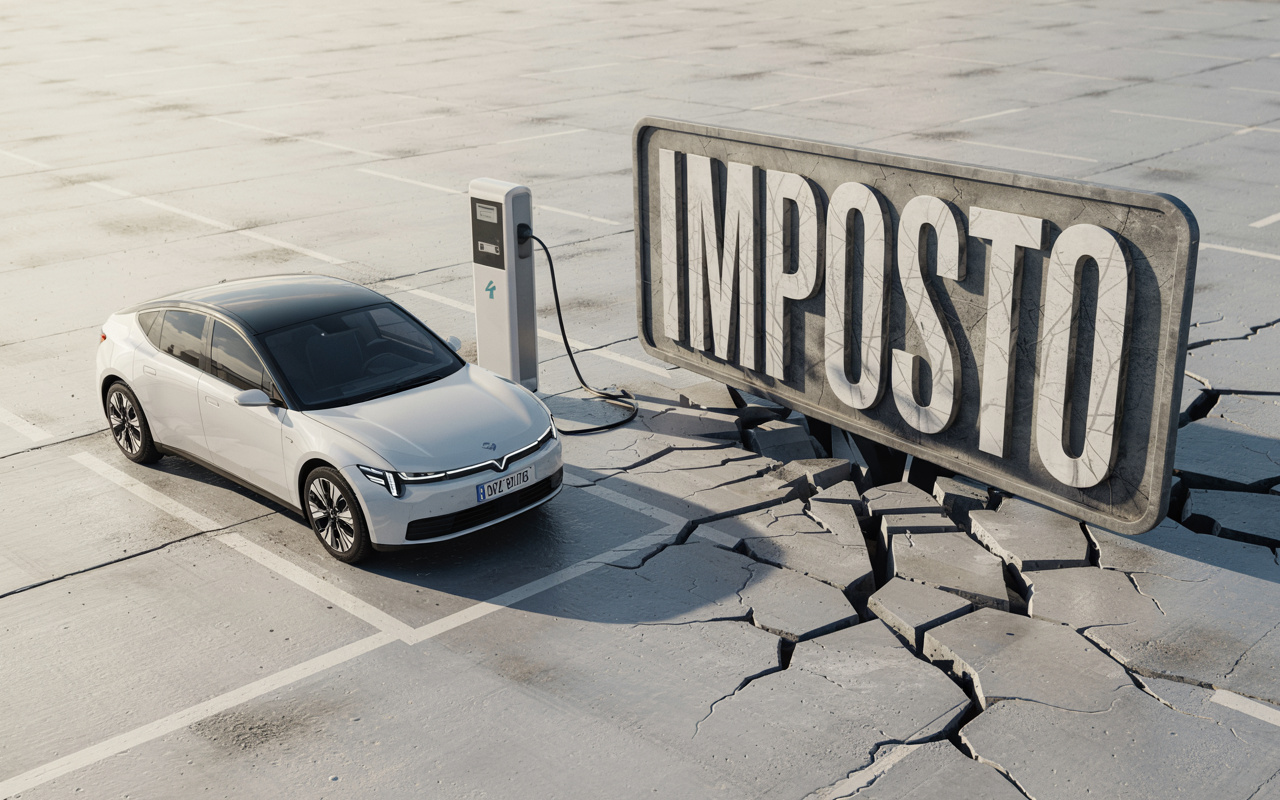
New Increase in Import Tax Makes Hybrid and Electric Cars More Expensive in Brazil, While Brands Accelerate Local Production to Contain Prices Amid Changes in the Automotive Sector.
As of July 1st, the new import tax rate for hybrid and electric cars in Brazil took effect. The adjustment is part of the strategy for the gradual resumption of taxes on imported electrified vehicles, announced by the Federal Government since 2023. With this change, more expensive cars and compact models using electric motors will now have a higher import cost, which should reflect in the final price to consumers.
According to the Ministry of Development, Industry, Commerce and Services (MDIC), conventional hybrids (HEV) will see the tax increase from 25% to 30%, while plug-in hybrids (PHEV) will rise from 20% to 28%. Battery electric vehicles (BEV) will have the rate increased from 18% to 25%. The government’s forecast is that, within a year, all imported electrified vehicles will start paying 35% import tax, equating them to the level of combustion vehicles.
Brands Anticipate to Reduce Impact
With the increase in import tax, automakers leading the sales of hybrid and electric cars in the country are seeking strategies to mitigate the impact of the new costs. BYD, one of the leaders in the segment, recently imported about 7,000 vehicles on a single ship from China to build up stock before the adjustment. Other brands such as GWM and OMODA Jaecoo are also organizing to accelerate the localization of their models.
-
Used cars with electric steering for R$ 30,000: check out 5 practical and economical options for everyday use.

-
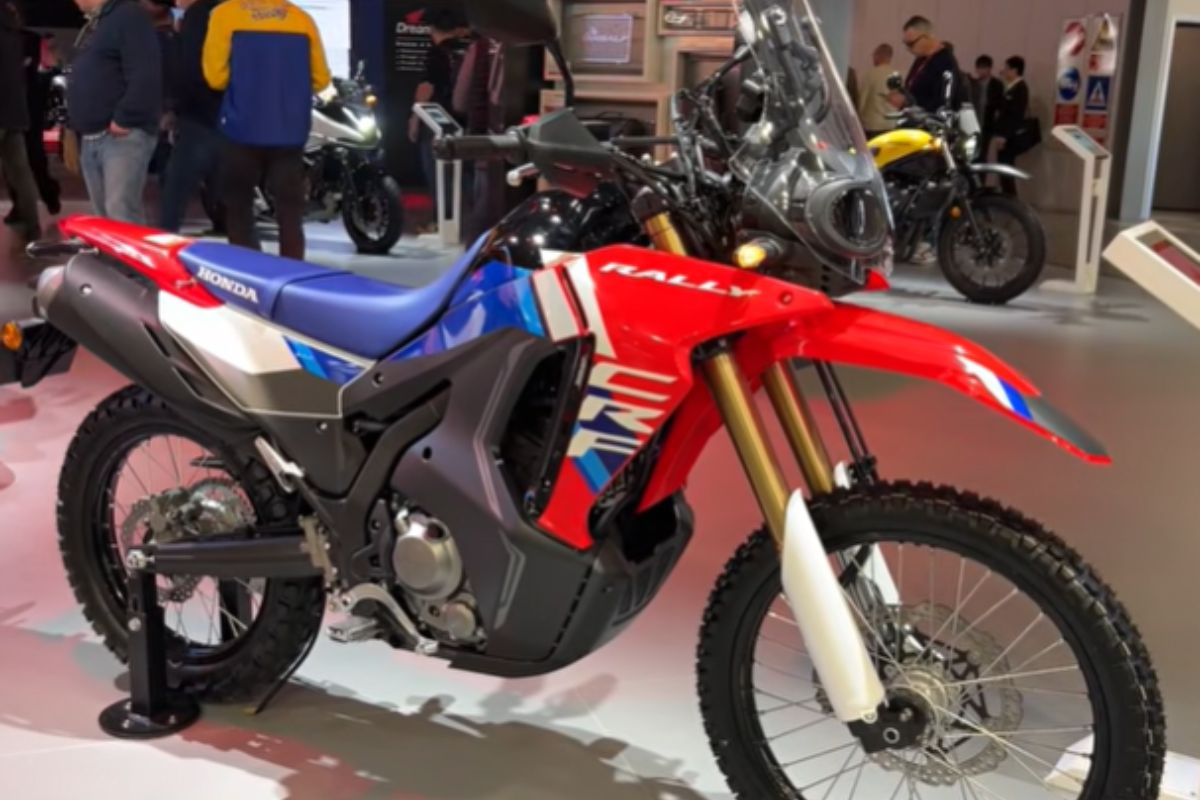
The 2026 Honda CRF 300L Rally ultra-light weighs 153 kg, travels 400 km with a 12.8 L tank, and handles both asphalt and dirt; it features a 286 cm³ engine, switchable ABS, and a slipper clutch.
-
Less than a Tera TSI, up to 710 km of range and charging in 9 minutes: the new BYD Song Ultra expands the Chinese brand’s bet on increasingly faster, more technological, and competitively priced electric SUVs.

-
With a 1.0 engine producing 75 hp and costing less than R$ 70,000, Fiat’s car returns to the podium as the cheapest in the country; a temporary promotion for the 2026 Like version reduces the price of the Fiat Mobi.

BYD plans to open its factory in Camaçari (BA) in the coming months, while GWM is already in the pre-assembly phase of vehicles in Brazil. Local production reduces taxes: under the CKD regime, the tax drops to 16%, and under the SKD regime, to 18%, offering an alternative to keep prices more competitive amid the rising import tariffs.
Anfavea Advocated for Anticipation
Anfavea (National Association of Automotive Vehicle Manufacturers) pressured for the 35% tax to be implemented as early as 2024, aiming to strengthen the local industry and increase the competitiveness of domestic manufacturers. However, the Federal Government decided to maintain the gradual increase schedule, allowing companies to adjust their localization plans and adapt their operations.
With the gradual change, the sector’s expectation is that brands can maintain a controlled transition, avoiding sharp market disruptions and reducing the risk of stock shortages at dealerships.
Hybrid and Electric Cars Will Become More Expensive
There are currently no precise data on how much the best-selling models in the market, such as BYD Dolphin Mini, BYD Song Plus, GWM Haval H6, and Ora 03, will increase in price due to the tax hike. However, the expectation is that prices will gradually rise over the next few months, in line with the renewal of imported stocks.
These models, which stand out for zero or low pollutant emissions, will be directly impacted, as Brazil still does not produce 100% battery electric vehicles on a large scale. With the increase in tax, the cost for the final consumer will rise, creating challenges for the growth of electric mobility in the country.
Incentive for Local Production
Despite the impact on the prices of imported vehicles, the measure seeks to encourage local production of hybrid and electric cars in Brazil. The strategy is part of a government effort to balance the trade surplus and stimulate local industrialization in a strategic segment for the future of the automotive sector.
The establishment of factories by brands such as BYD, GWM, and others in the country represents an important move for the popularization of electric vehicles in the Brazilian market. The trend is that, over time, local production can offer more competitive prices and reduce dependence on imports, while maintaining the expansion of the electrified fleet in the country.
Summary of the New Tax Rates
| Type of Vehicle | Previous Rate | Current Rate | Rate Expected in 1 Year |
|---|---|---|---|
| Pure Hybrid (HEV) | 25% | 30% | 35% |
| Plug-In Hybrid (PHEV) | 20% | 28% | 35% |
| Battery Electric (BEV) | 18% | 25% | 35% |








Seja o primeiro a reagir!