





 Portuguese
  English
  Spanish
  4 min of reading
  0 comments


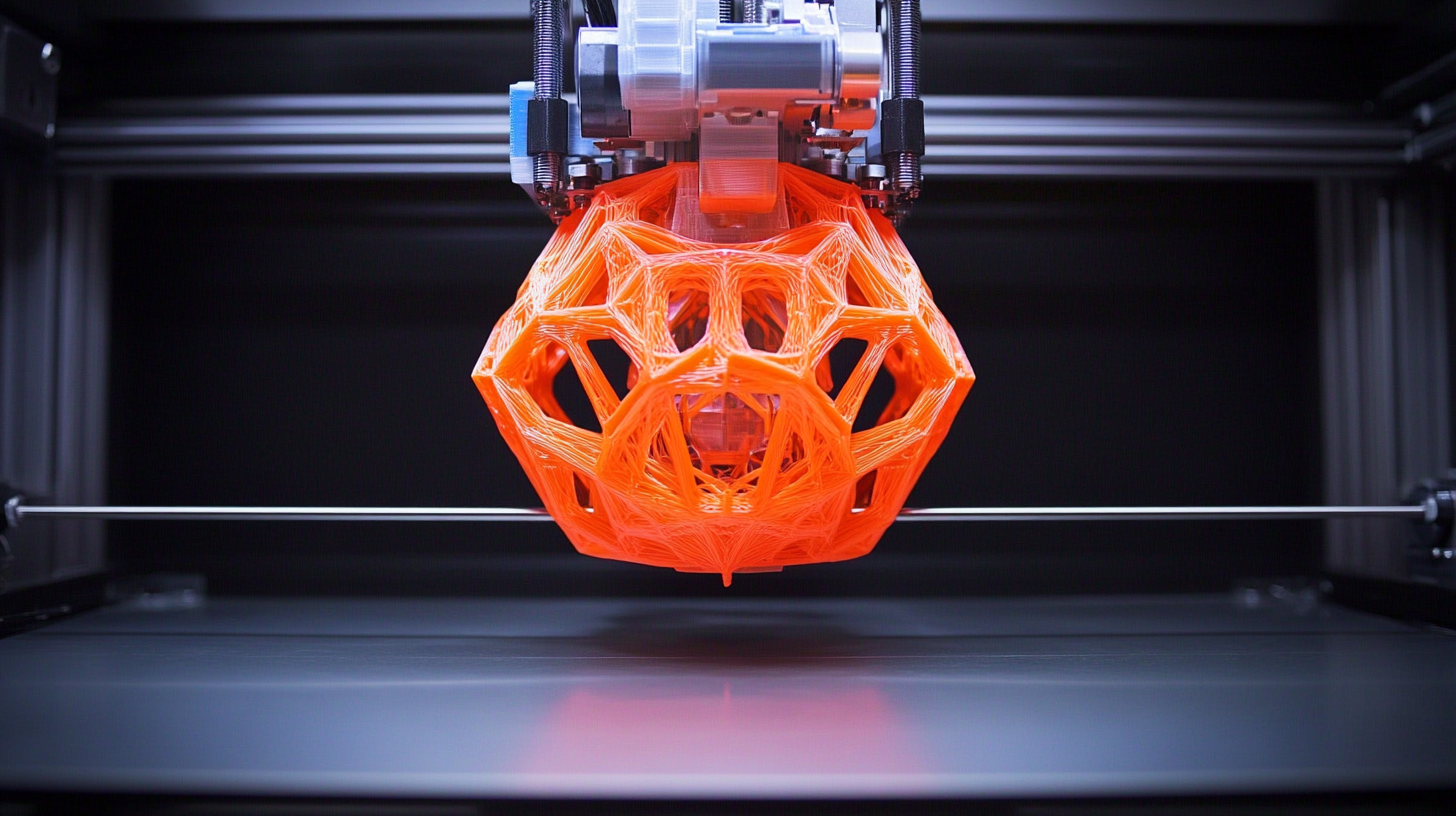
3D Printing Has Become a Feasible Alternative for Many Professionals Seeking New Sources of Income and Innovation
3D printing has stood out as an innovative technology, creating various business opportunities for Brazilians. In recent years, many professionals have left their conventional jobs to explore this growing sector, which promises to transform the way products are manufactured and marketed. With the ability to create custom objects on demand, 3D printing becomes a highly attractive option for entrepreneurs looking to diversify their activities.
Opportunities in the 3D Printing Sector
The advancement of printing technologies has allowed many entrepreneurs to live exclusively from 3D printing.
However, to achieve success in this field, it is essential to understand different aspects of the business, such as choosing the right niche and effectively managing operational costs.
-
Elon Musk’s Starship megafrocket puts $8 billion at risk, raises alarms in the market, and could affect technology, mining, and space internet startups in the coming years.

-
Airfare prices may rise with increasing fuel costs, and the government is considering urgent measures to avoid a direct impact on the wallets of Brazilians.

-
Chocolate prices soar nearly 15% and become a luxury item for Easter 2026, with increases surpassing inflation and changes in Brazilian consumption habits.

-
The Himalayas continue to grow to this day, with tectonic plates advancing 5 cm per year, mountains rising up to 10 mm annually, and the 2015 earthquake that killed 9,000 people may have increased the risk of an even larger seismic mega-event.


The versatility of 3D printing enables the creation of a variety of products, from everyday items to complex industrial parts.
Is It Possible to Make a Living from 3D Printing?
Yes, it is possible to make a living solely from 3D printing, but this depends on various factors. Success in this field requires a combination of technical skills, market knowledge, and effective marketing strategies.
Identifying market niches that offer higher profitability and constant demand is crucial.
For example, sectors such as healthcare, fashion, and education have shown significant growth, attracting professionals seeking new opportunities.
Some entrepreneurs have excelled in producing custom parts for sectors such as automotive and aerospace, while others focus on consumer products like toys and fashion accessories.
The key to a stable revenue stream is finding a balance between market demand and production capacity.
Lucrative Niches in 3D Printing
There are several promising areas that entrepreneurs can explore within 3D printing. Among the most lucrative, the following stand out:

- Healthcare and Medicine: The production of custom prosthetics and anatomical models for medical training is on the rise, offering more accessible and adaptable solutions to meet patients’ needs.
- Architecture and Construction: The creation of mock-ups and custom construction components offers significant opportunities for innovative companies, allowing visualization of projects before actual construction.
- Fashion and Design: The customization of accessories and clothing has attracted consumers seeking exclusivity. Designers are using 3D printing to create unique and innovative pieces not found in conventional stores.
Education: The manufacturing of educational materials and interactive learning kits is an area with growing demand, especially with the increase in remote teaching and the need for more engaging learning tools.
Choosing the Ideal 3D Printer
For those looking to start a business in this sector, choosing the 3D printer is a fundamental step.
For beginners, a fused deposition modeling (FDM) printer may be a good option due to its affordable cost and ease of use.
However, for products that require higher precision, a stereolithography (SLA) printer is more suitable.
Other factors to consider include the print area size, compatibility with different materials, and ease of maintenance.
Investing in a quality printer can directly impact customer satisfaction and product quality.
Additionally, continuous education and staying updated on new printing technologies are essential to remain competitive in the market.
Expenses in a 3D Printing Business
The operational costs of a 3D printing business can vary depending on the scale of production and the type of products manufactured. The main costs include:
- Materials: The cost of the filaments or resins used in printing.
- Maintenance: Repairs and regular maintenance of printers, which are essential to ensure production quality.
- Energy: Electricity consumption during the printing process, which can be significant depending on the volume of production.
- Marketing: Investments in advertising and promotion to attract customers, which are fundamental for the growth of the business.
Managing these costs effectively is essential to maintain the profitability of the business. Automating processes and optimizing material usage can help reduce expenses and increase profit margins.
The Future of Printing and Career Opportunities
3D printing is not just an innovative technology, but also an opportunity that is transforming the way Brazilians think about their careers.
With the growth of this sector, many have found a new professional path, allowing for a stable financial life.
To succeed, it is crucial to understand the nuances of the market and invest in quality and innovation.
Additionally, sustainability is a factor that has gained prominence.
The ability to create products on demand reduces waste and contributes to a more sustainable business model.
If you are considering a career change or wish to diversify your professional options, 3D printing may be the right path for you.
With an expanding market and the possibility of constant innovation, now is the ideal time to venture into this fascinating and promising sector.
SOURCE: TERRABRASILNOTÍCIAS








-

Uma pessoa reagiu a isso.