





The textile ecopoint inaugurated in 2025 in Brás operates 24 hours, accepts clothes, blankets, and scraps, and can receive 300 tons monthly, directing the waste for fuel production used in industrial furnaces while reducing irregular disposal, clogging of drains, flood risks, and environmental impacts in the central São Paulo region.
São Paulo inaugurated on October 20, 2025, the city’s first textile ecopoint, installed in Brás and open free of charge 24 hours a day. The unit was prepared to receive up to 300 tons of clothes, blankets, scraps, and other textile waste per month.
The information was published by the São Paulo City Hall on October 20, 2025. According to the municipal administration, the collected material is directed for treatment and can be transformed into waste-derived fuel intended for industrial furnaces.
First textile ecopoint was installed in Brás
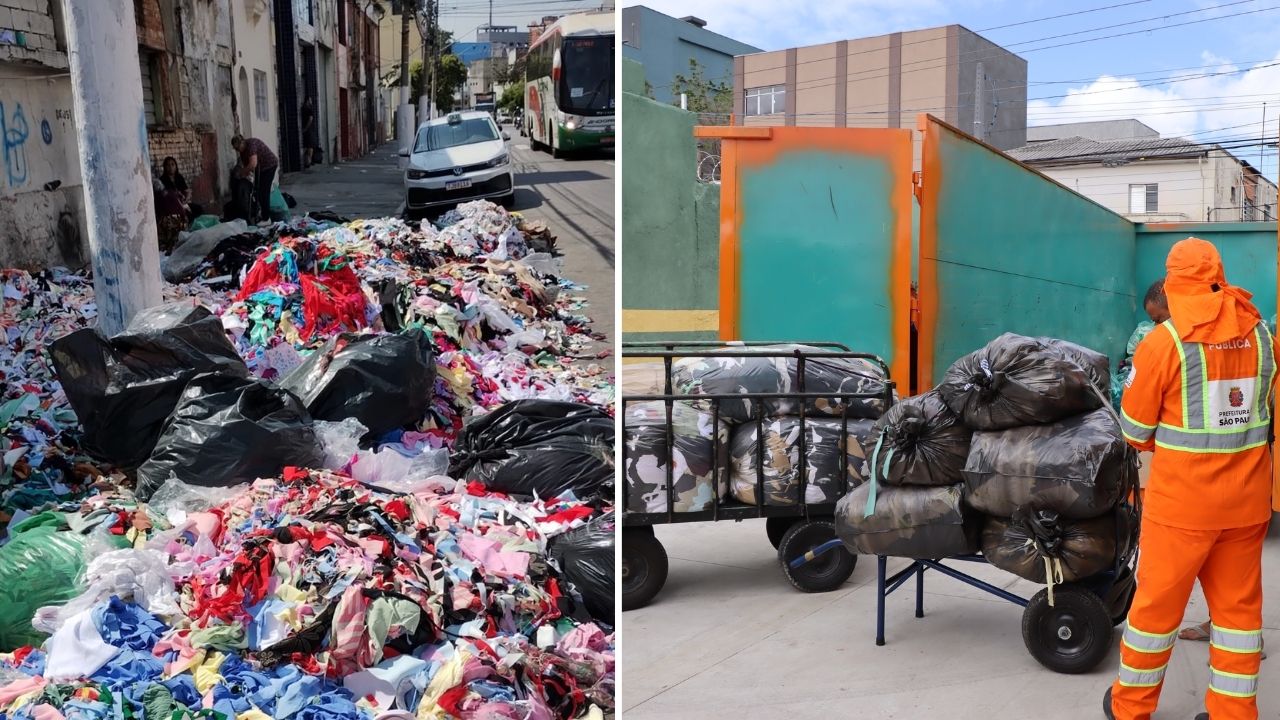
The textile ecopoint was created in one of the regions with the highest concentration of industries, clothing manufacturers, and fashion stores in the São Paulo capital. Brás gathers more than 6,000 establishments linked to the sector and receives up to 200,000 people daily.
-
At 22 years old, a university student taught himself digital dentistry and 3D printing from almost scratch, won two printers through grants, and spent weekends in a mobile lab making free dentures, reducing a three-month wait to just a few hours and witnessing grown men cry upon seeing their smiles in the mirror again.

-
Excavator opens parking lot of English mansion, passes over a “stone” and reveals the face of a 1,800-year-old Roman statue; two weeks later, the bust appears buried a few meters away.

-
A man inherits a single-story house and, while cleaning the lower floor, discovers four more underground levels, removes more than 100 truckloads of earth, invests €80,000, and opens 2,500 m² hidden beneath Turkey for tourists.
-
Instead of demolishing a 2,908-ton theater that was blocking the reconstruction of a block, engineers raised the building by 2.4 meters, supported everything on 70 platforms with 560 wheels, and navigated through five curves to set a world record in Minneapolis.


The intense circulation of goods and consumers also produces large volumes of fabric remnants. Before the service was implemented, part of this material was abandoned on sidewalks, streets, and gutters, requiring frequent urban cleaning operations.
Unit operates free of charge 24 hours a day
The space was designed to remain open every day, without any interruption in hours. The proposal is to allow residents, merchants, and companies to deliver waste at the most suitable time for their production routines and store operations.
The free service aims to facilitate correct disposal and remove a justification often associated with the abandonment of scraps in public streets. With a permanent receiving location, disposal can occur without relying on conventional collection times.
Capacity reaches 300 tons per month
The monthly capacity of the textile ecopoint was set at 300 tons, a volume similar to what was irregularly collected on the streets of the region. The structure accepts clothes, blankets, scraps, and other materials produced by manufacturing and commerce activities.
The investment reported by the City Hall was R$ 373 thousand. The unit was installed to absorb a significant portion of the waste generated in the textile hub, but its operation depends on the adherence of merchants, residents, and other responsible parties for disposal.
Abandoned scraps could reach the drains
Fabrics discarded on the streets can be carried by rain to storm drains and drainage systems. Unlike waste that quickly disintegrates, clothes and scraps can form barriers capable of hindering water flow.
This process increases pressure on urban infrastructure during periods of heavy rain. Removing fabrics from the streets can help reduce obstructions, water accumulation, and flood-related disruptions in the region.
Waste is transformed into industrial fuel
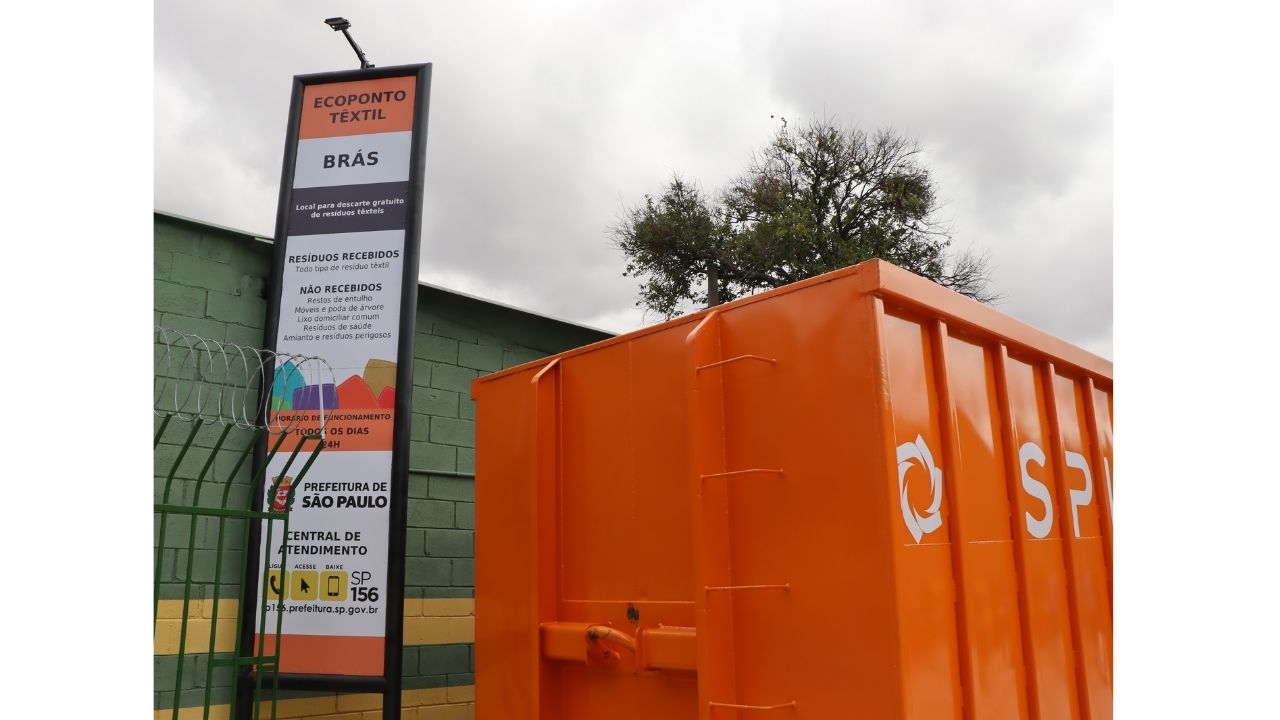
After being delivered to the textile ecopoint, the materials are processed and transformed into RDF, an acronym for refuse-derived fuel. This product can fuel industrial furnaces used in the production of cement, lime, or in biomass processing.
The energy recovery offers a different destination from abandonment in public streets or direct landfill disposal. According to the City Hall, RDF can replace part of the fossil and mineral fuels used in these industrial processes.
Fuel does not mean reuse of clothes
The transformation into fuel occurs after the waste goes through preparation and processing. This means that the items do not necessarily return to the market as clothes, fabrics, or new textile products.
Instead, the energy value of the materials is utilized in industrial facilities. The measure mainly addresses waste that does not find suitable conditions for direct reuse, donation, or repurposing in other activities.
Proper disposal also improves circulation
Piles of scraps and disposal bags occupied sidewalks and parts of the streets in Brás, hindering the passage of pedestrians, workers, and vehicles. The problem became more visible in areas with a high concentration of workshops and small garment businesses.
With the textile ecopoint, the municipal administration aims to reduce these disposal points and improve circulation conditions. The removal of waste can also decrease areas that favor the presence of insects and other unwanted animals.
Brás generates billion-dollar revenue per year
The region receives up to 200,000 people per day and generates approximately R$ 26 billion per year, according to data released by the City Hall. The volume of activity helps explain why the disposal of fabrics has become a recurring problem.
The implementation of the service also meets an old demand from local merchants. The greater the production and sale of clothes, the greater the need for a specialized structure to receive leftovers, cuts, and unusable pieces.
Unit receives only textile waste
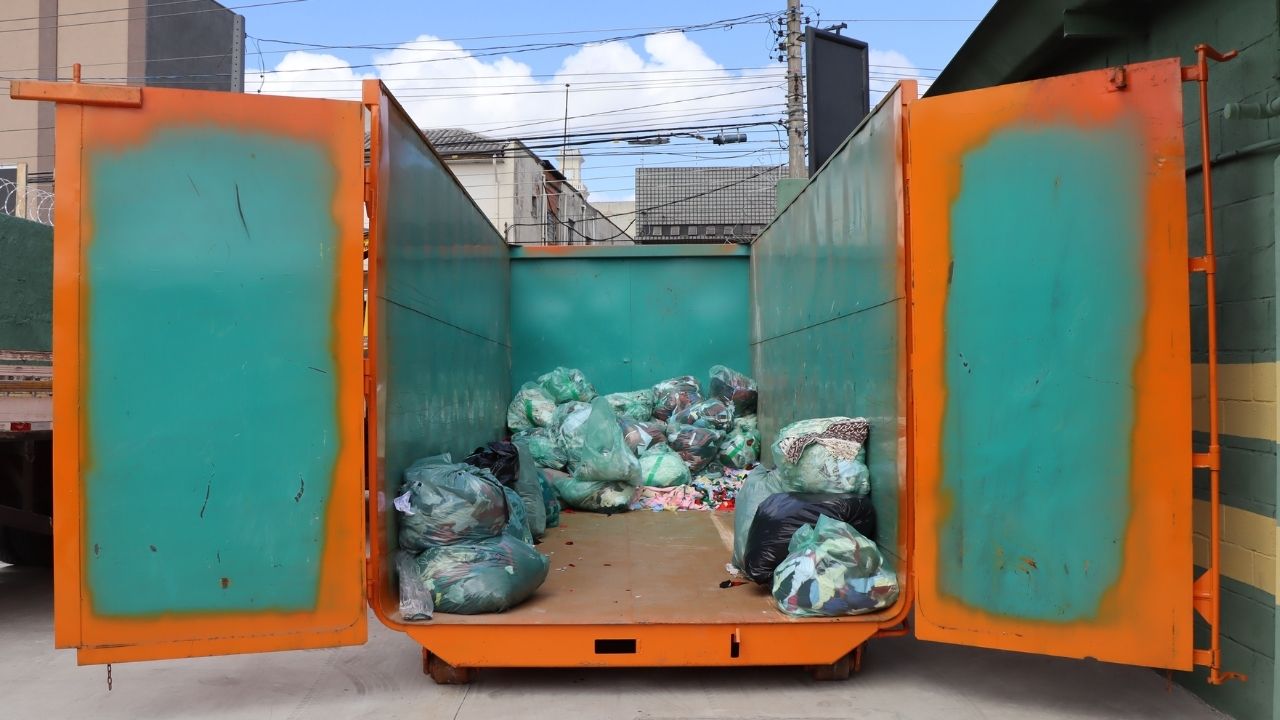
The Brás space was not created to receive debris, furniture, glass, or other types of disposal. The specialization allows directing the structure and treatment exclusively for clothes, blankets, fabrics, and scraps.
Materials from other categories should be taken to the conventional ecopoints distributed throughout the city. São Paulo had 129 of these units, which had received more than 315,000 tons of waste in the year prior to the inauguration of the new service.
Address is located in the Catumbi region
The textile drop-off point is located at Rua Cachoeira, number 958, in Catumbi, an area near the commercial hub of Brás. The location was chosen to facilitate access for businesses, workers, and residents of the region.
The continuous operation also increases the possibility of delivery outside peak periods. Even so, the success of the initiative depends on the waste reaching the correct address instead of continuing to be placed on the streets.
New service tries to stop an old problem
The creation of the unit offers a concrete alternative for a neighborhood that dealt with irregular disposal, blocked drains, dirt on sidewalks, and circulation difficulties. By transforming part of the fabrics into industrial fuel, the project also seeks to reduce material waste.
The existence of the drop-off point, however, does not automatically eliminate the problem. Do you believe that a 24-hour open drop-off point will be enough to change the habits of merchants and residents of Brás? Tell us in the comments what other measures could help reduce the irregular disposal of fabrics in São Paulo.


