





 Portuguese
  English
  Spanish
 3 min of reading
  3 comments


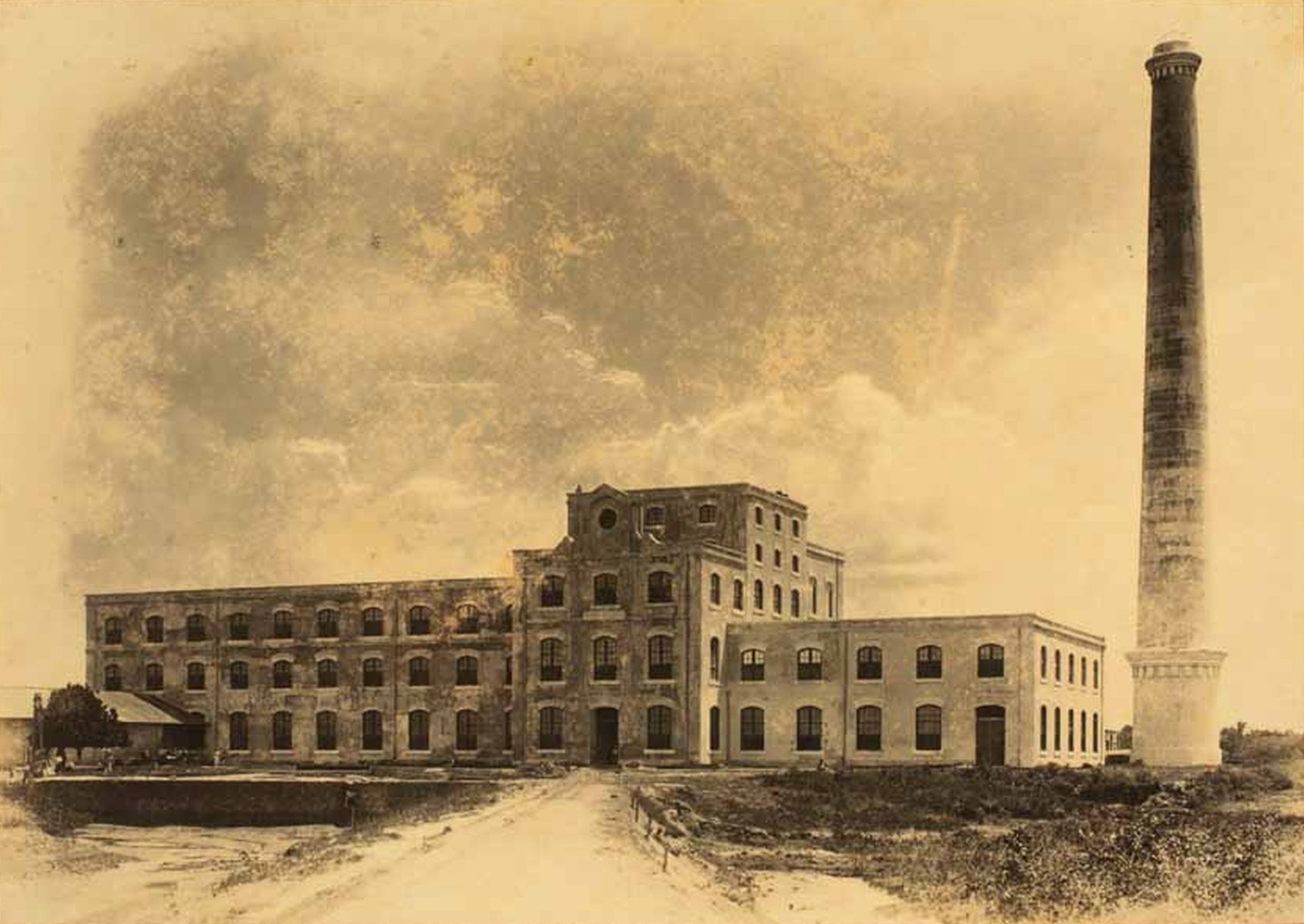


Inaugurated in 1895, the old Tacaruna Factory went down in history as the first reinforced concrete construction in Brazil and the first refinery in South America, becoming one of the most important industrial and architectural landmarks of Pernambuco
The Government of Pernambuco published a bidding notice to restore the old Tacaruna Factory, located on the border between Recife and Olinda, with an investment exceeding R$ 110 million, allocating the space to Ceforpe and a state technical school.
Historical and Architectural Landmark of Pernambuco
A symbol of Pernambuco’s historical heritage, the Tacaruna Factory was inaugurated in 1895 as Usina Beltrão, becoming the first refinery in South America and the first construction in reinforced concrete in Brazil.
The building is located in the city of Recife and has consolidated itself as one of the main architectural references in the state, gathering pioneering industrial characteristics that marked the beginning of structural modernization in Brazil.
-
IPTU exemption for seniors in 2026: see how to secure the benefit.

-
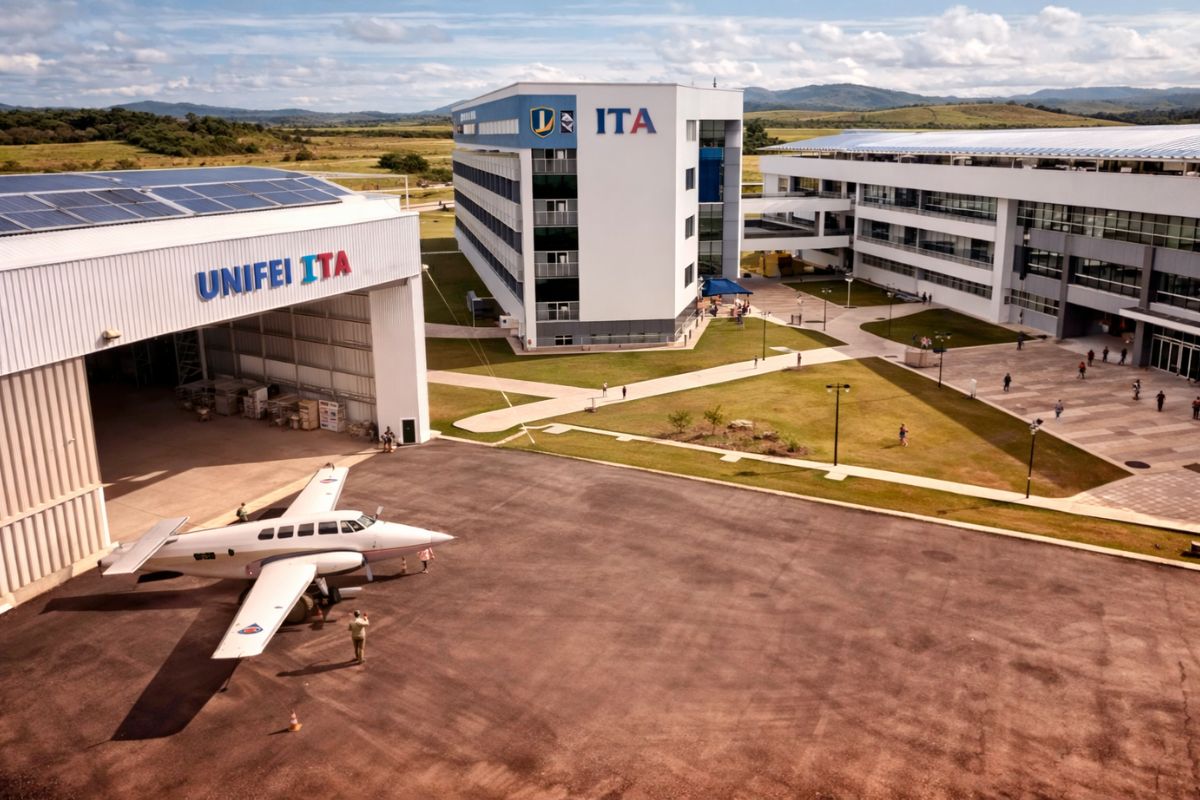
The institute that trained the greatest aerospace engineers in Brazil has just opened its first campus outside São Paulo after 75 years: ITA Ceará will have R$ 445 million, new courses in energy and systems, and classes are expected to start in 2027.
-
Luciano Hang, owner of Havan, goes to Juiz de Fora after the tragedy in February, brings R$ 1 million, hands out R$ 2,000 cards, and donates up to R$ 15,000 to victims in the region.

-
The Brazilian passport allows legal residence in dozens of countries without the need for a prior visa, and most Brazilians are unaware that they can apply for residency directly upon arriving in nations in South America, Africa, and even Europe.


Shortly after its inauguration, Usina Beltrão ceased operations, remaining inactive until 1925, when the property began hosting Tacaruna Factory, dedicated to textile activities for three decades.

Industrial Use and Periods of Deactivation
The phase as a textile industry lasted until 1955, when production was halted, initiating a new cycle of vacancy for the complex, which remained without productive function for long periods.
In 1982, the factory was officially deactivated, and subsequently, the property was handed over to Banco Econômico, marking yet another administrative change without effective reoccupation of the historical space.
During this period, the building remained closed, with no significant structural interventions, contributing to the progressive degradation of the architectural ensemble over the following years.
Heritage Listing and Attempts at Requalification
The official recognition of historical value occurred in 1994, when the Government of Pernambuco listed the building as Historical and Artistic Heritage through Fundarpe, ensuring legal protection.
Two years later, in 1996, the property was declared of public utility for expropriation purposes, paving the way for future repurposing projects that, for decades, did not advance.
Since then, several proposals have been announced to occupy the Tacaruna Factory, but none have been executed, leaving the space unused and distant from the Pernambuco population.

Investment, Bidding Notice, and New Destination
The bidding notice published by the State Government provides for the complete reform and qualification of the complex, with an investment exceeding R$ 110 million aimed at structural and functional recovery.
After the works, the building will house the Center for Training Education Professionals of Pernambuco and the Technical School of Hospitality and Gastronomy, expanding the offer of specialized public training.
With this initiative, the government aims to return a preserved historical heritage to the population, ending decades of unexecuted projects and transforming the old factory into a new educational hub for the state, finally integrated into the urban fabric.
State Infrastructure

On the last day, December 12, the government of Pernambuco also authorized the start of works on the Metropolitan Ring Road, a project announced more than ten years ago and considered strategic for regional mobility.
The corridor will connect BR-232 in Moreno to BR-101 in Cabo de Santo Agostinho, with an approximate investment of R$ 632 million.
The funds will be applied through the PE on the Road program, which focuses on structural works aimed at the recovery and expansion of the state road network in priority logistics areas.
In this first stage, the execution of Segment 2 of Lot 2 of the southern section of the Metropolitan Ring Road has been authorized, considered the most advanced part of the project.
The northern section, which crosses an environmental preservation area and generated technical and legal controversies, will still undergo a specific bidding process.
With a length of 25.32 kilometers, the authorized segment seeks to reorganize vehicle circulation in Greater Recife, reducing heavy traffic on urban BR-101.
The expectation is to remove trucks from the metropolitan perimeter, especially those heading towards the Port of Suape, improving flow and road safety.







Em Goiana, mais precisamente em Itapessoca, ilha onde funcionava uma fábrica de cimento, é circundada pela maré onde já trafegou navios de carga. Poderia ser reativada a navegação para transportar os veículos da Jeep, mas, a governadora, visando a reeleição ainda não pensou nisso…
O que eleição não faz…
1955 como ano de encerramento da atividade têxtil está errada. Meu pai Josef Waechter foi gerente desta fábrica e eu nasci, Hans Waechter no casarão da fábrica em 1958.