





 Portuguese
  English
  Spanish
  4 min of reading
  0 comments


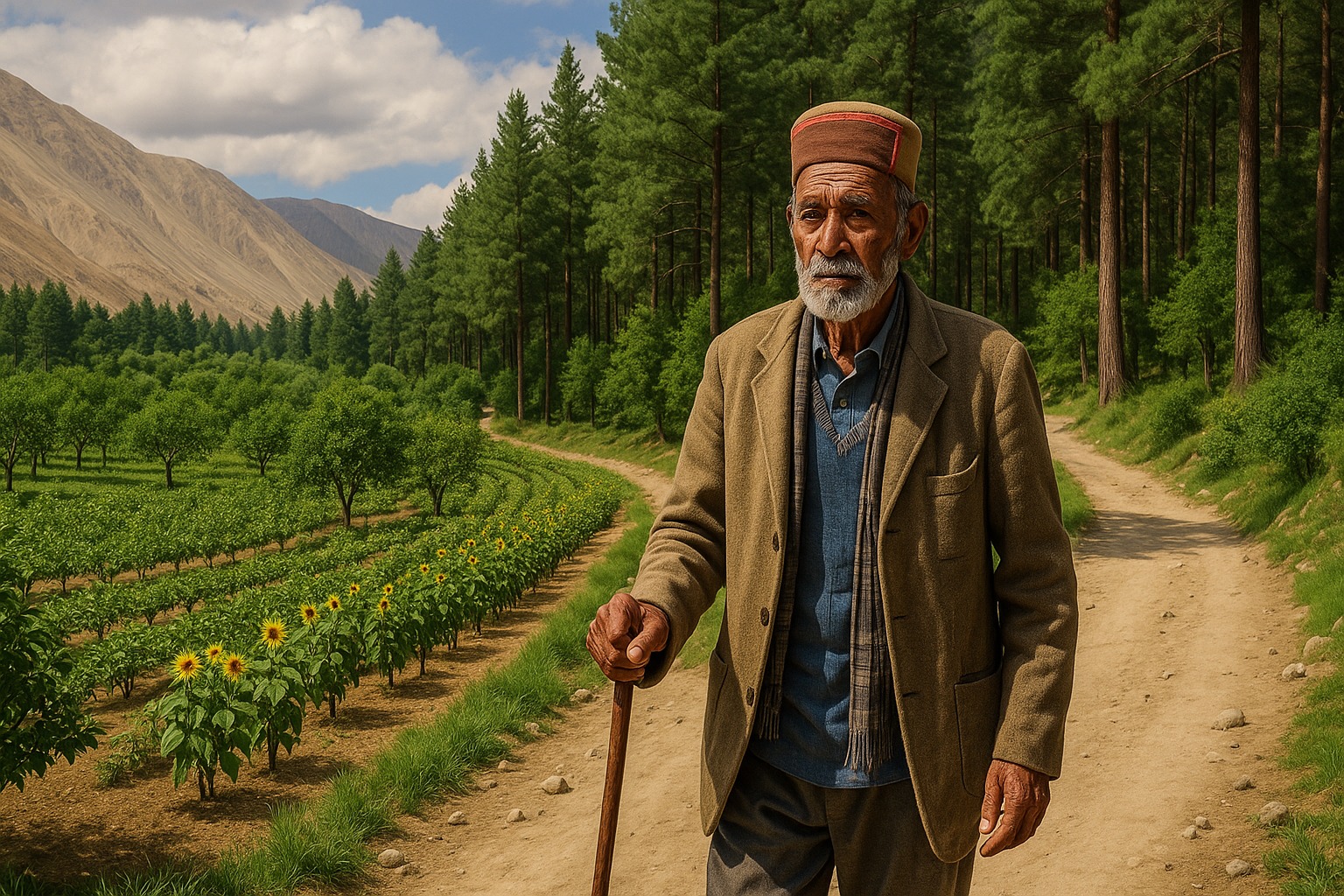
How A Former Bureaucrat Transformed A Cold Desert In Himachal Pradesh Into A Productive Forest Of 100 Hectares After Two Decades Of Continuous Work
Anand Dhawaj Negi, known as AD, was born in 1947 and built a trajectory that marked the district of Kinnaur in the Indian state of Himachal Pradesh. He spent part of his life as a government bureaucrat, and after retirement, he became an admired figure because he decided to confront the aridity of a region where almost nothing flourished. Thus, he earned the nickname Man of the Forest of Kinnaur, the result of work that created a green area of over 100 hectares in a cold and isolated territory.
The landscape of Upper Kinnaur resembles the frozen desert of Ladakh. The severe climate makes any cultivation difficult, so the villages there cope with little vegetation and large empty expanses. In Thang Karma, however, the scene changed completely.
Unexpected Oasis In The Midst Of The Desert
This small village, located about fifty kilometers above the town of Pooh, now hosts a forest with more than thirty thousand trees spread over sixty-five hectares.
-
Foresea achieves 100% offshore waste reuse in 2025, eliminates landfill disposal, and consolidates sustainable strategy with 1,500 tons recycled.

-
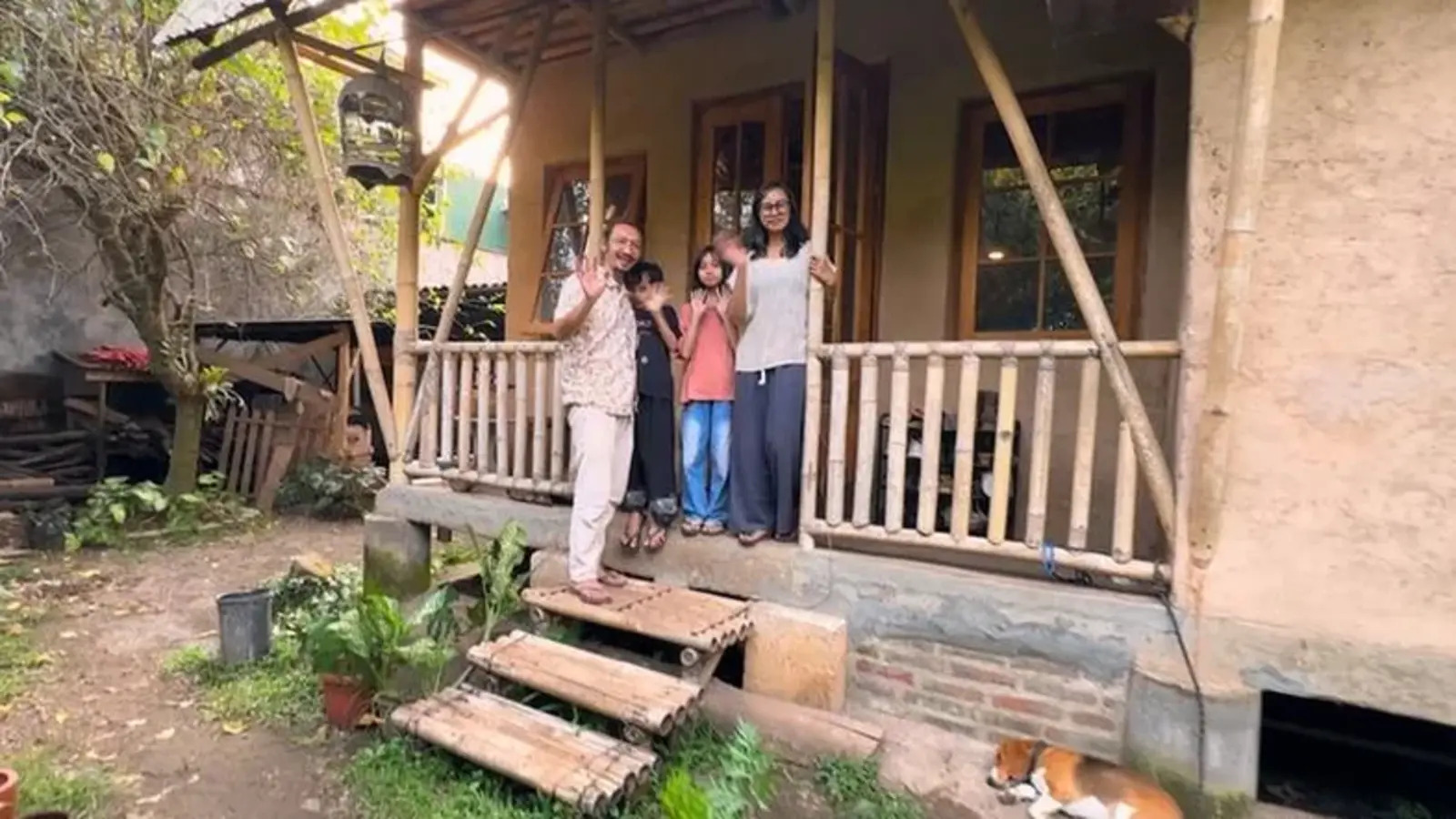
With earth, bamboo, straw, and lime mortar, a specialist builds a house for just over $460 and draws attention for its cost being much lower than traditional construction.
-
Rodrigo de Freitas Lagoon advances in environmental recovery with sanitation, elimination of irregular sewage, and the resumption of water sports in Rio de Janeiro.

-
Sustainable housing gains strength with a nationally awarded project in Campo Grande, highlighting innovative solutions that combine sustainability, urban integration, and efficiency in the use of natural resources.


Negi was the one who planted each of them. Furthermore, he managed to initiate the production of potatoes, peas, asparagus, sunflowers, mushrooms, and beans, in addition to maintaining traditional fruit crops, such as apples and apricots.
The contrast is striking because the altitude exceeds 3,200 meters, and the natural conditions almost always limit vegetation to scattered shrubs. Still, his work changed the landscape.
Inspiration Born From Frustration
In the late 1990s, Negi was involved in the Desert Development Program, conducted by the government of Himachal Pradesh.
The goal was to reduce the effects of desertification, but he became discouraged because he saw many resources being poorly utilized.
As the son of simple farmers, he felt there was a lack of efficiency in delivering concrete results to the communities that depended on the land.
This frustration led him to act on his own. In 1998, he decided to volunteer in Thang Karma. There, he began one of the boldest projects in the recent history of this cold and remote region.
The Slow Process Of Seeing The Forest Grow
Negi reported that he spent a good amount of time just testing plants and analyzing the soil because he needed to understand how to make that environment fertile. The first step was to set up a nursery.
After that, he created planting areas on contour lines. Even so, the first months were difficult. Water did not arrive in time, and most of the seedlings died before they could take root. About eighty percent of them wilted quickly.
Today, the situation is completely different. The survival rate reaches 90%.
Simple But Consistent Techniques
The adoption of contour lines helped retain rainwater and prevented soil loss. Since the water supply depended on the melting of the mountains, there was often inconsistency.
Therefore, Negi teamed up with local residents to construct channels capable of transporting water from glaciers located nearly twenty-five kilometers away.
Additionally, he planted clover along these channels. The plant has multiple functions as it protects the soil, helps retain moisture, prevents hares from destroying crops, and improves fertility as its roots decompose periodically.
Direct Impact On Rural Communities
The result inspired hundreds of farmers. About two hundred of them received land from the government and began to cultivate their own orchards.
This movement changed the relationship of several villages with agriculture because many residents had already given up the activity due to the region’s severe conditions.
Another effect was the arrival of sheep herders from distant villages, attracted by the clover that sprang up in Thang Karma and is now considered high-quality forage.
Orchard owners, known for the sweetness of the apples they produce, also visit the site to buy bags of vermicompost made by Negi, reinforcing the practical importance of his work.
A Legacy Built Over Two Decades
AD Negi’s continuous effort changed how farmers and government departments view the local land.
People who once doubted the possibility of cultivation realized that persistence can transform an environment that was once barren.
He did not use complex techniques nor did he have advanced technologies. What truly sustains his story is the daily work, repeated for over twenty years, until that cold desert became a green and productive space.
The forest of Thang Karma remains proof that dedication and continuity can give life where it once seemed impossible.
With information from Global Earth Repair Foundation.







-

-

-

-

-

-

25 pessoas reagiram a isso.