





 Portuguese
  English
  Spanish
  4 min of reading
  54 comments





Brazil Faces Historic Shortage of Workers in the Construction Industry; Salaries Skyrocket and Construction Companies Are Betting on Technology and Reskilling to Avoid Project Collapse.
Brazil is experiencing a historic shortage of workers in the construction industry, a phenomenon that threatens the progress of large public and private projects across the country. With the sector’s recovery driven by the PAC, growth in real estate credit, and the expansion of logistics and energy enterprises, what was once a localized issue has turned into a structural labor crisis. A survey by the Brazilian Chamber of Construction Industry (CBIC) and data from Caged indicate that the deficit exceeds 230,000 qualified professionals, the largest in two decades.
Growing Deficit and Idle Construction Sites
Engineering firms and construction companies report difficulty filling basic positions, especially in the roles of mason, laborer, carpenter, plumber, and electrician. In regions of significant growth, such as the Northeast and Center-West, there are construction sites operating with only 60% of the necessary workforce.
The problem is exacerbated by a lack of professional training. Basic technical courses—training construction foremen, equipment operators, and building technicians—have been losing students for years. According to Senai, the number of courses has fallen by about 20% in the last decade, while demand for professionals has risen by more than 40%.
-
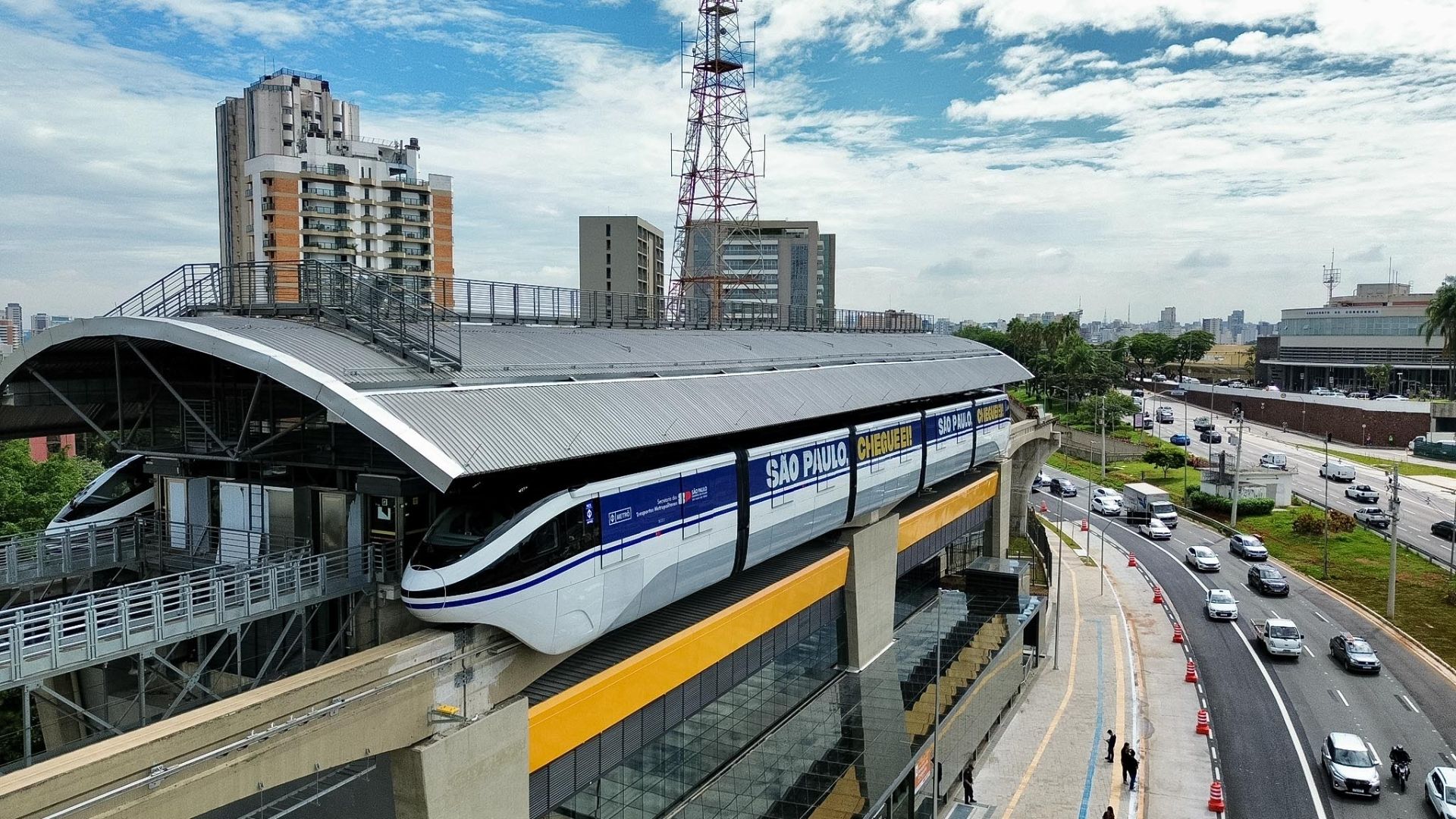
Congonhas receives the monorail promised for the 2014 World Cup after more than a decade of delays and becomes the first airport in Brazil with integrated subway.
-
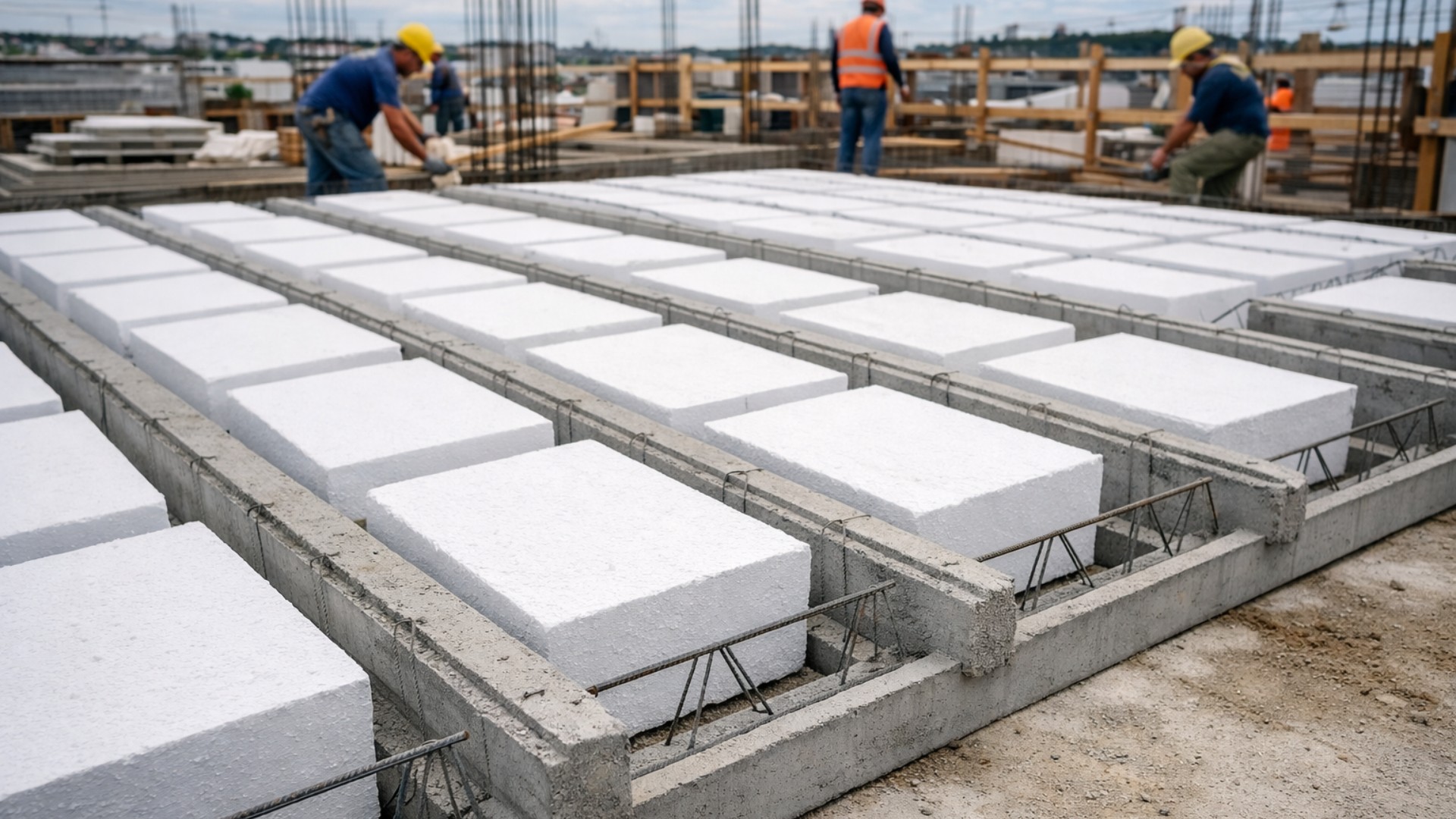
Goodbye, concrete: a new trend in civil construction reduces the weight of the structure by up to 30%, accelerates projects by up to 40%, cuts costs on steel and labor, and improves thermal insulation with EPS.
-
Russian engineers create an innovative propeller blade for aircraft that could completely change the way airplanes and helicopters operate.

-
Couple finishes building PVC chalet on the beach on the last day, with air conditioning and curtains, but discovers the bathroom drain is inverted: water escapes from the drain, risking breaking the floor, and the rush continues before the trip.

Young People Reject the Sector and Salaries Skyrocket
One of the main challenges is the lack of interest from new generations. Research shows that less than 10% of young Brazilians consider the construction industry an attractive field.
The combination of intense physical work, long hours in the sun, and historically low wages has driven away the new workforce. The result is that veterans are retiring and there is no replacement in sight.
To try to curb the exodus, construction companies are offering salaries up to 60% higher for basic positions. A qualified mason who earned R$ 2,500 per month in 2023 can now surpass R$ 4,000, depending on the region. Construction foremen can earn up to R$ 8,000 per month, including benefits and lodging. Even so, the vacancies remain open.
According to data from the Ministry of Labor, there are currently more than 120,000 unfilled positions in the sector throughout the country. Companies also report a significant increase in costs associated with overtime and extended deadlines in infrastructure projects.
Reindustrialization and the Real Estate Boom Intensify the Problem
The resumption of public and private investments has accelerated the shortage. The New PAC, launched in 2023, anticipates over R$ 1.7 trillion in projects by 2026, including ports, highways, sanitation, railroads, and housing from the Minha Casa, Minha Vida program.
In addition, the cycle of real estate expansion in smaller cities and capitals—such as Goiânia, Fortaleza, and Campinas—has drastically increased the demand for skilled labor. Large construction companies, such as MRV, Direcional, and Pacaembu, report average delays of 60 days on projects due to the lack of workers.
The same scenario repeats itself in industrial projects for solar and wind energy, where there is a shortage of fitters, electricians, and crane operators. The Brazilian Solar Energy Association (ABSOLAR) estimates that 30% of new plants are operating with reduced teams.
Companies Bet on Inclusion and Technology to Fill the Gap
In light of the situation, the sector is betting on two complementary solutions: inclusion of new profiles and automation. Construction companies are expanding the hiring of women, seniors, and individuals from other sectors, in addition to providing direct training on construction sites.
Programs in partnership with SENAI and the S System offer accelerated training with just 160 hours, ensuring certification and immediate placement in the job market. In São Paulo, a pilot project called “Mãos à Obra 4.0” has already trained over 5,000 workers in just one year, with a 90% employment rate.
At the same time, there is increased investment in modular construction technologies, 3D concrete printing, and automation systems. The Paraná-based startup TecBuild, for instance, utilizes robots for block placement, reducing the need for labor by up to 40% in medium-sized projects. Nevertheless, experts state that automation will not replace human workers in the short term—it will merely alleviate some of the shortage.
The Future of Construction and the Risk of Stagnation
If the deficit is not reduced, CBIC estimates that Brazil could lose up to 1.2% of GDP in 2025 due to delays and interruptions in projects. The sector, which accounts for about 7% of the national economy, directly depends on the expansion of employment and technical qualification.
There is consensus among analysts that the country needs a “new educational pact” to revalue construction professions.
“While Europe struggles with an aging workforce, Brazil has a demographic bonus—but it is wasting the opportunity due to a lack of practical training,” warns Eduardo Zaidan, an economist at Sinduscon-SP.
The current crisis reveals more than a market problem: it is a reflection of an economy that has resumed growth faster than its capacity to train and employ. The construction industry, a symbol of Brazilian development, today raises its walls with an unprecedented challenge—the lack of those who can build them.









Trabalhando autônomo como eletricista ganho em média 250 por dia, de segunda a sábado tiro um salário de 6.000,00 em média, ninguém enche meu saco, faço meus investimentos para garantir meu futuro, porque se for depender de aposentadoria passo fome, pra que vou ficar nesses empresas pra ser escravizado e ganhar menos.
Um Bom carpinteiro entra em uma empresa com menos de 90 dias e dispensado aí não vale a pena ficha
O problema não e só falta de mão de obra ,,os salários são pífios ,,ninguém trabalha mais de graça não adianta qualifica a mão de obra ,,se não aumentar o salário ,,tem que qualificar os salários também ,,
Exatamente….isso quando não pedem q vc tenha duas especializações (eletricista/encanador), pra pagar um mísero salário