





 Portuguese
  English
  Spanish
  3 min of reading
  0 comments



Energy Efficiency, As Indicated by the United States Department of Energy, Is Essential for the Decarbonization of Hard-to-Abate Industries.
Energy efficiency in the industrial sector is a crucial step for the decarbonization of industries considered hard to decarbonize. As indicated by the U.S. Department of Energy, the implementation of advanced technologies can significantly accelerate this process. The adoption of more efficient practices not only reduces energy consumption but also decreases greenhouse gas emissions, primarily CO2, effectively contributing to decarbonization.
An integrated approach that includes carbon reduction and emission cuts is imperative to achieve the climate goals set globally. Companies that invest in sustainable technologies and carbon neutrality have a significant competitive advantage as they can align their business objectives with environmentally responsible practices. Thus, the ongoing quest for decarbonization translates not only into environmental benefits but also into economic and reputational gains for the industry.
Introduction to Decarbonization
Decarbonization. These organizations, while contributing about a quarter of global GDP and employment by producing essential products and materials for daily life, also negatively impact the environment. According to the UN Climate Change agency, the industrial sector is responsible for 34% of all greenhouse gas emissions.
-
A new technology attached to the helmet can detect motorcycle accidents in seconds, assess the severity, and send the location to emergency services; meet Quin, a small smart device.

-
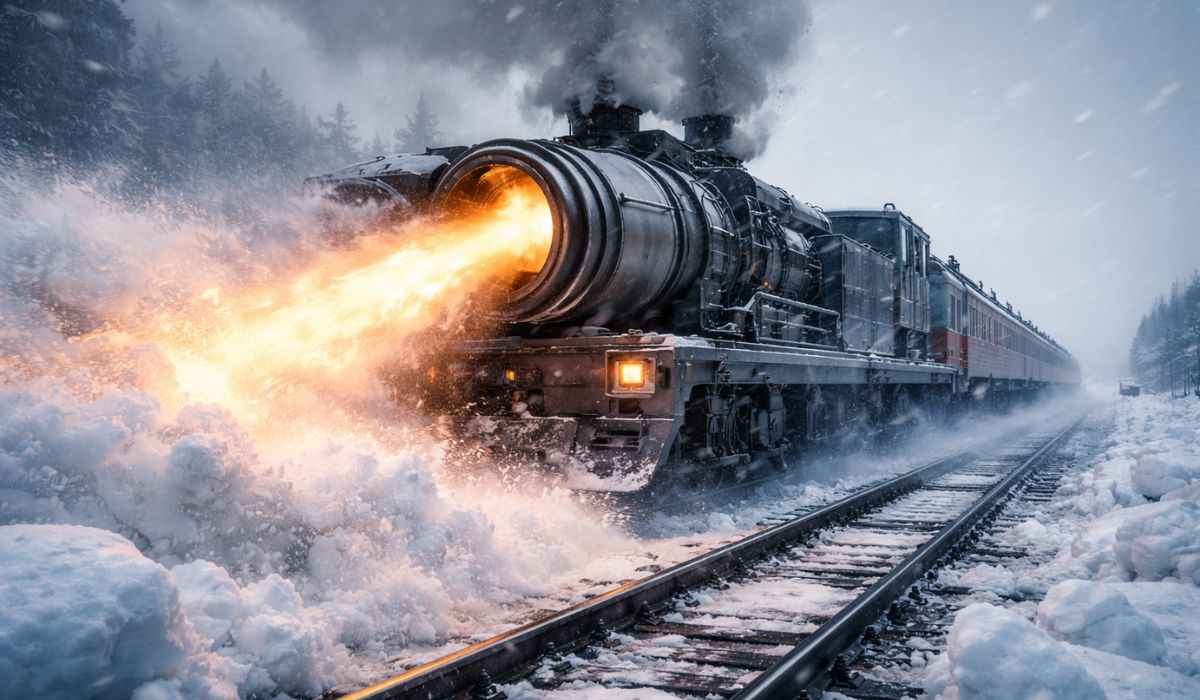
The bizarre train that uses Cold War jet fighter engines to blast air at over 1,000 km/h, melting ice walls and freeing frozen tracks in minutes where ordinary machines would take hours.
-
Japan is transforming dirty diapers from babies and the elderly into an ambitious and surprising project that could forever change the way the world deals with one of the most difficult types of waste to dispose of.

-
Goodbye to waste: a Brazilian created a revolutionary brick that uses construction debris, has already entered the markets of the United Kingdom and the USA, and promises to shake up the global construction industry.


Challenges of Decarbonization in Hard-to-Abate Industries
Additionally, approximately 70% of these emissions are generated by hard-to-abate industries, where carbon reduction is particularly difficult due to energy-intensive processes that release CO2 as a byproduct.
Another major challenge is that the industrial sector is one of the most in need of green technologies for its decarbonization initiatives. However, these solutions for many applications are still in development or are very expensive, and industrial equipment has a long lifespan, making replacement or retrofitting difficult.
Energy Efficiency: A Pillar of Decarbonization
Energy efficiency is the first step towards decarbonization. The United States Department of Energy emphasizes the implementation of energy efficiency solutions as indispensable for industrial decarbonization. The International Energy Agency (IEA) suggests that these technologies could account for more than 40% of the emission cuts required by 2040.
According to the IEA, the widespread adoption of energy efficiency solutions has the potential to improve energy intensity by more than 50% per square meter, a unit that measures the energy required per product or activity performed.
Innovative Solutions and Energy Efficiency
A benefit is that innovative solutions drive energy efficiency both on the factory floor and in administrative units, optimizing motor start-up, air conditioning, and lighting, connected with sensors and smart networks, providing real-time data. These innovations can be implemented in new plants or existing facilities through retrofitting.
Audits and digital management systems are also crucial, helping industries identify unprecedented opportunities and set more ambitious and attainable energy efficiency goals. According to consulting firm McKinsey, companies that simultaneously reduce costs and emissions can capture a larger market share and fund new decarbonization efforts.
Advantages of Decarbonization for Companies
Moreover, organizations that lead in decarbonization actions can enhance their brands and generate revenue faster than the competition.
Technologies that increase energy efficiency, productivity, and transparency, while cutting costs and contributing to industrial decarbonization, can be key to a resilient and sustainable economic future. Clearly, all of this also contributes to a healthier future for the planet.
About Mitsubishi Electric Brazil
Operating in the country since 1975, Mitsubishi Electric Brazil reflects the company’s global values, acting in the areas of industrial automation and CNC, air conditioning systems, process automation, automotive equipment, visualization systems, and transportation systems.
Source: © Press MITSUBISHI ELECTRIC DO BRASIL.





Seja o primeiro a reagir!