Portuguese
  Spanish


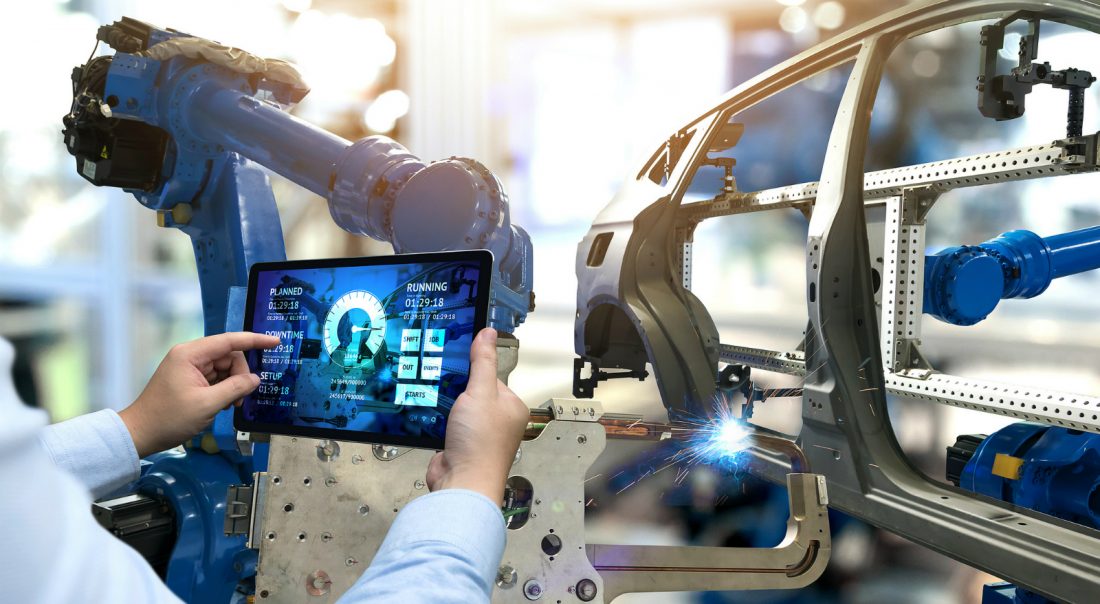

Research Conducted by the CNI Shows That the Technology Industries, or Industry 4.0, Responded Well to the Pandemic Compared to Other Sectors
The technology industries, also known as Industry 4.0, responded well to the crisis of the COVID-19 pandemic, according to data from the CNI’s research. Compared to before the pandemic, Industry 4.0 is more profitable and maintains or even increases the employment of workers. Sales outlooks for 2021 are even better.
Check Out Other News:
- Brazilian Multinational in the Metallurgical Sector, Tupy Opens 200 Job Vacancies in Santa Catarina
- Billion-Dollar Investment – BRF Giant Announces Its Growth Plan for the Next 10 Years
- Infotec Brazil Secures Another Contract with Petrobras
- Technicians, Electricians, Engineers, Analysts, and Many Other Job Openings Are Being Offered in MG, MS, SP, CE, and More
The research was conducted by the FSB Pesquisa Institute in the last week of October to mid-November and shows that 54% of industries that use one to three digital technologies in production generate profits equal to or greater than the pre-pandemic period.
Another parameter that was also influenced is the hiring in the sector last month, compared to the pre-pandemic period. 30% of employees in industries that adopted three digital technologies increased. In the same comparison, the participation in employment growth in traditional industries is relatively small, accounting for 21% of the company.
-
While NATO secured more than $10 billion in missiles and space surveillance at a single forum, Brazil still spends 1.1% of its GDP on defense and is stalling its own anti-aircraft system.

-
They exchanged the idea of a large house for a 35 m² warehouse, spent US$ 12,000 on the structure, and created a tiny house in Colorado with space to live and work.

-
Corn ethanol attracts R$ 23 billion in 21 new plants and prepares for a nearly 50% jump in Brazilian production by 2027, even with high interest rates.
-
A newly opened terminal in the middle of the Amazon has begun transporting soy and corn through Amapá, eyeing the queue of ships that is congesting the ports in the South.


The study indicated that, in digital technology, the largest share of companies expanding jobs is 37%, and these are companies that adopt advanced robotics. There is a fear that Industry 4.0 technologies may impact unemployment in the country.
The CNI’s Industrial Policy Manager, João Emílio Gonçalves, says that “Every moment in history of technological changes has been linked to the fear of a significant reduction in the use of labor.”
Vinícius Fornari, one of the people responsible for the research, says that compared to traditional manufacturing, the more favorable performance achieved by Industry 4.0 during the pandemic is largely due to the unique characteristics of the digital industry, as the production of the digital industry is more autonomous.