





 Portuguese
  English
  Spanish
  5 min of reading
  0 comments


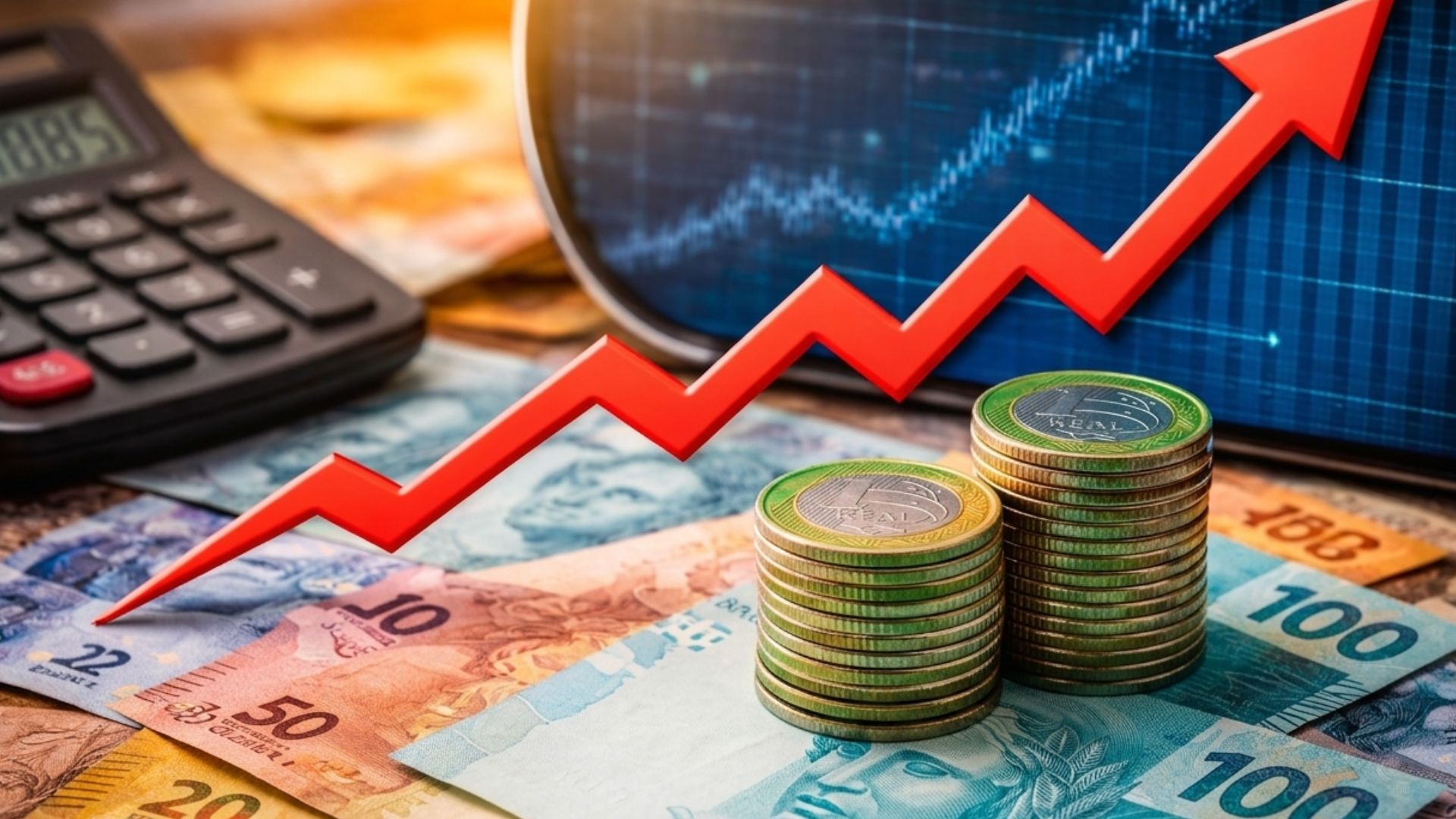
The inflation measured by IBGE in March shows an increase in prices and a rise in the cost of living, revealing direct impacts on the Brazilian economy and on families’ financial planning.
The country’s official inflation registered 0.88% in March, as reported by IBGE, showing an acceleration compared to 0.70% in February. According to information from Agência Brasil, the increase of 0.18 percentage points reinforces the pressure on the Brazilian economy and raises an alert about the rising cost of living, especially for families already struggling to balance their budgets.
The impact is direct: higher prices for essential items reduce purchasing power and require more strategic financial decisions. Year-to-date, inflation has reached 1.92%, while over 12 months it totals 4.14%, above the 3.81% recorded in the previous period. In March of last year, the index was 0.56%, highlighting a trend of acceleration.
Inflation and IBGE reveal concentrated pressure in transportation and food
The data from IBGE shows that the inflation of March was not distributed evenly. Two groups concentrated a large part of the impact: transportation and food. Together, they accounted for 76% of the index for the month, which highlights how essential sectors shape the dynamics of the Brazilian economy and increase the cost of living.
-
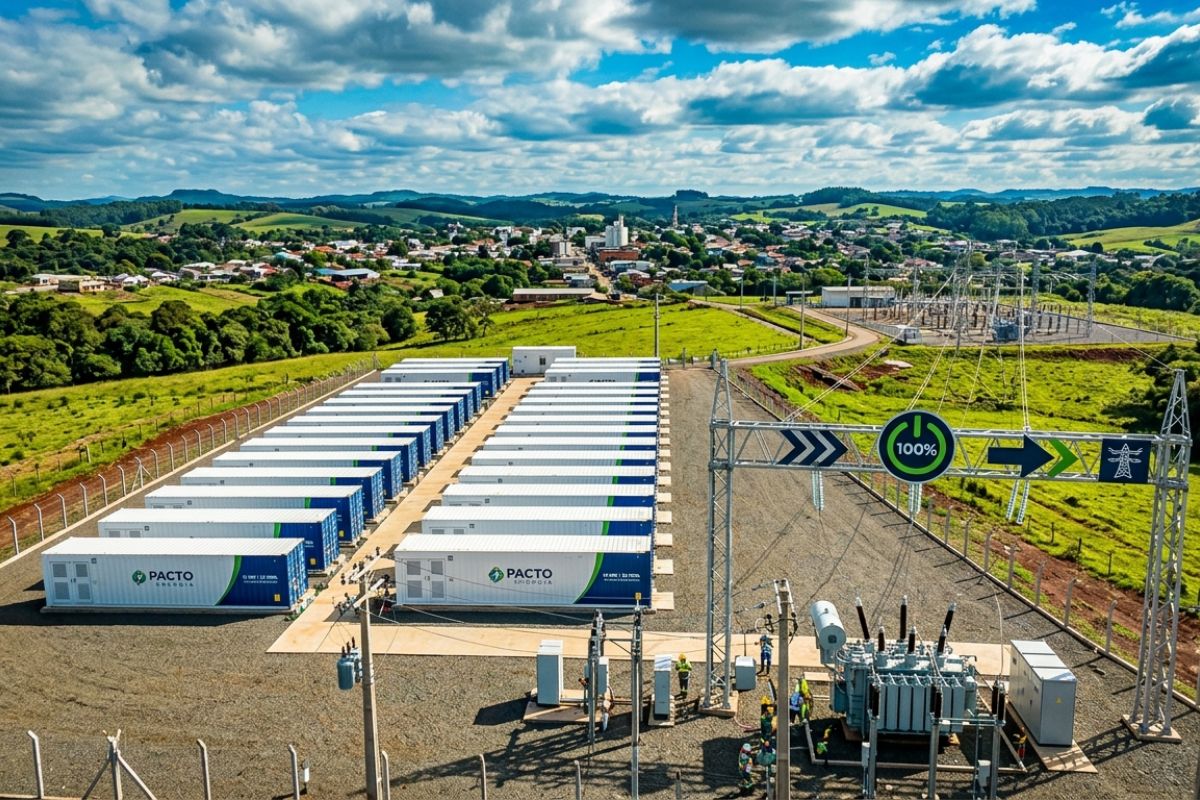
In Paraná, distributor Pacto connects 100% of the load in Coronel Vivida to batteries: a BES of 10 MW and 20 MWh costs just over R$ 30 million and lowers the local tariff now.
-
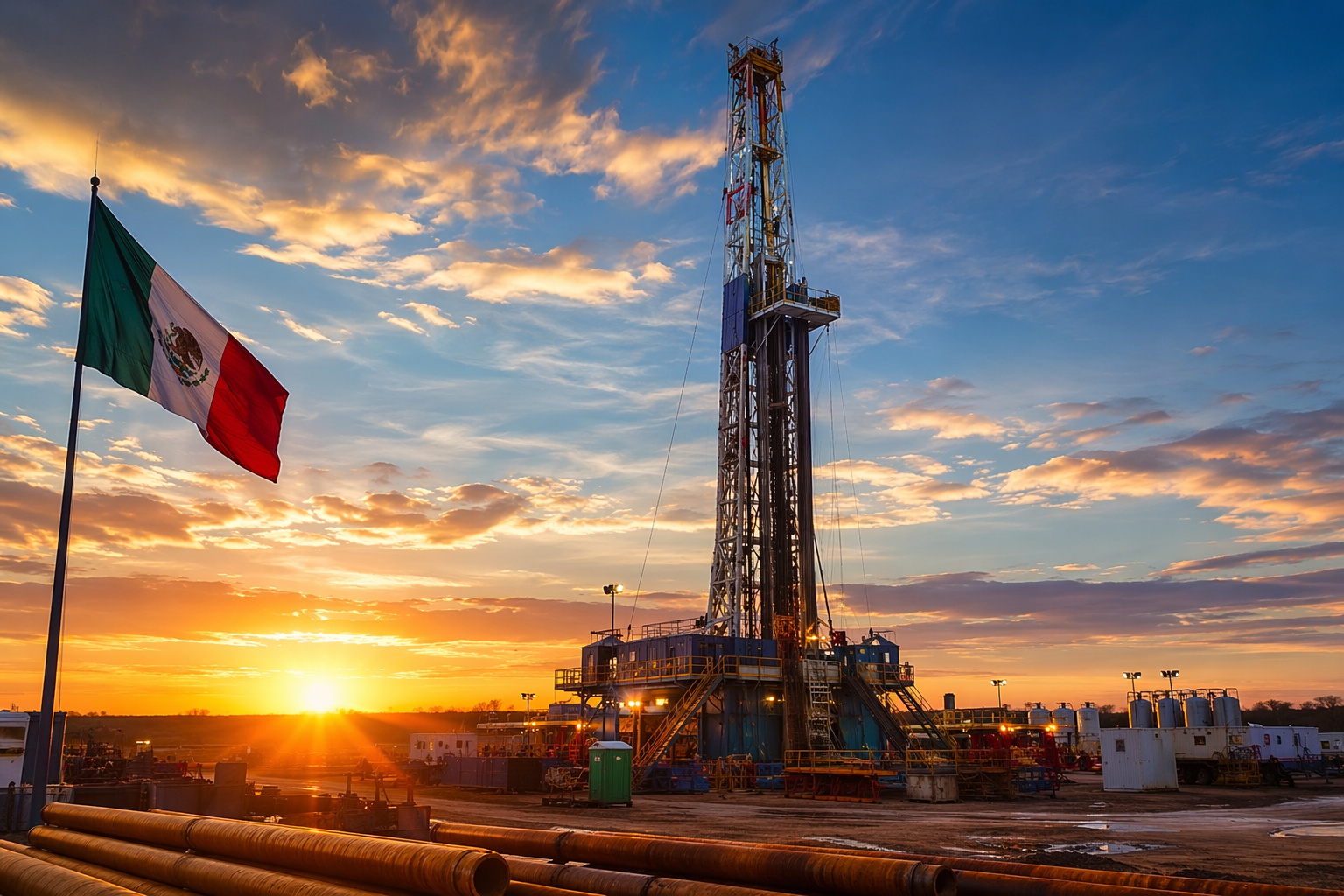
With a dependence of up to 80% on gas imported from the United States, Mexico is responding with a robust energy strategy, betting on shale gas, creating a scientific committee, and preparing to expand natural gas production to reduce vulnerability and strengthen its energy security in the coming years.
-
The United States proposes to Brazil a critical minerals agreement with a minimum price to combat Chinese dumping and priority for investment, but the Planalto is blocking the signing out of fear of upsetting China and due to electoral calculations in a year of competition.

-
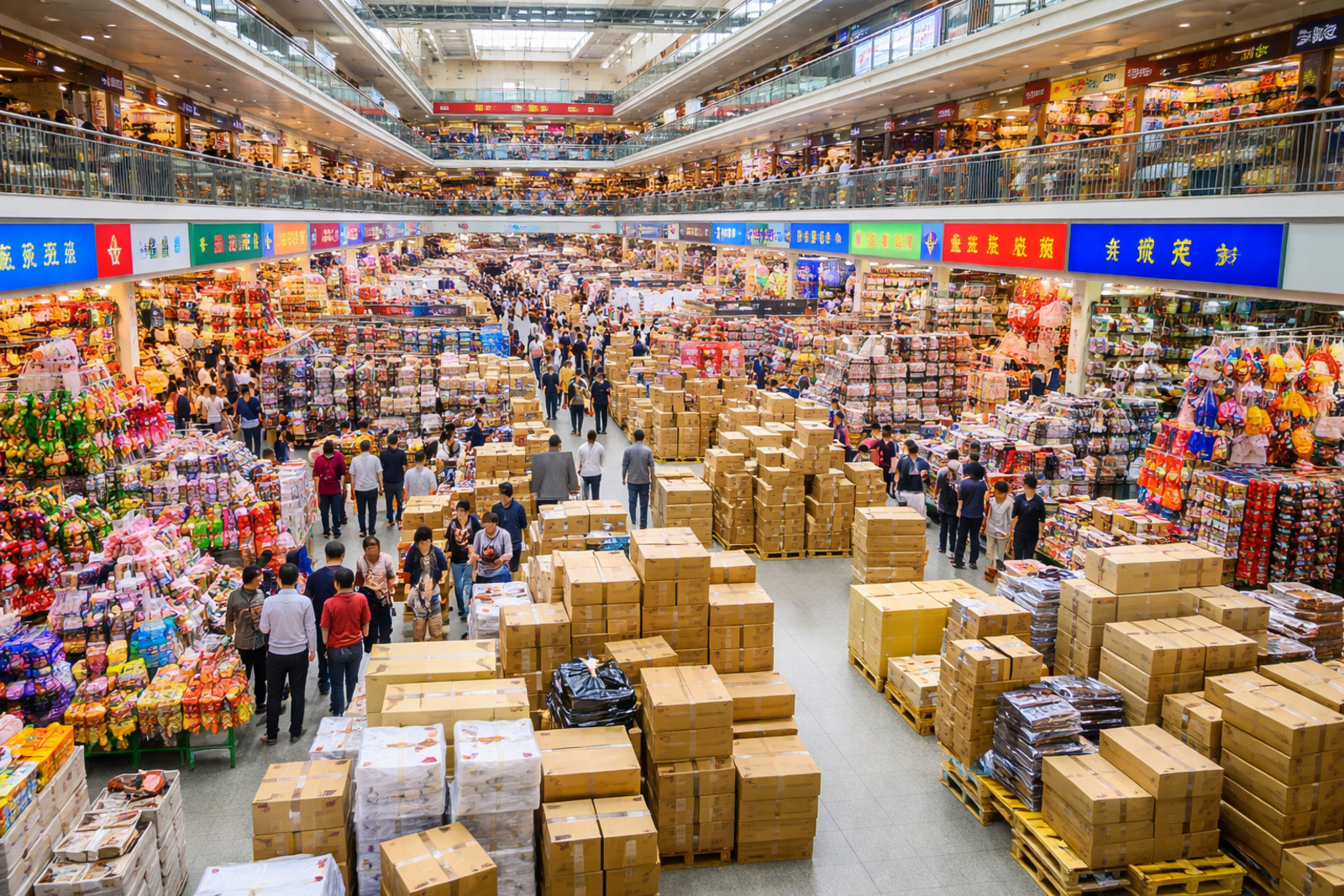
How the world’s largest market sidestepped Trump’s tariff hike, diverted part of the cargo to new destinations, and still set a record in exports.
Among the main factors, the following stand out:
- Increase of 4.59% in gasoline, with an impact of 0.23 percentage points
- Increase of 6.08% in airline tickets
- Increase of 13.90% in diesel
These data show how transportation directly influences daily life. It is not just about mobility, but a chain effect that raises the prices of products and services.
More expensive fuels amplify impact on the Brazilian economy
The rise in fuel prices plays a central role in shaping inflation, according to IBGE. When gasoline and diesel prices increase, the effect is immediate on the Brazilian economy, as the transportation of goods becomes more expensive, indirectly raising the cost of living.
Diesel, with a rise of 13.90%, directly impacts freight costs. This increase is ultimately passed on to the end consumer, especially in food and basic products.
Gasoline, in addition to affecting individual transportation, influences the entire logistics chain. This scenario helps explain why inflation remains pressured even when other sectors show more moderate variations.


Rising food prices reinforce the increase in the cost of living in the country
Another critical point of the inflation in March was the food group. According to IBGE, food at home rose 1.94%, the highest increase since April 2022, when it recorded 2.59%. This increase weighs directly on the Brazilian economy and raises the cost of living for families.
Some products saw significant increases:
- Long-life milk: 11.74%
- Tomato: 20.31%
These widely consumed items had impacts of 0.07 and 0.05 percentage points, respectively. Combined with other products, five sub-items accounted for 0.43 percentage points of the IPCA in March.
The combination of lower supply and increased transportation costs, driven by fuel prices, explains part of this increase. For consumers, the effect is immediate: more spending on food and less room for other expenses.

Generalized increase shows widespread pressure on prices
In addition to the most impactful groups, all nine groups analyzed by IBGE showed positive variations in the inflation of March. This widespread movement reinforces the pressure on the Brazilian economy and the increase in the cost of living.
The main highlights include:
- Transportation: 1.64%
- Food and beverages: 1.56%
- Personal expenses: 0.65%
- Health and personal care: 0.42%
- Education: 0.02%
Even the groups with the smallest variations contribute to the perception of generalized price increases. This happens because consumers feel the rise in different areas of their budget, not just in a single sector.

Personal expenses, health, and housing also rise
Other segments also contributed to the rise in inflation, according to IBGE. Although with less intensity, these increases affect the Brazilian economy and cumulatively raise the cost of living.
The personal expenses group rose 0.65%, influenced by activities such as cinema, theater, and concerts, which recorded an increase of 3.95%. Health and personal care advanced 0.42%, with a highlight for health plans, which increased by 0.49%.
In housing, the increase was 0.22%, impacted by residential electricity, which rose 0.13%. Despite the green tariff flag, adjustments of 6.92% and 14.66% in utility companies in Rio de Janeiro influenced the result.

Regional differences show distinct impacts of inflation
Inflation does not behave the same across the country, and IBGE data shows relevant differences within the Brazilian economy. These regional variations directly affect the cost of living in each locality.
Salvador recorded the highest increase, at 1.47%, influenced by a 17.37% increase in gasoline and 3.56% in meats. Meanwhile, Rio Branco showed the lowest variation, at 0.37%, benefiting from a 3.28% decrease in electricity and 3.72% in fruits.
This data reinforces that local factors, such as product supply and tariff policies, can mitigate or intensify the impact of inflation.
INPC reinforces greater impact for lower-income families
The IBGE also released the INPC, which measures inflation for families with lower incomes. In March, the index was 0.91%, above the 0.56% in February, reflecting a more intense impact on the base of the Brazilian economy and the increase in the cost of living.
Year-to-date, the INPC reaches 1.87%, while over 12 months it totals 3.77%, surpassing the 3.36% from the previous period. In March 2025, the index was 0.51%.
This indicator is especially relevant because it shows how inflation affects those who allocate a large part of their income to essential items more intensely.
How IBGE’s calculation helps to understand inflation in Brazil
The calculation of inflation by IBGE follows a methodology that considers prices collected between March 4 and March 31, 2026, compared to the period from January 30 to March 3, 2026. This process allows for a consistent analysis of the Brazilian economy and the behavior of the cost of living.
The IPCA covers families with incomes between 1 and 40 minimum wages, while the INPC focuses on families with 1 to 5 minimum wages, with a salaried head. The survey covers various metropolitan regions, as well as cities like Goiânia, Campo Grande, Rio Branco, São Luís, Aracaju, and Brasília.
This coverage ensures a more accurate reading of the country’s economic reality.
What changes in daily life with rising inflation
The rise of inflation to 0.88% in March, according to IBGE, reinforces a scenario of constant pressure on the Brazilian economy and an increase in the cost of living. The impact goes beyond the numbers and is directly reflected in the daily lives of families.
With higher prices, it becomes essential to adopt strategies such as:
- Review monthly expenses and eliminate unnecessary costs
- Compare prices before purchasing
- Prioritize essential items
- Plan purchases more consciously
This movement is not just a momentary response, but a necessary adaptation in the face of a more challenging economic scenario.
Inflation continues to be one of the main indicators of the country’s economic health. Understanding its impacts is essential for making safer decisions and maintaining financial balance amid the changes in the economy.







Seja o primeiro a reagir!