





 Portuguese
  English
  Spanish
 3 min of reading


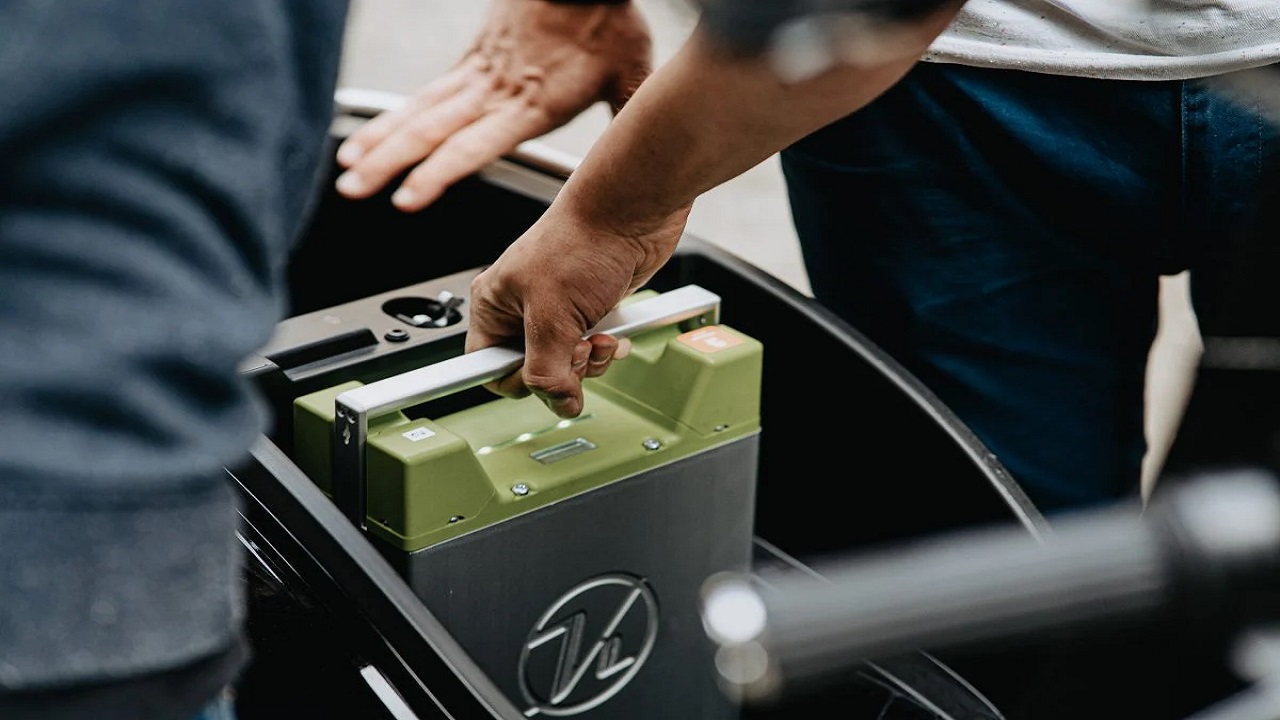
To Further Boost The Automotive Sector, Inmetro Plans To Build, Alongside Two Partners, The First Laboratory For Testing Electric Car Batteries In Brazil
Inmetro plans to set up its first laboratory to test electric vehicle batteries, making Brazil take a significant step in the electric car sector. The agency signed, this Tuesday (31), a memorandum of understanding for the project. The announcement of the laboratory was made by the agency itself in a press release, which also stated that the protocol will be signed by the Pontifical Catholic University of Rio Grande do Sul (PUC-RS) and the South Korean product certification body PCN, at Inmetro’s headquarters in Brasília.
Also Read
Inmetro Laboratory Will Start Operations In 2023
Each signatory will have its respective role in the battery testing laboratory for electric vehicles. For the higher education institution, through the Specialized Laboratories in Electroelectronics, Calibration, and Testing Complex (LABELO), the mission was given to manage the collected fund as well as to construct the laboratory and purchase the necessary equipment.
Meanwhile, the Asian company will help to connect with potential investors. In the meantime, Inmetro will donate space from its Innovation and Methodology Campus for the construction of the laboratory. The agency will join the other 57 high-tech laboratories that are part of the technology park in Duque de Caxias (RJ). The electric car battery testing laboratory is expected to be operational in 2023.
-
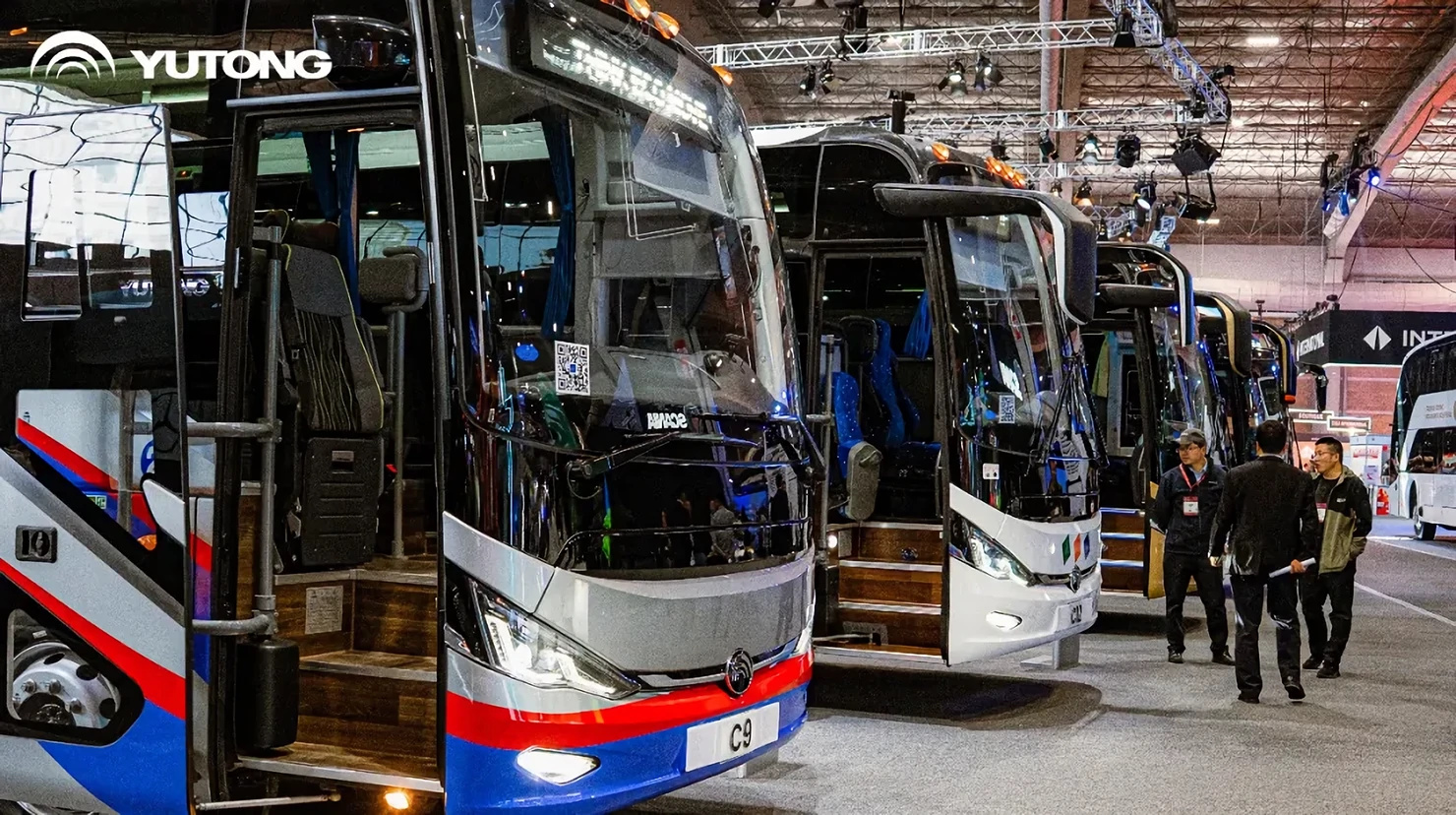
China advances into Mexico’s transportation with an electric bus that has a range of up to 530 km, bringing a complete line to the country in 2026 and transforming its partnership with Yutong into one of the most strategic in Latin American mobility.
-
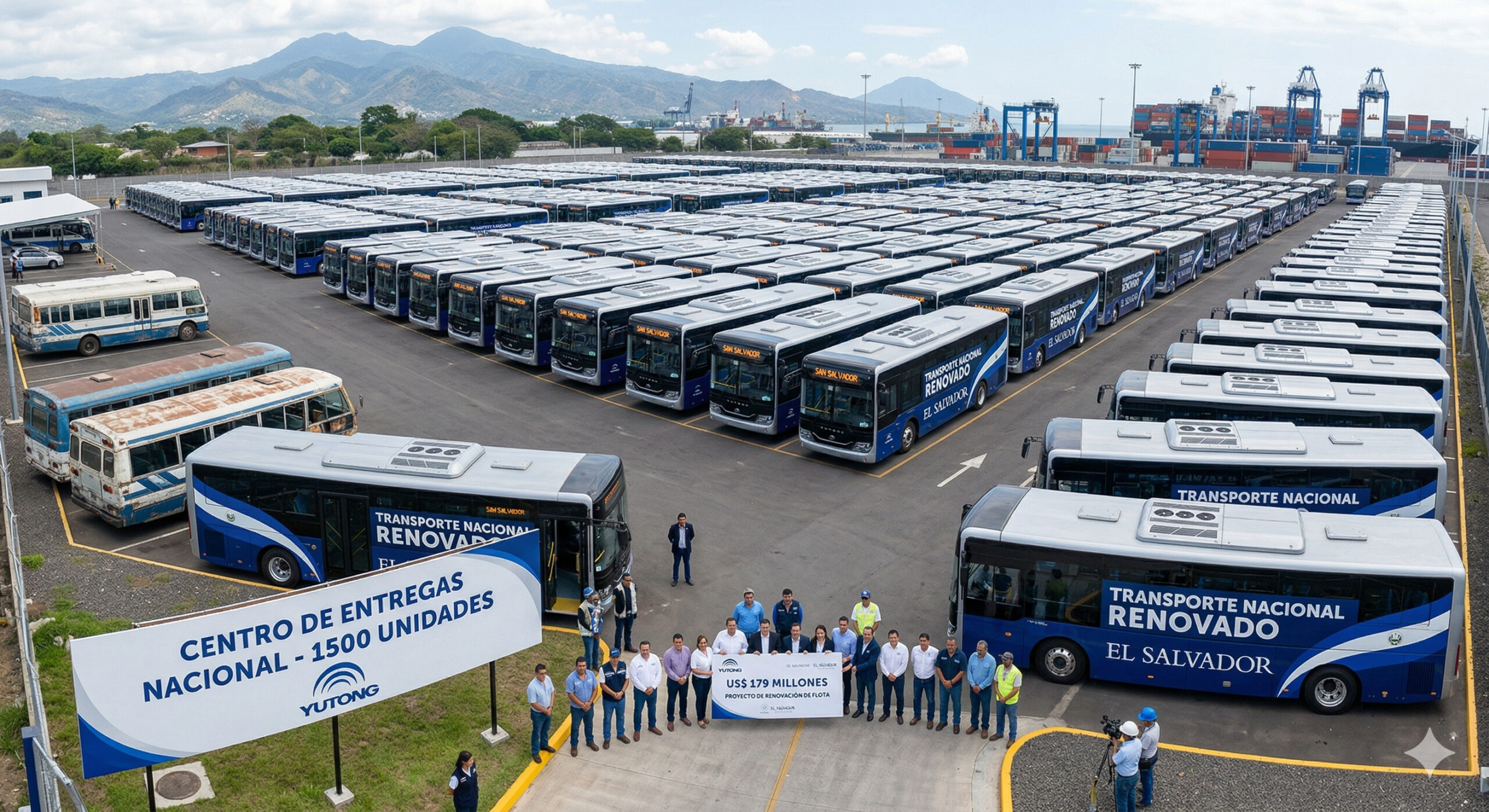
With 1,500 new buses financed by an international agreement, El Salvador is preparing the largest renewal in the history of its public transportation, a plan of $179 million with vehicles from the Chinese company Yutong that could replace practically the entire fleet of the country.
-
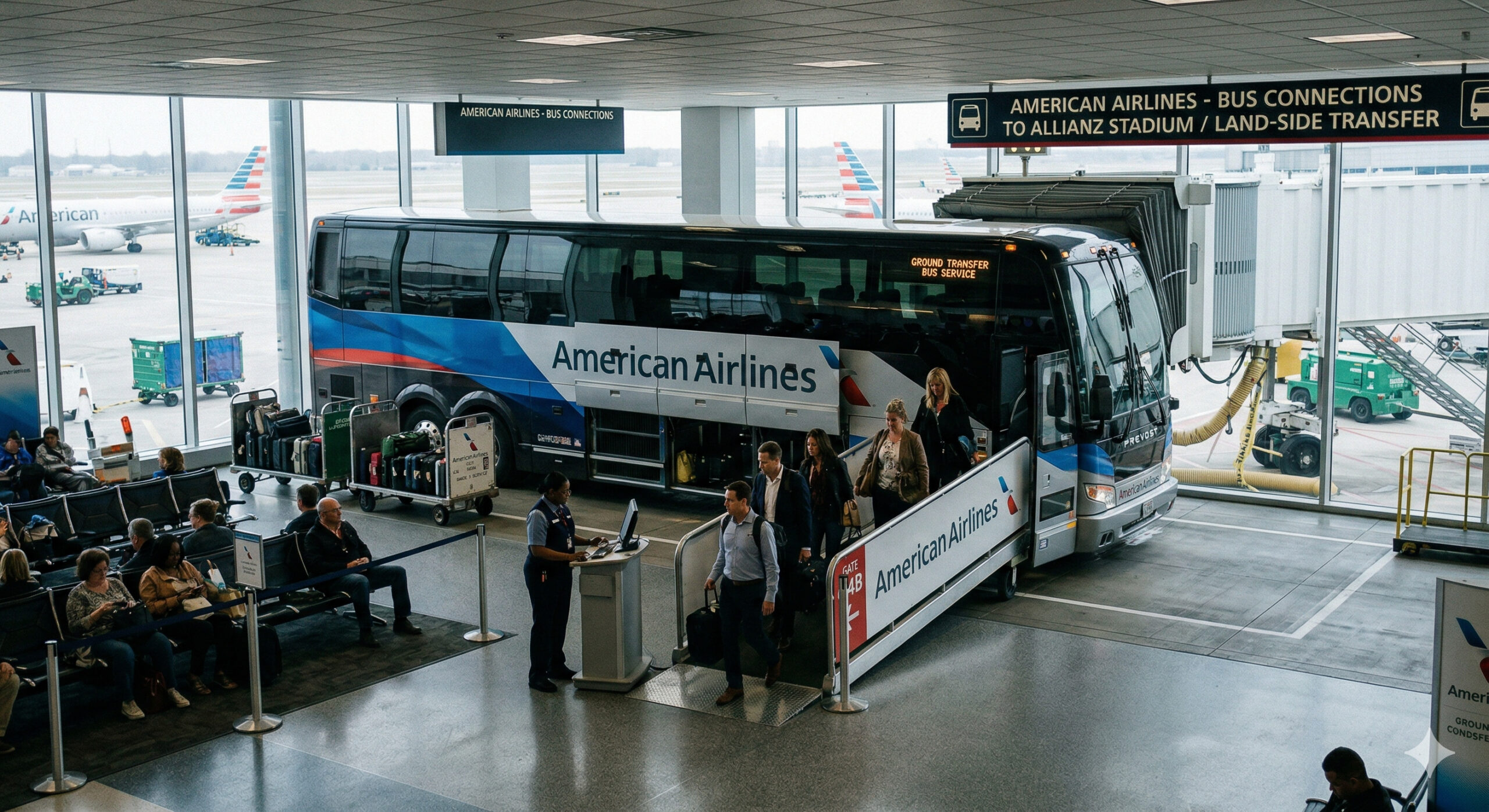
American Airlines starts selling trips as if they were flights, with check-in and baggage check at the airport, but on short routes, passengers board luxury buses connecting cities to major hubs in the U.S.
-
São Paulo surprises the world with a colossal railway network project that promises over 1,000 km of tracks, R$ 194 billion in investments, and 40 projects connecting the capital to the interior with fast and sustainable trains.
Inmetro President Comments On Battery Testing Laboratory
According to Marcos Heleno Guerson, president of Inmetro, some projections indicate that by 2035, more than 60% of the Brazilian fleet will be electric or hybrid cars. Therefore, there is a necessity to strengthen the quality infrastructure of batteries in the country in this sector.
The executive claims that Inmetro has the technical capacity to contribute to the development of safety requirements, as high temperature and fire risk are challenges to be faced with batteries, in addition to improving already tested techniques for quality and autonomy.
This is just the first step in the partnership between the public and private sectors. The signing of the legal contract (with the final bases) is still pending, which should take place in December this year.
Investments To Reduce Emissions Reach R$ 150 Billion
The battery testing laboratory for electric cars could be a step towards the future of urban mobility. Several countries are already working to reduce emissions in traffic.
Moreover, the construction of the laboratory may be crucial for the advancement in the electric car sector, as according to the agency, the country will be a pioneer in Latin America in establishing requirements for this type of product, potentially becoming a major exporter of technologies and knowledge to other countries.
At the beginning of the month, Anfavea announced several challenges for electrification. According to the entity, investments of around R$ 150 billion would need to be made to reduce emissions.






Seja o primeiro a reagir!