





 English
  Francês
  Alemão
  Italiano
  Japonês
  Norueguês
  Portuguese
  Spanish
  2 min of reading


MIT Pioneer In Innovation: 3D Printed Hearts Promise To Transform Cardiac Treatments And Save Lives
According to the Organ Procurement and Transplantation Network, 17 people die every day waiting for an organ transplant. However, a ray of hope emerges on the horizon of medicine: 3D printing engineering. Specifically, a milestone in innovation has been achieved by the Massachusetts Institute of Technology (MIT).
A Personalized Approach To Cardiac Treatment
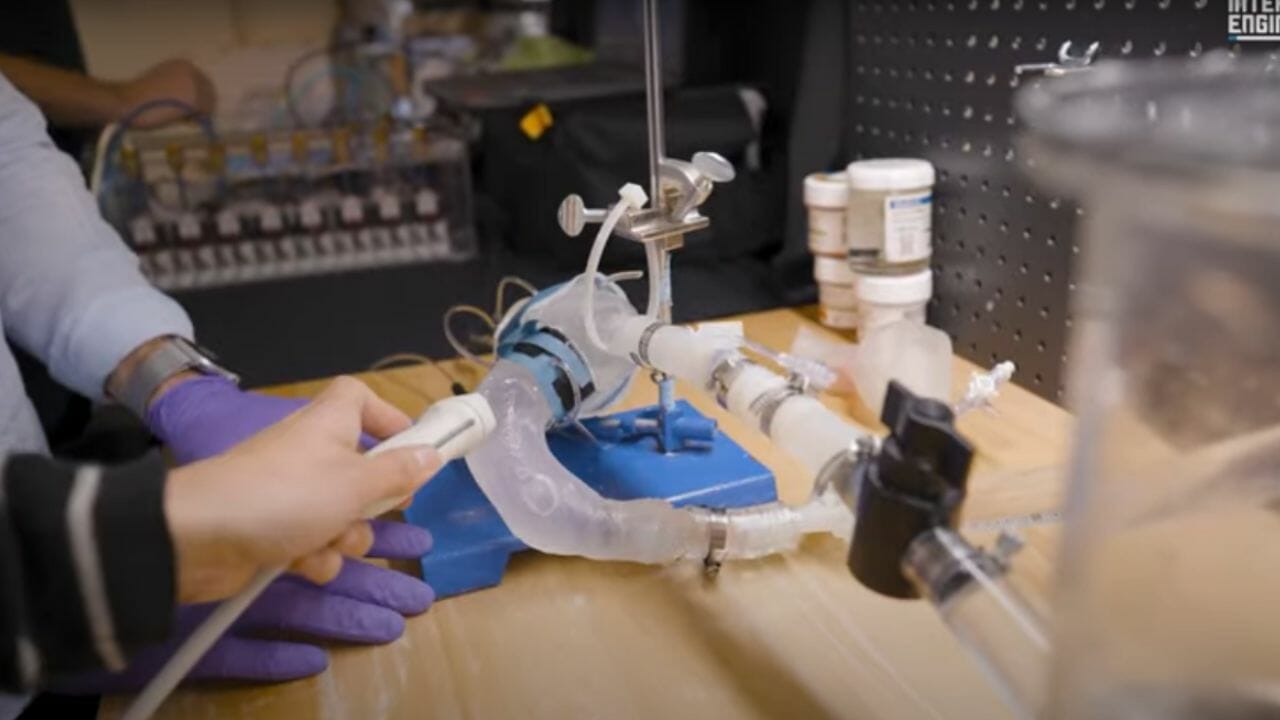
The MIT has developed a pioneering technique to print robotic hearts in 3D that resemble, both in appearance and function, the patient’s heart. It is a significant advancement in personalized medicine, offering doctors the opportunity to rehearse surgical procedures with a replica of the patient’s organ. This makes operations safer and more efficient.
Technology And Process Details
The starting point is a detailed set of medical images of an individual’s heart. These images are transformed into a 3D computer model. Then, a 3D printer uses a specialized polymer-based ink to produce a soft and flexible shell that replicates the exact shape of the patient’s heart.
-
At just 14 years old, a boy creates a system without energy, using steel pipes buried in the ground, that irrigates seedlings with moisture from the air, to combat the water scarcity threatening reforestation in northern China.

-
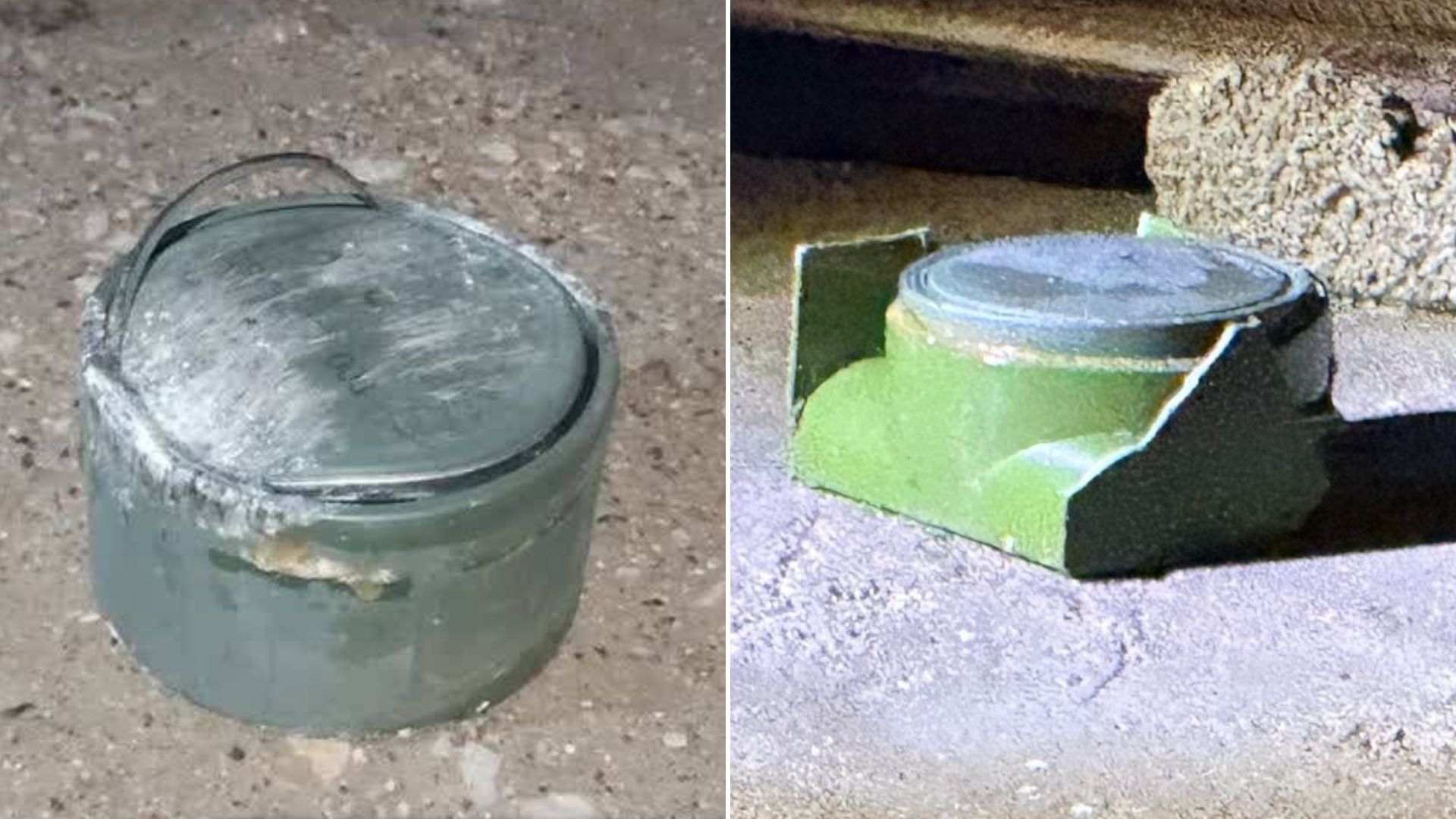
Anti-tank mines appear near a missile base in Iran, causing fatalities and raising suspicion of a new move to block underground launchers.
-
Contaminated water from uranium threatens mining areas, and Chinese scientists have created a solar-powered living filter that could change environmental decontamination.

-
Archaeologists find in Mexico a sacrifice altar over 1,000 years old, surrounded by skulls, human bones, and signs of rituals from the Toltec Empire.


But the innovation doesn’t stop there. To simulate the heart’s pumping action, the MIT team designed sleeves similar to blood pressure cuffs. When connected to a pneumatic system, these sleeves can be rhythmically inflated, causing the heart replica to contract, mimicking the pumping action of a real heart.
Applications And Future Challenges
One of the potential applications of these 3D printed hearts is in the treatment of aortic stenosis, a condition that affects 1.5 million people in the United States. Research is still in its early stages, and clinical implementation may take some time. The challenge now is to manufacture, assemble, and test the heart replica within a 24 to 36-hour timeframe to make it clinically viable.
Although there is still a long way to go, the pioneering innovation of MIT in 3D printing of hearts presents immense potential to transform how heart diseases are treated, paving the way for more effective and personalized interventions. It is undoubtedly a monumental advance in personalized medicine and addressing the global organ transplant shortage.









Seja o primeiro a reagir!