Portuguese
  Spanish


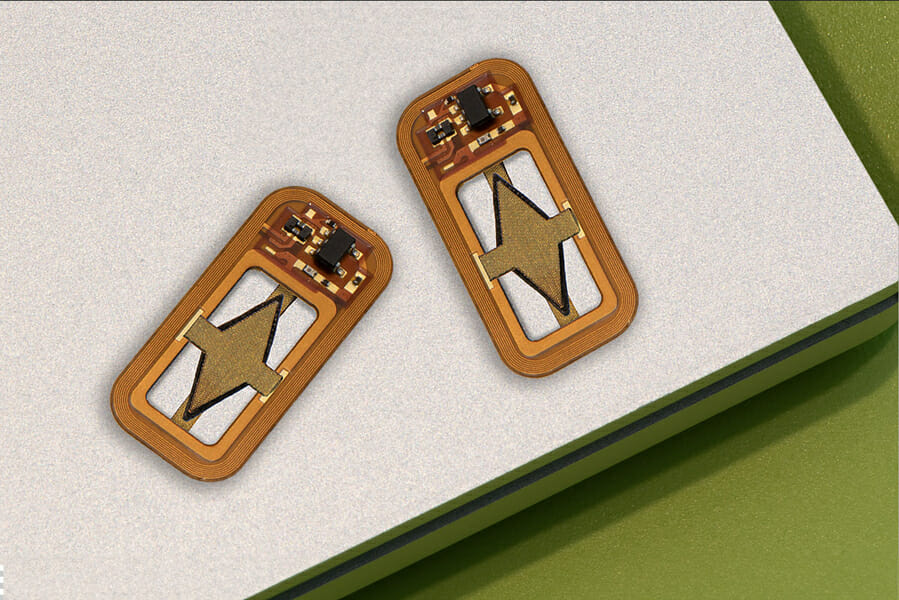

With this innovation, MIT not only offers a new approach to treating diabetes, but also opens up a range of possibilities for medicine. The team is now planning to adapt the device for testing on larger animals and, eventually, on humans.
The treatment of type 1 diabetes may be one step away from an unprecedented revolution, thanks to scientists at the Massachusetts Institute of Technology (MIT). Forget frequent insulin injections; we now have an implantable device that not only produces insulin but also generates its own oxygen.
The Limitations of Current Treatments
The current standard approach to treating type 1 diabetes is the implantation of isolated pancreatic cells that produce insulin. The problem is that these cells quickly run out of oxygen and stop functioning. Not to mention the immunosuppressive medications that patients need to take to prevent rejection of these implanted cells.
The Innovation by the MIT Engineering Team
The MIT team overcame this hurdle with a device that contains hundreds of thousands of insulin-producing cells and a “factory” for oxygen embedded. This oxygen factory works by splitting the water vapor found in the body, which could potentially provide an endless supply of oxygen for the implanted cells.
-
In Brazil’s backyard: Tesla, by Elon Musk, announces official operations in Uruguay, where electric vehicles already make up 20% of new cars but still leaves out the largest market in the region.

-
This Mars rover may finally reveal if life ever existed on Mars.
-
A nearly 70-year-old Chinese inventor has registered 90 patents and created a device that stores water in the roots, helping seedlings survive drought while trying to transform the arid slopes of the Loess Plateau into green areas without relying on heavy irrigation.

-
Researchers want to change the way of producing rare earth magnets, reducing purification steps and making better use of the elements found in Swedish deposits.



Daniel Anderson, one of the researchers involved, explains: “You can think of this as a living medical device made of human cells that secrete insulin, with an electronic life support system.”
Encouraging Results in Testing with Rodents
In tests with diabetic mice, the device managed to maintain stable blood glucose levels for at least a month. And the best part: without any attack from the immune system that could compromise the device’s efficacy.
Potential Beyond Diabetes
Although the main focus is on treating diabetes, MIT researchers believe this technology could also be adapted for other diseases that require repeated administration of therapeutic proteins.
About MIT and Research Partners
The Massachusetts Institute of Technology has always been at the forefront of innovation in various fields, and health is no exception. This project involved researchers from both MIT and Boston Children’s Hospital, and was funded by several organizations, demonstrating that collaboration is key to achieving significant advances in medicine.
Daniel Anderson, a member of the Koch Institute for Integrative Cancer Research and the Institute for Medical Engineering and Science (IMES) at MIT, led the study. The team also included renowned scientists such as Robert Langer, highlighting the power of a multidisciplinary approach in solving complex health problems.
If you like innovation and technology, I’m sure you’ll enjoy this post.