





 Portuguese
  English
  Spanish
  4 min of reading
  0 comments


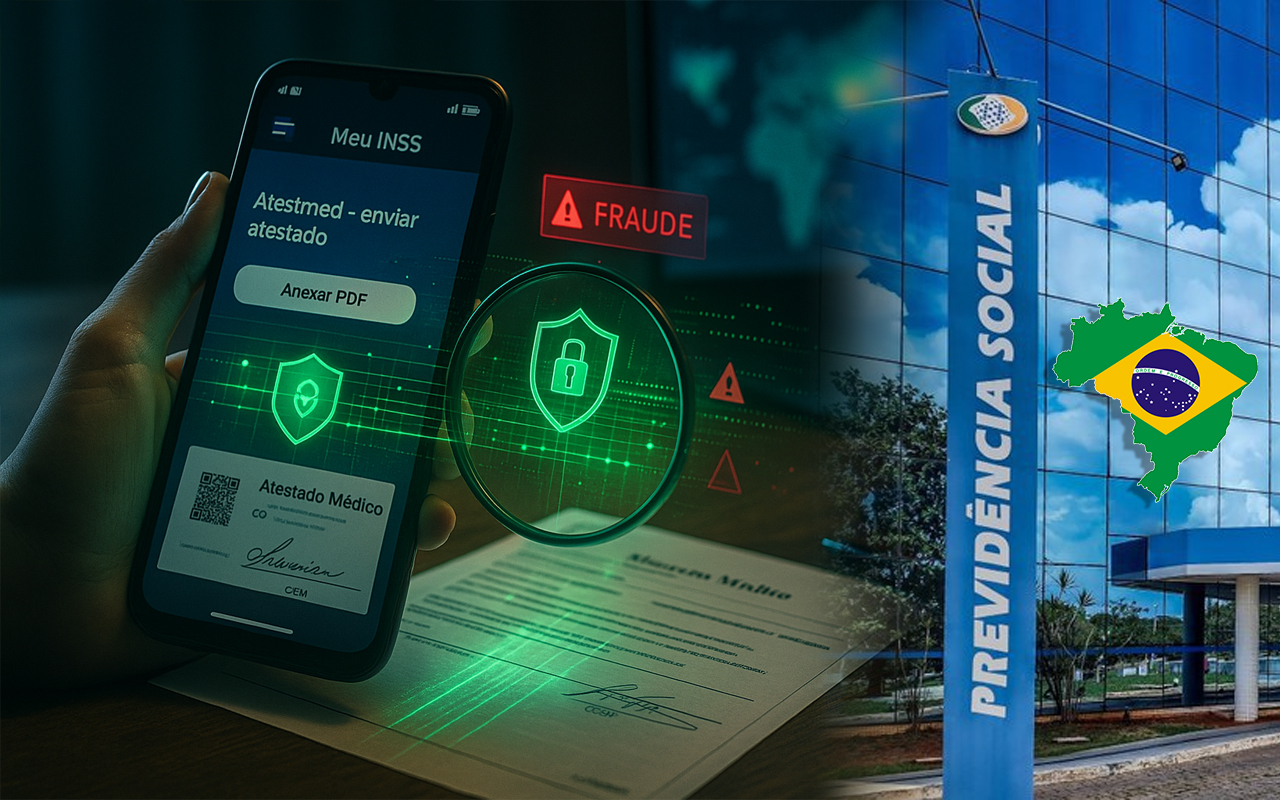
The INSS Started Using Artificial Intelligence to Check Medical Certificates from Atestmed on Meu INSS, Crossing CRM, Signature, and Other Signals to Detect Fraud Before Payment.
The INSS now uses a tool developed by Dataprev to perform an automatic scan of medical certificates submitted through Meu INSS in requests for temporary disability benefits. The goal is to identify patterns of fraud and prevent scams in the documentation stage of Atestmed, reducing errors and speeding up screening. According to an official statement, the AI crosses data from the doctor and the document before human analysis makes a decision on the case.
In practice, the system checks the doctor’s name and signature, CRM number, declared specialty, place of work, and even the IP of origin of the file. When something appears inconsistent, the case is flagged for review by an expert and may result in a request for an in-person examination. The aim is to provide more security to the model without a medical examination in initial absences.
Atestmed is the documentary analysis channel for benefits. If the documentation is appropriate, the request proceeds without a need to visit an agency. Otherwise, the insured is advised to schedule an in-person examination, meaning the benefit is not denied solely based on documentary analysis.
-
China alone accounts for 70% of trade within the BRICS, while Brazil establishes itself as an essential supplier of food and minerals: understand how the group, which already represents nearly 40% of the world’s GDP, is changing the game.

-
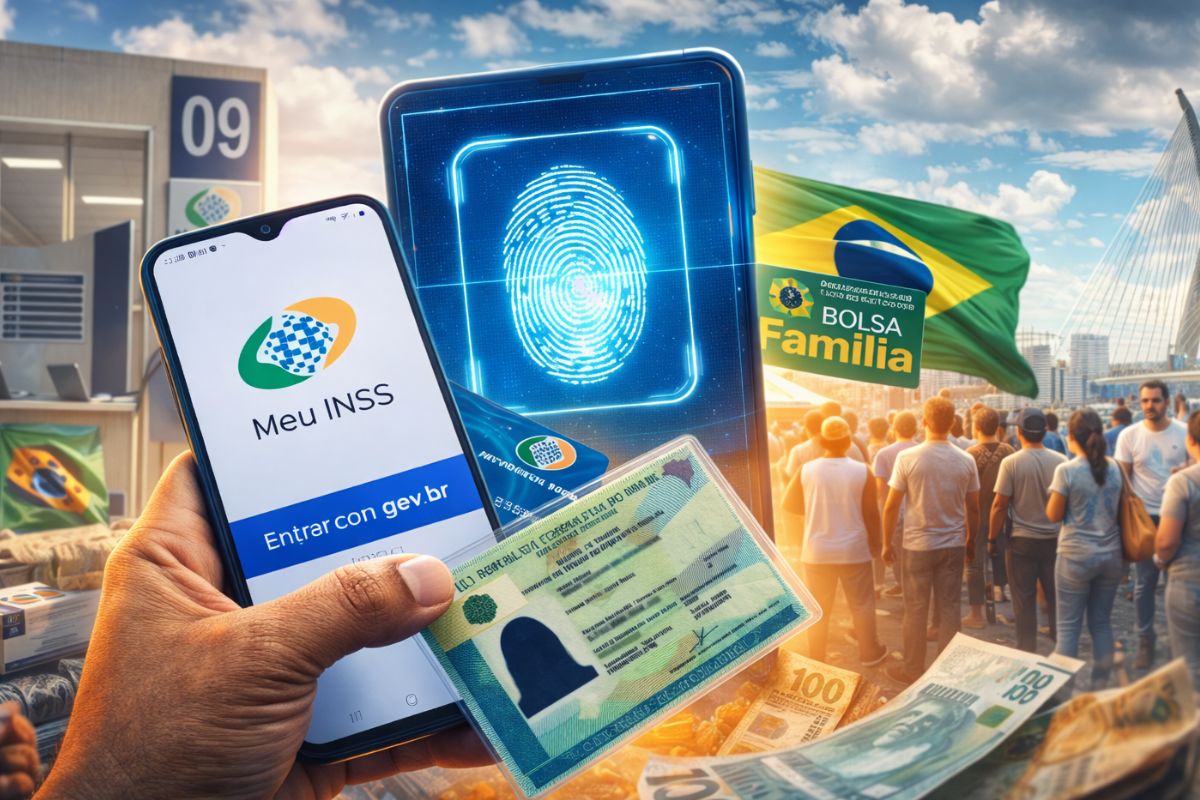
Starting in May, those who do not have registered biometrics will not be able to apply for Bolsa Família, sickness benefits, or unemployment insurance: understand the new rule that changes access to benefits for millions of Brazilians.
-
A new law being voted on in Brazil proposes a minimum fare of R$ 10 per trip and R$ 2.50 per kilometer for Uber and 99 drivers, and promises to ensure they earn as well as taxi drivers did during the golden age of taxis in the country.

-
Bauer Group collapses after failed judicial recovery: 25 years, 800 vehicles, and a network of gas stations leave a debt of R$ 50 million and 100 layoffs, exposing costs, tight margins, and expensive credit in Brazil.


How the AI of Meu INSS Works to Detect Fraud
The AI acts as a screening tool. It does not grant or deny benefits by itself. The algorithm identifies inconsistencies and sends alerts to the Federal Medical Examination, which decides the next steps. Among the signals checked are the authenticity of the CRM, the consistency between signature and stamp, and suspicious patterns of medical certificates issuance.
When suspicion arises, the process may be directed to in-person examination or payment may be blocked until new validation occurs. This prioritization frees up experts to handle complex cases while reducing decision time on regular requests.
For the correct insured, the expected effect is positive: less queue and more agility, without leaving room for fraud that drains public resources and harms those who truly need it.
Requirements for Digital Certificates That Pass Screening
To have a real chance of being granted by Atestmed, the document must meet objective requirements. Among them: it must have been issued within the last 90 days, be legible and without alterations, include the insured’s name, start date of rest, and estimated duration, as well as identification of the professional with registration in the council (CRM, CRO, or RMS) and electronic signature according to current regulations. These items are decisive in the analysis.
The submission is made via the Meu INSS website or app, attaching the medical certificate and any additional reports. If the documents do not allow for granting based on documentary analysis, the system guides to schedule an examination, maintaining the request date.
The INSS itself provides a step-by-step guide for attaching the medical certificate, with instructions on file size and sequence of screens in Meu INSS. Use these instructions to avoid rework and delays.
60-Day Rule in 2025: What’s Valid and Until When
In June 2025, the government issued MP 1.303/2025, adjusting the duration of benefits granted without examination. Following that, Joint Ordinance MPS/INSS No. 60, dated June 17, 2025, exceptionally expanded the limit of Atestmed to up to 60 days for 120 days of validity. After this period, barring changes in Congress, the previous rule established by the MP returns. Always consult the current regulation on the date of your request.
In summary, during the exceptional window, up to 60 days may be granted through documentary analysis. Beyond that, the insured must be referred for examination, preserving Atestmed’s focus on temporary absences and preventing abuse of the system.
This complements the structural guideline of Atestmed, which provides for sum of grants up to the permitted ceiling and, when necessary, transition to in-person examination.
False Medical Certificates Are Not “Risk-Free” and Lead to Labor and Criminal Penalties
Presenting a false medical certificate to the INSS can lead to termination for just cause due to an act of improbity, a view reiterated by Labor Justice in recent decisions. The risk is real and undermines the trust necessary in the employment relationship.
In the Penal Code, falsifying a medical certificate is classified under Article 302, with detention penalties. Using a false document also constitutes a specific crime, which may worsen the infringer’s situation. Fraud does not pay off and can result in police investigation.
With AI, validation from CFM, and electronic crossings, the chance of detection has increased. The safe path is to comply with the requirements and submit authentic documentation through Meu INSS.
And you, do you think that the INSS’s “fraud detector” with AI will accelerate grants and protect public money, or could it block legitimate requests and create insecurity for those who are not digitally savvy? Leave your opinion in the comments.









-

-

-

3 pessoas reagiram a isso.