





 Portuguese
  English
  Spanish
  8 min of reading
  0 comments


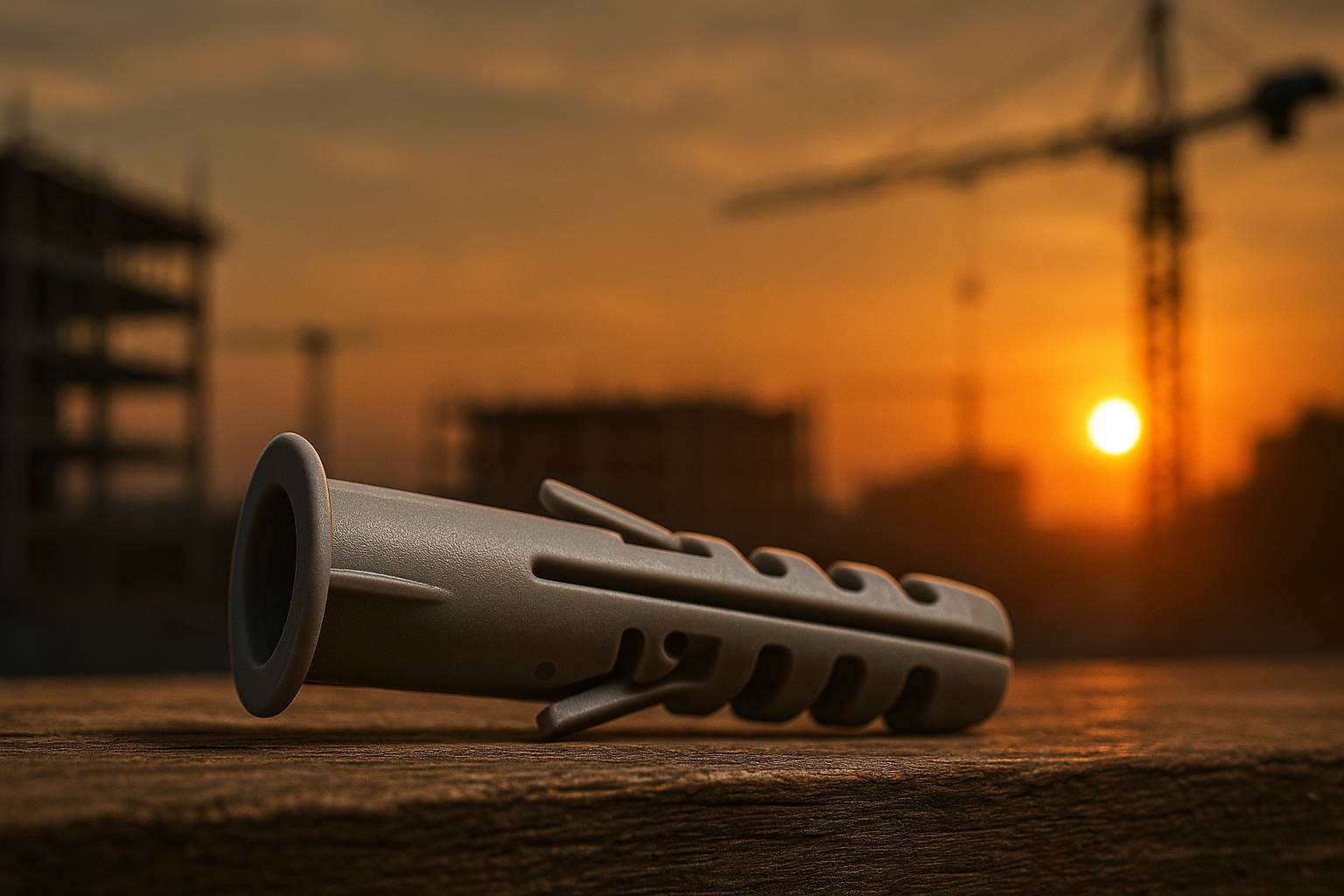
Small, Discreet, and Essential: Discover How the Anchoring Plug Revolutionized the Way to Hang Pictures, Shelves, and Saved Millions of Walls
You know that situation where you’re excited to hang your new picture on the wall, grab the hammer, the nail… and BAM! The nail goes through the wall and disappears into the hole. Frustrating, right? Well, my friend, if it weren’t for the anchoring plug, our existence would undoubtedly be marked by a series of constant inconveniences, such as detached pictures, collapsing shelves, and a considerable increase in stress.
This tiny piece of plastic (or metal) is one of the most brilliant inventions out there. It’s so discreet that we hardly pay attention to it, but imagine the chaos if it didn’t exist! The anchoring plug is like that friend who is always there when you need them, but you only remember them when they’re missing. And what a difference that would make!
-
Rio Pardo, the most mysterious city in Rio Grande do Sul: untouched Pampas castle, the missing treasure of the Devil Boy, bride’s saint, invisible tunnels, and a 200-year curse today.

-
China retires the J-7 fighter after years of military protection and can now transform military items into drones, following more than 60 years of operation of the J-7, derived from the MiG-21, with thousands of units produced and strategic use in the PLAAF and PLANAF.

-
Volunteers are sought to live in the mountains for a month: a study pays people to stay at 2,500 meters, with 24-hour monitoring of sleep, metabolism, and blood pressure.

-
Goodbye to kitchen cabinets: innovation retires the traditional furniture of Brazilian kitchens by introducing modern pantries with modules of up to 2.40 m, 40% more organization, ergonomic access, adjustable shelves, and smart lighting in 2026.


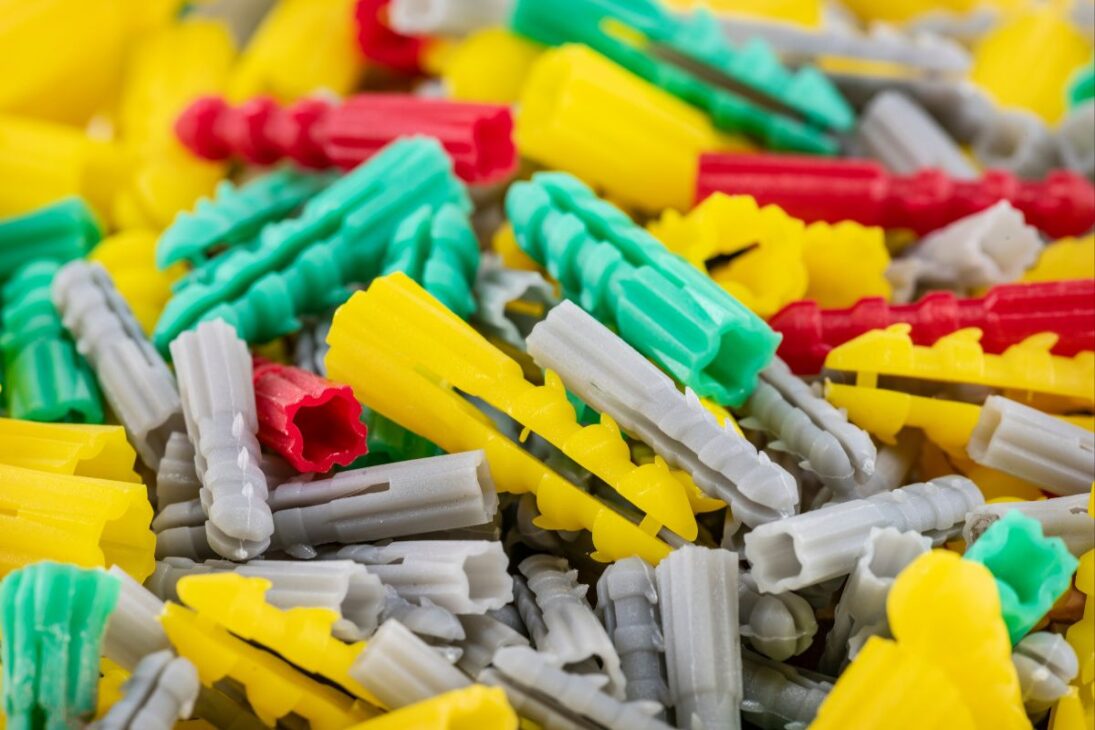
The Silent Revolution of the Anchoring Plug in Modern Fixations
In the 1950s, people struggled to hang things on drywall. It was a nightmare! There was no easy way; it was always that desperate search for the wooden beam (which was never where you wanted it), or those huge nails that caused more damage to the wall than good.
Then someone very clever had the brilliant idea to create a piece that would “embrace” the wall from the inside. Simple, but genius! The anchoring plug works like this: you make a little hole, put it inside, and when you tighten the screw, it opens like an umbrella on the back of the wall. The result? Indeed, a robust and unshakable fixation, capable of withstanding the severest adversities.
This invention arrived at the perfect moment when construction was changing. The popularity of drywall and plasterboard was on the rise, but widespread fear persisted due to uncertainties regarding the ability to fasten objects to these surfaces. With the plug, that problem vanished.
How the Anchoring Plug Transformed Civil Engineering
It is not an exaggeration to say that the anchoring plug revolutionized civil engineering. Just like those discoveries in oil that seem trivial but change the game completely. Suddenly, everyone could use lighter walls, faster to build, without worrying about “where will I hang things later.”
Have you noticed how modern offices are filled with these movable partitions? That’s only possible because we have reliable fastening systems. Imagine if every time someone wanted to change the layout, they had to break walls and do renovations? It would, indeed, be a chaotic situation.
Custom furniture also caused a revolution. Those beautiful shelves that go from floor to ceiling, TV panels, hanging cabinets… All of that became possible and affordable because you no longer need an engineer to hang a shelf. Just select the appropriate anchoring plug to ensure application success.
Someone once told me something I’ve never forgotten: “Sometimes the simplest solutions are the ones that have the most impact.” And it’s true! Who would have thought that a small piece of plastic would change our lives so much?
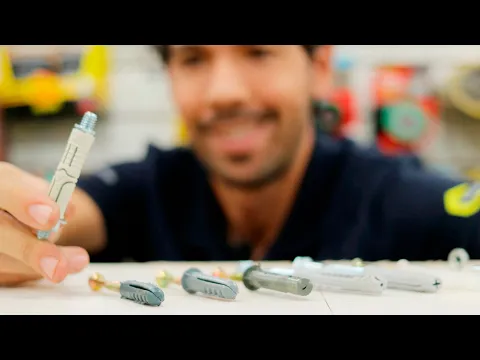

Types of Anchoring Plugs and Their Specific Applications
Not all anchoring plugs are created equal. It’s like shoes – you have to choose the right one for each occasion; otherwise, you’ll have problems. And look, it doesn’t have to be a headache; it’s simpler than it seems.
Nylon plugs are widely preferred. They are cheap, easy to use, and get the job done for most things at home. Pictures, light shelves, towel hooks… these are the champions. They work very well in drywall, and the best part: anyone can use them. Just make the hole, insert the plug, tighten the screw, and you’re done.
Metal plugs are for when things get serious. If you need to hang a large TV and secure heavy equipment, then they are the ones to go for. They are more expensive, but they hold weight very well.
There are also chemical plugs, which stand out as the high-performance option in the world of fasteners. They use a special glue that hardens and practically becomes part of the wall. They are for very specific situations, but when you need them, there’s nothing like them. It’s like those ultra-modern equipment on oil platforms – you don’t use them every day, but when you need them, they make all the difference.
The Economic Impact of the Anchoring Plug: An Apparently Simple Invention
This anchoring plug industry generates a huge amount of money worldwide. We’re talking billions of dollars annually. Amazing, right? And it’s just a little piece of plastic.
But when you stop to think about it, it makes perfect sense. How many houses are built every day around the world? How many pieces of furniture are assembled? How many things are hung on walls? There’s so much that it’s hard to imagine. And each of these situations demands the application of our plug.
That Swedish furniture store IKEA itself, part of their success comes precisely from the fact that anyone can assemble complex furniture using just plugs and screws. Imagine if that didn’t exist? We probably wouldn’t have those modular furniture pieces that everyone loves today.
And it’s not just about selling the piece. Jobs have been created: manufacturers, distributors, installers, people developing new types… It’s a huge chain that started with a simple idea.

What’s Coming Next – The Future Is Promising
The smart anchoring plug is already a reality. There is a plug that alerts you on your phone if it is losing strength or has any issues. This is especially useful in industries where a loose piece of equipment can cause a serious problem.
They are developing plugs that “fix themselves” when they suffer minor damages. It is inspired by nature – just like when you get cut and your body regenerates. Of course, it’s not that fast, but the idea is brilliant.
Another innovation is about custom plugs made with 3D printing. For example: if you have a very specific need, you design it on the computer, and there you go – your personalized plug is ready in a matter of hours. This opens a world of possibilities that were once unthinkable.
And there’s also the sustainable side, which is becoming increasingly important. There are already plugs made from recycled materials, and some that even degrade after decades of use, leaving no waste behind. The industry is adapting to today’s environmental concerns.
Real Cases of Success and Failure
The anchoring plug may seem simple, but it has its secrets. In a construction project, some people saved money on plugs and used some really cheap ones to secure heavy equipment. The result? One Friday night, everything collapsed. It was a huge loss, and worse: it could have injured someone.
There have been cases that turned out very well, such as a friend of mine who participated in a project where they needed to install monitoring equipment on an offshore platform. With the right chemical plugs, they managed to complete everything without compromising the original structure. The project was finished 40% faster than expected, and everyone was happy.
Practical Tips for Selection and Installation
Always buy quality plugs. Bad plugs will give you headaches later. It’s better to spend a little more and sleep peacefully, knowing your items are well secured.
Distribute the weight. Instead of using one giant plug, use several smaller ones. It’s cheaper, safer, and if one fails (which is rare), the others will hold the load.
And one thing that many people get wrong: the size of the hole. Each type of anchoring plug has its ideal hole size. Too big, and it wobbles; too small, and you force it too much and might break the wall. Always check the package before grabbing the drill.
A bonus tip that few know: when tightening the screw, go slowly. The plug needs to open properly behind the wall. If you apply too much force, you might end up “eating” the plug, and then it loses its function.
And to wrap it up perfectly: if you’re unsure about the type of wall, do a small test first. Better to make a mistake in a discreet corner than to find out you chose wrong when your expensive picture is on the floor.
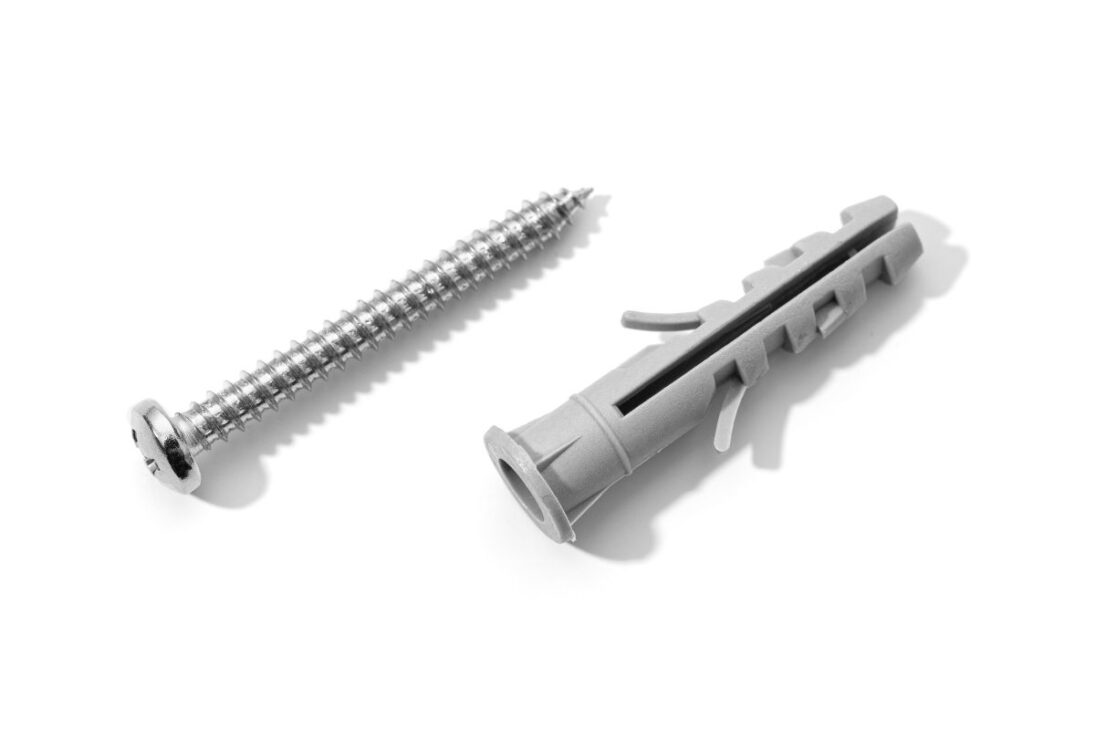
The Small Piece that Builds Great Stories
The Anchoring Plug is a simple invention, but it has completely changed the way we live and construct our spaces.
The greatest revolutions come wrapped in the simplest little packages. Who would have thought that a small piece of plastic would enable all this flexibility we have today to decorate and organize our homes?
And you, have you ever been in a situation involving anchoring plugs? Share your experiences in the comments! What was your funniest or most challenging experience? Let’s exchange ideas, and maybe your tips will help other readers facing the same challenge!
If you’re planning a project at home and are unsure about which plug to use, ask below! We love to help, and I’m sure other readers can also offer valuable tips based on their experiences.
Questions Everyone Asks
There is no “better” in general; there is a more suitable one for each situation. For everyday items at home (pictures, light shelves), plastic is perfect and cheaper. Now, if you’re going to hang that 50-inch TV or heavy equipment, then it’s worth investing in a metal one.
It’s simple: look at the screw you’ll use and buy the compatible plug. The package always has this information. And one tip: take the screw with you to the store – that way, there’s no mistake.
That’s the thing; normally you can’t. When you take it out of the wall, it usually gets damaged in the process. It’s better to use a new one – especially because they are cheap, and safety is priceless, right?
This varies a lot. A common household plug can hold about 10 to 20 kilograms easily. But always check the packaging, as each manufacturer has its specifications.
If it’s plastic, sometimes you can push it into the wall (if it’s hollow) or pull it out with pliers. If it’s metal, it might be more work, but nothing that can’t be resolved.
For damp places, it’s better to use plugs that do not rust. Plastic ones are a good option, or metal ones with rust protection. It’s not worth the risk.







-

Uma pessoa reagiu a isso.