





 Portuguese
  English
  Spanish
  3 min of reading


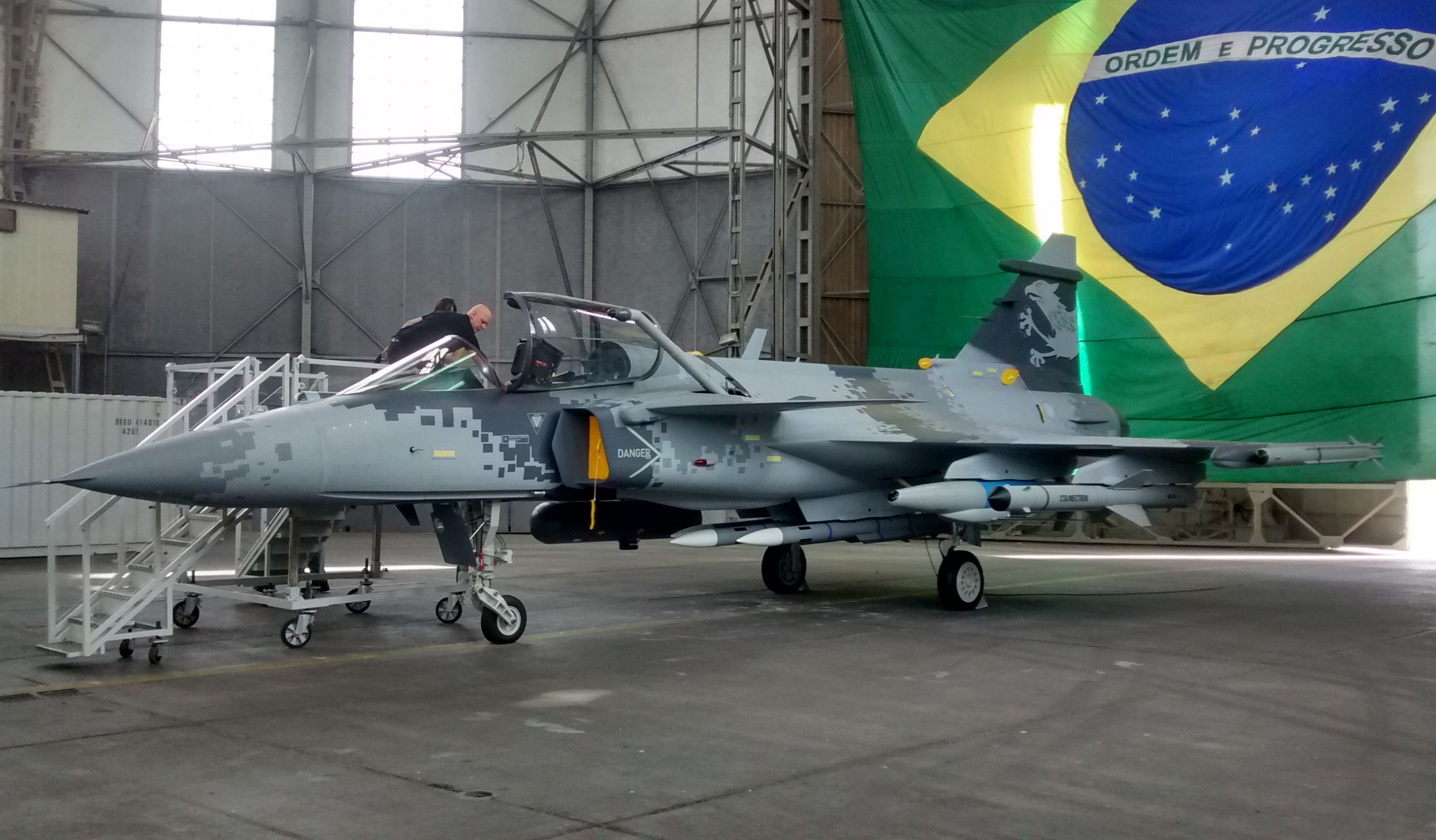
Three New Calls for Projects in the National Aerospace Industry Total R$ 550 Million in Investments in the Coming Years. The Federal Government Aims to Bring More Technology and Expand This Market by Attracting New Companies and Businesses to the Country.
After nearly eight years without receiving the attention of the national administration, the Brazilian aerospace industry will once again receive financial contributions from the Federal Government. This is because three calls for projects are scheduled for this Thursday, (10/13), for the coming years in the national market. The technology and innovation projects total R$ 550 million in investments and will place Brazil back on the international business map in the aerospace sector, according to experts in the field.
Three Calls for Technology and Innovation Projects Are Expected to Attract Investments to the Brazilian Aerospace Industry in the Coming Years
The Federal Government is once again focusing on the growth of the Brazilian aerospace industry and will make significant investments in the expansion of the sector in the national market in the coming years.
To that end, three new calls for technology and innovation projects were launched in the second half of 2022, totaling over R$ 550 million in investments for the sector in the coming years.
-
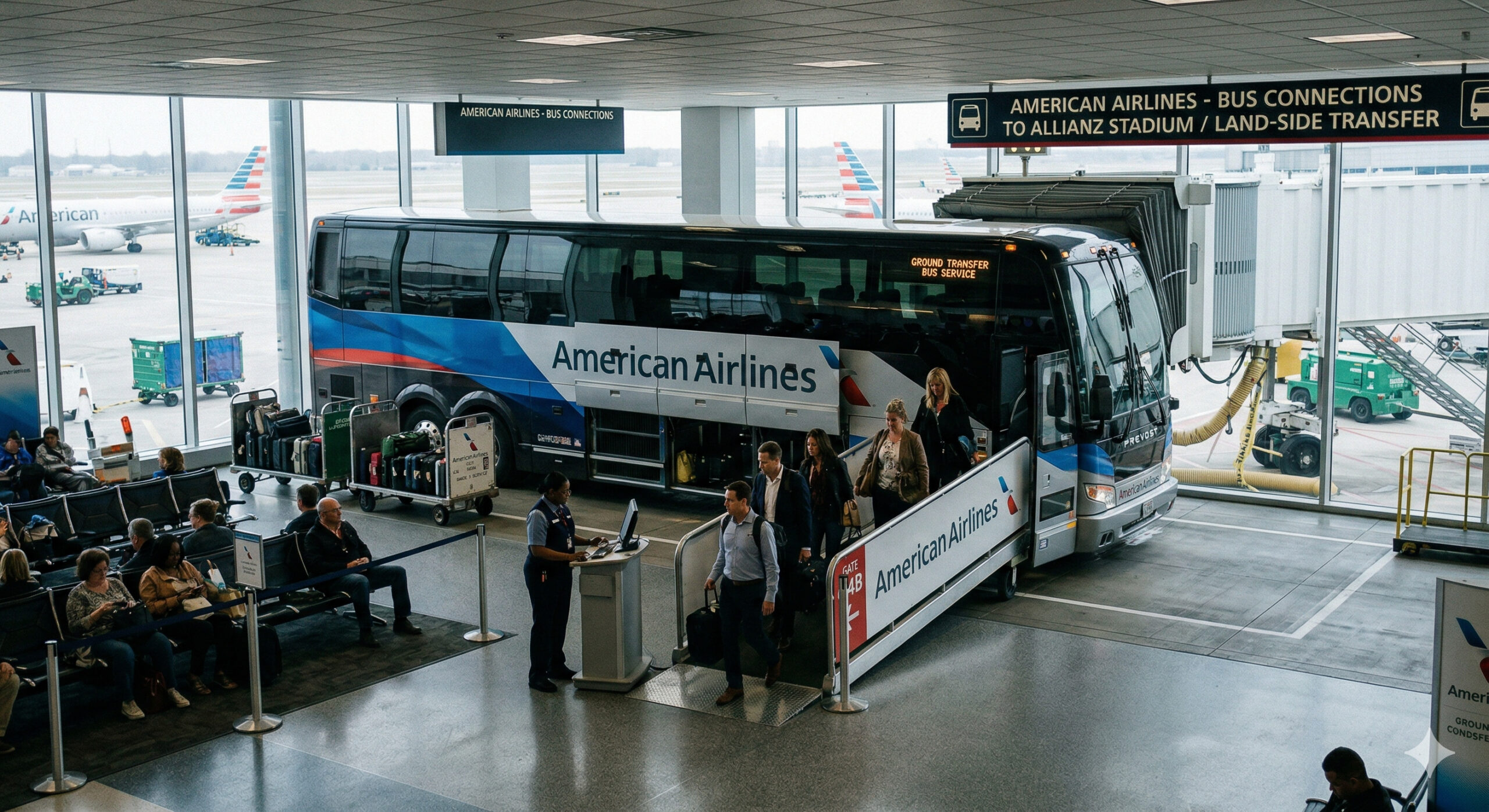
American Airlines starts selling trips as if they were flights, with check-in and baggage check at the airport, but on short routes, passengers board luxury buses connecting cities to major hubs in the U.S.
-
São Paulo surprises the world with a colossal railway network project that promises over 1,000 km of tracks, R$ 194 billion in investments, and 40 projects connecting the capital to the interior with fast and sustainable trains.

-
The world’s largest escalator, measuring 905 meters in China, reduces urban travel time from 1 hour to about 20 minutes and transforms mobility in mountainous regions with an engineering solution adapted to the terrain.

-
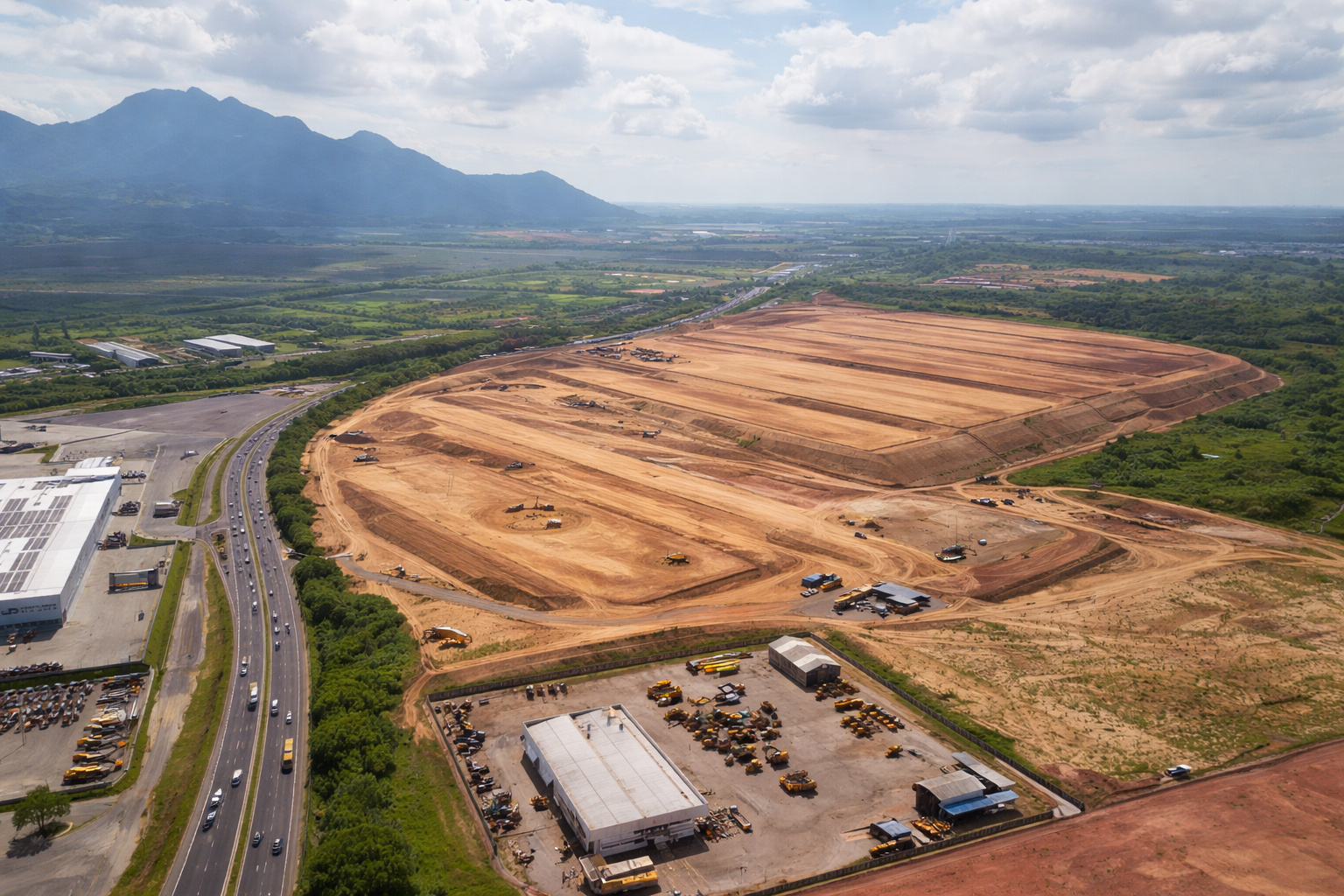
A R$ 300 million logistics giant is taking shape in Serra with over 100,000 m² and raises a question: how can this transform e-commerce and distribution in the state?

They are: Small Launch Vehicle for launching nano and/or microsatellites, valued at R$ 190 million; Demonstrator Platforms for New Aeronautical Technologies (PDNT), estimated at R$ 140 million; and Small Earth Observation Satellite of high resolution, valued at R$ 220 million.
This is an important step by the Federal Government to regain the attention of the global market on the Brazilian aerospace industry over the coming years.
The president of the Brazilian Aerospace Industries Association (AIAB), Julio Shidara, emphasized that these investments will bring even better growth prospects over the coming years.
“We are experiencing a watershed moment in the technological sector, not just in the aerospace sector. With the launch of the calls, I hope that Brazil will finally start to follow the recipe adopted by all countries with developed space programs, which are considered state programs, with a commitment to long-term resource allocation,” the executive stated.
“I am convinced that, in less than a decade, the Brazilian space industry will achieve prominence on the global stage, as is the case with the respected national aeronautics industry,” the president of AIAB concluded.
Federal Government Received Proposal from SENAI to Expand Growth of the Brazilian Aerospace Industry in the International Market with Focus on Technology
In addition to the technology projects that will be developed in the multi-million investment calls launched by the Federal Government, SENAI also presented a proposal for the growth of the sector.
This is a strategy presented in August of this year, which aims to develop the aerospace industry by creating four competitiveness hubs in Brazil and one international center in the United States.
This would be a way not only to attract more attention to the sector but also to position the country as a significant competitor in the global market.
The Ministry of Science, Technology and Innovation (MCTI) assessed that this proposal could not only expand technology in the sector but also generate thousands of jobs across the national territory.
The development of an industrial network for the aerospace industry, as proposed by SENAI, could also bring greater logistical agility and quality infrastructure for the national market of the sector.
Thus, the president of the Brazilian Space Agency, Carlos Moura, highlighted that this is a practically necessary path for the country to take advantage of new niches and new opportunities that have emerged, such as vertical takeoff aircraft and unmanned vehicles.









Seja o primeiro a reagir!