





 Português
  Inglês
  Espanhol
  3 min de leitura
  0 comentários


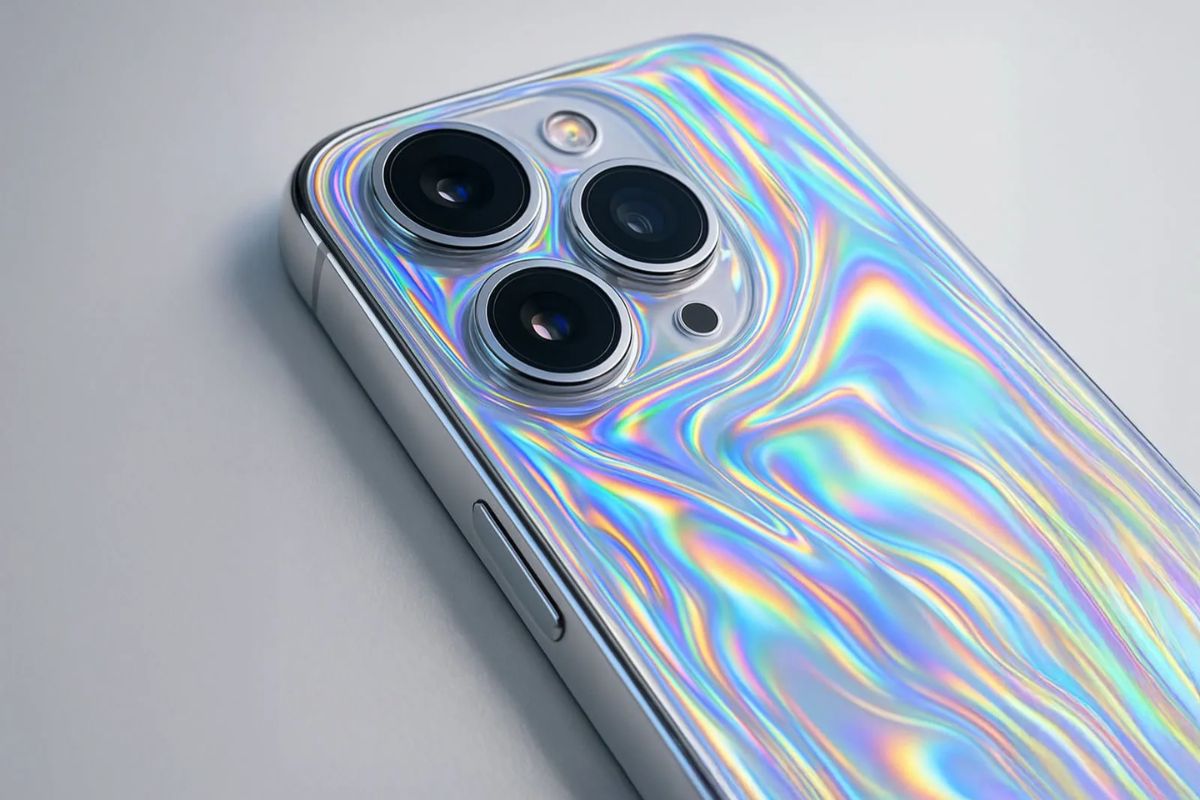
A New Leak Suggests That the iPhone 17 Pro Will Have a Color Inspired by the “Liquid Glass” Aesthetic of iOS 26, With a Finish That Changes Hue Depending on the Lighting.
Each year, colors become one of the biggest differentiators of Apple’s new releases, and the iPhone 17 is no exception. A new leak coming from China, from a source with a history of accuracy, indicates that the Pro and Pro Max models of the next generation may debut a completely new finish, dubbed “Liquid Glass.”
The idea is not to have a literally transparent phone, but rather a device with a color that reacts to ambient light. This new design perfectly aligns with the new visual language that Apple introduced in iOS 26, creating an unprecedented unification between hardware and software. If confirmed, it could be one of the most significant aesthetic changes of the iPhone 17.
What Is the “Liquid Glass” Design?
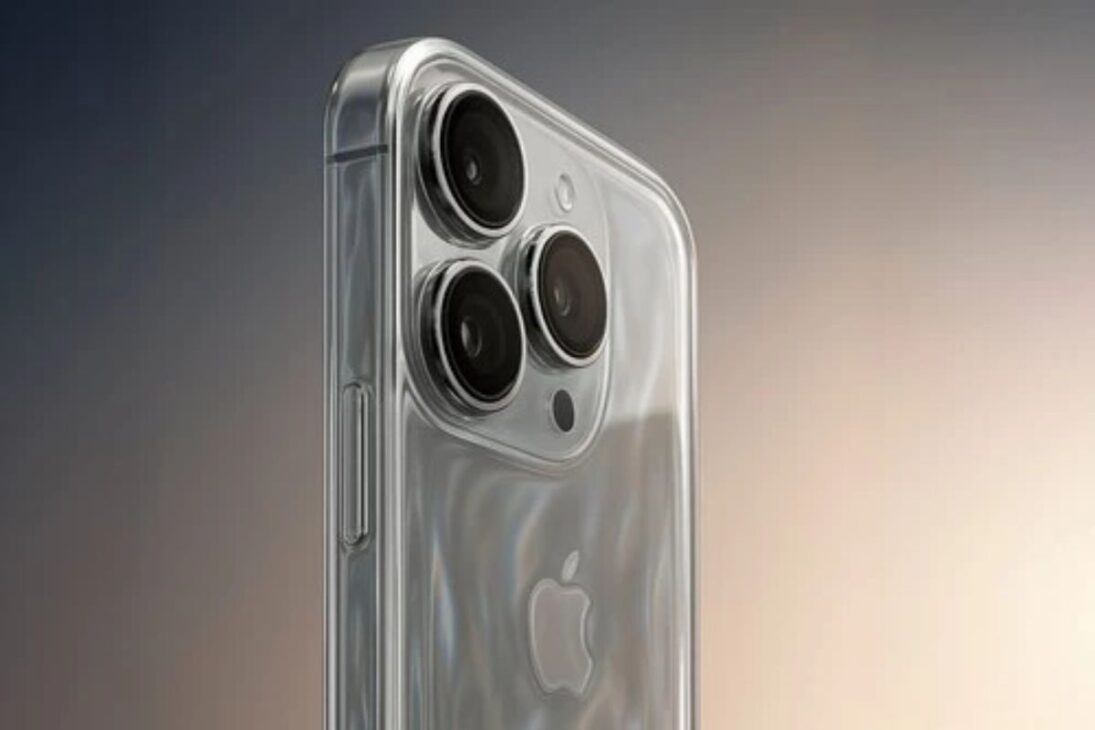
Forget the matte or glossy colors we already know. The concept of “Liquid Glass” describes a finish that, at first glance, may appear white or a light titanium shade, but reveals different reflections and hues as light hits it. The inspiration comes directly from the iOS 26 interface, which uses translucent and reflective elements to create a sense of depth.
-
At over 8,800 meters above sea level, the summit of Mount Everest is made up of rocks that originated at the bottom of an ocean about 500 million years ago and were pushed to the highest point on Earth by the collision of tectonic plates.

-
Japan targets a remote island in the Pacific measuring only 1.51 square kilometers, located 1,900 kilometers from Tokyo, to store nuclear waste for up to 100,000 years, raising alarms at sea.

-
A 1,900-year-old papyrus found in the Judean Desert reveals a crime of the Roman Empire involving fraud, forgery, and a detailed court hearing.

-
New technology transforms the human body into a “machine”: centaur robot reduces effort when carrying up to 20 kg, improves balance during walking and impresses in practical tests in China.


This rumor gains traction by connecting with previous leaks that mentioned a “transparent” color. The explanation, however, is simpler: it’s not about seeing the internal components, but rather having a specially treated glass surface that is “mutable.”
Unifying the Hardware and Software Experience
The bet on a design that mirrors the appearance of the operating system is a strategic move by Apple. The company has always sought to create a cohesive experience across its products, and having an iPhone 17 that subtly changes color, just like the elements on its screen, would be the next step in this integration.
This visual synergy between the physical device and its digital interface would reinforce the brand identity and provide users with a more immersive and unified experience, where the hardware design perfectly complements the software design.
How Would This Technology Work?
It is believed that the “Liquid Glass” effect is achieved through a new glass and titanium treatment process used in the construction of the device. Instead of applying a solid color layer, Apple may be using multiple microtextured layers that refract light in different ways.
The result would be a finish that does not have a fixed color, but rather a primary hue that comes to life with colored reflections depending on the angle of view and ambient lighting, making each device visually unique in different situations.
What to Expect from the iPhone 17?
If the leaks prove to be true, the “Liquid Glass” finish will be exclusive to the iPhone 17 Pro and iPhone 17 Pro Max models. This would be a way to further differentiate the premium versions of the line.
Although we are still over a year away from the launch, this possibility shows that Apple continues to focus on innovating not only in performance and cameras but also in creating a design that is both sophisticated and interactive.
What do you think of this new “Liquid Glass” design? Do you believe that Apple will hit the mark with this mutable color for the iPhone 17? Share your opinion in the comments!





-

-

3 pessoas reagiram a isso.