






 Portuguese
  Spanish


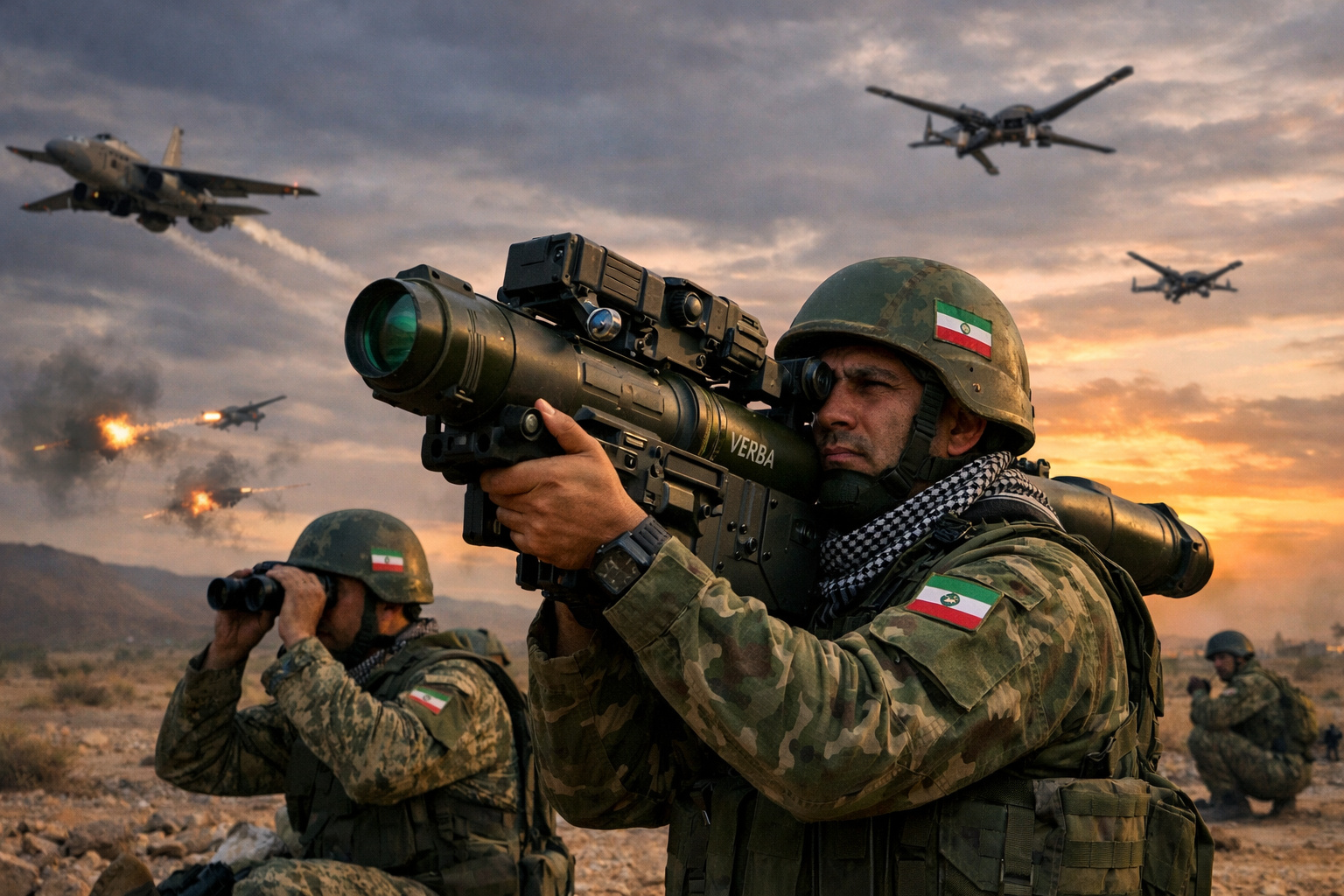
Secret Negotiation Anticipates Staggered Delivery of MANPADS Systems Over Three Years and Reinforces Military Cooperation Between Tehran and Moscow Amid Escalating Tensions with the West
Iran is believed to have signed a secret military agreement valued at around €500 million, equivalent to US$ 589 million, with Russia for the acquisition of state-of-the-art portable air defense systems. The negotiation was revealed in a report by the Financial Times, based on sources familiar with the process and documents associated with the contract.
According to the disclosed content, the understanding was concluded in December, involving the Russian state agency Rosoboronexport, a representative of the Russian Ministry of Defense, and the logistics agency of the Iranian Armed Forces. Although neither party has officially confirmed the agreement, the details presented indicate one of the largest recent transfers of MANPADS systems to Tehran.
Provision of 500 Launchers and 2,500 Missiles Over Three Years
According to the documents cited in the report, the contract provides for the supply of 500 portable Verba launchers and 2,500 9M336 missiles, with deliveries scheduled to occur in three distinct phases, between 2027 and 2029. This staggered structure suggests a medium-term planning approach for the restoration of Iran’s defensive capabilities.
-
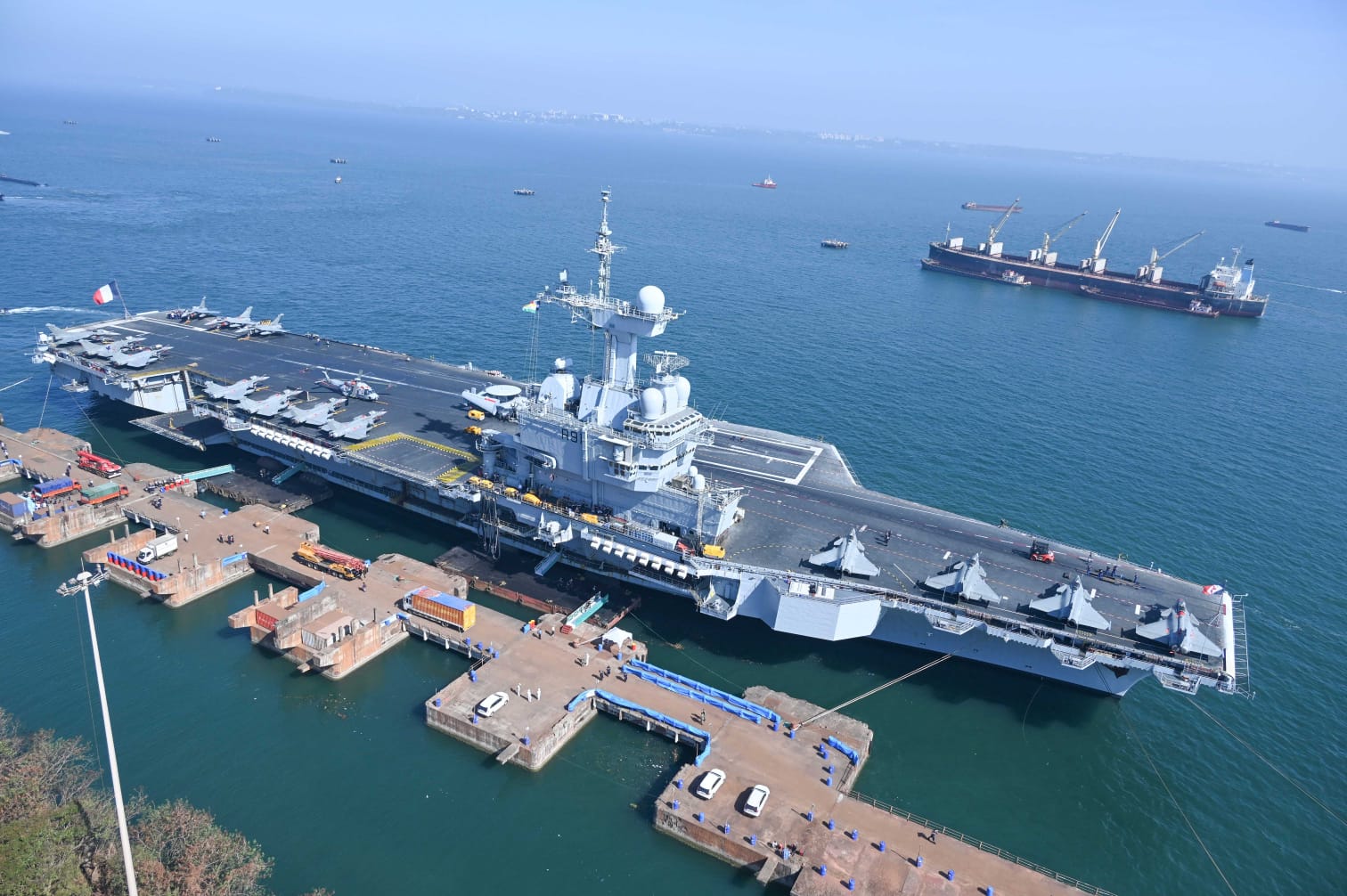
France’s Charles de Gaulle: The Sole Nuclear-Powered Aircraft Carrier Outside the US, Weighing 42,500 Tons and Equipped with Two Atomic Reactors

-
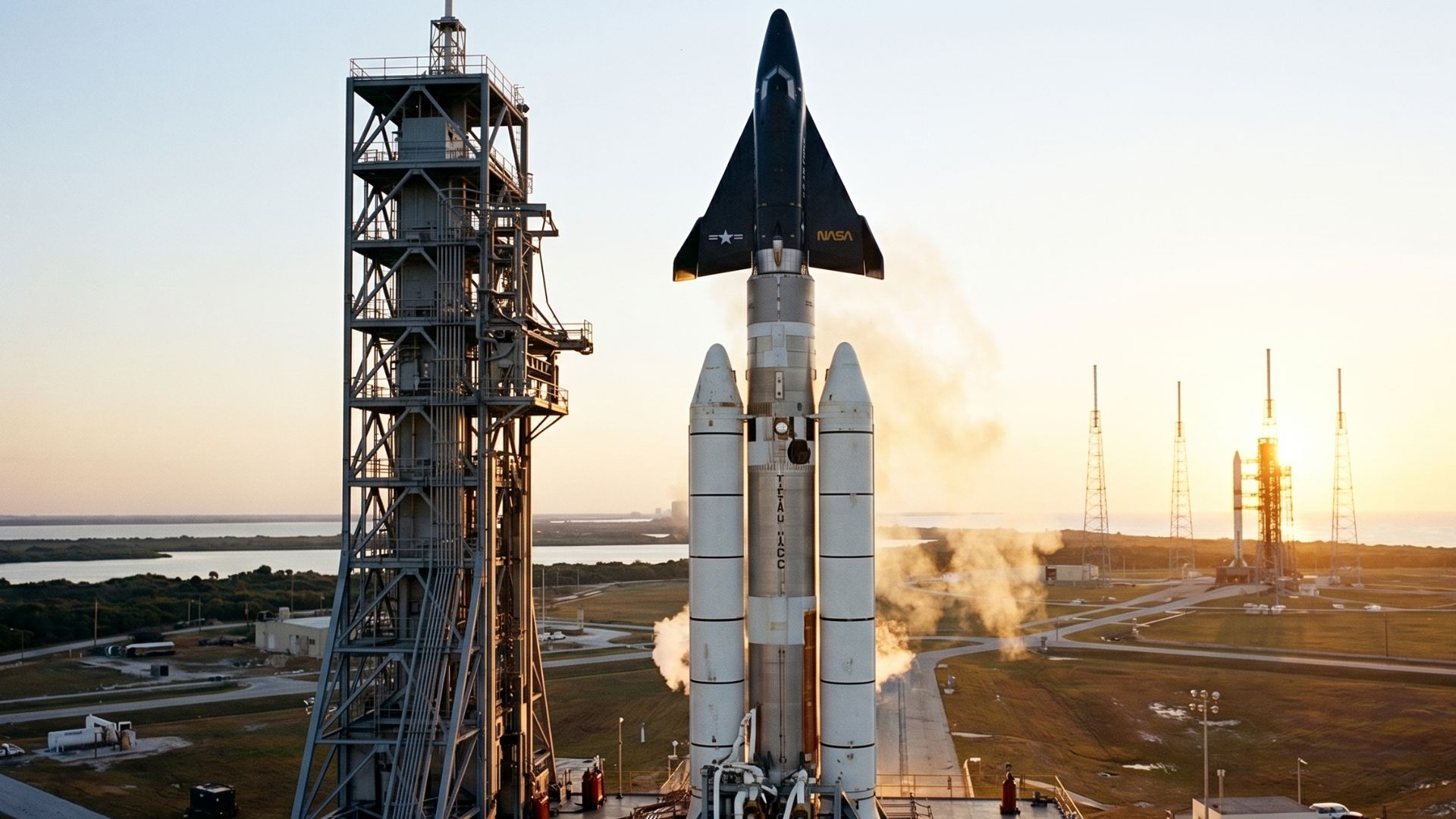
The military spaceplane that almost took the Cold War into orbit: Boeing X-20 Dyna-Soar was designed to re-enter above Mach 20, fly for up to 40 hours, land like a plane, and transform Titan rockets into a gateway to a new era of orbital warfare.

-
FAB bets on national drones and increases investments to strengthen the Brazilian aerospace industry

-
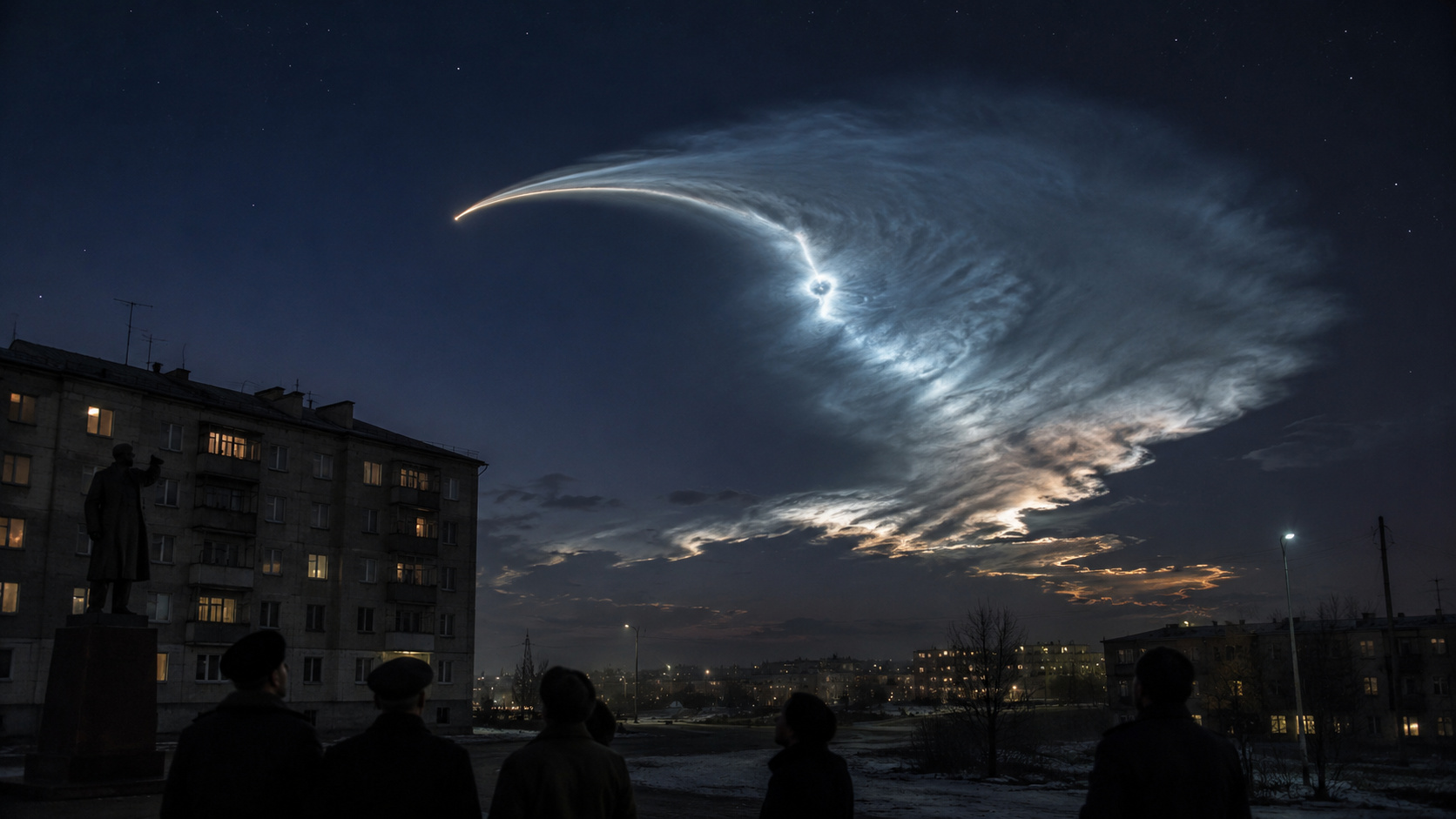
Six times, a luminous crescent the size of the Moon startled the Soviet sky at dusk: it seemed like a wave of UFOs, but it was a secret orbital weapon created to attack the United States via the South Pole and evade Cold War radars.


Moreover, sources interviewed by the newspaper state that the early transfer of a limited number of systems cannot be ruled out, even before the official schedule. However, to date, there has been no public confirmation from Moscow or Tehran regarding deliveries that have already taken place.
The Verba system is considered one of Russia’s most modern MANPADS, utilizing advanced infrared guidance. It is capable of engaging low-altitude aircraft, including helicopters, tactical planes, cruise missiles, and drones, making it especially relevant in asymmetric warfare scenarios and point defense.
Layered Air Defense and Regional Strategic Impact
Analysts cited by the Financial Times assess that the acquisition is part of a broader effort by Iran to reconstruct and diversify its air defense, following damage suffered in recent encounters. In this context, MANPADS provide a significant advantage as mobile systems, operated by small teams, which reduces reliance on fixed radars, considered priority targets in precision attacks.
Additionally, the dispersal capability of these systems allows for the creation of decentralized defensive layers, increasing the risk for low-altitude air operations. This includes not only manned aircraft but also the growing use of armed and reconnaissance drones, increasingly present in modern conflicts.
Despite these tactical advantages, experts emphasize that Verba missiles are unlikely to significantly alter the regional military balance. Nevertheless, the increase in portable air defense density could significantly raise operational costs for adversary forces, especially in close air support missions.
The agreement also highlights the deepening military cooperation between Russia and Iran, two countries that have expanded their collaboration in the defense sector in recent years. This partnership includes transfers of drones, military technologies, and other weapon systems, in a context of growing tensions with the West.
Contacted by the press, the Kremlin, Rosoboronexport, and officials from Iran did not officially comment on the details of the agreement, maintaining secrecy regarding the negotiation.
Information from: Forças Terrestres




-

1 person reacted to this.