






 Portuguese


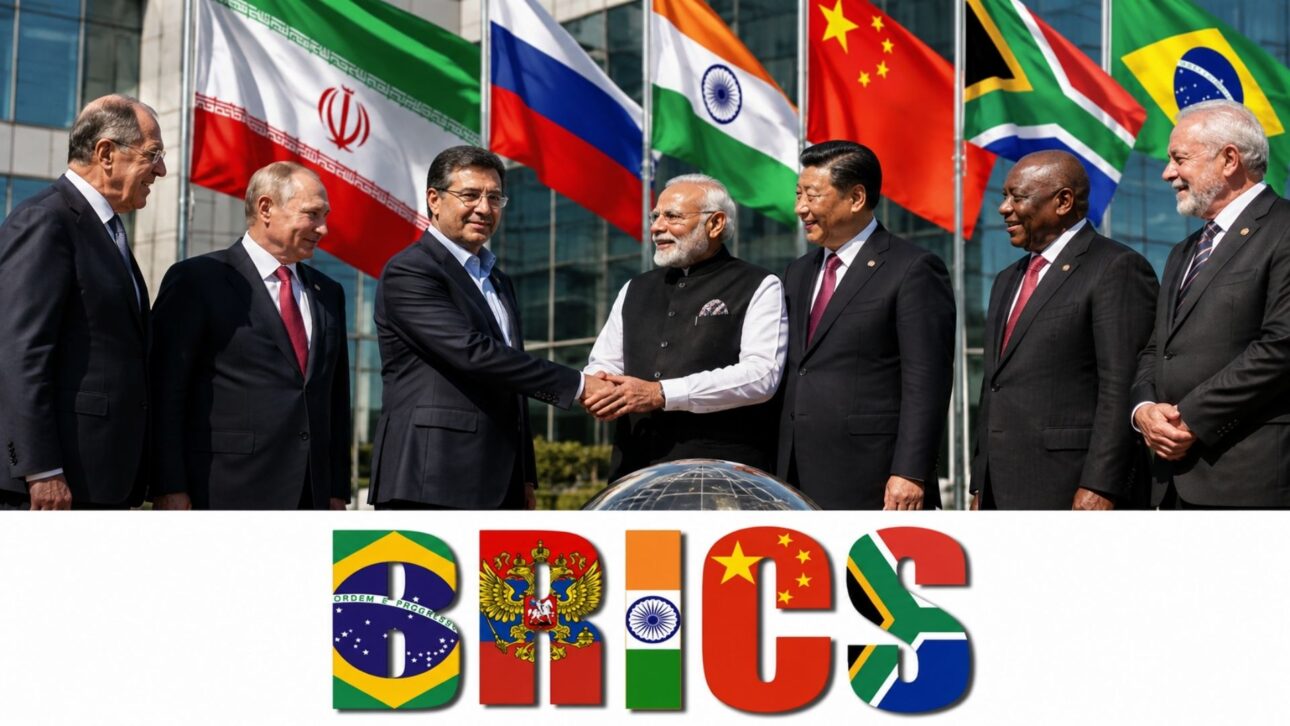

Iran to Join BRICS New Development Bank, Led by Dilma Rousseff, Seeking Broader Financial Access Amid U.S. Sanctions
Iran is set to become a member of the New Development Bank (NDB), known as the BRICS bank, according to the Governor of the Iranian Central Bank, Abdolnaser Hemmati. This potential entry would expand available financing channels for the country amid ongoing U.S. sanctions and restrictions on access to the international financial system.
This information was reported by g1 on August 12, 2026, based on Reuters. Hemmati announced the expected membership during a meeting of finance ministers and central bank heads from BRICS in India, the country holding the rotating presidency of the group in 2026.
Iran Officially Joined BRICS in 2024

Iran officially became part of the BRICS in 2024, during the group’s expansion process.
-
Pix Accelerates Cash Replacement in Brazil: 61% Have Reduced or Abandoned Paper Currency, but Seniors Are Hesitant Due to Scam Fears and Tech Challenges

-
Brazilians Who Moved to Canada Face Harsh Winters and a Housing Crisis that Affects Nearly Half the Population, but Stability, Salaries, and Safety Explain a Community of 151,000
-
Brazilians Who Moved to Portugal Encounter Tight Salaries and Rising Rent, but Language, Safety, and European Life Continue to Attract, With a Community Now Reaching 628,000
-
Brazilians Cross the Border for a New Life in Paraguay, Drawn by Low Taxes Despite Lower Salaries and a Distinct Job Market




Since then, Tehran has shown interest in advancing to become a member and shareholder of the New Development Bank, increasing its participation in the financial structures linked to the bloc.
NDB Founded by Agreement Signed in Fortaleza in 2014
The agreement to create the New Development Bank was signed in 2014 during the BRICS Summit held in Fortaleza, Ceará.
The institution was officially established in 2015 by the five original members of the group: Brazil, Russia, India, China, and South Africa.
BRICS Bank is Based in Shanghai and Led by Dilma Rousseff
The NDB maintains its headquarters in Shanghai, China, and is currently chaired by former Brazilian president Dilma Rousseff.
The multilateral financial institution was created to finance projects in emerging economies and developing countries, also serving as an alternative to traditional sources of international financing.
Infrastructure and Sustainable Development Are the Focus of the NDB
The bank primarily directs resources to projects in infrastructure and sustainable development.
Areas eligible for financing include transportation, energy, sanitation, and other initiatives related to the development of the countries served.
U.S. Sanctions Limit Iran’s Access to Financing
Iran’s potential membership in the NDB comes as the country faces extensive sanctions imposed by the United States, alongside other restrictions on access to the international financial system.
In this context, joining the bank could open additional financing channels for Tehran, although the source does not provide specific amounts, projects, or timelines for potential operations.
Tehran Seeks Alternatives to U.S. Dollar-Dominated Financial System
According to Reuters, the limitations imposed on Iran increase the country’s interest in finding alternatives to the U.S. dollar-dominated financial system.
BRICS members are also discussing ways to expand the use of national currencies in commercial and financial transactions among themselves.
Hemmati Announced Membership Expectation During Meeting in India

The information about Iran’s entry was revealed by Abdolnaser Hemmati, President of Iran’s Central Bank.
He was participating in a meeting of finance ministers and central bank presidents from BRICS countries in India when he stated that the country is expected to soon become a member of the NDB.
Expansion Increased Representation and Also Divergences Within BRICS

The growth of BRICS has expanded the number of countries in the group, but it has also made it more difficult to build common positions on international conflicts.
These differences became evident in March 2026 during the tensions involving Iran, the United States, and Israel.
Brazil, Russia, and China Condemn Offensive Against Iran in March
During the conflict in March, Brazil, Russia, and China condemned the offensive against Iran.
India and the United Arab Emirates, however, took more critical stances against Iranian retaliations directed at Gulf countries.
Lack of Consensus Prevented Joint Statement on Conflict
The differences among the members prevented BRICS from reaching a sufficient consensus to publish a joint statement on the conflict.
This episode showed that the expansion of the group did not eliminate diplomatic divergences among its members, even on issues directly involving one of the bloc’s countries.
Response Was Different During 12-Day War in 2025
The lack of a common position in 2026 contrasted with BRICS’s response to the 12-day war between Israel and Iran in 2025.
At that time, when Brazil held the rotating presidency, the ten member countries issued a joint statement condemning the attacks and advocating for dialogue.
Entry into NDB Still Presented as an Expectation
Iran’s participation in the bank was not presented in the source as a completed membership. Hemmati stated that Iran is expected to soon become a member of the New Development Bank (NDB), maintaining the expectation of accession.
Such entry would bring Tehran closer to an institution created by the five original BRICS members aimed at financing infrastructure and sustainable development, at a time when the country seeks to broaden alternatives in the face of sanctions and international financial restrictions.
In your opinion, could Iran’s entry into the New Development Bank (NDB) enhance BRICS’s financial weight or also increase internal divergences within the group? Share your thoughts.


