





 Portuguese
  English
  Spanish
  5 min of reading
  4 comments


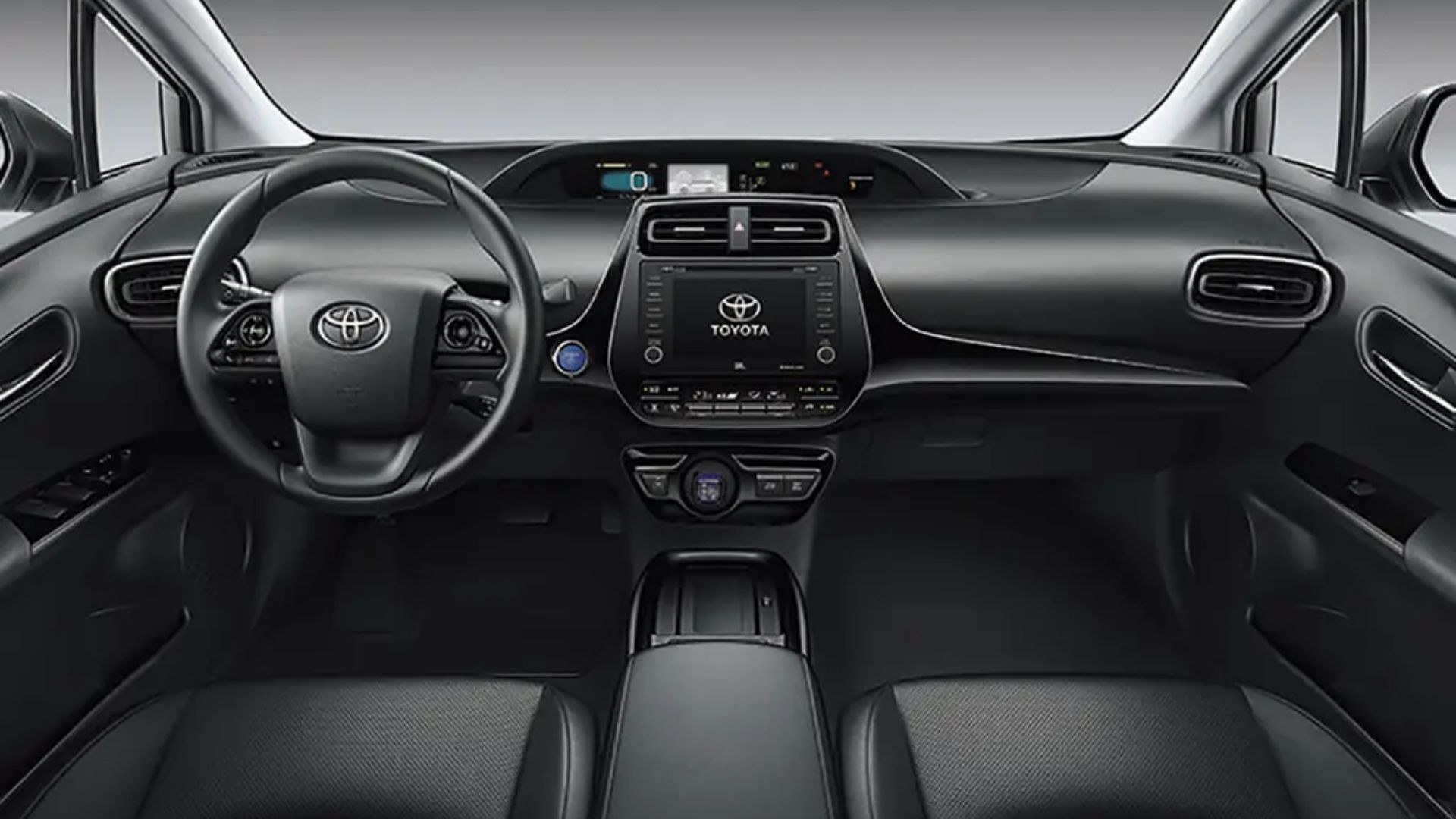


The New Generation of the Prius Focuses on Technical Solutions That Toyota Aims to Apply to Future Corollas and an Intermediate Hybrid Pickup Positioned Below the Hilux, Designed to Compete with the Toro, Rampage, and Maverick as Part of the Brand’s Electrification Plan.
Toyota is preparing a new phase of electrification for its lineup in Brazil, and the Prius has taken a central role in this planning.
The latest generation of the model, equipped with plug-in hybrid technology, is regarded internally as a technical benchmark for future projects, including the next evolutions of the Corolla, Corolla Cross, and the intermediate pickup expected to sit below the Hilux.
This model is cited in industry reports as a direct competitor to Fiat Toro, Ram Rampage, and Ford Maverick.
-
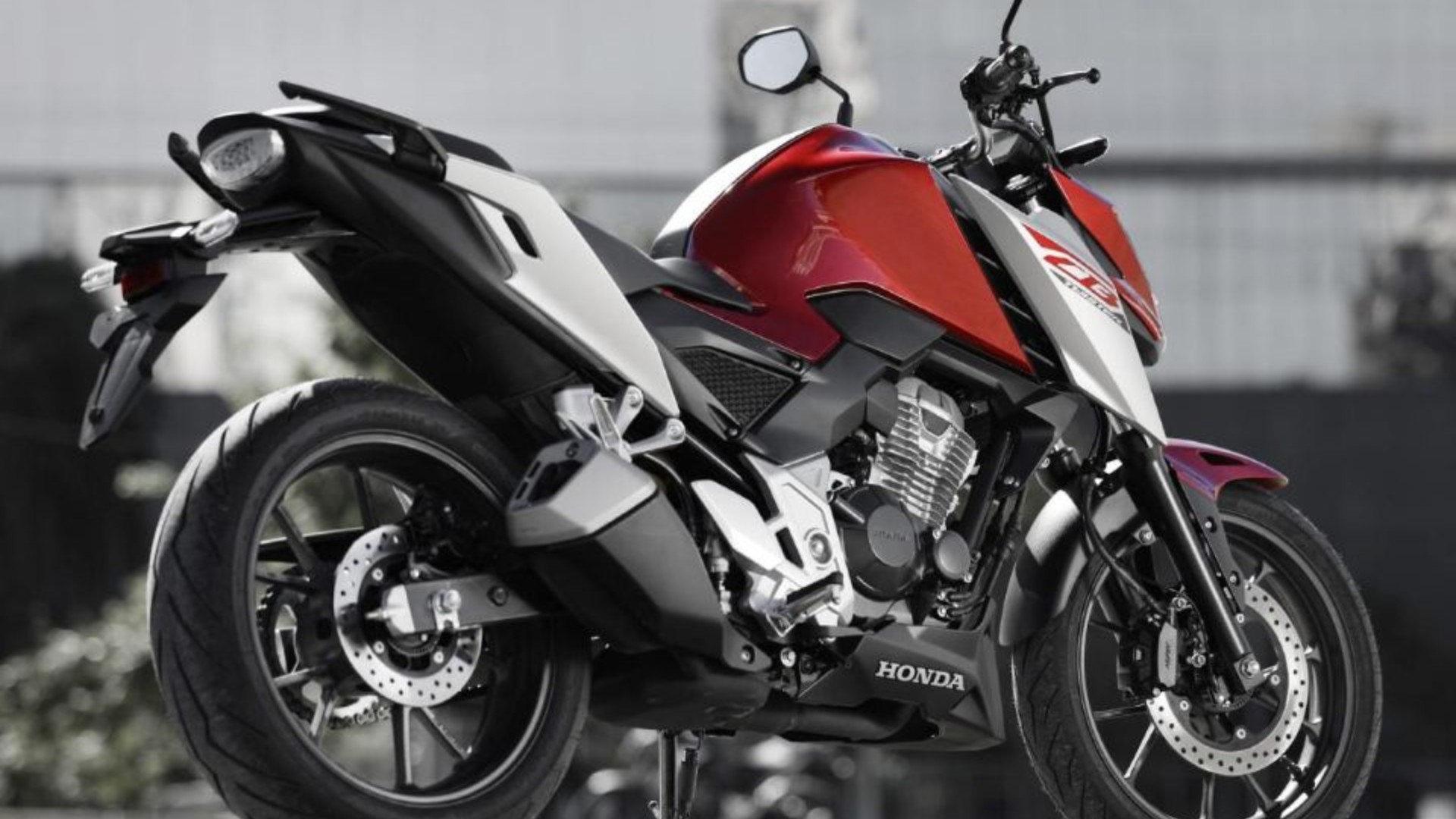
With a 293.5 cm³ engine and a range of up to 400 km with a 14.1-liter tank, the Honda CB 300F Twister 2026 has up to 24.7 hp, an initial price of R$ 25,150, and already exceeds R$ 29,000 in the Fipe Table.
-
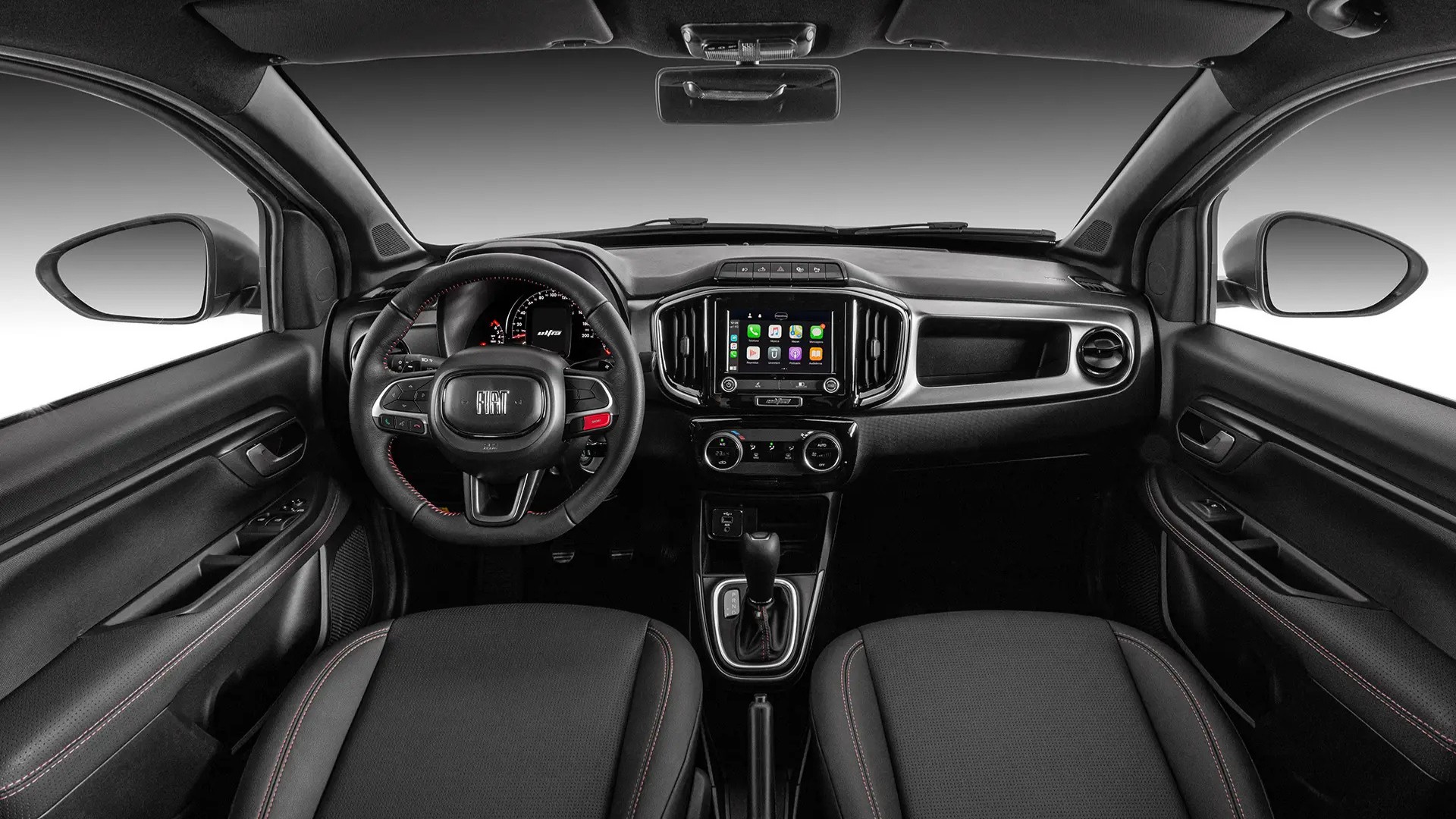
With a 1.3 engine, nearly 700 km of range, and Turbo 200, the Fiat model surpasses Polo, Tera HB20, and Onix, becoming the best-selling car in March; see the numbers for the Fiat Strada and others.
-
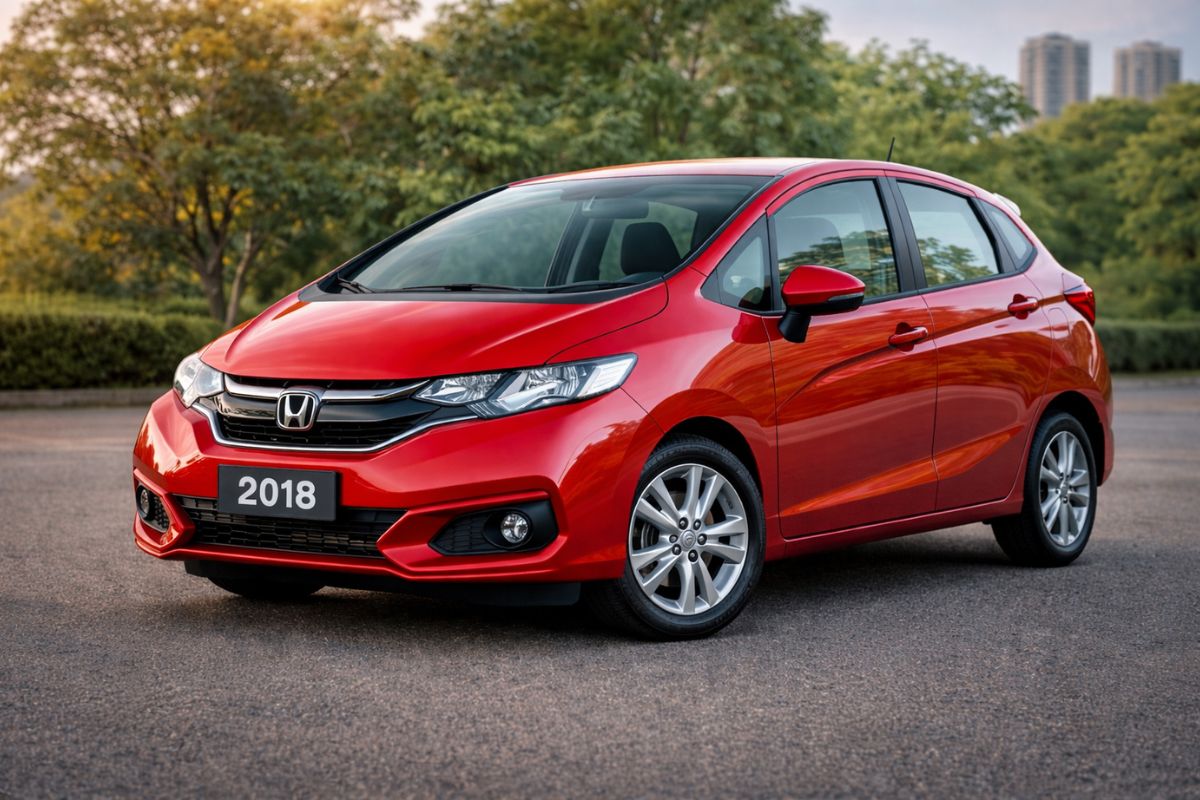
The Honda Fit has been discontinued for years, but the 2018 model is worth more today in the Fipe table than it cost brand new, proving that this used car, valued with a 1.5 i-VTEC engine and Magic Seat, only increases in price.
-
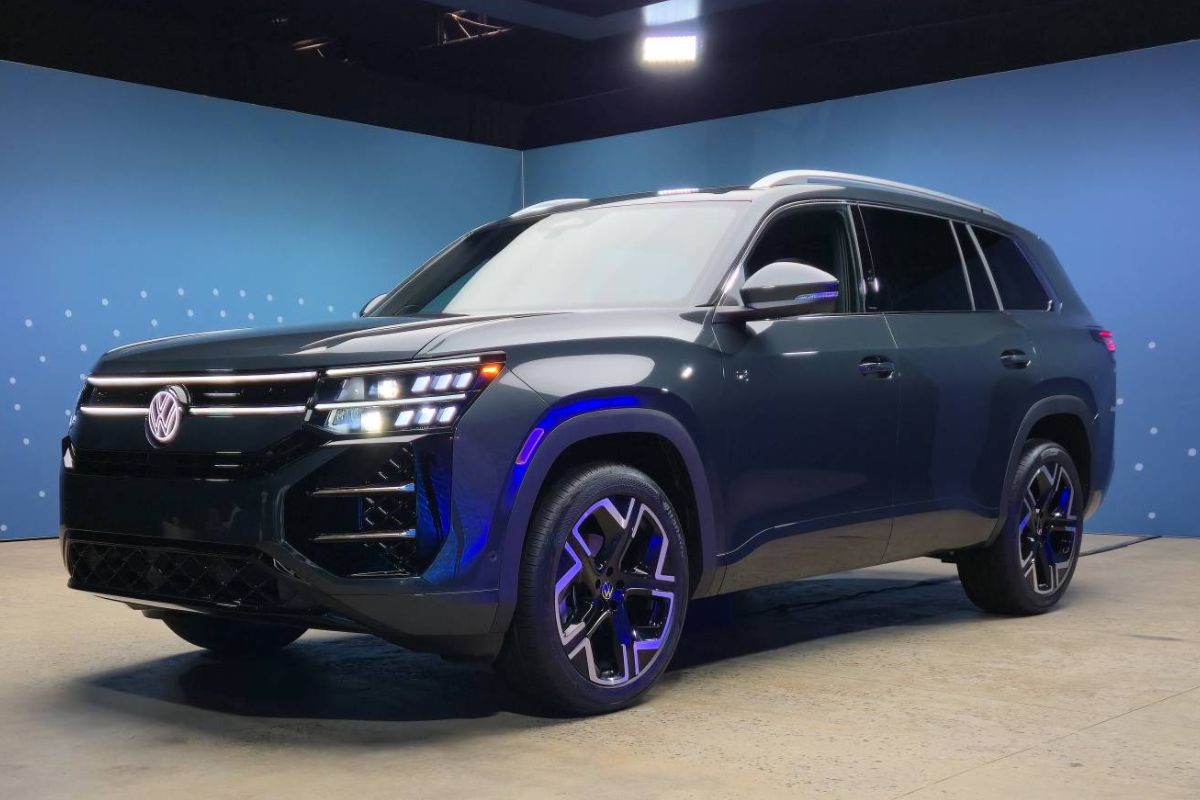
Volkswagen unveiled the 2027 Atlas with a 282-horsepower EA888 turbo engine, a 15-inch screen, massage seats, and a completely new interior to finally elevate the three-row SUV built on the MQB platform to a new level.

At the same time, Toyota confirmed that it is developing a similarly sized pickup for the North American market, where the focus is on rivals like the Maverick and Hyundai Santa Cruz.
In an interview reported by international outlets, the head of planning and strategy at Toyota Motor North America, Cooper Ericksen, stated that the internal discussion has shifted from the viability of the project.
According to the executive, the debate has now focused on defining the timeline. “It’s not a matter of ‘if’ at this point,” he stated regarding the advancement of the plan.
New Toyota Prius as a Technical Benchmark
In recent years, the Prius has undergone a repositioning. In addition to a visual update, the model has incorporated technical solutions that Toyota has been extending to other areas.

In Europe, the automaker highlights the new architecture of the Prius Plug-in Hybrid, which uses a 13.6 kWh battery, associated with electric-only range that varies according to the homologation cycle.
In standardized measurements, this range can reach dozens of kilometers. This configuration is cited by industry analysts as a pathway for applications in higher volume vehicles, particularly as Toyota expands its hybrid and partial electrification offerings in strategic markets.
In countries where the plug-in Prius is already sold, the configuration combines a 2.0 engine with an electric system. Data released by specialized publications indicate a combined power of 223 hp, associated with the 13.6 kWh battery.
TNGA Platform and Size Parameters
Beyond the mechanical set, the Prius also anticipates structural decisions. The model uses the TNGA platform, already applied in other Toyota vehicles, allowing for body and wheelbase variations based on the project.
In the United States, official technical information indicates that the sedan measures about 4.60 meters in length, 1.78 meters in width, a height close to 1.42 meters, and 2.75 meters in wheelbase. These parameters help explain the interior space within the segment.

In industry reports, this same platform is pointed out as a likely base for the future intermediate pickup. The expectation is for component sharing with the Corolla lineup, with specific adaptations for double cab and cargo bed.
Confirmations and Signals About the Intermediate Pickup
The clearest confirmation regarding the development of a smaller pickup came from statements by Cooper Ericksen. According to the executive, the decision to produce the model has already been made, with only the timing of the launch remaining to be defined.
In Brazil, Toyota has not released official data about specifications or versions. Nevertheless, the topic is being closely monitored by the market, especially due to the growth of the intermediate pickup segment, currently occupied by models like the Toro and Rampage, while the Maverick operates in a proposal that combines intermediate size and hybrid option.
Another observed factor is the strategic positioning. The new pickup is expected to sit between medium SUVs and the Hilux, and within the brand’s strategy, it is treated as a product with volume potential.
Production in São Paulo and Investment Plan
Toyota’s industrial strategy helps contextualize the project. In March 2024, the company announced an investment plan of R$ 11 billion in Brazil by 2030, which includes expanding production capacity, advancing hybrid technologies, and planning for new hires.
Part of this investment involves the plants in Sorocaba and Porto Feliz, in the São Paulo interior. This industrial hub gained additional attention in 2025 when a storm hit the Porto Feliz plant, responsible for engine production, causing temporary operational interruptions and impacting other group plants.
During the recovery process, Toyota implemented measures to maintain production while advancing the diagnosis and reorganization of activities.

Launch Estimates in Brazil
Regarding the timeline, specialized publications cite estimates for the arrival of the intermediate pickup in Brazil. There are references to a possible start of production as early as 2026 in Sorocaba, positioning below the Hilux and directly targeting the segment currently occupied by the Toro and Maverick.
However, these projections vary according to the source. So far, Toyota has not released an official schedule for the model’s launch in the Brazilian market, limiting itself to signals of investment, industrial movement, and confirmations already made for the North American market.
Flex Plug-in Hybrid and Implementation Challenges
The potential adoption of a plug-in hybrid system adapted for flex is seen by analysts as a possible differentiator in Brazil, combining electrification with the use of ethanol, a fuel already present in the hybrids currently marketed by the brand in the country.
In the case of the plug-in Prius, Toyota highlights the combination of the 13.6 kWh battery with the capability to operate in electric mode before the internal combustion engine kicks in. This concept is mentioned in industry analyses as a basis for other projects.
However, local implementation involves technical and industrial challenges. Engineering issues, supply chain management, and portfolio definition still need to be addressed, which is why details such as final power, electric range, calibration for ethanol, and available versions remain without official confirmation.
With the intermediate pickup segment expanding and established competitors already in place, which factor is likely to weigh more heavily for consumers when Toyota presents its “younger sister of the Hilux”: the offer of hybrid powertrains or the pricing and equipment positioning against the Toro, Rampage, and Maverick?








Já tem começo errado. Painel central além de deixar o interior horroroso faz perder atenção. Lastimável. Não aprenderam a lição do Ethios.
Etios é um dos melhores sedan no mercado. Nao sabe nem escrever o nome e vem falar bobagem.
E eu queria um prius se nao tivesse com valor muito alto pq quem tem nao vende. Só nao deu certo no brasil pq brasileiro é **** e prefere gastar mais em combustível pra ter carrinho da moda.
Vai ser uma ****….. Igual ao Picasso da Citroen