





 Portuguese
  English
  Spanish
  4 min of reading
  0 comments


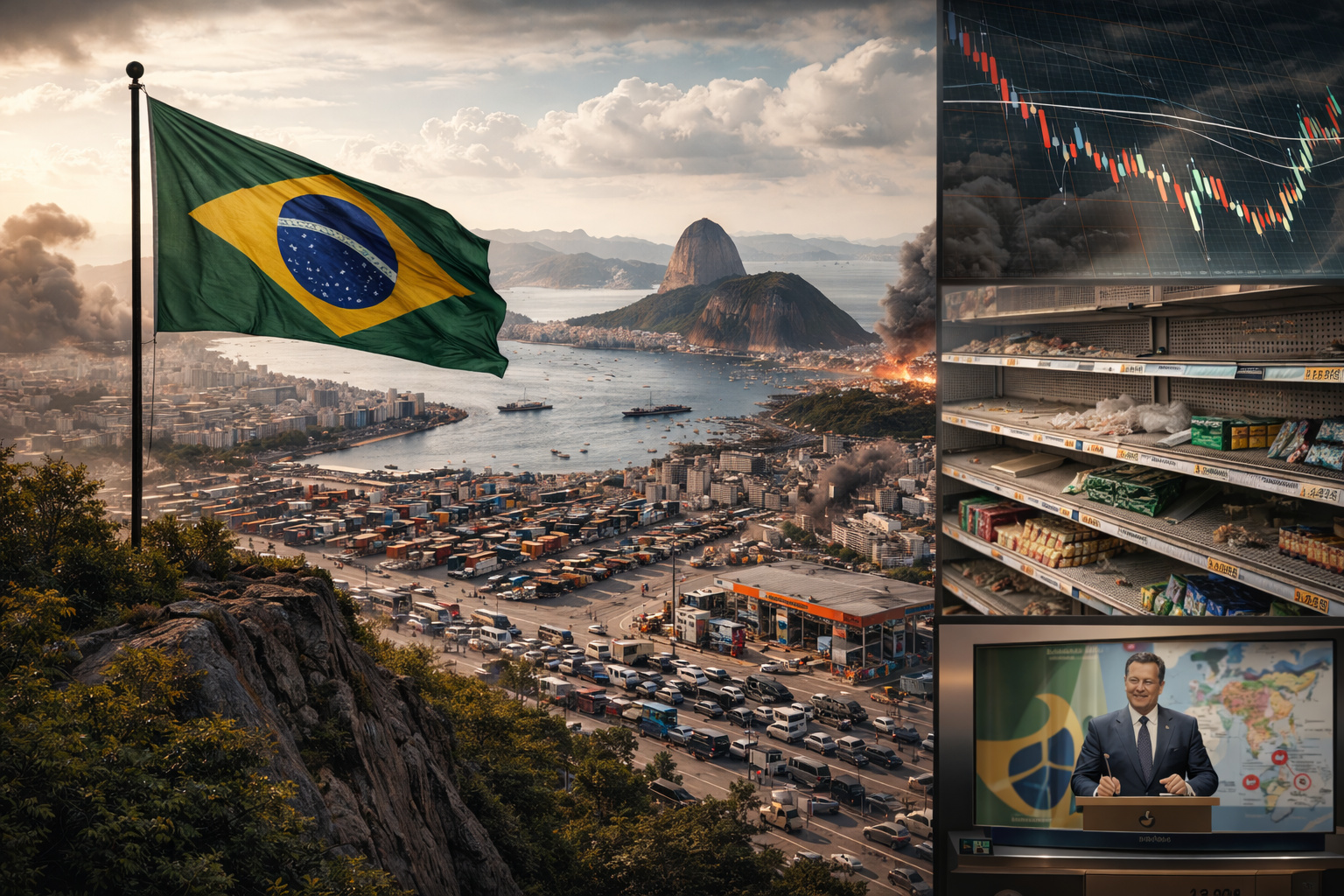
Even distant from the main global conflicts, Brazil would face direct effects on its economy, supply, and internal stability
A strategic analysis of a possible global conflict indicates that Brazil would not remain isolated.
Although geographically protected, the country would face immediate and profound impacts.
This perception contradicts the common idea of national security.
According to contemporary geopolitical assessments, the global economic interdependence eliminates the possibility of absolute neutrality.
Moreover, historically, Brazil has adopted a neutral diplomatic stance.
However, in a modern scenario, this strategy would be quickly pressured.
-
SUS surpasses Brazil and inspires a revolution in health: agreement with Mexico could bring universal, free, and more accessible care to millions of people outside the country.

-
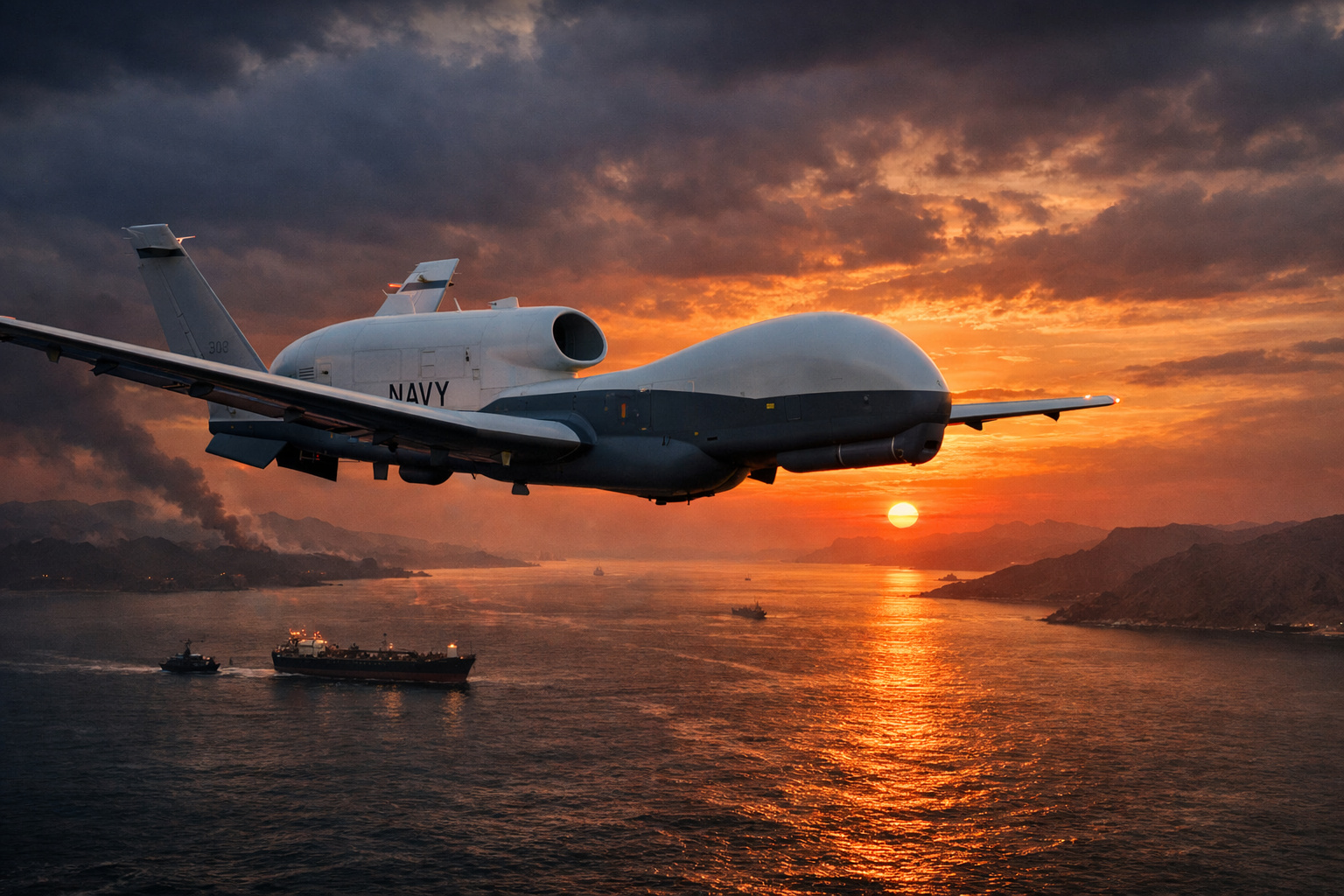
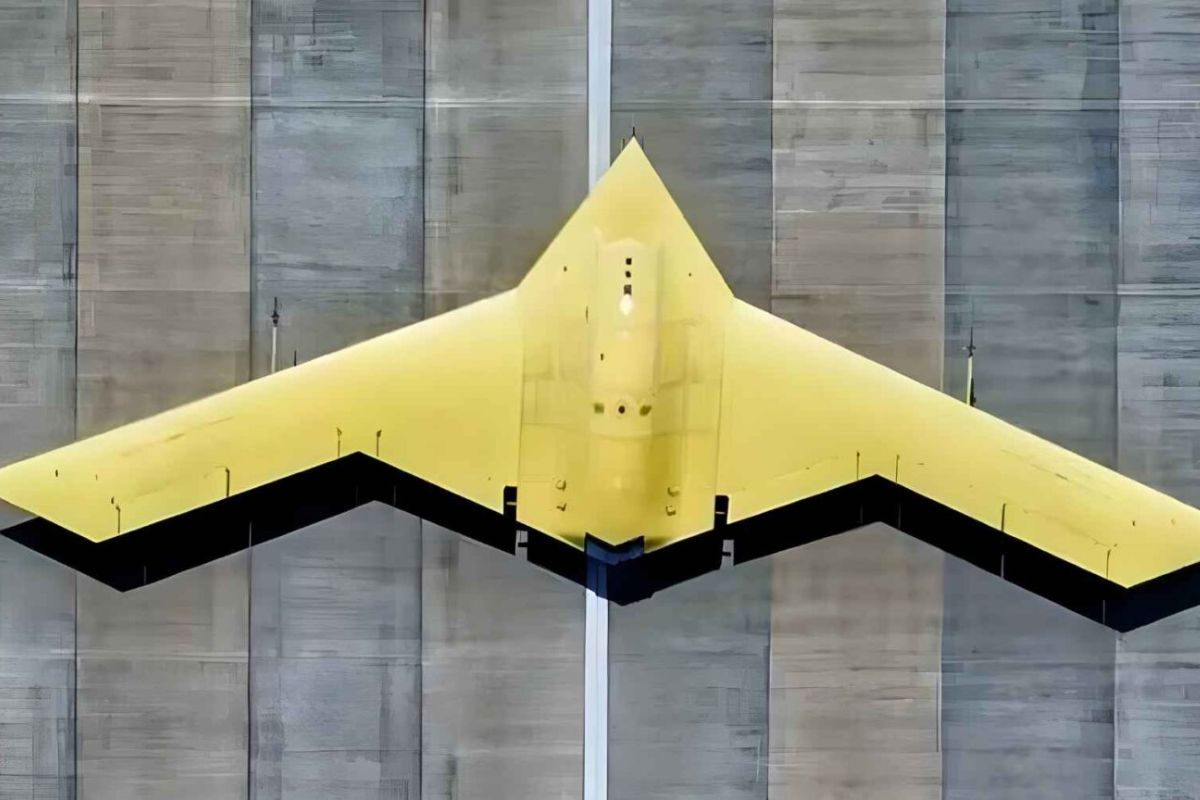
US drone worth $1 billion disappears after issuing emergency alert in the Strait of Hormuz, raising global tension.
-
SUS surpasses Brazil and inspires a revolution in health: agreement with Mexico could bring universal, free, and more accessible care to millions of people outside the country.

-
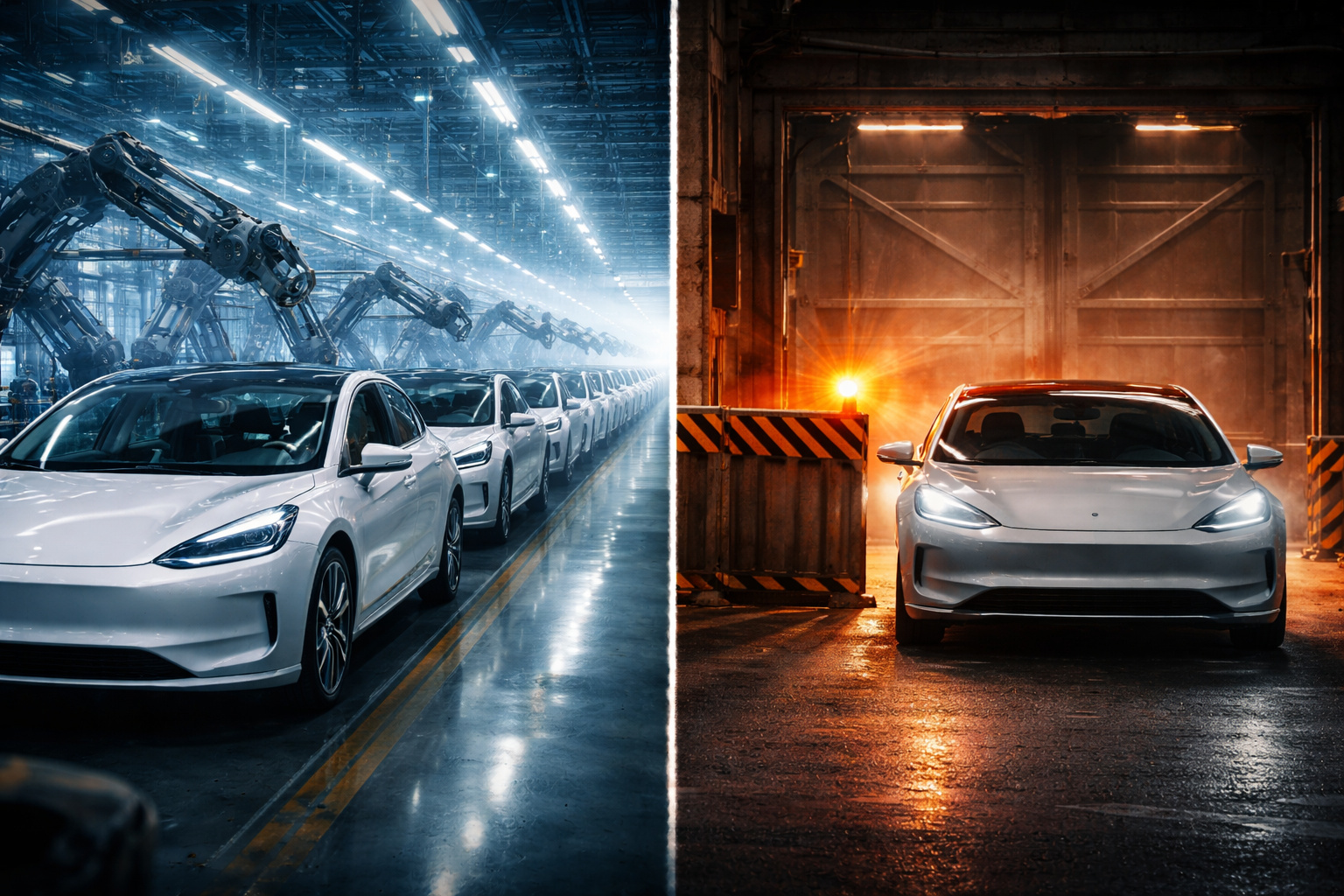
With a total blockade of software, data, and connected systems, the U.S. has completely closed its doors to Chinese cars and transformed vehicles into geopolitical weapons, creating a new technological battlefield that could reshape the global automotive industry.

Diplomatic neutrality would be put to the test
Initially, the government would seek dialogue and international mediation.
However, relations with powers such as China, Russia, the United States, and the European Union would complicate this position.
In this context, any trade decision would be interpreted as political alignment.
Thus, Brazil would face simultaneous pressures from different global blocs.
Consequently, maintaining neutrality would become economically unviable.
And therefore, the country would be forced to take strategic positions.
Supply chains would be quickly disrupted
Meanwhile, the economic impact would arise almost immediately.
This is because international trade largely depends on maritime transport.
In the face of military risks, routes would be interrupted.
As a result, Brazilian ports would stop receiving essential cargo.
In this scenario, the first impact would be felt in daily life.
Especially in the health sector, with a lack of pharmaceutical supplies.
Brazil imports about 90% of these components.
Thus, the production of medicines would be compromised within a few weeks.
Additionally, industrial sectors would also be affected.
Automakers and factories would depend on parts that would not arrive in the country.
Agribusiness would face critical dependence
Although Brazil is a major food producer, there is a structural fragility.
Agricultural production depends heavily on imported fertilizers.
Currently, over 80% of these inputs come from abroad.
Thus, without imports, productivity would quickly decline.
In this scenario, a relevant economic dilemma would arise.
Export food or ensure internal supply.
Consequently, internal prices would rise.
And therefore, food inflation would be inevitable.
Fuels would become a strategic bottleneck
Despite oil production, Brazil faces refining limitations.
A large part of the diesel consumed is imported.
In a war, producing countries would prioritize their own stocks.
Thus, Brazil would face fuel shortages.
As a result, road transport would be impacted.
And consequently, the distribution of essential products would be compromised.
In light of this, the government would have to intervene.
Possibly adopting rationing measures.
Internet and financial system could collapse
Moreover, modern conflicts also occur in the digital environment.
Submarine cables and communication systems would be strategic targets.
Even without being a direct target, Brazil would suffer indirect impacts.
The internet would lose stability or be interrupted.
In this context, banking systems would be affected.
Financial operations could be temporarily interrupted.
Thus, the functioning of the economy would be significantly compromised.
Regional tensions would increase in South America
At the same time, regional disputes could intensify.
With powers focused on other conflicts, a power vacuum would emerge.
In this scenario, conflicts close to Brazil could occur.
Consequently, the country would reinforce its borders.
Additionally, there would be humanitarian pressure.
With a possible influx of refugees in border regions.
The Amazon would gain global strategic importance
In a war scenario, natural resources become strategic.
The Amazon has essential minerals for military technologies.
In this context, international interest would increase.
Potentially generating economic pressures and indirect actions.
Thus, protecting the territory would become a priority.
And consequently, a national security challenge.
Military capacity would face limitations
Although Brazil has a large military force, there are structural restrictions.
A significant portion of the budget is allocated to salaries.
This reduces investments in equipment and ammunition.
Thus, the capacity to sustain a prolonged conflict would be limited.
Moreover, protecting strategic areas would require substantial resources.
Especially in the maritime and border environment.
Risk of internal social collapse grows rapidly
Meanwhile, the economic impact would directly affect the population.
The lack of products and rising prices would generate instability.
Companies could lay off workers en masse.
And consequently, inflation would become uncontrollable.
In this scenario, the government would adopt emergency measures.
Such as price controls and economic restrictions.
Still, the greatest risk would be internal social collapse.
Neutrality would reach its limit in an extreme scenario
Finally, history shows that neutrality has limits.
During previous global conflicts, Brazil was forced to act.
Currently, the scenario includes new forms of pressure.
Such as economic sanctions and financial blockades.
In this context, the country could be internationally isolated.
Which would compromise the entire national economy.
Thus, neutrality would become unsustainable.
And Brazil would be forced to choose a side.
In light of this scenario, even without direct attacks, the impacts would be inevitable — but is the country prepared to face a global crisis of this magnitude?







Seja o primeiro a reagir!