





 Portuguese
  English
  Spanish
  4 min of reading
  1 comment





Benefit Guarantees Direct Savings for Drivers and Reveals Differences Between State Legislations Across Brazil.
The IPVA exemption for cars older than 15 years is already a reality in 13 states and the Federal District, according to data from the FDR portal. The measure represents significant financial relief for millions of Brazilian drivers, who no longer have to pay one of the heaviest taxes on vehicle ownership.
The IPVA is charged annually and varies between 2% and 4% of the vehicle’s value, depending on the federal unit.
A car valued at R$ 25,000 can generate a tax of up to R$ 1,000 per year. Over 15 years, the accumulated savings can exceed R$ 15,000, not considering annual adjustments. This explains why the rule has become a topic of great national interest.
-
The car stored for 38 years: when opening the barn door, what appears is breathtaking and looks like a scene from a movie!

-
Fiat works miracles in the Brazilian market, lowers the price of its 0 km hatch to R$ 69,990, reestablishes the model as the cheapest car in the country, and reignites the battle against Kwid and C3.
-
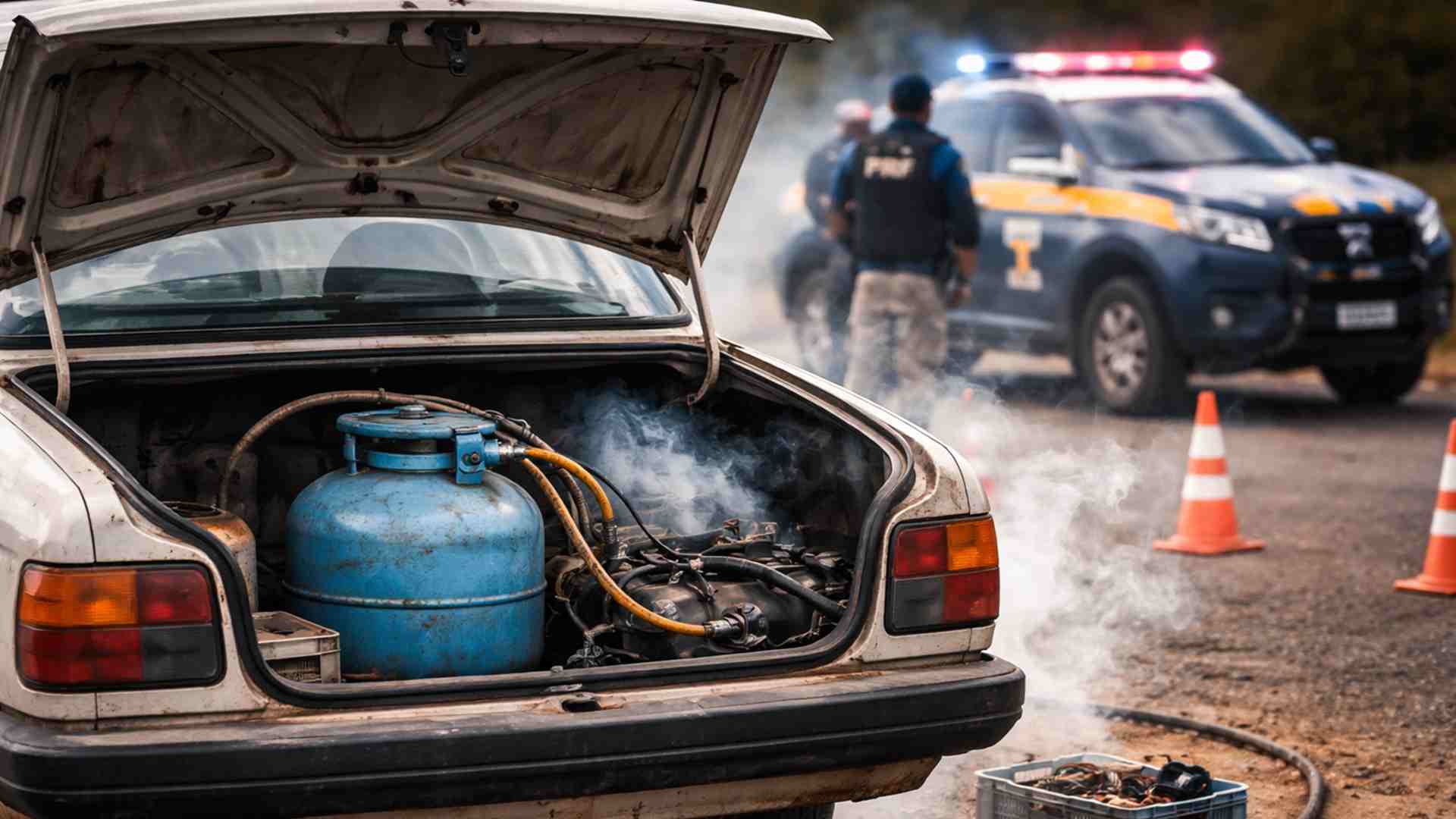
Chevette with cooking gas: How the gas cylinder ends up being used in cars clandestinely and why this makeshift solution can result in leaks, explosions, damaged engines, and seized vehicles.
-
Fiat launches the new 2027 Toro hybrid with 48V, 176 hp, an electric motor of 15.5 hp, a 0.85 kWh battery, up to 7% fuel savings, 8% fewer emissions, and possible exemption from IPVA.


Who Is Entitled to the IPVA Exemption
The list of states that automatically apply the IPVA exemption for vehicles older than 15 years includes: Amazonas, Bahia, Ceará, Espírito Santo, Goiás, Maranhão, Pará, Paraíba, Piauí, Rio de Janeiro, Rondônia, Sergipe, and the Federal District.
In these locations, it is sufficient for the vehicle to reach the minimum age for the benefit to be applied immediately, without the need for additional requests.
In other states, the criteria vary significantly. In Amapá, Roraima, and Rio Grande do Norte, the exemption starts even earlier, at 10 years of manufacture.
In Mato Grosso, the cut-off is 18 years. In states like Acre, São Paulo, Paraná, Mato Grosso do Sul, and Rio Grande do Sul, the exemption only occurs for vehicles older than 20 years.
Santa Catarina and Tocantins are even stricter, only allowing cars that are 30 years old or more, while in Alagoas, the cut-off is set for vehicles manufactured until 2002.
Why States Adopt Different Rules
The justifications for the IPVA exemption vary according to the policy of each state government. Generally, the reasons are three: the low market value of old vehicles, the need to relieve the tax burden on lower-income families, and the pursuit of social justice.
Governments argue that the loss of revenue is small, as old vehicles have low taxable value.
On the other hand, the benefit has a direct impact on the budgets of families who keep cars for long periods as they cannot frequently swap vehicles.
Incentives for Electric and Hybrid Vehicles
In addition to the exemption for old cars, some regions also offer incentives for less polluting vehicles. Maranhão, Piauí, Rio Grande do Norte, and the Federal District already exempt IPVA for electric cars.
In São Paulo, the municipality grants up to R$ 3,300 in IPTU discounts for owners of electric and hybrid models.
These measures demonstrate that there are two policies in progress: on one hand, tax relief for old cars, addressing social and economic criteria; on the other, incentives to modernize the fleet and reduce pollutant emissions.
Is It Worth Keeping a Car Exempt from the IPVA?
From a financial point of view, the IPVA exemption is a clear benefit: it reduces annual costs and allows families to keep vehicles for longer.
However, experts warn that this savings does not eliminate expenses with maintenance, fuel, and potential repairs, which tend to be higher in older cars.
Therefore, the decision to keep an older vehicle should consider not only the tax relief but also the overall running costs.
In many cases, the money saved on the IPVA can be consumed by extra maintenance costs if the car is not in good condition.
Social and Economic Impact of the Exemption
For millions of Brazilians, especially workers who rely on their cars daily, the IPVA exemption represents much more than savings: it is the possibility of maintaining the right to go and come without significantly compromising their income.
Furthermore, the benefit helps prolong the useful life of vehicles still in good condition, ensuring access to mobility in areas where public transport is deficient.
However, some criticize the policy for encouraging the continued presence of old cars on the road, which can increase pollution levels and reduce vehicle safety.
Still, the differences between state legislations indicate that the topic will remain under discussion in the coming years, with some states discussing the possibility of lowering the minimum age for exemption and others evaluating stricter measures.
The IPVA exemption for cars older than 15 years is now a reality in 13 states and the Federal District, representing direct and relevant savings for drivers.
At the same time, the regional differences reinforce the importance of each owner checking the legislation in their own state.
What do you think, is the exemption fair for families that rely on old cars, or do you believe it encourages the maintenance of outdated vehicles in the fleet?
Leave your opinion in the comments; we want to hear real experiences from those who have benefited or are still waiting for the right in their state.









Acho que não é válido a isenção do IPVA, acho sim abusiva a porcentagem cobrada.
Se uns estados cobram 2% e outros cobram 4% se torna uma injustiça social, uma vez que todo cidadão quer crescer mas muitos não podem ter um veículo mais novo porque não conseguem mante lo, sendo um dos motivos o valor do imposto. Porque não cobrar uma porcentagem única mais acessível em todos o País.