





 Portuguese
  English
  Spanish
  5 min of reading
  0 comments


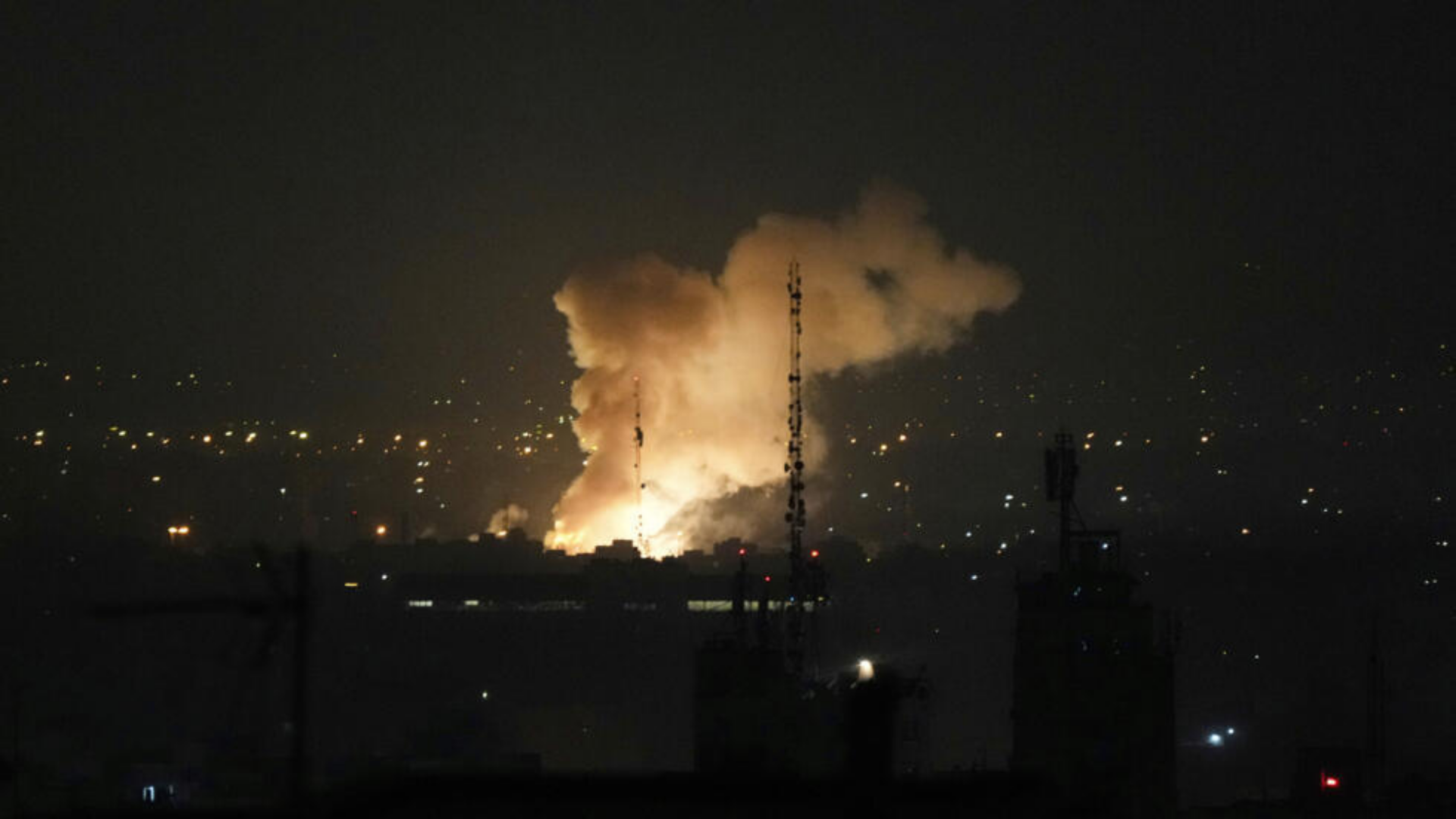
The Israeli Air Offensive Resulted in the Death of Iranian Military Leaders and Triggered an Immediate Drone Retaliation Against Israel
In the early hours of last Friday (13), tensions in the Middle East reached a new level with Israel’s military operation against Iran.
Using about 200 fighter jets, the country carried out a coordinated strike aimed at strategic targets related to the Iranian nuclear program and the military leadership of the regime.
This action, which is already being referred to as “Lion Rising,” not only provoked an escalation of hostilities but also had significant repercussions in global financial markets, pushing oil prices up and causing stock markets to fall.
-
Brazil Ignores Trump’s threats to BRICS, Buys 42 tons of gold and reduces the Dollar’s share by 6.45% in international reserves.

-
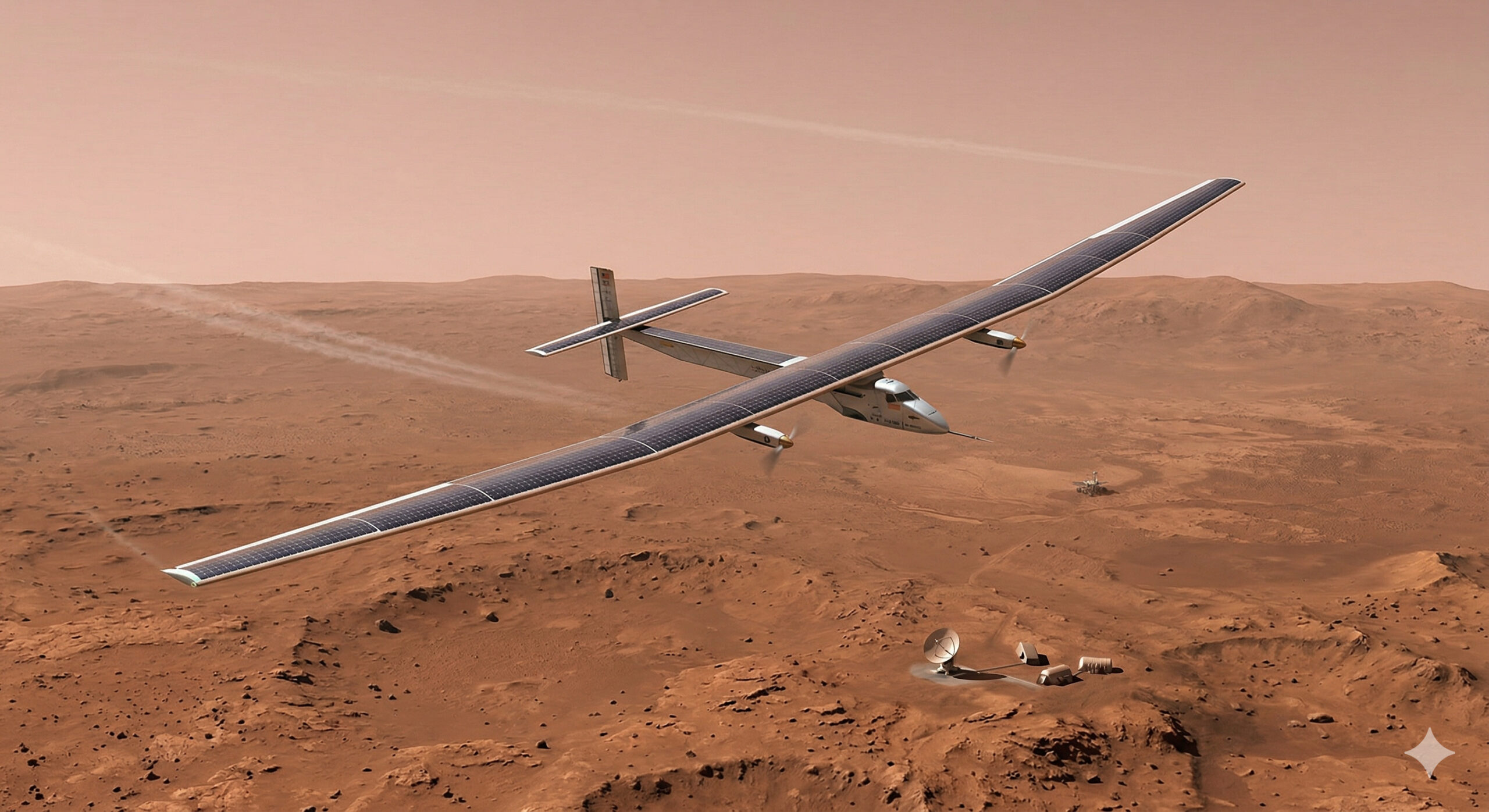
An engineer designs a solar plane to fly on Mars at an altitude of 1,000 meters and a speed of 300 km/h, covering 16,000 kilometers in a Martian year, 900 times the distance traveled by the Ingenuity helicopter in three years on the planet before experiencing a rotor failure, and NASA is already funding the feasibility study.
-
A new phenomenon of contactless magnetic friction intrigues scientists and questions a theory that has been valid since the 17th century.

-
Havan buys historic football land in Blumenau for a million-dollar amount protected by a confidentiality clause and is already planning to change even the layout of streets to build a megastore in half-timbered style costing 80 million reais.


The Magnitude of the Attack
The military strike was one of Israel’s most ambitious operations in recent years.
The aircraft simultaneously attacked various nuclear facilities, military centers, and government buildings in several regions of Iran, including the capital Tehran.
Israeli Prime Minister Benjamin Netanyahu emphasized that the operation “will continue for as many days as necessary” to ensure the country’s safety.
This statement not only demonstrates Israel’s determination to neutralize what it considers an existential threat but also indicates that the situation could worsen further.
Explosions were heard in various areas of Tehran, and the nuclear facility at Natanz, where uranium enrichment takes place, was one of the main targets.
The International Atomic Energy Agency (IAEA) confirmed that the facility was hit but there was no increase in radiation levels.
However, the IAEA issued a warning about risks to regional and international security, highlighting that the situation requires urgent attention.
The Impact of the Deaths of Military Leaders
One of the most alarming aspects of the operation was the elimination of prominent figures within Iran’s military structure. Among the dead are:
- Hossein Salami, commander of the Islamic Revolutionary Guard Corps (IRGC)
- Mohammad Bagheri, chief of staff of the Iranian Armed Forces
- Gholamali Rashid, commander of the Khatam al-Anbiya headquarters
Additionally, six nuclear scientists were killed, representing a significant blow to the Iranian atomic program. The identities of the scientists include:
- Fereydoon Abbasi, former head of the Iranian Atomic Energy Organization
- Mohammad Mahdi Tehranchi, linked to the nuclear weapons program
- Abdulhamid Minouchehr, head of nuclear engineering at Shahid Beheshti University
This type of attack, which targets leaders and experts, is a strategy aimed at destabilizing the enemy’s operational capacity.
Have you ever wondered how far these attacks can actually change the course of a conflict?
Is the elimination of leaders an effective solution or merely a temporary measure?
Unfortunately, the strike also resulted in civilian casualties, with at least 50 people, including women and children, injured.
This reality raises questions about the collateral impacts of large-scale military actions. What happens to communities living in conflict areas?
These are important reflections for anyone following the situation.
Iran’s Response
The reaction from Iran did not take long to arrive.
In a show of force, the country launched more than 100 drones toward Israel.
According to the Israel Defense Forces, all the drones were intercepted, but the threat of retaliation is clear.
The Iranian Foreign Ministry promised a full response and classified the Israeli attacks as “acts of aggression.”
The Supreme Leader, Ali Khamenei, warned that Israel “should expect severe punishment.”
Interestingly, the Iranian government also blamed the U.S. for the operation, claiming that an attack of this magnitude could not occur without American coordination.
This allegation is common in conflicts where foreign powers’ influence is perceived.
What do you think about the role of the U.S. in this scenario? To what extent can American intervention be seen as help or a complication?
The Position of the U.S.
The U.S. denied any direct involvement in the attack.
Secretary of State Marco Rubio stated that the United States did not participate or provide support to Israel.
However, days before the offensive, diplomats and military families were evacuated from the region, raising questions about U.S. preparation for potential repercussions.
Former President Donald Trump also commented, stating that Iran “cannot have a nuclear bomb.”
In a conciliatory approach, the current U.S. president urged Iran to seek an agreement regarding its nuclear program, suggesting that there is still time to avoid a larger conflict with Israel.
Global Reactions and Economic Impact
The international community reacted quickly and diversely to the attack. The UN, NATO, France, and the United Kingdom called for restraint, while China and Turkey condemned the operation and urged dialogue. The government of Oman classified the attack as a dangerous escalation, highlighting the consequences it may have for regional stability.
Economically, the impact was immediate. Oil prices surged by up to 13% due to increased risk of destabilization in the region, although this spike lost momentum throughout the day, with prices still operating at a 7% increase.
European stock markets opened lower, and futures of the Dow Jones, S&P 500, and NASDAQ 100 fell between 1.21% and 1.50%.
The ETF EWZ (iShares MSCI Brazil), which represents ADRs of companies listed on the New York Stock Exchange, fell 0.89% in pre-market trading.
However, shares of Petrobras saw strong gains, reflecting the rise in oil prices after the attack.
This leads us to question: how can political and military instability in a region influence global markets? What do you think this means for the world economy?
What to Expect Next?
The situation in the Middle East is volatile and continues to evolve rapidly.
Israel’s attack on Iran not only reignites fears of a broader war in the region but also casts doubt on the effectiveness of upcoming nuclear negotiations.
The rising tension and the resultant chain reactions from this conflict demand careful attention and analysis.
As the world watches, the lingering question remains: are we on the brink of a new era of conflicts in the Middle East?
How can the international community intervene to prevent an even greater escalation?
This is a critical moment that requires reflection and dialogue.
If you have thoughts or opinions on this matter, feel free to leave a comment.
Your perspective is valuable and can contribute to a broader discussion about the complexities of the conflict in the Middle East.





-

Uma pessoa reagiu a isso.