





 Portuguese
  English
  Spanish
  4 min of reading
  0 comments


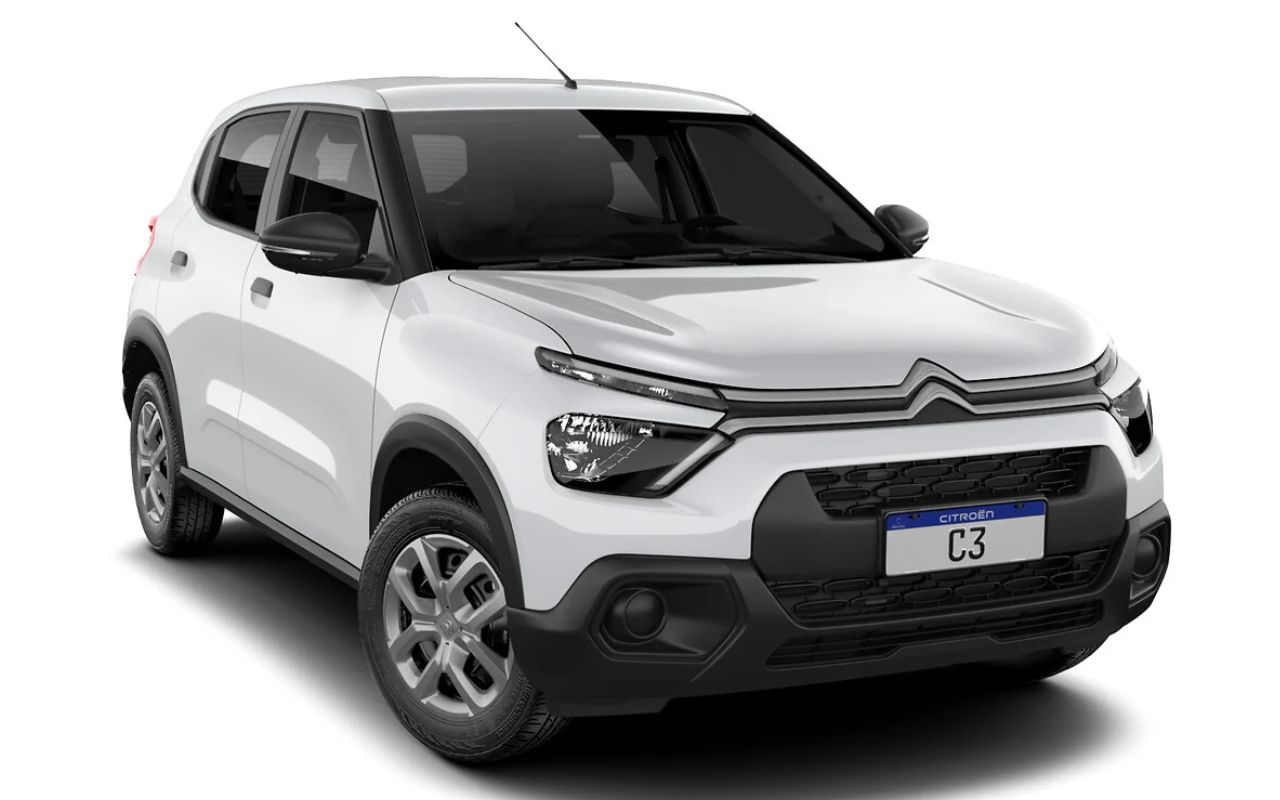
Citroën changed the tires of the C3 and reduced costs. Understand how the hatch became cheaper and more competitive in 2026.
Citroën decided to reposition the C3 in the Brazilian market in 2026 by adopting a simple yet effective technical solution: changing the tires.
The change, combined with mechanical and electronic adjustments, allowed for a reduction in production costs and to fit the model into a government incentive program.
As a result, the hatch began to stand out among the most affordable cars in the country, reinforcing its competitiveness in a price-dominated segment.
-
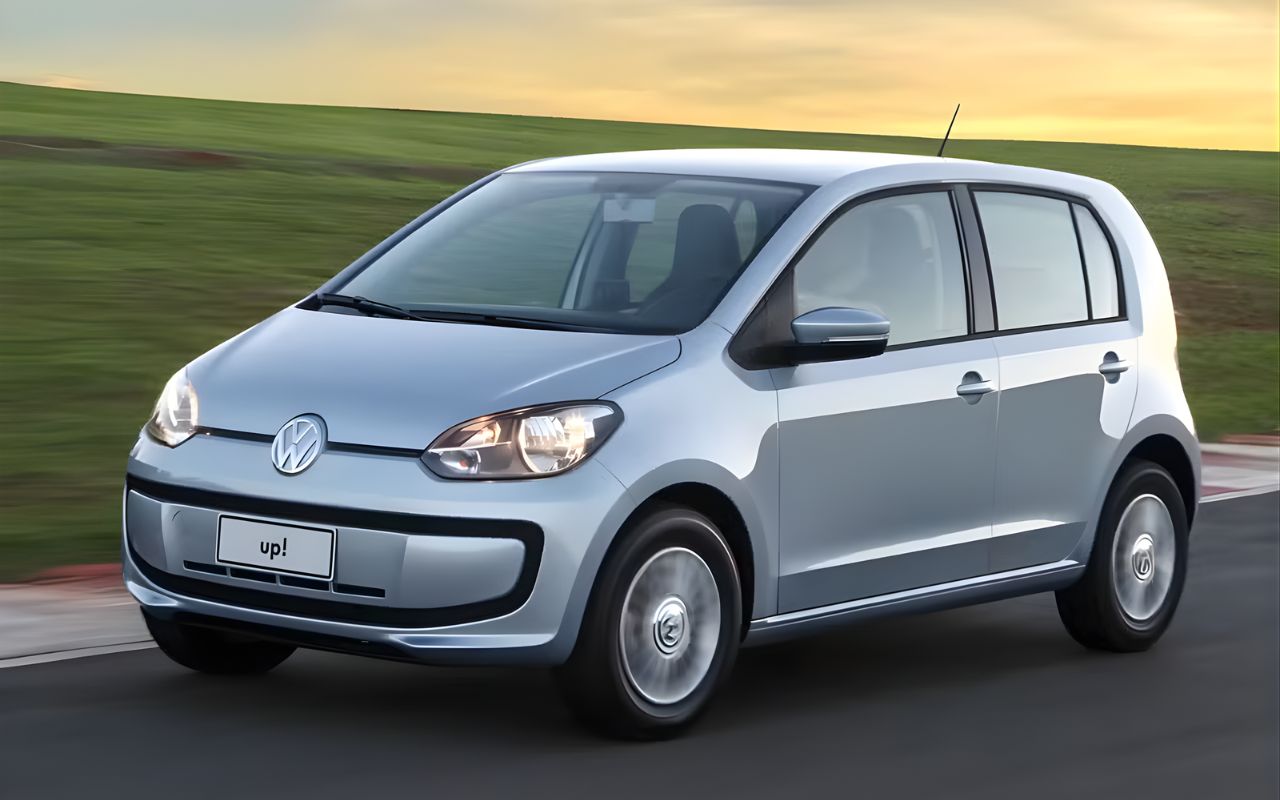
They cost less than R$ 40,000, are economical and easy to maintain: see 4 used hatchbacks to buy.
-
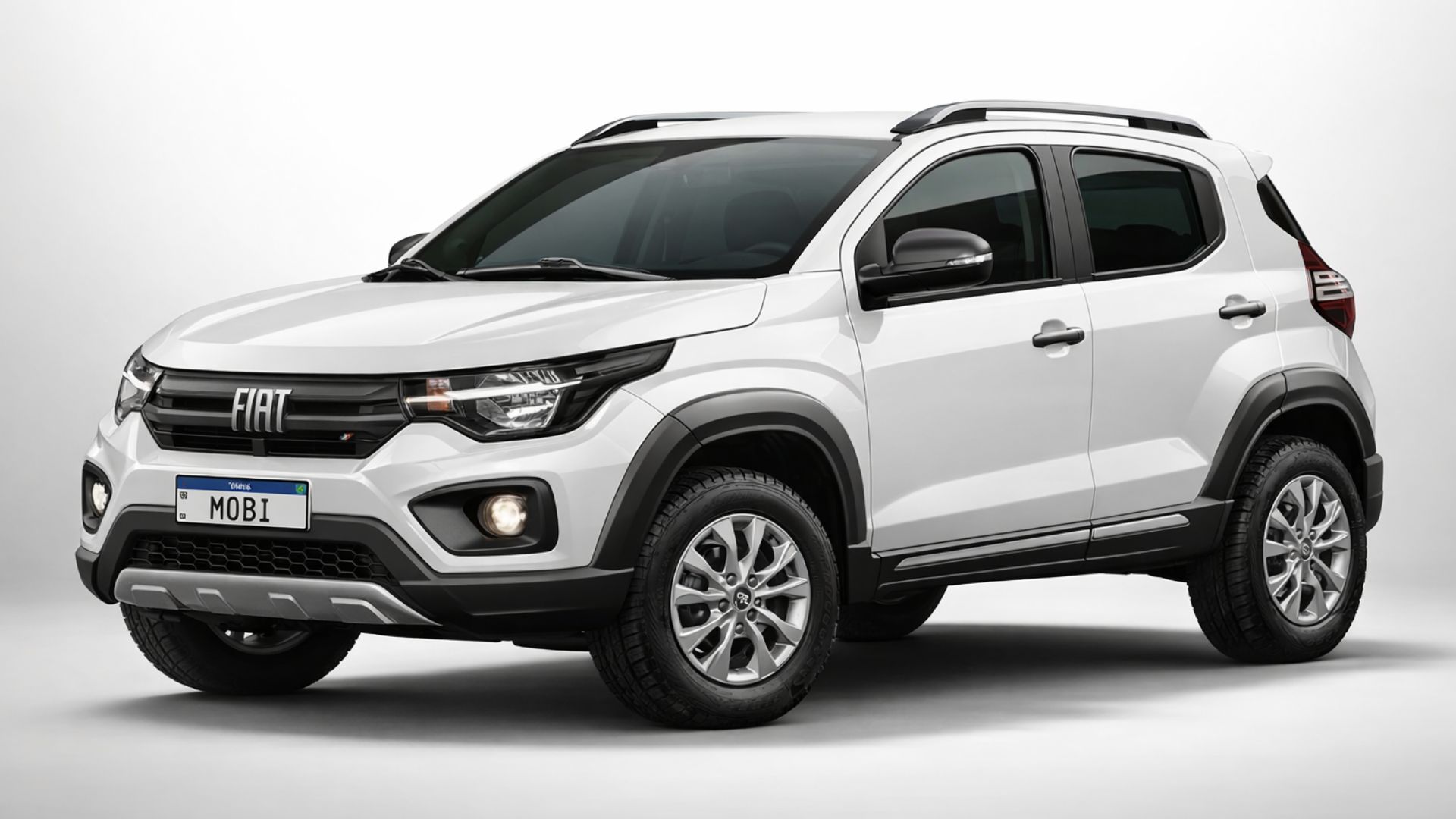
Fiat car that was once a “joke” will become a mini-SUV: the new Mobi grows beyond 3.60 m, adopts the global CMP platform, debuts in 2028 with the codename F1X, and targets rivals like Jeep Avenger in Brazil.
-
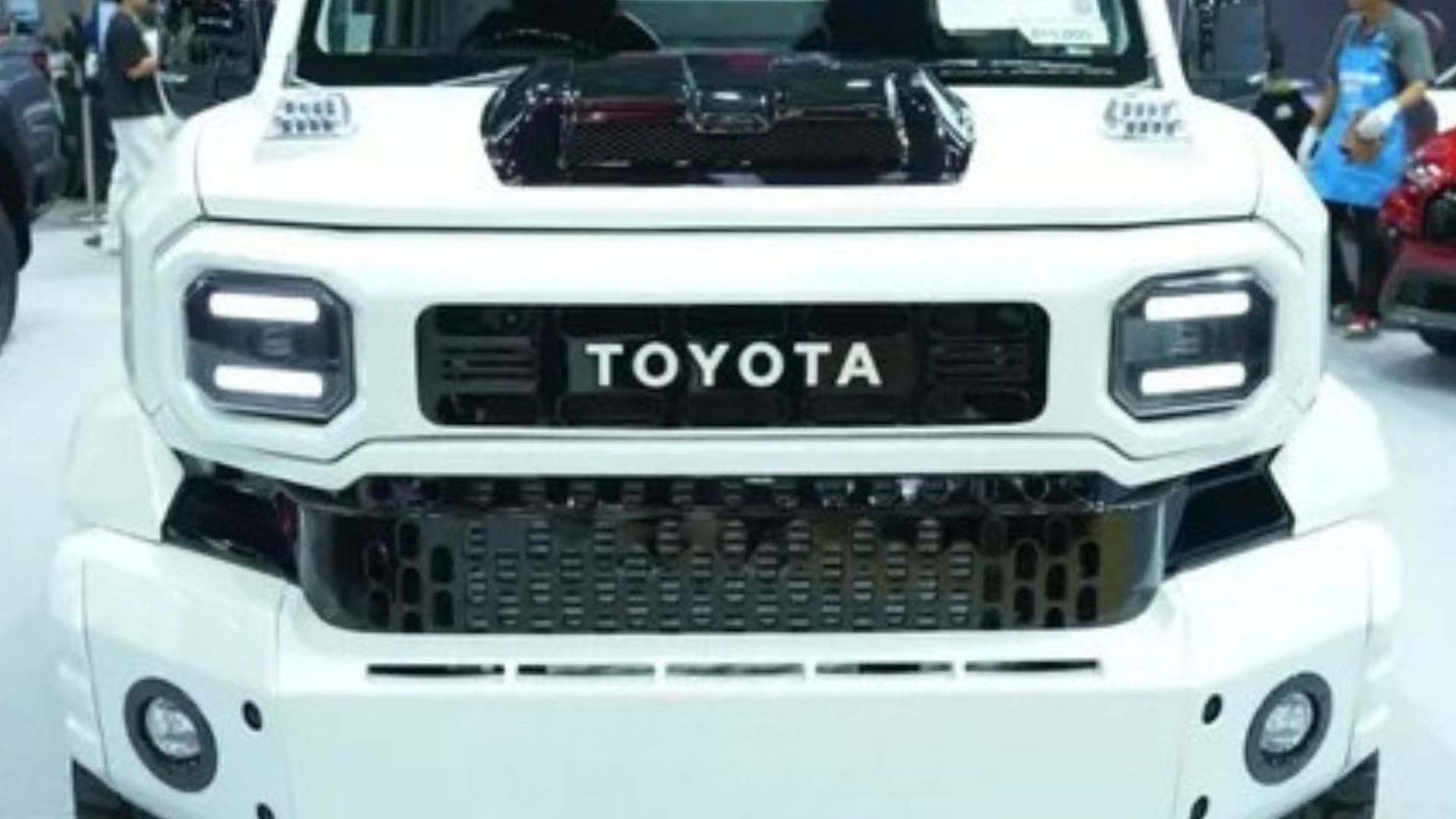
The Toyota Hilux in the truck version features a design inspired by the Mercedes-Benz G-Class: the Toyota Hilux Champ 2026 bets on a short wheelbase (SWB), lowered suspension, Brabus style kit, LED on the roof, and an affordable proposal.
-
The engine that powers almost the entire Volkswagen lineup in Brazil may be nearing its end in Europe because the brand wants to simplify its range to just three engines and is already preparing the 1.5 TSI as a replacement that will also arrive in the Brazilian market.

Moreover, the strategy shows how small changes can have a significant impact. Instead of cutting equipment, the brand chose to improve the vehicle’s efficiency.
Cheaper C3 enters the competition with direct rivals
With the new positioning, the cheaper C3, the Live Go, now competes directly with very popular entry-level models. However, Citroën bets on an important differentiator: size.
The hatch offers larger dimensions than direct competitors. Thus, it provides more interior space and comfort while maintaining a competitive price.
Meanwhile, the model’s proposal remains focused on urban use. This makes it a practical option for daily life.
Tires were decisive in making the C3 cheaper
The main change in the C3 involves the adoption of new tires, known as “green tires.” Citroën used this type of component to reduce rolling resistance.
In practice, this means that the car requires less effort to move. As a result, there is a reduction in fuel consumption and emissions.
Additionally, this change was crucial to fit the model into environmental criteria, allowing it to benefit from IPI exemption. This factor was decisive for the cheaper C3 to receive tax incentives.

Technical adjustments complement the efficiency of the cheaper C3
In addition to the tires, Citroën made changes to the operation of the C3. The model received recalibration in electronic systems, such as engine, brakes, and stability control.
These adjustments were made to improve energy efficiency. Thus, the car meets the decarbonization targets currently required.
Even with the changes, the hatch retained important strengths. Among them is the 367-liter trunk, one of the largest in the category.
Citroën maintains comfort and equipment in the cheaper C3
Despite the proposal to reduce costs, the cheaper C3 remains well-equipped within its category. Citroën retained essential items from the initial versions.
Highlights include air conditioning, hill start assist, and 15-inch wheels. In the more complete versions, there is also a multimedia center and a digital dashboard.
Additionally, the 1.0 Firefly engine remains present. It delivers adequate performance for urban-focused use with an emphasis on economy.
Tires also improve acoustic comfort
Another effect of changing the tires on the C3 was the improvement in acoustic comfort. Citroën managed to reduce the noise level inside the cabin.
This happens because the new tires generate less friction with the ground. As a result, the car becomes quieter during driving.
Therefore, the cheaper C3 not only saves fuel but also offers a more pleasant experience.
Citroën’s strategy follows market trend
Citroën’s decision to make the C3 cheaper follows a global trend. Automakers have been seeking smart solutions to reduce costs without compromising the product.
In this case, the tire change and technical adjustments were sufficient to create a direct impact on price. Additionally, they brought additional gains in efficiency.
Thus, the model becomes more competitive without losing its main qualities. After all the changes, Citroën managed to strategically reposition the cheaper C3 in Brazil.
The model now starts at R$ 76,990 in the entry-level version, benefiting from tax incentives and technical improvements.
As a result, the hatch consolidates itself as one of the most accessible options among compact cars, offering a balance between price, space, and efficiency.
See more details about the models
| Version | Engine | Suggested Price | Main standard items |
|---|---|---|---|
| Live Go | 1.0 Firefly (MT) | R$ 76,990 | Air conditioning, hill start assist, tire pressure monitoring, onboard computer, 15” wheels, steering with gear shift indicator, foldable rear seat |
| Live Plus | 1.0 Firefly (MT) | R$ 86,990 | 10.25” multimedia with wireless Android Auto/Apple CarPlay, 6 speakers, roof rails, height adjustment for driver’s seat, additional USB |
| Feel Plus | 1.0 Firefly (MT) | R$ 90,590 | 7” digital dashboard, rearview camera, 15” diamond wheels, LED DRL, electric mirrors, 4 power windows with one touch, alarm, rear USB |
| XTR | 1.0 Firefly (MT) | R$ 92,590 | Adventurous look, all-terrain tires, automatic digital air conditioning, fog lights, premium finish (seats/wheel/dashboard), darkened wheels |
| YOU! | Turbo 200 (CVT) | R$ 109,590 | Turbo engine 130 hp, CVT with Sport mode, cruise control, automatic digital air conditioning, premium finish, black wheels, fog lights |








Seja o primeiro a reagir!