





 Portuguese
  English
  Spanish
  4 min of reading
  0 comments


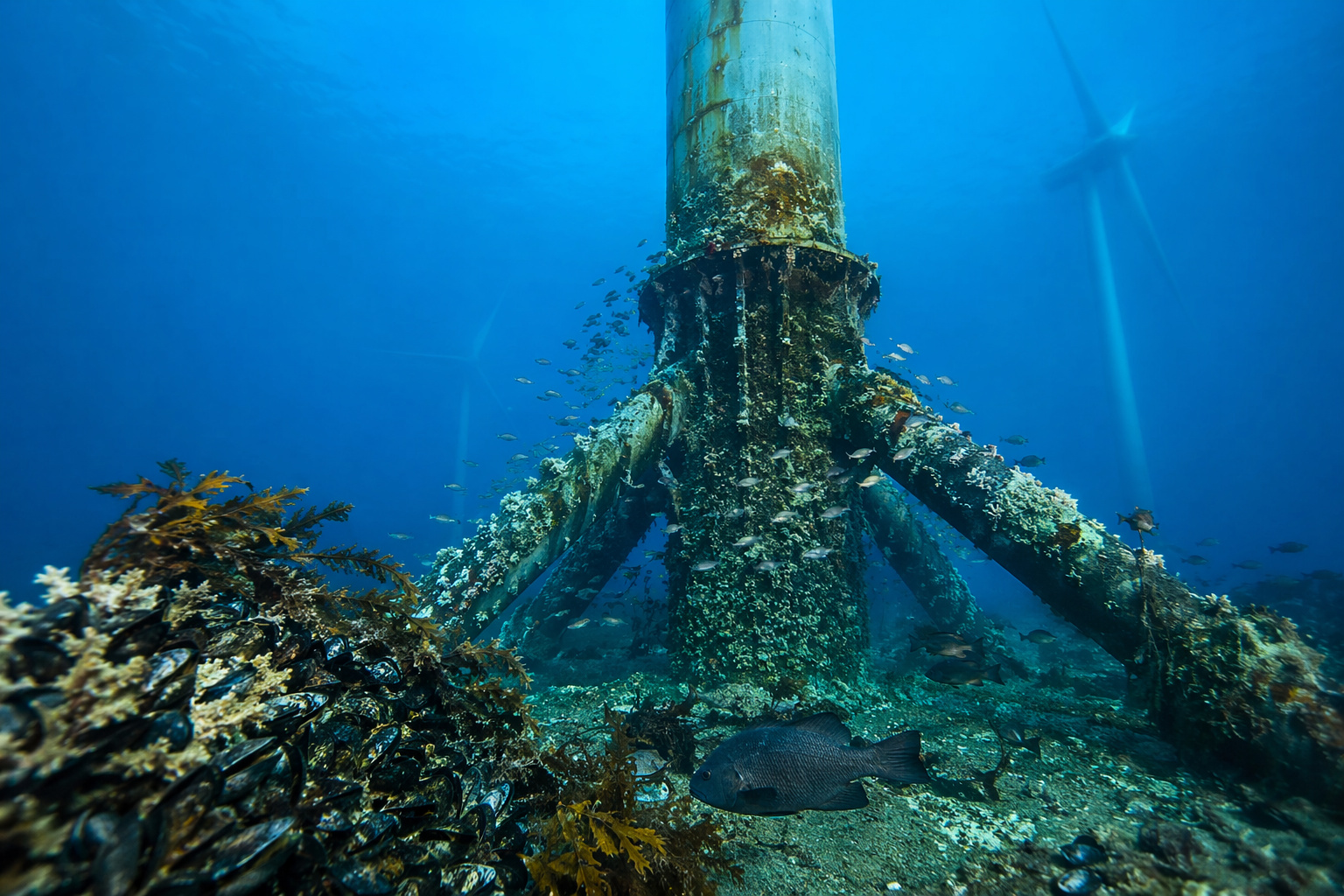
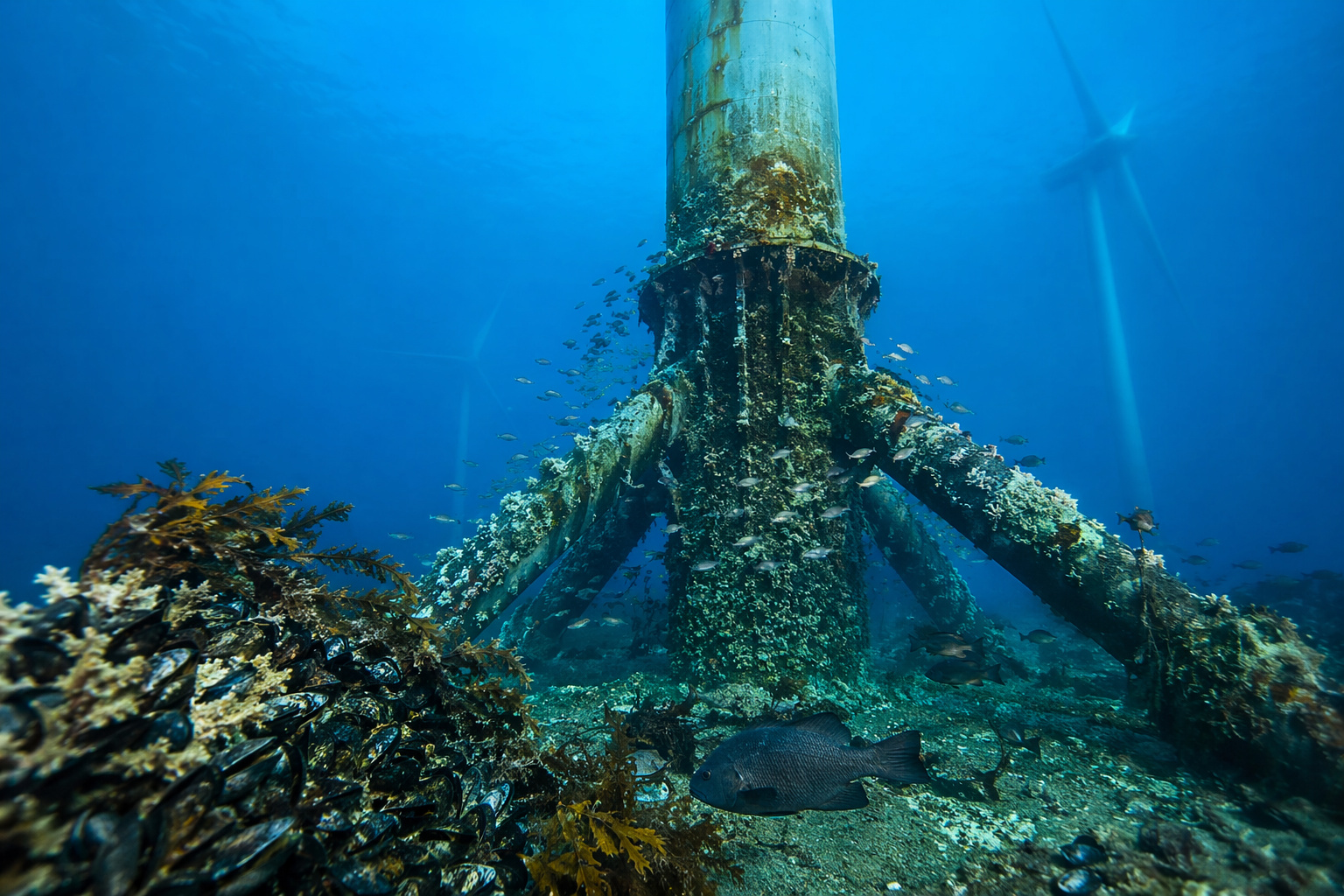
Clean energy structures create habitats, increase biodiversity, and recover marine ecosystems previously considered dead
A significant environmental transformation has been observed in the oceans in recent years, especially following the expansion of offshore clean energy projects.
Metal structures installed on the seabed have begun to generate not only electricity but also new marine habitats, favoring the recovery of degraded areas.
This phenomenon has been analyzed since 2015 by institutions such as the International Energy Agency (IEA) and NOAA, which identified the increase in biodiversity in regions previously considered biologically poor.
-
It seemed like just a clean energy project in the ocean, but over time, offshore turbines began to provoke something unexpected: lifeless areas started to fill with species and form new ecosystems.
-
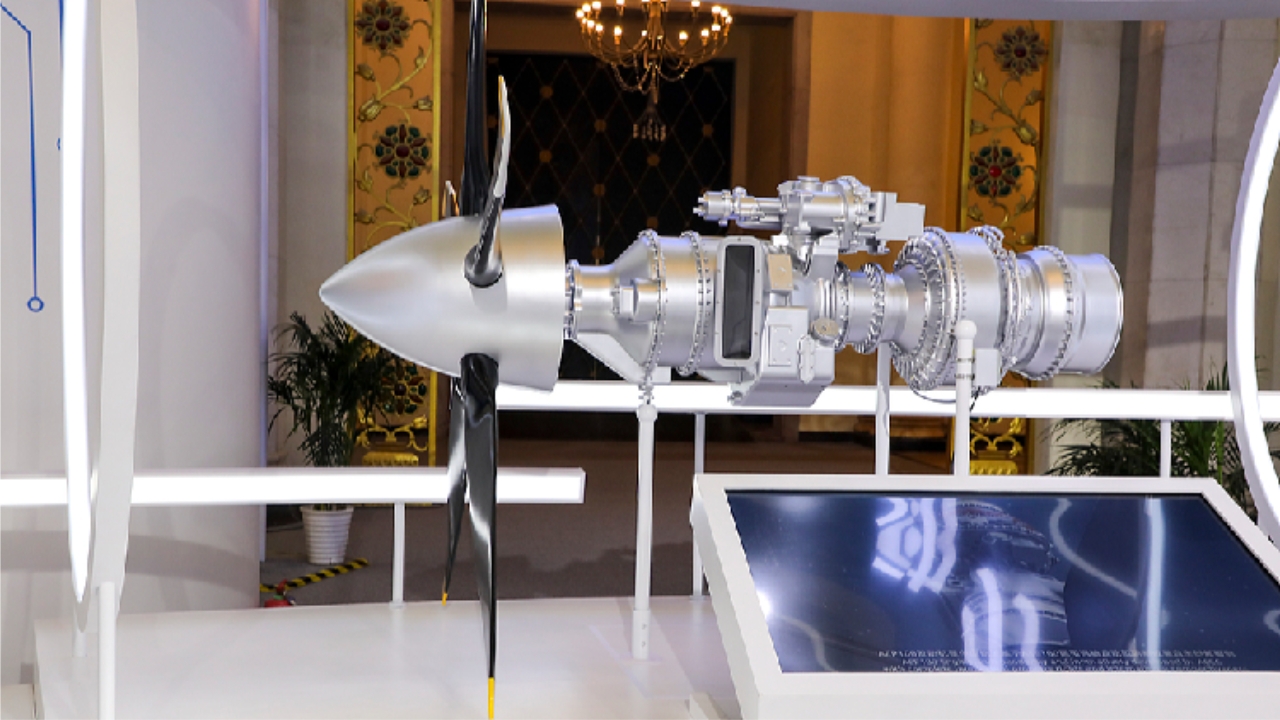
China conducts the world’s first flight of a hydrogen-powered turboprop aircraft, covering 36 km in 16 minutes.
-
China does not want to depend on oil and is advancing in ‘water’-powered airplanes amid the energy crisis affecting the whole world.

-
NASA releases Google Maps resource to track the Artemis II Mission in real time and turns the app into a practical tool to visualize the spacecraft’s position and data directly on your phone.

Thus, areas that previously exhibited low activity have begun to record a significant ecological rebirth, driven by the presence of these fixed structures.
Marine regeneration driven by offshore infrastructure
Initially, the installation of these towers was designed with a sole focus on renewable energy generation.
However, it was later observed that these bases function as supports for marine organisms, allowing the formation of food chains.
According to studies conducted between 2018 and 2023 by the University of Plymouth, these structures act as ecological catalysts.
In this way, solid surfaces allow the attachment of sessile organisms, which initiate biological colonization.
Consequently, the environment transitions from a sterile scenario to a active point of marine biodiversity.
Additionally, changes in local currents create zones of natural protection, reducing the pressure from predatory fishing.
Positive impacts on biodiversity and water quality
At the same time, the presence of these structures modifies the ecological dynamics of the affected regions.
Thus, small organisms such as crustaceans and mollusks initially emerge and subsequently attract larger predators.
This process, therefore, establishes a new ecological balance.
According to monitoring conducted between 2020 and 2024 by the University of Aarhus, local biomass increases a few years after installation.
Moreover, water quality improves due to the action of filter-feeding organisms that begin to inhabit the structures.
In this way, it becomes evident that technology can act in an integrated manner with natural processes.
Turbine foundations serve as natural nurseries
On the other hand, the foundations of these structures have rough surfaces and cavities.
Thus, these spaces provide an ideal shelter for marine larvae and juveniles, reducing mortality in the early stages.

Consequently, nearby populations are constantly repopulated.
Additionally, these bases replicate functions similar to those of natural coral reefs, which have been experiencing global decline.
In this context, several elements of this new ecosystem stand out:
• Mussels and oysters, responsible for filtering the water.
• Pelagic fish, which use the structures as a reference.
• Crustaceans, which find food on the biological surfaces.
Integration between engineering and nature gains prominence
In light of these results, it is observed that industrial development can occur without causing environmental degradation.
On the contrary, when planned with a regenerative focus, it can transform degraded areas into productive and balanced environments.
According to an analysis published in 2022 by the Ocean Renewable Energy Research Association, this model represents an advancement in environmental engineering.
Moreover, this integration provides relevant benefits:
• Increased resilience of coastal ecosystems against climate change.
• Creation of biological corridors, facilitating genetic diversity.
• Reduction of pressure on existing natural habitats.
Monitoring guides new global projects
Currently, data collected in these areas have guided new offshore infrastructure projects.
Thus, engineers and biologists have begun to work together in the development of these structures.
According to a report from the European Marine Board (2023), new surfaces are being designed to accelerate biological colonization.
In this way, each new installation becomes more efficient and aligned with the natural environment.
Therefore, the advancement of this model depends on the ability to replicate these results on a global scale.
In this scenario, infrastructure ceases to be merely a production tool and begins to represent a instrument of environmental recovery.
In light of this, a relevant question arises: will this integration between technology and nature be sufficient to restore degraded marine ecosystems in the future?







Seja o primeiro a reagir!