





 Portuguese
  English
  Spanish
  4 min of reading
  0 comments


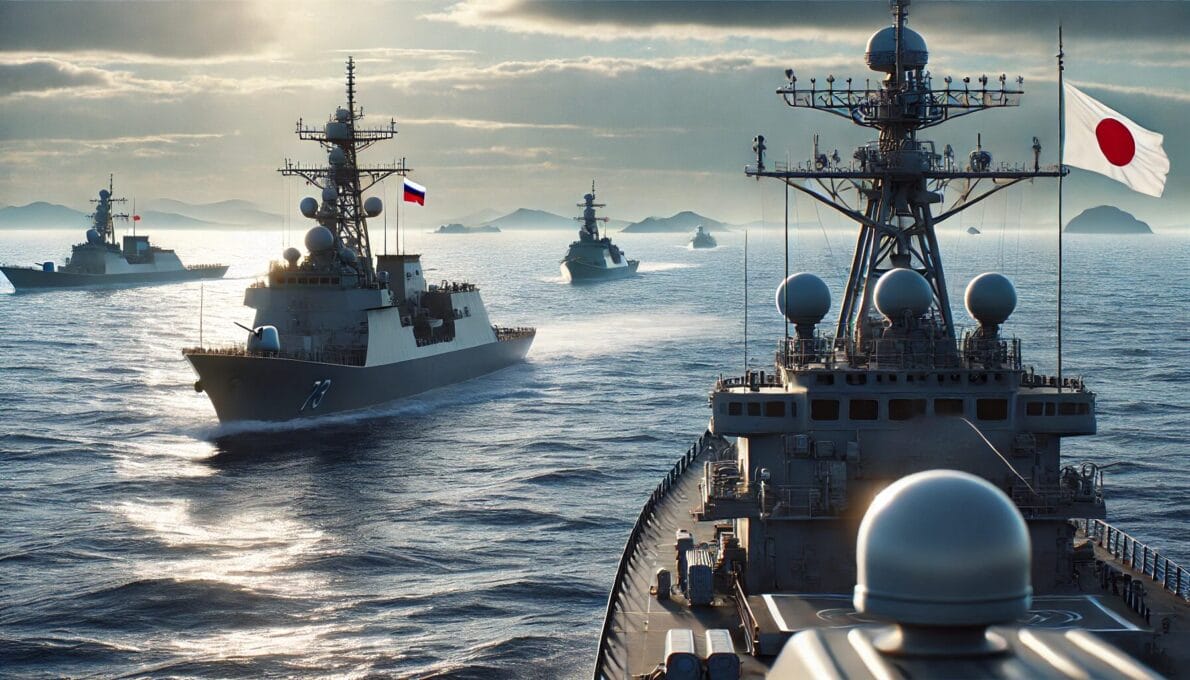
Russian Destroyer Movements In The Waters Of Japan Spark Regional Security Alert. What Are These Ships Plotting And How Will Japan Respond? Maritime Surveillance Has Never Been So Critical And The Developments Could Redefine Pacific Geopolitics.
In the last month of October, a scene worthy of a geopolitical thriller unfolded in the waters of the Pacific, involving not only Japan but also Russia in a scenario of surveillance and military strategy.
What seemed like a simple movement of ships ultimately revealed an intricate power game that could have significant repercussions for regional security.
The information is surprising and revealing, and the outcome could impact the entire dynamics of the region.
-
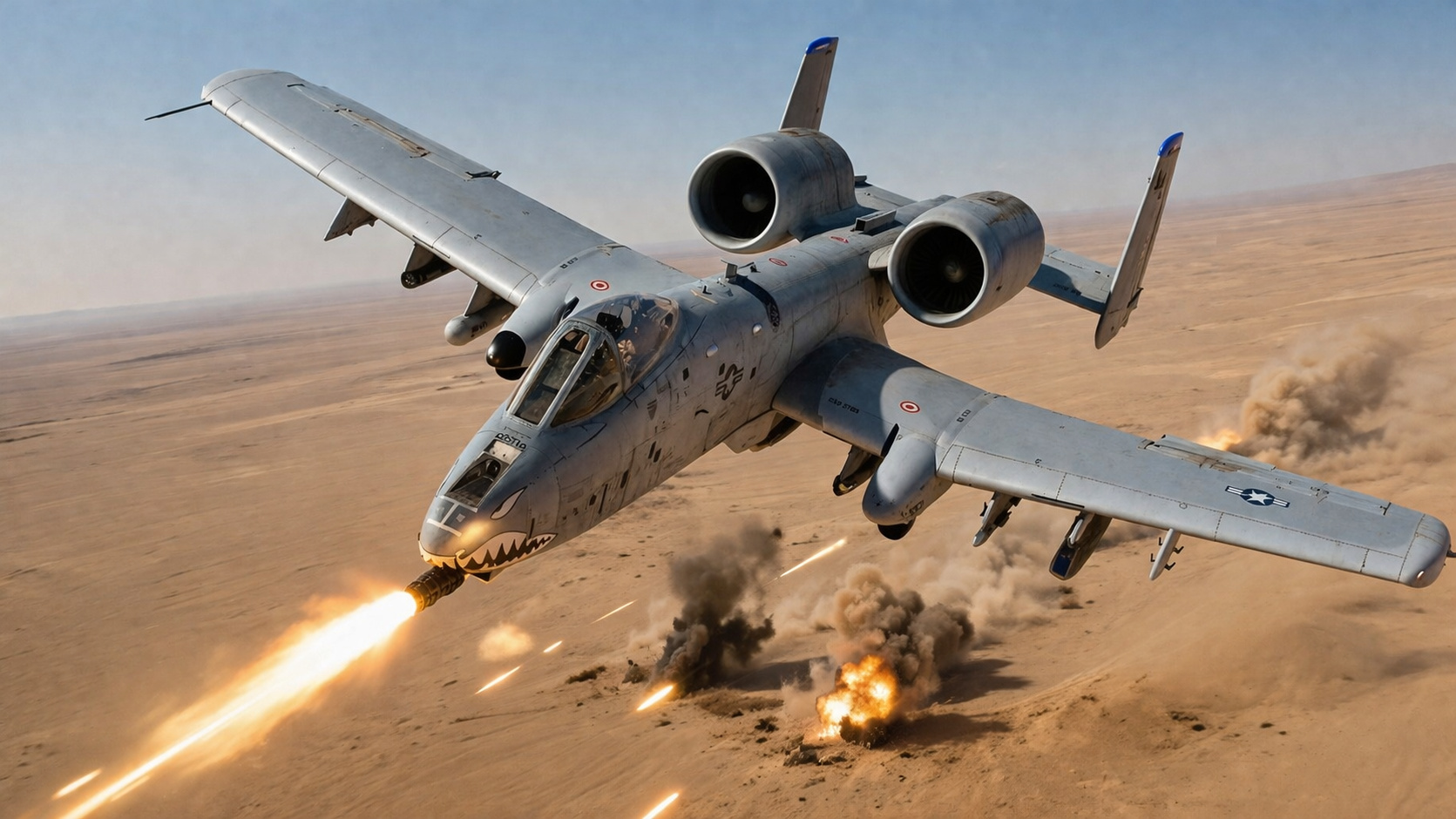
Few people know, but “mega burst” attacks from the A-10 in the Middle East are intriguing analysts and even experienced former pilots of the U.S. Air Force.
-
Manufactured in Brazil and exported to Saudi Arabia and Malaysia, the ASTROS system is renamed as Fogos in 2026, gaining AI, cruise missiles with a range of 300 km, and air defense costing R$ 3.4 billion, transforming a launcher from the 1980s into the most ambitious multidomain platform in Latin America.
-
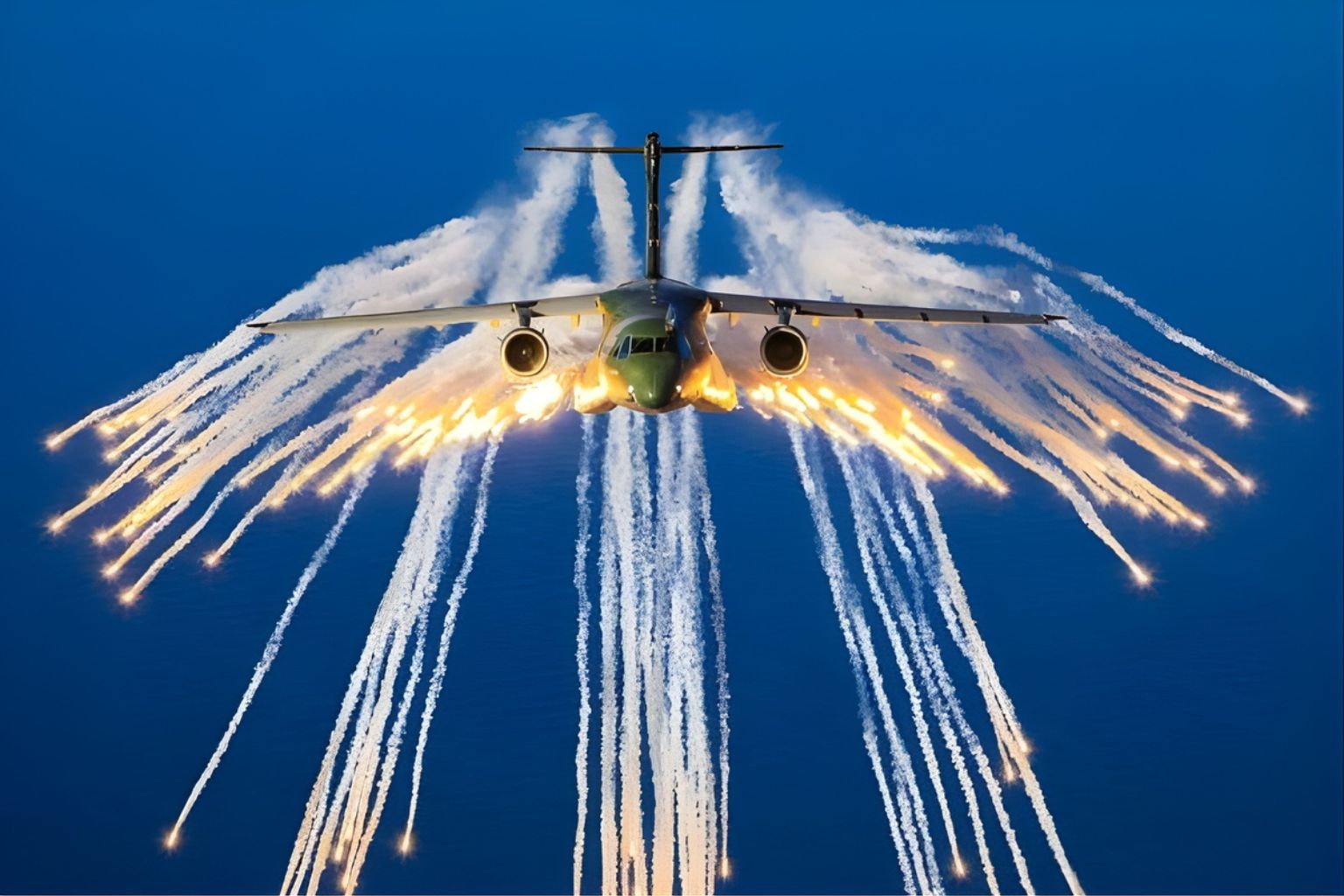
The largest military aircraft ever produced in Brazil, the KC-390 Millennium can carry up to 26 tons, refuel fighter jets in flight, and has already been exported to Europe and Asia, placing the country in the select group that designs and sells large military aircraft worldwide.
-
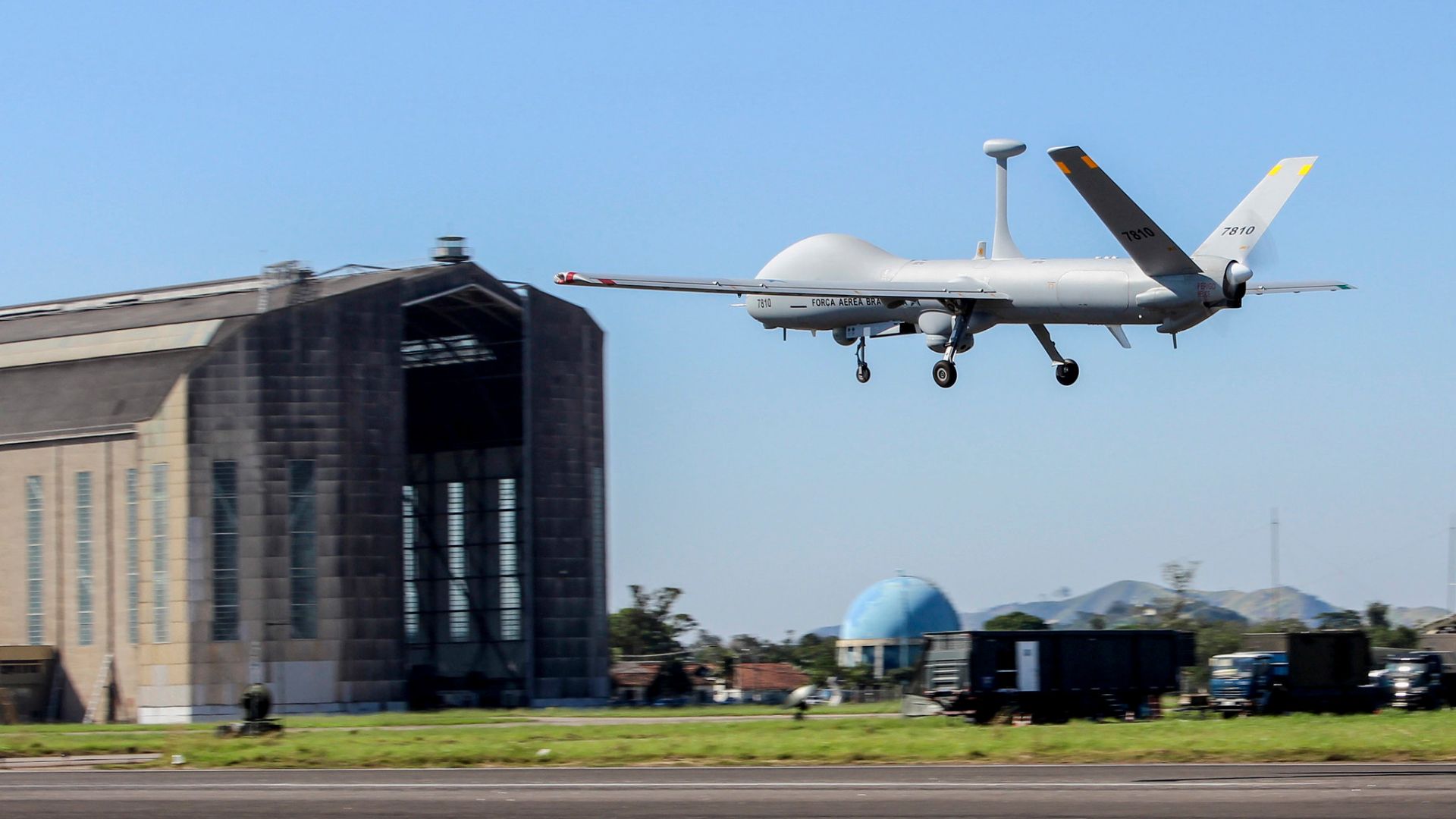
FAB loses Hermes 900 drone during multinational exercise in Mato Grosso do Sul and is left with only one active aircraft, raising concerns about operational fragility and strategic response capability.

On October 22, 2024, around 10 a.m., the Japan Maritime Self-Defense Force (JMSDF) spotted two Russian Udaloy-class destroyers, identified by hull numbers “548” and “564,” as well as a Boris Chilikin-class tanker.
These vessels were located in a maritime area approximately 120 km southwest of Tsushima Island, in Nagasaki Prefecture.
According to gathered information, the movement of the ships was not limited to a mere relocation, as it became clear between October 22 and 23 that they continued their trajectory northeast, heading toward the Sea of Japan.
This sequence of events becomes even more interesting when considering that the Udaloy-class destroyers had already been active near Japan for some time.
These same destroyers are not strangers in the waters of the Pacific. On September 23, after crossing the Soya Strait, the ships headed west, sailing about 400 km northeast of Tokyo between October 11 and 14.
This geographical movement raises questions about Russia’s intention to demonstrate force in the waters surrounding Japan, a country that has maintained a cautious stance regarding military activities by foreign powers in its vicinity.
The saga of the Russian destroyers continued with their approach to Okinotorishima, where they moved approximately 70 km southwest of the island.
Moreover, they also navigated northwest, sailing between Okinawa and Miyako Islands, in Okinawa Prefecture.
The meticulous monitoring of these vessels is a clear demonstration of the constant surveillance that Japan maintains regarding potential threats.
Intensified Monitoring
The surveillance by Japan’s armed forces is not just a reactive measure but rather an integral part of a broader defense strategy.
The Ministry of Defense of Japan, in conjunction with the Maritime Self-Defense Force, has been proactively working to ensure maritime security and territorial sovereignty of the country.
For this mission, the ship “Hirashima,” belonging to the 2nd Maritime Patrol Division of the Sasebo Naval Base, played a crucial role in monitoring the Russian vessels.
The collection of information regarding the movements of the destroyers and the tanker is part of a larger effort to track Russia’s naval activities in the region, which have been perceived as a potential threat to national security.
This type of intensified monitoring is essential, as the waters of the Pacific are becoming increasingly contested.
The growing presence of warships from various nations, including Russia and China, has drawn the attention of Japanese authorities, who seek to strengthen their response capabilities in the event of any eventuality.
History Of Tension Between Japan And Russia
Maritime tensions between Japan and Russia are not a new phenomenon. Since World War II, the two countries have maintained a complicated relationship, marked by territorial disputes and mutual mistrust. The dispute over the Kuril Islands is a notable example of this tense history.
The recent movements of Russian ships are interpreted by analysts as an attempt to reaffirm Russian presence in the region and to test Japan’s surveillance and response capabilities.
Furthermore, the presence of Russian ships near Japan occurs in a global context where international relations are in constant tension, especially concerning military presence in the Pacific.
According to experts, Russia seeks not only to demonstrate power but also to establish a standard of naval presence that can be seen as a clear message to other powers, such as the United States and its allies in the region.
Future Prospects
As the developments of this situation continue, the international community is closely monitoring the actions of both Japan and Russia.
The need for constructive dialogue and measures that promote peace and maritime security becomes increasingly evident.
Japan, for its part, must continue to develop its defense capabilities and maintain its vigilance over the waters that surround its sovereignty.
What does this Russian naval movement really mean for the future of international relations in the Pacific region?








Seja o primeiro a reagir!