





 Portuguese
  English
  Spanish
  5 min of reading
  0 comments


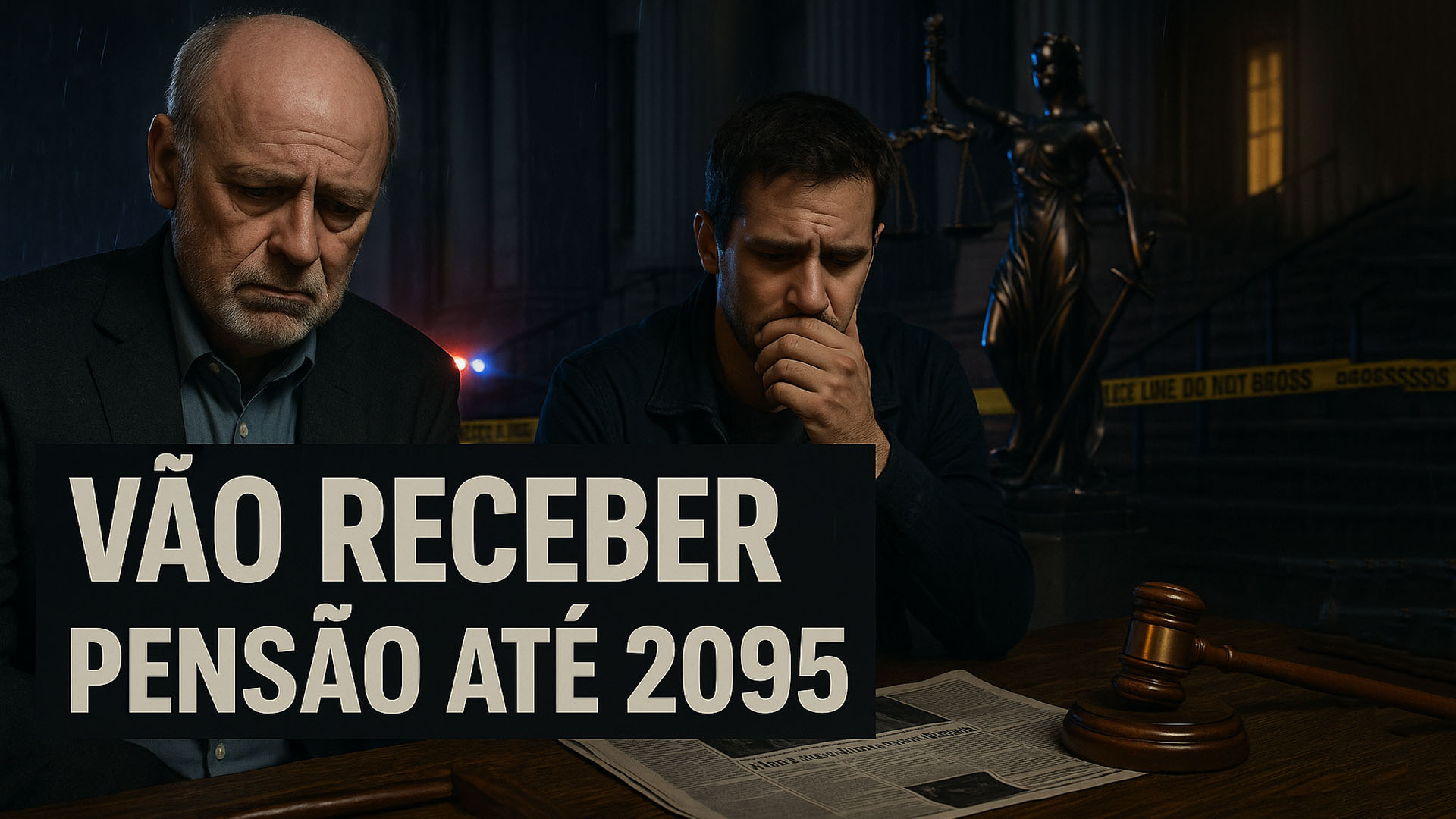
Landmark Ruling Acknowledges Negligence of Public Agencies That Ignored Reports of Abuse Against 2-Year-Old Girl Murdered in Campo Grande
The Justice of Mato Grosso do Sul issued one of the most severe judgments ever recorded in the country against public entities in cases of child protection. The State and the Municipality of Campo Grande were ordered to pay R$ 430,000 in damages and a monthly pension until 2095 to the biological father and the adoptive father of Sophia Ocampo, a girl killed at the age of two after successive ignored reports of abuse.
The decision comes from Judge Marcelo Andrade Campos Silva of the 4th Public Finance and Public Records Court of the Capital and acknowledged repeated failures and omissions of public agents. The case exposes the gravity of institutional negligence and establishes an important precedent for holding public authorities accountable in situations of child violence.
The ruling, released in early October 2025, mandates the payment of compensation for moral damages and a lifelong pension to the victim’s parents, who sought assistance from various public institutions without receiving adequate responses.
-
The Chamber opens a debate on driver’s licenses at 16 years old as part of a reform that includes around 270 proposals to change the Brazilian Traffic Code and may redesign rules for licensing, enforcement, and circulation in the country.

-
The new Civil Code could revolutionize marriages in Brazil with “express divorce” and changes that could exclude spouses from inheritance.

-
Banco do Brasil sues famous influencer for million-dollar debt and intensifies debate on delinquency, risks of seizure, and direct impact on Gkay’s credibility.

-
The Senate approves a bill that criminalizes misogyny, hatred, or aversion towards women, and includes the crime in the Racism Law with a penalty of up to 5 years.


State and Municipality Ignored Reports of Abuse Against Sophia
Sophia de Jesus Ocampo died on January 26, 2023, at the age of two, a victim of a brutal crime that shocked the country. The child was taken lifeless to the UPA Coronel Antonino in Campo Grande by her mother. Medical reports revealed that the girl had died about seven hours before arriving at the hospital, showing spinal trauma, multiple body injuries, and signs of sexual abuse.
The Public Prosecutor’s Office of Mato Grosso do Sul obtained the conviction of Stephanie de Jesus da Silva, the child’s mother, and Christian Campoçano Leitheim, the stepfather. Christian was sentenced to 32 years in prison for qualified homicide and rape of a vulnerable person, while Stephanie received a 20-year prison sentence for omission and abuse.
What made the case even more serious was the finding that reports had been made since 2021, but no effective action was taken by the protection agencies. The girl’s biological father sought police stations, guardianship councils, and health units in search of help, without success.
Messages exchanged between the mother and stepfather revealed the pattern of violence that Sophia was subjected to. In one of the conversations presented in court, the mother stated that her daughter was “all scratched up,” and the stepfather replied that he had “gently pinched” her.
Compensation and Monthly Pension Until 2095 for the Parents
The court partially upheld the claims and ordered the State of Mato Grosso do Sul and the Municipality of Campo Grande to pay R$ 350,000 to Jean Carlos Ocampo da Rosa, the biological father, and R$ 80,000 to Igor de Andrade Silva Trindade, the adoptive father, in addition to a lifelong pension for material damages.
The ruling states that the monthly pension will be equivalent to two-thirds of the minimum wage, with 70% allocated to Jean and 30% to Igor. The benefit will begin to be paid on June 2, 2034, the date when Sophia would turn 14, and will continue until June 2, 2045, when the amount will be reduced to one-third of the minimum wage.
The pension payments will continue until June 2, 2095, when the girl would turn 75, according to the life expectancy estimated by the Brazilian Institute of Geography and Statistics (IBGE). The decision also mandates that the State and Municipality include both fathers on the payroll starting in 2034, dividing the amount equally.
The judge justified that the payment should be monthly, not in a lump sum, to maintain its alimentary and compensatory nature. According to the understanding of the Superior Court of Justice cited in the ruling, low-income families are entitled to lifelong pensions even when the victim is a minor, considering that the child, upon reaching adulthood, would financially contribute to the parents.
Failures of the Public Authority: “Passing the Buck” Cost Sophia’s Life
The judicial process brought to light an alarming scenario of institutional negligence. According to the ruling, the girl’s biological father was the victim of a true “passing the buck” game between public agencies. The State blamed the Municipality, and the Municipality blamed the State, while the child continued to be abused.
The judicial decision pointed out that the evidence shows “repeated and successive failures of municipal and state public agents during and after the handling of incidents involving Sophia.” The judge was emphatic in stating that if the competent authorities had acted appropriately, the girl’s death could have been prevented.
Crime incident reports were filed, services were provided at health units, and the guardianship council was contacted, but no effective protective measures were implemented. The omission of public agents revealed structural failures in the child and adolescent protection system in the municipality.
According to a statement released by the parents’ defense, “this decision represents a moral and human victory: it confirms that the family’s pain was legitimate, that the omissions were real, and that the truth resisted all attempts at silencing.”
Important Judicial Precedent for Child Protection Cases
The ruling issued in Sophia’s case establishes an important milestone in Brazilian jurisprudence regarding the accountability of public authorities in situations of violence against children and adolescents. The conviction reinforces that the State has a constitutional duty to protect children at risk, and negligence can result in severe penalties.
The recognition of two fathers — the biological and the adoptive — also represents an advance in legal interpretation regarding family structures and the right to compensation. Both were considered legitimate to receive compensation and pension, reflecting the reality of contemporary families.
The decision should serve as a warning for protective agencies, such as guardianship councils, specialized police stations, and social assistance secretaries, to improve their service protocols and monitoring of reports of child abuse. Sophia’s tragedy exposes the urgency of investments in training, structure, and integration among the various agencies responsible for the protection of children and adolescents.
Cases like this demonstrate that Brazilian legislation, although advanced in protecting the rights of children and adolescents, needs to be accompanied by concrete and effective actions from public authorities to prevent other lives from being lost due to institutional negligence.
This case raises fundamental questions about the efficiency of the child protection system in Brazil. Do you believe that judicial decisions like this are sufficient to prevent new tragedies, or is a deeper reform of the protection agencies necessary? Share your opinion in the comments and share your vision on how the State can improve its response to reports of child violence.










-

-

-

-

-

31 pessoas reagiram a isso.