





 Portuguese
  English
  Spanish
  5 min of reading
  0 comments



The labor shortage in countries like Portugal, Spain, Germany, Ireland, Australia, New Zealand, and Canada is opening up space for foreigners in 2026, with salaries, visas, and requirements that can completely change the plans of those who want to work abroad
The labor shortage in countries like Portugal, Spain, Germany, Ireland, Australia, New Zealand, and Canada keeps different entry routes open for foreign workers in 2026. Although these destinations continue to attract those seeking higher employment and income, opportunities change according to the sector, required qualifications, type of visa, and cost of living in each market.
Portugal and Spain are among the most well-known entry points, especially for those looking for initial insertion into the European market. Germany, Ireland, Australia, New Zealand, and Canada, in turn, concentrate more structured mechanisms for skilled work or sectors with specific shortages of professionals.
Labor shortage opens space in Portugal and Spain
Portugal remains associated with areas such as hospitality, cleaning, construction, and services, maintaining its appeal for those looking to start abroad. In 2026, the Portuguese national minimum wage was set at 920 euros per month, which helps define the country as an entry option, but not necessarily as a destination with a higher savings capacity.
-
The government is considering a temporary subsidy for cooking gas following the spike in oil prices due to the war in Iran and warns about the impact of 20% of imports on the prices paid by families.

-
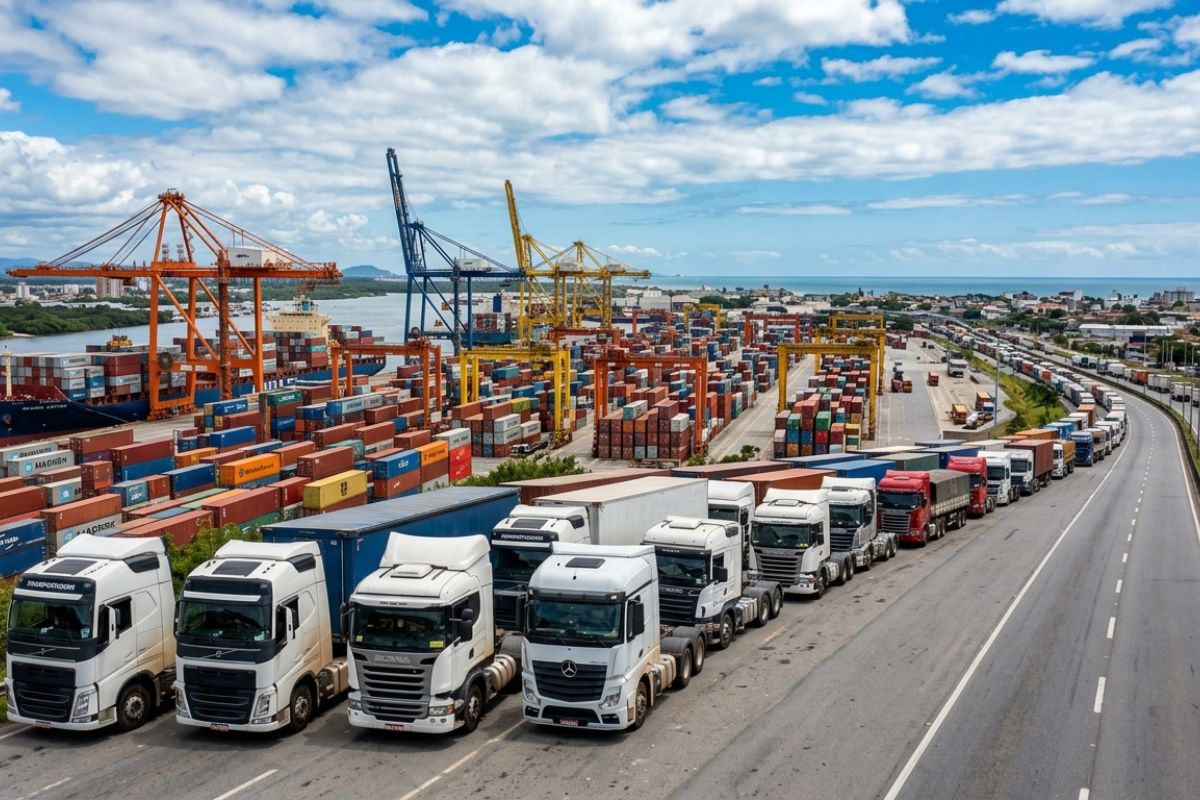
The lack of truck drivers in the country is already halting shipments and threatening deadlines: 88% of transport companies are unable to hire, with an average of eight trucks idle, and the port complex of Itajaí is now feeling the impact.
-
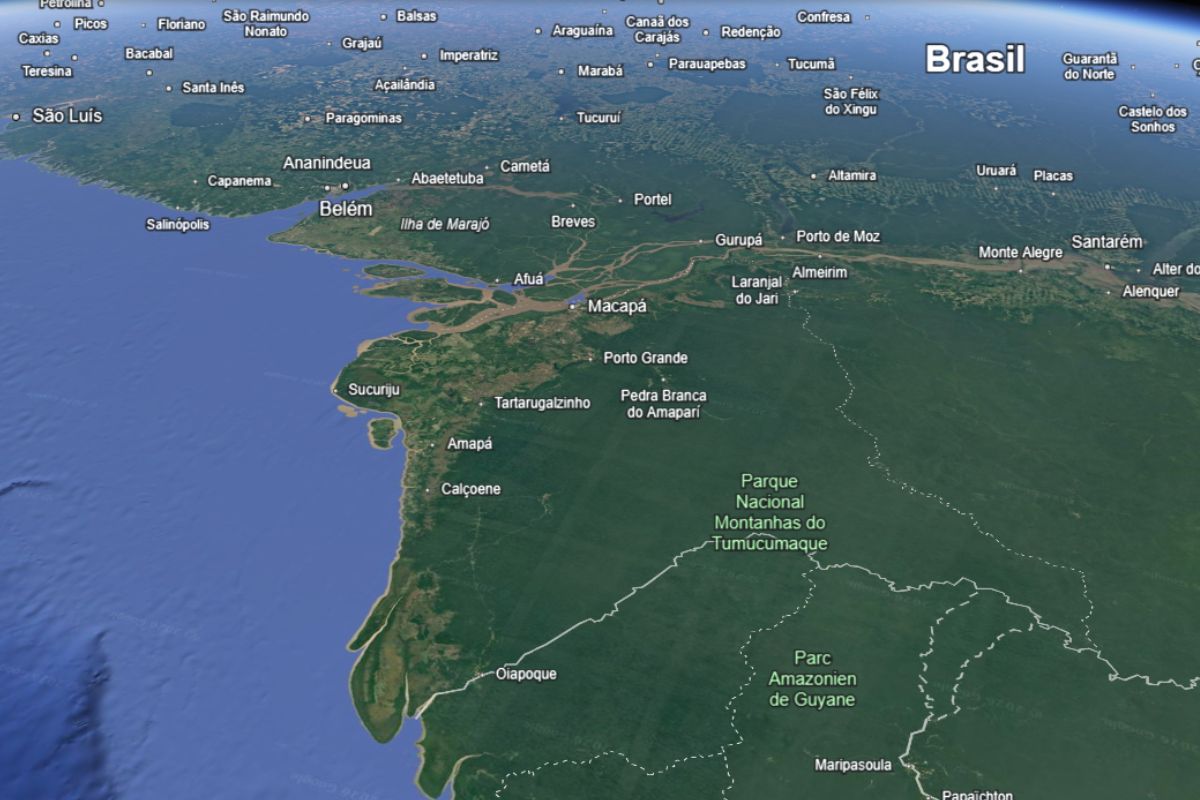
Petrobras is about to transform a forgotten city in the far north of Brazil into the capital of oil: Oiapoque is already feeling the effects even before the first drop of oil comes out from the seabed.
-
The Economist says that Brazil has a secret weapon in the oil war during this crisis: ethanol, biodiesel, and flex-fuel vehicles. With Petrobras holding costs, fuel prices are rising 10% to 20% here, compared to 30% to 40% in the USA.

Language adaptation remains one of the factors that make Portugal attractive to Brazilians and Spanish speakers. Still, legal residency for work depends on formal compliance, and obtaining residency cannot be treated as an automatic or uniform path for all profiles.
In Spain, the labor shortage also supports opportunities in segments with a greater need for workers, especially outside the more saturated areas. The interprofessional minimum wage was raised to 1,221 euros per month in 14 payments, totaling 17,094 euros gross per year.
The country also updated immigration rules and, starting in 2026, began operating an extraordinary regularization process with defined criteria. This prevents presenting the measure as a general opening for any immigrant in an irregular situation, as access depends on meeting the stipulated requirements.
Portugal and Spain, therefore, remain relevant for those seeking more accessible insertion in the European continent. At the same time, both markets show that the labor shortage does not mean unrestricted ease, as salary, documentation, and location directly influence the experience of newcomers.
Germany and Ireland combine higher salaries with more defined rules
Germany remains one of the most solid destinations for skilled labor immigration. The country maintains the EU Blue Card as one of the main pathways for professionals with job offers, requiring a minimum annual salary of 50,700 euros in 2026, or 45,934.20 euros for occupations classified as in shortage.
This model reinforces Germany’s position as a market focused on formal and predictable hiring. The strength of the labor shortage is evident in the professions in demand, where the country establishes specific criteria to facilitate the attraction of foreign workers.
Germany stands out less for promises of quick enrichment and more for the combination of contractual stability and objective rules. This profile makes the country a strong alternative for those who already have training, experience, or professional qualifications compatible with the requirements of immigration legislation.
In Ireland, the market continues to attract foreigners mainly in technology, pharmaceuticals, finance, and large multinationals. As of January 1, 2026, the national minimum wage in Ireland increased to 14.15 euros per hour, consolidating the country among the European markets with the highest remuneration.
At the same time, the pressure of rent, especially in Dublin, directly affects the budget of newcomers. This reduces part of the salary advantage and makes the cost of housing a central factor in the evaluation of those intending to work and live in the Irish market.
Germany and Ireland show that higher salaries do not eliminate entry requirements or the impacts of the cost of living. In these two cases, the labor shortage helps explain the demand for foreigners, but concrete results depend on the professional area and the real conditions of settlement.
Australia and New Zealand maintain demand in markets outside Europe
Australia remains among the most sought-after destinations for young people and skilled workers. The national minimum wage is 24.95 Australian dollars per hour, and the country maintains entry pathways such as working holiday and employer-sponsored visas.
The Australian immigration structure keeps space for different profiles, but the possibility of entry depends on the type of activity and the chosen modality. Even with good earnings in various sectors, the scenario is not uniform, as working hours, region, and housing significantly alter the financial outcome.
In New Zealand, the demand for workers also remains active in 2026. The adult minimum wage will rise to 23.95 New Zealand dollars per hour on April 1, while the country preserves pathways linked to in-demand professions and jobs with accredited employers.
The New Zealand logic reinforces the relationship between immigration policy and market needs. In this context, the labor shortage appears as a decisive factor to support work programs and hiring mechanisms aimed at foreigners.
Australia and New Zealand share the combination of competitive remuneration and high cost of living. Therefore, both destinations maintain appeal for those seeking work abroad, but require careful consideration of the practical conditions of entry, residency, and monthly expenses.
Canada concentrates organized routes for economic immigration
Canada remains one of the most organized countries for economic immigration. In 2026, the government confirmed new rounds of Express Entry aimed at priority categories, including health, skilled trades, education, transportation, science, technology, engineering, and mathematics, as well as candidates with strong proficiency in French.
This design reinforces the Canadian strategy of directing the entry of foreigners according to specific areas of the market. The labor shortage serves, in this case, as a basis for selecting profiles considered a priority by immigration authorities.
Canada thus preserves its image as a destination with real opportunities for professional restart. Still, the possibility of financial improvement depends on factors such as province, type of job, effective remuneration, and housing costs, which vary significantly between different regions of the country.
Opportunities exist, but vary according to profession, salary, and legal route
The seven countries mentioned continue to be relevant for those seeking work and international mobility in 2026. In all of them, the labor shortage appears as a central element for the opening of vacancies, selection programs, or mechanisms for hiring foreigners.
Despite this, the scenario is not the same in all destinations or for all workers. Minimum wage, legal framework, contract requirements, professional sector, and cost of living continue to be the factors that weigh most heavily in transforming the labor shortage into a concrete opportunity for change.










Seja o primeiro a reagir!